

What Causes Black Spots on Teeth?
Black spots on teeth can be alarming, often signalling an underlying issue that requires attention. These unsightly marks might stem from dental caries, staining from foods, or even medications.
Knowing what causes these spots and finding them is important for keeping oral health good. This article looks at how to identify dental issues, treatments that work well, and ways to prevent problems to maintain a healthy smile. Find out the true meaning of those black spots and learn how you can address them now.
Causes of Black Spots

Black spots can arise from various sources, such as tooth decay, eating habits, and certain medications. It’s important to understand their origin for appropriate treatment.
Dental Caries
Dental caries, or cavities, are among the leading causes of black spots, resulting from the acidic byproducts of oral bacteria that erode tooth enamel over time.
This process begins with plaque accumulation, a sticky film formed by bacteria in the mouth. When sugars from food are consumed, these bacteria produce acids that attack the enamel, sometimes leading to the bottom part of the tooth getting transparent as the protective layer wears away. In teeth that have already been altered through procedures such as shaved teeth, weakened enamel may be even more vulnerable to this process.
According to the CDC, over 90% of adults have experienced cavities, underscoring the importance of prevention. Seeing a dentist twice a year and using fluoride toothpaste, such as Colgate Total (about £4), can greatly lower the chance of getting cavities.
Maintaining a balanced diet low in sugars also helps in protecting your teeth.
Staining from Food and Beverages
Drinks like coffee, tea, and dark-colored sodas can stain teeth, creating obvious dark marks after a while.
To reduce staining, rinse your mouth with water right after drinking beverages that cause stains. This simple action washes away pigments before they can settle.
Using a whitening mouthwash such as Listerine Teeth Whitening (approximately £6) can further mitigate discolouration. Using baking soda toothpaste a couple of times a week can be useful as it softly takes away stains.
Seeing a dentist for a teeth cleaning every six months helps keep your teeth white by getting rid of tartar and plaque that can cause stains.
Medications and Health Conditions
Certain medications and health conditions can contribute to black spots on teeth, necessitating awareness among patients regarding their oral health impacts.
For instance, tetracycline, a common antibiotic, can lead to discolouration if taken during childhood when teeth are still developing. Issues like low calcium can make enamel weaker, which means teeth are more prone to staining.
To deal with these problems, it’s important to discuss any medications with your dentist and consider your general health. They may recommend treatments such as professional whitening or fluoride supplements to mitigate discolouration.
Maintaining regular dental check-ups can also help identify and address concerns early.
Identification and Diagnosis

Quickly finding and diagnosing black spots is important for proper treatment. This uses pictures and current imaging tools for accurate assessment.
Visual Examination
A careful look by a dentist usually begins the process of finding out why there are black spots, quickly showing possible problems.
During the check-up, the dentist uses tools such as mirrors and probes to closely inspect the teeth and gums. They routinely check for signs of decay, such as dark spots that indicate cavities, and also assess the gums for signs of issues like swelling or bleeding.
Patients should go to the dentist twice a year to find issues early and keep their teeth and gums healthy with regular check-ups.
X-rays and Other Imaging Techniques
X-rays and other imaging techniques are essential for identifying hidden issues related to black spots that are invisible to the naked eye.
Two common types of dental X-rays are bitewing and periapical X-rays, typically costing between £25 and £100 each.
Bitewing X-rays are used to look at the upper and lower teeth in a specific section, helping to find cavities between the teeth. Periapical X-rays show the whole tooth—from the top to the bottom—and are important for finding fractures and other problems beneath the gums.
Both imaging methods are important for developing treatment plans, assisting dentists in accurately identifying and fixing problems.
Treatment Options
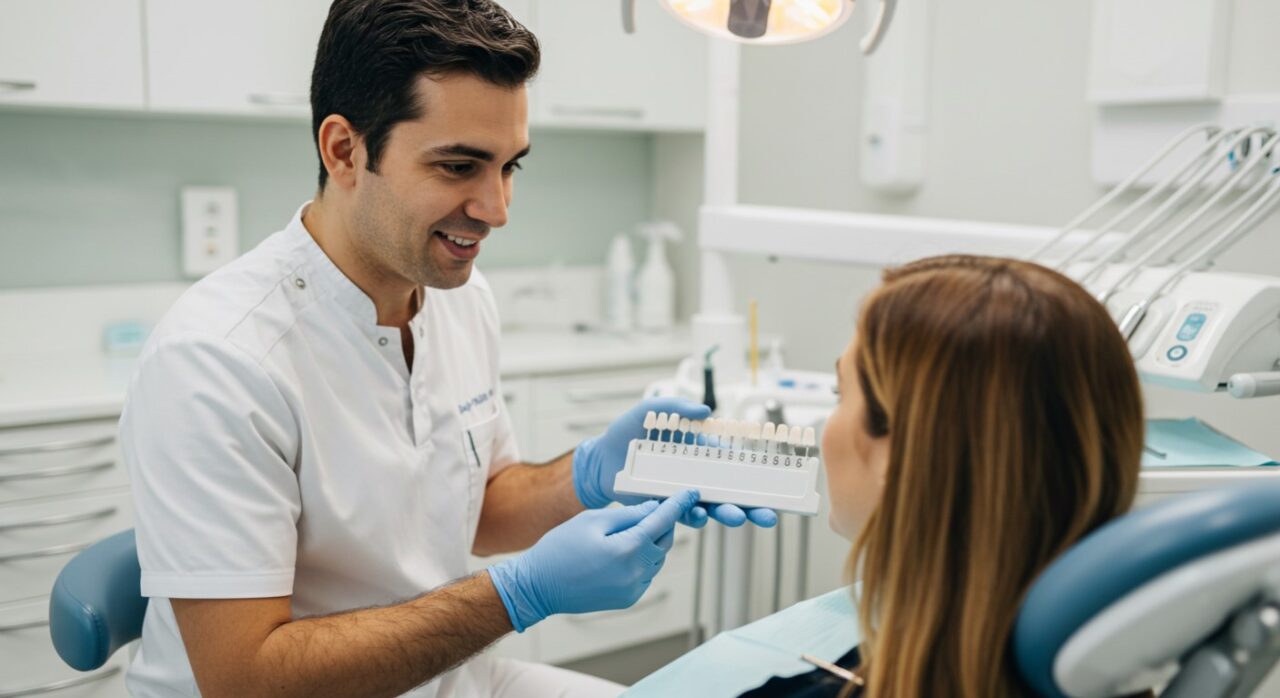
The best way to treat black spots on teeth depends on the cause. Options include professional cleaning or dental treatment to fix the issue.
Professional Cleaning
Professional cleaning, carried out by a dental hygienist, is an essential first step in managing black spots, effectively removing plaque and tartar build-up that contribute to discolouration.
During a professional cleaning session, tools such as scalers, ultrasonic cleaners, and air polishers are commonly used. Scalers are tools used to manually remove built-up plaque, while ultrasonic cleaners use high-frequency vibrations to remove dirt and particles from the surfaces of teeth.
Typically, a session costs between £75 and £200, and patients should have this cleaning twice a year. In some cases, however, a cosmetic dental procedure such as whitening or veneers may be recommended to restore the tooth’s natural colour and appearance once stains or black spots have been treated.
Regular cleanings make your teeth look nicer, help keep your breath fresh, and improve oral health by reducing the risk of gum disease and cavities.
Fillings and Restorations
For dark spots caused by dental caries, fillings and restorations are often necessary to restore function and aesthetics to affected teeth.
There are mainly two types of fillings used in dental procedures: composite and amalgam.
Composite fillings, which are tooth-coloured, typically cost between £150-£300, providing a more aesthetic solution for visible areas. Amalgam fillings, made of metal, tend to be cheaper, usually ranging from £100-£250, and are ideal for back teeth due to their durability.
The procedure involves numbing the area, removing the decayed portion, and placing the filling. This process stops further decay and improves the tooth’s appearance, which is important for dental health.
Preventive Measures
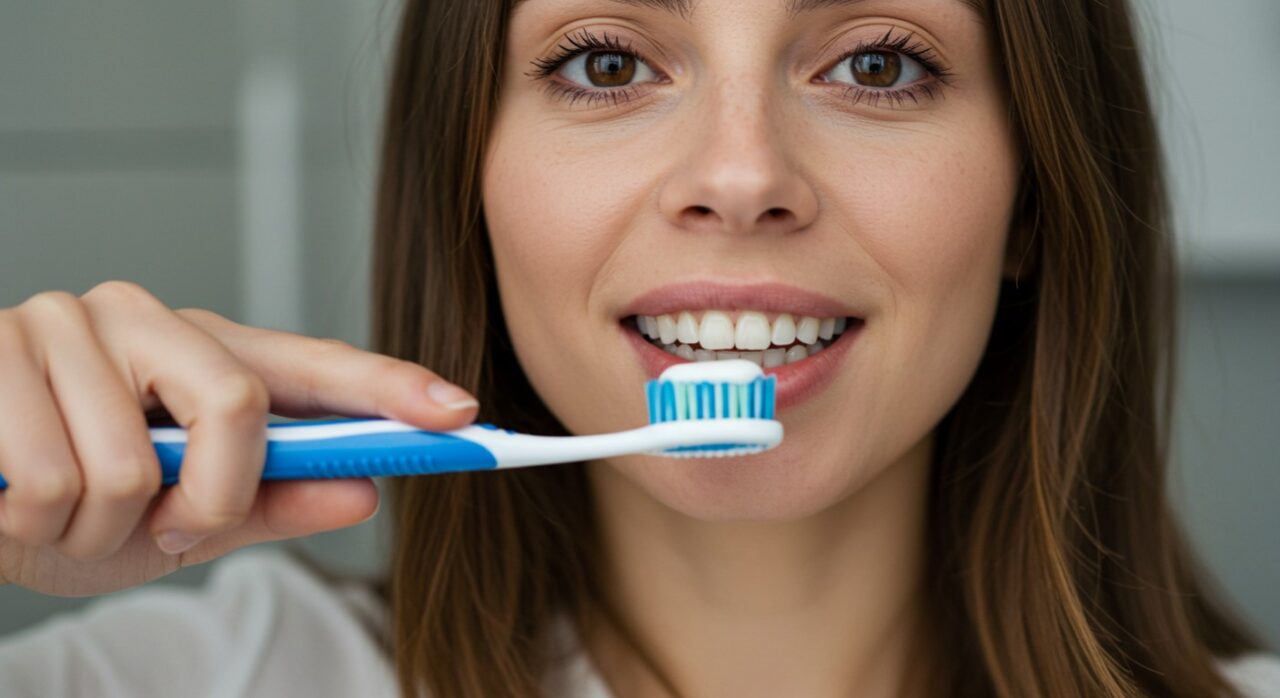
To avoid black marks on teeth, focus on good oral hygiene and careful eating habits.
Oral Hygiene Practices
Using good oral hygiene habits, such as correct brushing and frequent flossing, is important to prevent black spots and keep teeth and gums healthy.
Along with brushing twice daily with fluoride toothpaste and flossing once daily, consider incorporating a mouthwash for added protection against cavities and gum disease.
Employ techniques such as the Bass method for brushing—angling your toothbrush at 45 degrees and using gentle circular motions to effectively clean along the gum line.
Products such as an Oral-B electric toothbrush (priced from £30 to £150) help remove more plaque, while Crest Pro-Health mouthwash (£4) provides extra protection.
Regular dental check-ups are important for detecting problems early.
Dietary Recommendations
Dietary choices significantly impact oral health, with certain foods promoting stains and others, like dairy, supporting enamel strength.
To protect your enamel and maintain a bright smile, consider incorporating more dairy products into your diet. Eating cheese or yoghurt provides calcium and helps balance the acids in the mouth.
Avoid sugary snacks and acidic drinks like fizzy drinks and citrus juices, which can erode enamel over time. Drinking water after meals can help rinse away food particles and reduce the risk of staining.
A balanced diet, rich in fruits and vegetables, will also contribute to better overall oral health.
When to See a Dentist
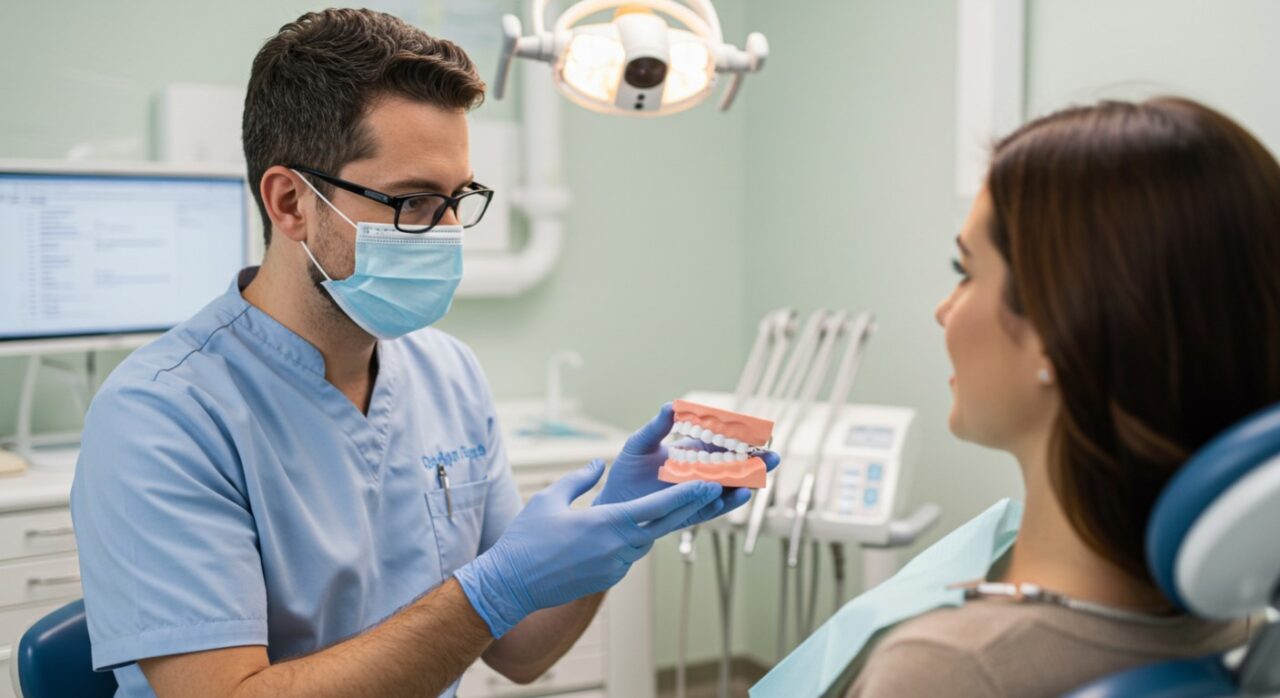
Knowing when to visit a dentist for black spots is important to prevent further dental issues and receive treatment in good time.
If you have ongoing pain, quick shifts in tooth colour, or feel more sensitive to hot or cold, book a visit with your dentist. Avoid ignoring these symptoms, as they may indicate decay or infection.
Visit the doctor twice a year to find issues before they become serious, even if you feel fine. Using preventive care, like fluoride treatments and dental sealants, can help make your teeth stronger and keep them safe from problems later on.
Remember, proactive measures can significantly reduce the risk of complications later on.
Frequently Asked Questions
What causes black spots on teeth?
Black spots on teeth can be caused by a variety of factors, including tooth decay, tobacco use, certain medications, and excessive consumption of dark-coloured drinks such as coffee, tea, or red wine.
Are black spots on teeth a sign of tooth decay?
In most cases, yes. Black spots on teeth are often an early sign of tooth decay, which occurs when the enamel on the tooth’s surface is weakened or damaged. If left untreated, tooth decay can progress and lead to more serious dental problems.
Can black spots on teeth be removed?
Yes, depending on the cause of the black spots, they can be removed through various dental procedures such as teeth whitening, fillings, or crowns. However, it is necessary to find out what causes the black spots to stop them from coming back.
Are black spots on teeth preventable?
Yes, in most cases, black spots on teeth can be prevented by maintaining good oral hygiene habits, including regular brushing and flossing, avoiding foods and drinks that can stain teeth, and visiting the dentist for regular check-ups and cleanings.
Do black spots on teeth always require treatment?
It relies on how serious the black spots are and what caused them. In some cases, small black spots may not require treatment and can be monitored by a dentist. But if the black spots hurt or make the teeth look bad, you might need treatment.
How can I prevent black spots on my teeth?
To prevent black spots on your teeth, it is important to maintain good oral hygiene habits, limit consumption of dark-coloured drinks, and quit smoking. It is also essential to visit the dentist regularly for cleanings and check-ups to catch any potential issues early on.
Leave a Reply