
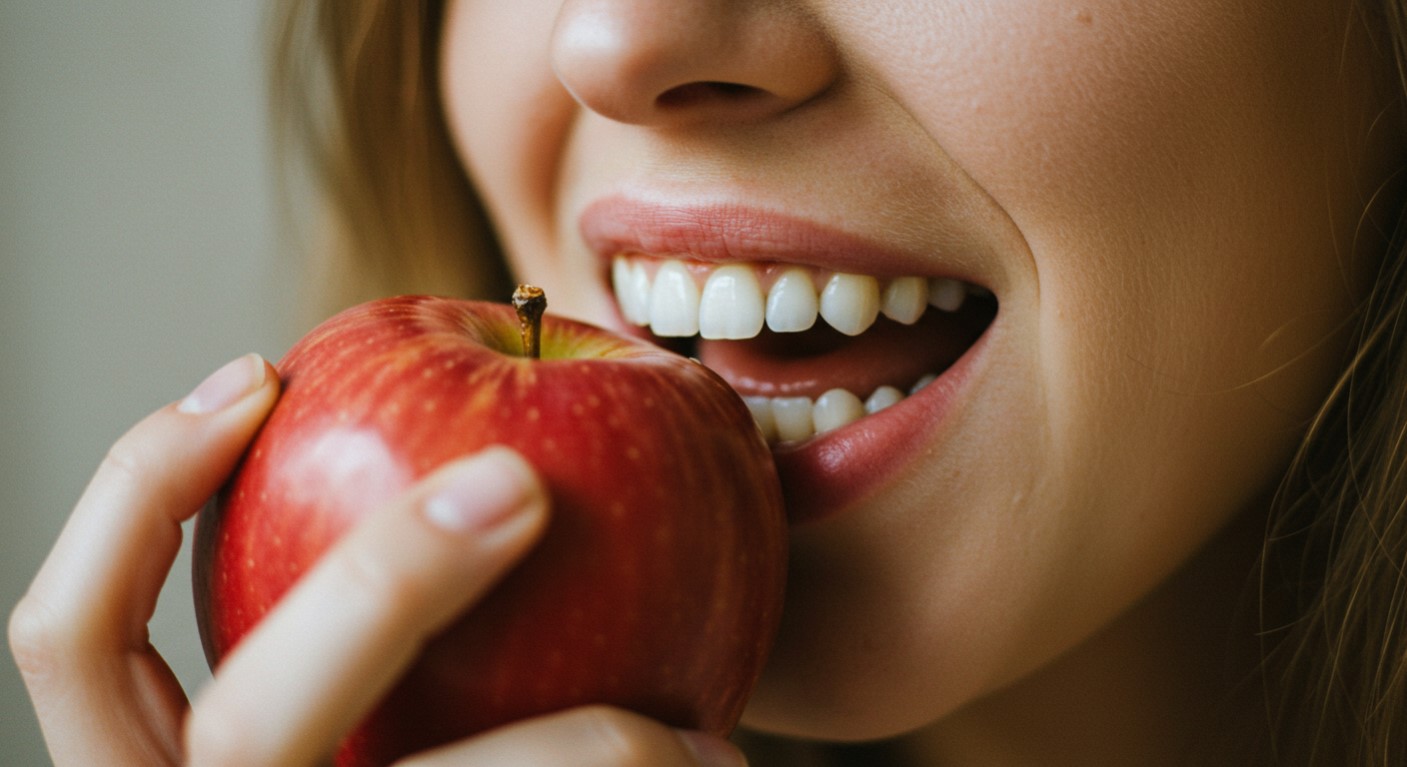
Can You Eat with Invisalign?
Invisalign offers a discreet path to a straighter smile, but what happens when hunger strikes? Knowing how to eat with Invisalign is important for keeping your treatment on track and enjoying your food.
This guide dives into whether you can munch while wearing Invisalign, shares best practices for dining, and highlights foods to steer clear of. Learn how to eat comfortably while wearing braces!
What is Invisalign?
Invisalign consists of a series of custom-made, clear plastic aligners designed to gradually shift teeth into their desired position.
These aligners are crafted from a durable and comfortable thermoplastic material, ideal for daily use.
Dentists use current 3D scanning technology to create an exact digital model of your teeth. This aids in creating aligners that fit well. Treatment typically takes between 6 and 18 months, with costs ranging from £3,000 to £8,000, depending on the complexity of your case.
Regular check-ups are necessary to monitor progress and receive new aligners, ensuring effective results throughout the treatment duration.
How does it work?
The Invisalign process begins with a digital scan to plan the treatment. Then, you change aligners every 1-2 weeks to gradually adjust your teeth.
After your initial consultation with an orthodontist, a digital impression is taken to create a 3D map of your teeth. We use this information to make a treatment plan that fits your specific needs.
When you begin using your aligners, make sure to schedule check-ups every 6-8 weeks to reach a success rate of over 96%. These appointments allow your orthodontist to check your progress and make adjustments to get the best results.
Following this routine can change your smile in just 6 to 18 months.
Eating with Invisalign

When eating with Invisalign, you need to remove your clear aligners. This helps keep your mouth clean and protects the aligners.
Can you eat while wearing Invisalign?
No, patients should remove their aligners before eating, as doing so prevents food particles from getting trapped and preserves the aligners’ clarity and shape.
Wearing aligners during meals can lead to serious hygiene issues, as food debris may cling to the aligners, increasing the risk of cavities and compromising their effectiveness.
Dental research shows that clear aligners need cleaning each time you take them out, because bacteria can grow quickly. For optimal results, rinse aligners with water after meals and use a soft toothbrush for deeper cleaning without damaging them.
This routine helps keep aligners clear and also keeps your mouth clean.
Recommended practices for eating
Paying attention to certain eating patterns can help the Invisalign process by emphasising mouth hygiene and properly maintaining the aligners.
To maximise the effectiveness of your Invisalign treatment, follow these key steps:
- Always remove your aligners before meals to prevent staining and damage.
- After eating, rinse your aligners with water to clear away food particles, then brush your teeth before putting them back in.
- Planning meals ahead can help you maintain a wear time of 20-22 hours a day.
For example, choose quick snacks or meals that are easy to chew. This saves time and helps follow treatment guidelines.
Foods to Avoid

Some foods can harm oral health and reduce the success of Invisalign treatment, so patients need to know what to avoid.
Sticky and chewy foods
Sticky and chewy foods such as caramel, toffee, and certain types of bread can cling to aligners, leading to hygiene issues and possible aligner damage.
To maintain your Invisalign treatment, avoid these foods and consider alternatives.
- Instead of caramel or toffee, opt for crunchy snacks like apples or carrots that can easily be cleaned from aligners.
- You can also enjoy yoghurt or hummus with vegetables as a great way to stay on track without compromising your treatment.
- Avoid popcorn, which can get trapped in aligners; instead, try rice cakes for a satisfying, aligner-friendly crunch.
Hard foods and their impact
Tough foods such as nuts and hard sweets can harm the aligners and also lead to pain or movement issues during treatment.
For a more comfortable aligner treatment, choose softer foods. Opt for mashed potatoes, yoghurt, or smoothies, which provide nutrition without risking damage.
- Avoiding sticky foods like caramel or toffee will help maintain both your aligners and teeth’s integrity.
- If you’re craving a crunch, try sliced fruits or vegetables that are easier to manage.
By choosing safe options, you can keep your aligners in good condition and stay on schedule with your orthodontic treatment.
Cleaning and Maintenance
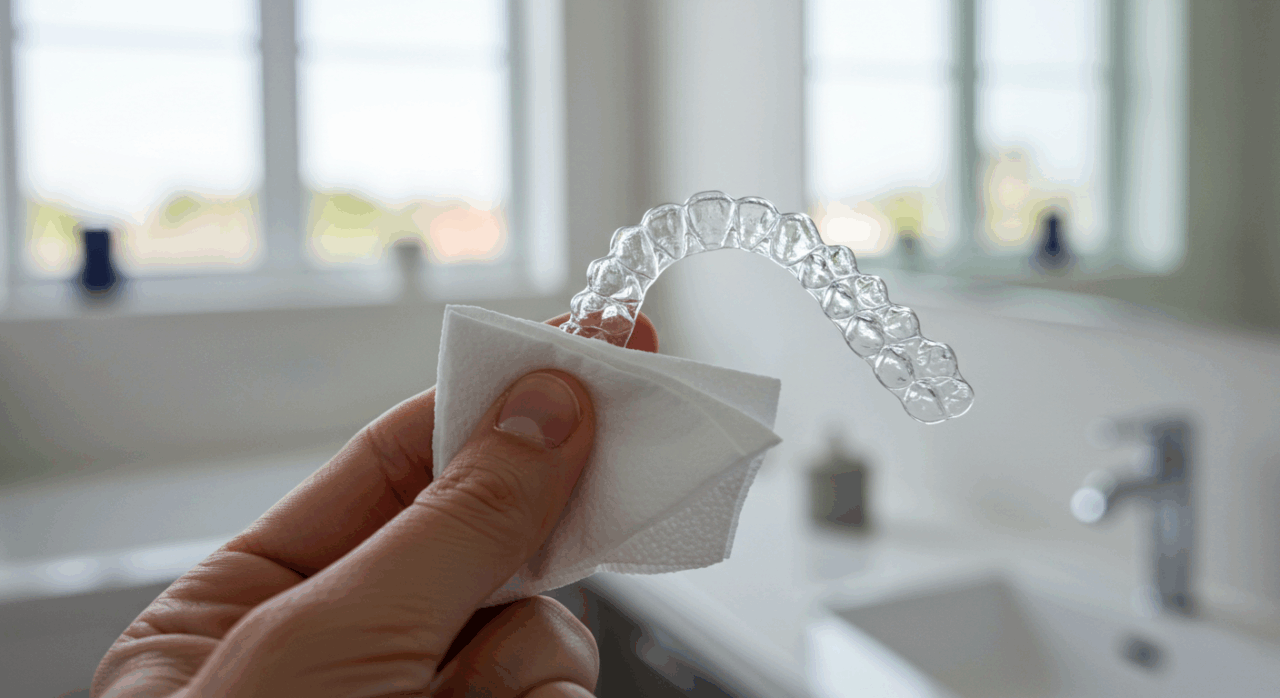
Regularly cleaning and caring for Invisalign aligners is important to prevent them from staining and gathering bacteria, leading to a good orthodontic outcome.
How to clean your aligners after eating
Cleaning aligners after meals involves rinsing, brushing gently with a soft toothbrush, and using a specialised cleaner to maintain their clarity and hygiene.
To improve your aligner cleaning routine, try Invisalign cleaning crystals. Soak your aligners in them for 15-30 minutes each day to remove plaque and odours.
A gentle, non-abrasive toothpaste can provide extra cleaning without scratching the plastic. Avoid using hot water, as it can warp your aligners.
Each cleaning session should take no more than 5 minutes, ensuring their longevity and maintaining your oral health. Cleaning your teeth regularly prevents them from changing colour and reduces bacteria, helping to keep your mouth healthy.
Maintaining oral hygiene
It is important for Invisalign users to follow strict oral hygiene habits. This helps stop plaque from forming and makes sure teeth move correctly.
To achieve optimal results, follow a strict oral care regimen. Brush your teeth at least twice a day using a fluoride toothpaste, such as Colgate Total, to strengthen enamel.
Daily flossing is essential; consider using floss picks for convenience. Rinse with an antibacterial mouthwash, such as Listerine, to kill bacteria and freshen breath.
Visit the dentist twice a year to keep track of changes and address any issues quickly. By following this routine, Invisalign users can improve their treatment results and support their dental health.
Final thoughts on eating with Invisalign
Watching what you eat while wearing Invisalign improves the treatment’s effectiveness and keeps your mouth clean and healthy.
To improve your experience, pay attention to a few important practices. Start by avoiding sticky and crunchy foods like caramel or popcorn, which can easily damage aligners.
Always remove your Invisalign trays while eating or drinking anything other than water, ensuring that food residues do not get trapped. Regularly rinse your trays under lukewarm water and use a gentle toothbrush for cleaning. Maintain a consistent brushing routine to help prevent plaque build-up.
By staying disciplined with these practices, you will promote both effective treatment outcomes and better oral health.
Frequently Asked Questions
Can you eat with Invisalign?
Yes, you can eat with Invisalign. Invisalign aligners are designed to be removed when eating to avoid damaging them.
How long can you take off Invisalign while eating?
You can take off Invisalign aligners for up to 2 hours a day. It is recommended to remove them while eating and then put them back on for the remaining 22 hours.
What foods should I avoid while wearing Invisalign?
It is recommended to avoid sticky and hard foods while wearing Invisalign. Sticky foods can get stuck in the aligners and hard foods can damage them.
Can I drink with Invisalign?
You can drink with Invisalign, but it is recommended to only drink water while wearing the aligners. Any other drinks can cause discolouration and can also get trapped in the aligners.
Do I need to clean my teeth before putting Invisalign back on?
Yes, it is important to clean your teeth before putting Invisalign back on. This keeps your aligners clean and stops bacteria from growing.
What happens if I accidentally eat with Invisalign in my mouth?
If you accidentally eat with Invisalign in your mouth, make sure to remove them immediately and rinse them thoroughly. Clean your teeth before putting them back on. It is important to remove any food particles or bacteria that may have gotten trapped in the aligners.
Leave a Reply