

What Is Dental Implant Financing and How Does It Work?
Dental implants can improve smiles and increase confidence, but the cost can seem intimidating. Knowing about dental implant financing choices is important for anyone considering this significant surgery.
This guide explains dental implants, their benefits, and how to handle payment plans and insurance to reduce costs. Learn how to get the smile you want without spending too much money.
Understanding Dental Implants
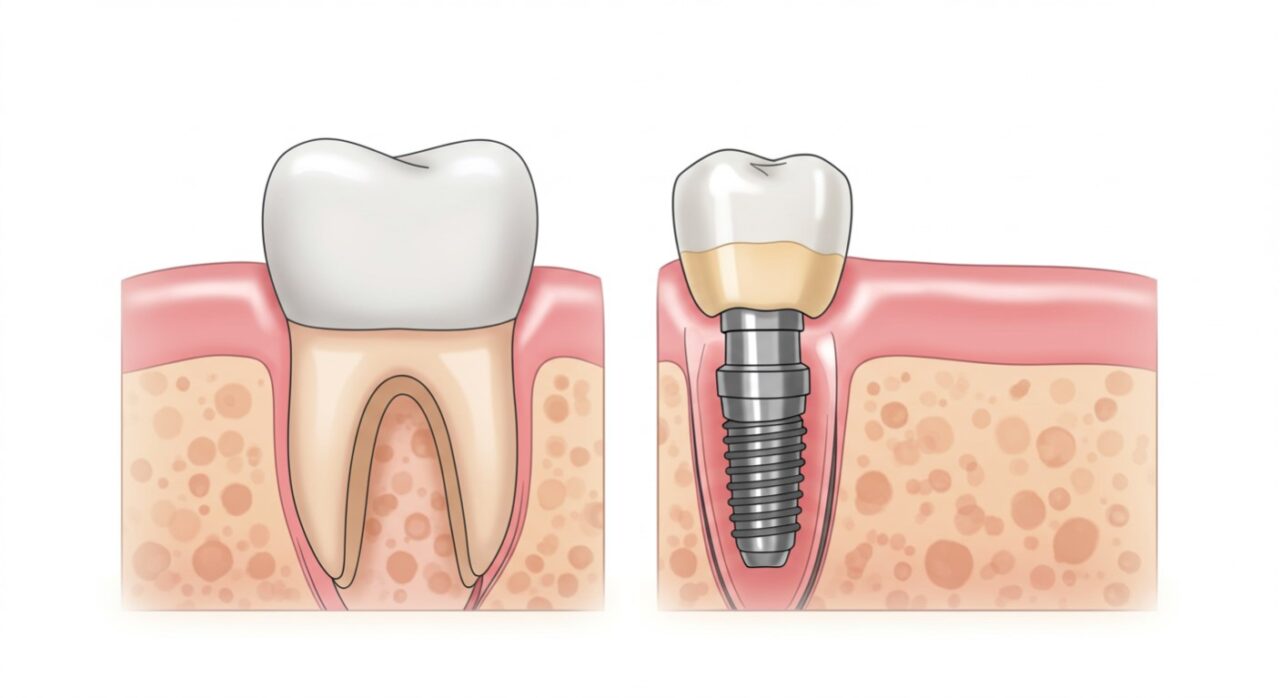
Dental implants are an excellent choice for replacing missing teeth, offering security and a natural appearance that dentures cannot match.
What Are Dental Implants?
Dental implants consist of a titanium post surgically placed in the jawbone to act as a tooth root, supporting crowns, bridges, or dentures.
The implant post anchors the structure, while the abutment, a small connector, sits atop it to secure the crown. The crown itself, typically made of porcelain or ceramic, mimics the look and function of a natural tooth.
This three-component system allows for a durable and aesthetically pleasing result. For best outcomes, choose a qualified oral surgeon and consider maintenance methods such as regular dental check-ups.
With success rates exceeding 95%, dental implants are a reliable long-term solution for tooth replacement.
Benefits of Dental Implants
The benefits of dental implants are better oral health, a better appearance, and more comfort than conventional dentures.
Beyond these benefits, dental implants also provide significant long-term advantages. For instance, they preserve jawbone integrity, preventing bone loss that often occurs with missing teeth.
Patients appreciate looking and feeling natural, which increases their confidence. Unlike traditional dentures, implants do not affect adjacent teeth, preserving their health.
With a lifespan of over 15 years when properly cared for, they offer more durability than removable options. It’s simple to look after them because you can brush and floss them like your natural teeth, making them a practical choice for many people.
Cost of Dental Implants

The prices of dental implants can differ significantly due to several factors, so patients should learn what affects the costs.
Factors Affecting Cost
The overall cost of dental implants depends on where you live, how difficult the procedure is, and any extra treatments you need.
To understand the implications, consider the following factors:
-
Geographic location plays a significant role—urban areas tend to have higher costs due to increased overheads.
-
Type of implant also affects pricing; for instance, endosteal implants are more common and often less expensive than subperiosteal options.
-
Additional procedures such as bone grafts or sinus lifts can significantly increase costs.
-
Dentist’s experience can affect prices, with those having more experience usually asking for higher fees.
-
Quality of materials also matters—titanium implants are generally less expensive than zirconia.
-
NHS coverage is very limited—dental implants are not usually available on the NHS unless there is a clear medical need, so most patients will need to consider private treatment.
A typical cost breakdown might show £1,500 for a standard implant, plus £500 for a graft if needed.
Comparing Costs with Other Options
When compared to dentures or bridges, dental implants may appear more expensive initially, but their long-term value often makes them the preferred choice.
To better understand this, consider the following treatment options:
| Treatment | Average Cost | Lifespan | Maintenance Costs | Pros/Cons |
|---|---|---|---|---|
| Dental Implants | £3,000-£4,500 | 10-15 years | Minimal (check-ups) | Highly durable, natural appearance, retains jawbone |
| All-on-4 Dental Implant Procedure | £7,000-£14,000 per arch | 10-20 years | Minimal (check-ups and hygiene) | Full arch restoration on 4 implants, less invasive than full implants, higher upfront cost |
| Traditional Dentures | £1,000-£3,000 | 5-10 years | Moderate (replacing annually) | Less costly, but can be uncomfortable, may slip |
| Dental Bridges | £2,000-£5,000 | 5-15 years | Low (regular checks) | Restore appearance, but require reshaping adjacent teeth |
While implants involve higher upfront costs, their longevity and low maintenance can make them more cost-effective over time.
Financing Options for Dental Implants

Patients have different ways to pay, helping to make dental implants more affordable.
Payment Plans
Many dental practices offer flexible payment plans that allow patients to spread out the cost of implants over time.
To set up a payment plan, start by discussing financing options with your dentist. Each practice may offer different plans, such as a 12-month or 24-month schedule.
For example, Smile Dental Clinic allows patients to choose a 0% interest plan over a year, while Bright Smiles offers a 12-month plan at 5% interest.
Review the payment timeline and be clear about the interest rates, usually between 0% and 12%. This method reduces costs and improves patient satisfaction.
Credit Options
Credit options, including personal loans and dental credit cards, can help patients cover the costs of dental implants when out-of-pocket expenses are high.
Personal loans average an APR of 10-15%, offering larger sums but with variable repayment terms.
Dental credit cards, such as CareCredit, often offer 0% interest for 6 to 24 months if the balance is paid on time. This makes them appealing for smaller costs.
Dental practices sometimes set up financing plans from external companies, which can have clear conditions but might come with additional costs.
When choosing, consider approval rates: personal loans generally require good credit, while credit cards and third-party options may have flexible requirements, allowing broader access to necessary funds.
Insurance and Dental Implants

Knowing how dental insurance works with implant costs can greatly affect the total price for patients.
Understanding Coverage
Many dental insurance plans provide limited coverage for implants, often requiring patients to pay a significant portion out of their own pocket.
When evaluating a dental insurance policy for implants, focus on key terms such as annual maximums, waiting periods, and exclusions.
For instance, a typical plan might have an annual maximum benefit of £1,500. You may face a waiting period of 6–12 months before coverage begins, which can be critical if you need an implant soon.
Check if the policy specifically excludes implants; some plans classify them as cosmetic procedures.
Blue Cross Blue Shield might pay half of the implant expenses after the waiting period, offering a practical option.
Maximising Benefits
To get the most out of dental insurance for implants, patients should know their policy well and use all available options.
- Start by obtaining a pre-treatment estimate from your dentist to identify the costs covered under your policy.
- Plan your procedures to make the most of your annual benefits. For instance, if you have reached your coverage limit, consider scheduling your implants in separate plan years.
- Using Flexible Spending Accounts (FSAs) can help manage out-of-pocket expenses effectively. One patient reduced their costs by £2,000 by combining an FSA with a phased treatment plan, demonstrating the value of strategic planning in maximising benefits.
Choosing the Right Financing Option

Selecting the correct financing option for dental implants requires a thorough evaluation of individual financial situations and available plans.
Start by reviewing the financing plans offered by your dental provider. Look for details such as monthly payment amounts, interest rates, and the total cost over the life of the loan.
For example, a plan with a £200 monthly payment might seem affordable, but if it has a 15% interest rate, the total cost could exceed £5,000 in two years.
Also, consider third-party financing options like CareCredit or LendingClub, which often provide promotional periods with no interest.
Consider the long-term effects of each choice on your finances to decide wisely.
Frequently Asked Questions
What is dental implant financing and how does it work?
Dental implant financing is a payment option that allows you to spread out the cost of your dental implants over a period of time. Instead of paying the full amount up front, you can make smaller monthly payments until the entire balance is paid off.
What are the benefits of dental implant financing?
Paying for dental implants in instalments has several benefits. It lets you pay gradually instead of a big lump sum. You can choose a payment plan that fits your budget, helping you improve your dental health quickly.
What are the different types of payment plans available for dental implant financing?
There are typically two types of payment plans offered for dental implant financing: traditional instalment plans and interest-free plans. Traditional instalment plans involve paying a fixed monthly amount over a set period of time, while interest-free plans allow you to pay off the balance without accruing any interest.
Are there any credit requirements for dental implant financing?
This will vary depending on the financing company, but generally, most dental implant financing options do require a credit check. Still, people with low credit scores or no credit history can find some choices.
What factors should I consider when choosing a dental implant financing option?
When choosing a dental implant financing option, you should consider the interest rates, payment plans available, any additional fees or charges, and the overall cost of the financing. You should also compare different financing companies to find the best deal for your specific situation.
Can I use my dental insurance to cover the cost of dental implant financing?
It is unlikely that dental insurance will cover the cost of dental implant financing, as it is considered a cosmetic procedure. Your insurance might help pay for part of the implant procedure. It’s best to check with your insurance provider to see what is covered under your plan.
Leave a Reply