
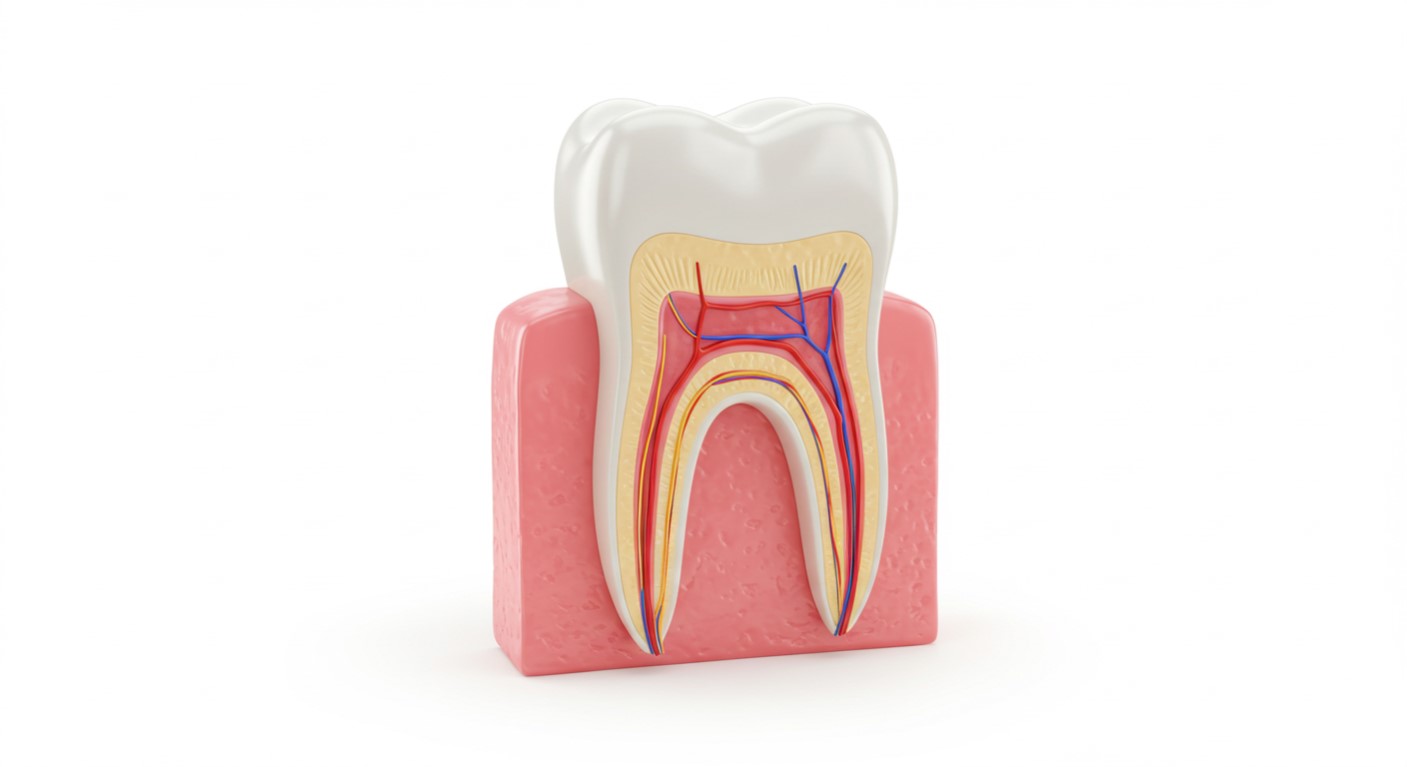
How Does Composite Bonding Work?
Composite bonding has changed dental aesthetics, providing a fast and effective method to improve smiles. It’s important to understand how this process works, especially if you plan to handle it on your own.
We’ll look at the materials involved and the process for how composite bonding is applied, along with its advantages and possible downsides. Get ready to find useful information that could change how you handle dental care!
Definition and Purpose
Composite bonding uses a resin that matches the colour of teeth to fix or improve the appearance of teeth that are broken or stained.
This technique is primarily used for three main purposes:
- repairing tooth decay
- correcting chipped or broken teeth
- improving the overall appearance of a smile
The bonding material can be shaped and polished to match surrounding teeth, providing a seamless finish. Dentists often use tools like dental resin that matches the tooth color and special lights to make sure the bond is strong and looks appealing.
Composite bonding is a quick and effective solution for patients because it involves minimal removal of tooth structure compared to crowns or veneers.
Common Applications
Common applications of composite bonding include filling cavities, repairing chipped or cracked teeth, and closing gaps between teeth.
Dentists often use composite bonding to resolve various dental issues. For instance, it is commonly used to restore teeth affected by decay, with materials that can match the natural tooth colour, providing an aesthetic solution.
Dentists frequently employ bonding to repair fractures, enhancing both the strength and appearance of the tooth. Fixing gaps in front teeth can improve a person’s smile and increase their confidence.
These useful techniques are important in restorative dentistry, showing how bonding can improve both function and appearance in daily practice.
Materials Used in Composite Bonding
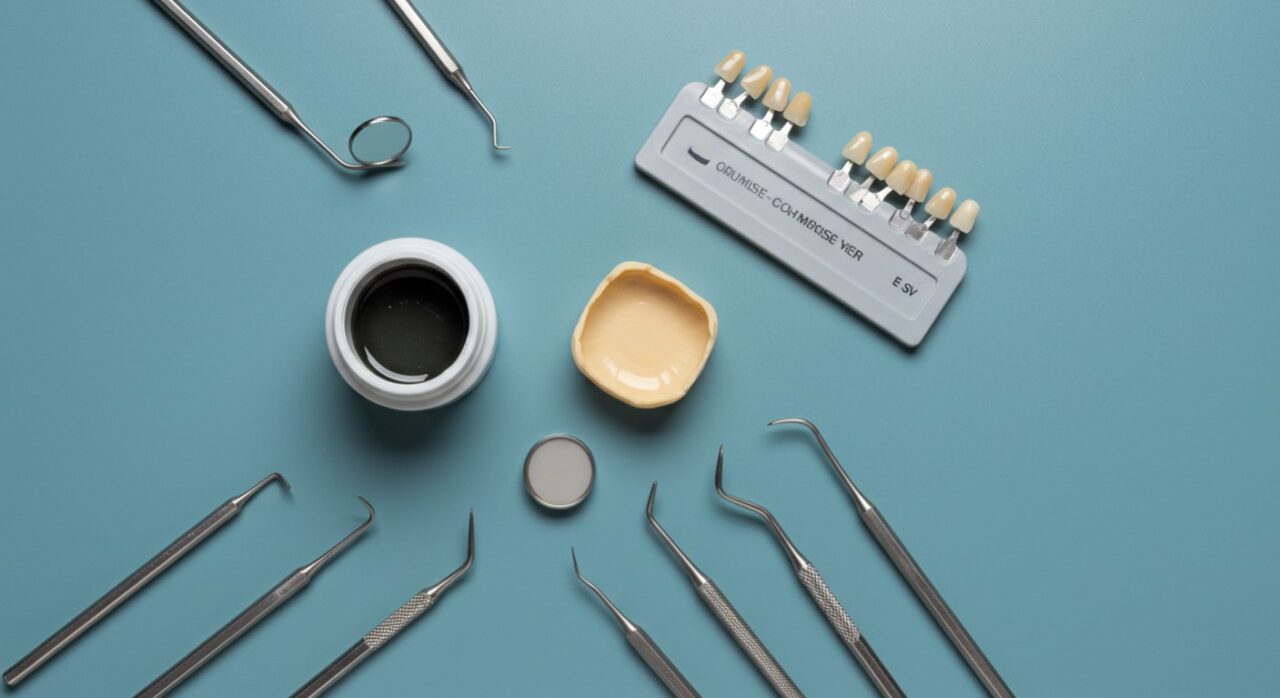
The materials chosen for composite bonding play a major role in how the procedure appears, how long it lasts, and how effective it is overall.
Types of Composite Resins
There are different kinds of composite resins, such as micro-filled, macro-filled, and hybrid composites, each with unique features and applications.
Micro-filled composites, such as 3M Filtek, are excellent for producing highly polished surfaces and are ideal for anterior restorations due to their aesthetic appeal.
Macro-filled composites aren’t as common now, but they are strong and work well for molars, making them a good choice for difficult spots.
Hybrid composites, like those from Ivoclar Vivadent, provide both strength and good looks, making them useful for fixing teeth in both the front and back of the mouth.
When choosing, think about where the filling will go, how it should look, and what the patient wants to get the best outcome.
Bonding Agents
Bonding agents are essential for strong attachment between the composite material and the tooth structure.
There are three primary types of bonding agents: total-etch, self-etch, and universal adhesives.
Total-etch bonding agents like OptiBond FL need enamel etching and provide strong bonds, making them good for direct composite applications.
Self-etch agents, such as Scotchbond Universal, simplify the process by eliminating the etching step, which can save time but may vary in bond strength.
Universal adhesives offer versatility, allowing dentists to use them in different bonding techniques. Choosing the right type depends on your clinical needs and preferences, balancing between ease of use and strength.
The Composite Bonding Process
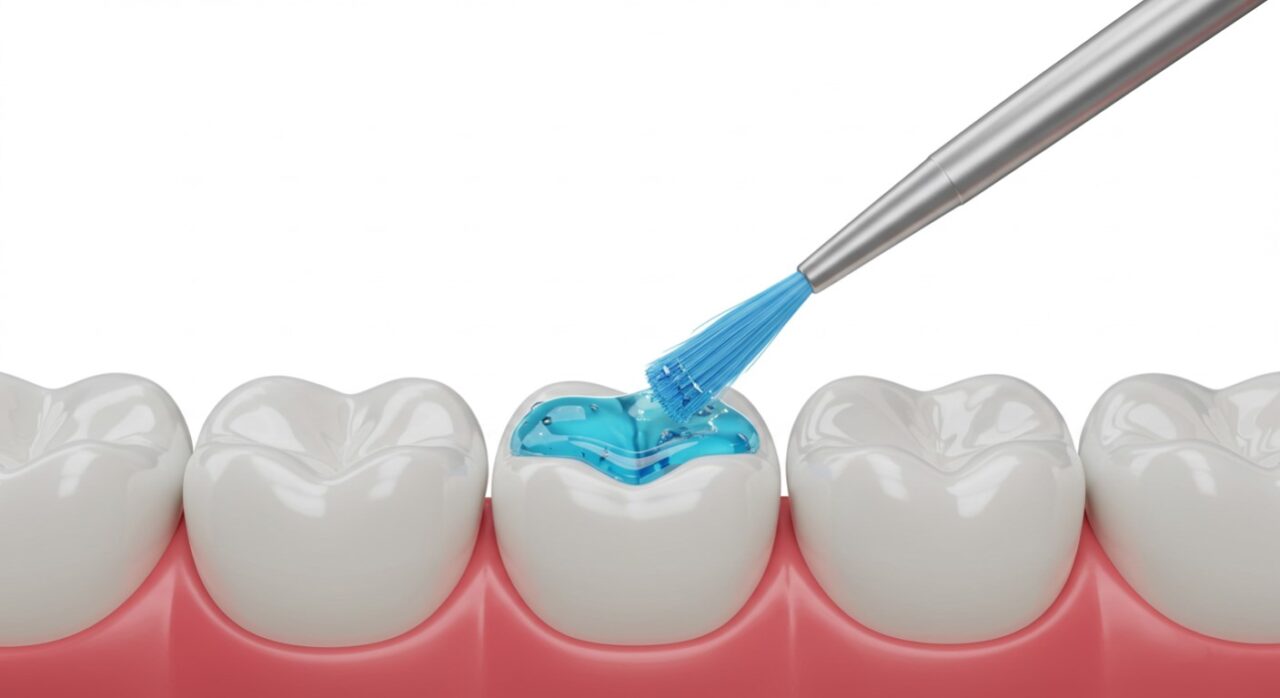
The steps involved in composite bonding are carefully followed to ensure it is long-lasting and firmly attached to the tooth.
Preparation of the Tooth Surface
Proper preparation of the tooth surface is essential for the successful application of composite materials, enhancing adhesion and longevity.
- Start by thoroughly cleaning the tooth surface with a handpiece and a diamond bur to remove any plaque or debris.
- Next, etch the enamel using a 37% phosphoric acid gel for approximately 15 seconds to create micro-retentive patterns. Rinse the etch thoroughly and dry the surface with an air syringe, ensuring it remains slightly moist to improve bond strength.
- Instruments like a dental probe can help identify impurities before bonding. This process usually takes a few minutes and is important for the best results.
Application of Composite Material
Using composite material requires a careful technique to achieve a smooth surface and shape that matches the natural tooth.
- Start by applying the composite bit by bit, using composite syringes for accuracy. Each layer should be cured with a dental curing light for optimal hardness.
- Use finishing burs to smooth the edges of the material, then use polishing discs to give it a natural shine. For best results, always examine the surface under a dental loupe to spot imperfections before the final polish.
Regular use of these techniques will improve your efficiency and results in composite applications.
Curing Process
Hardening the composite material with a specific light is an essential step that makes the resin firm and long-lasting.
There are primarily two types of curing lights used: LED and halogen. LED lights cure resin faster, typically in 30 seconds to 1 minute, whereas halogen lights take about 40 seconds to 2 minutes.
The science behind this process is based on photoinitiators in the resin that trigger a polymerisation reaction when exposed to the specific light wavelength. For effective curing, choose a light that matches the resin’s requirements.
Frequently examine the brightness and placement of the light to keep the results steady and at their best, which helps the restoration last longer.
Benefits of Composite Bonding

Composite bonding has many benefits, so it’s often chosen by those who want to improve both the appearance and function of their teeth.
Aesthetic Advantages
One of the primary advantages of composite bonding is its ability to closely match the natural colour and texture of teeth, providing seamless aesthetic results.
This method allows dentists to choose a custom colour, enabling them to blend different shades to match the adjacent teeth.
The translucency of composite materials mimics the natural light reflection of enamel, enhancing the overall appearance.
To get the best outcomes, experts often use tools like a shade guide to precisely match colors.
The ability to shape the composite material allows for moulding to match the natural appearance of teeth, ensuring the result looks realistic and fits well with your smile.
Durability and Longevity
Composite bonding is known for its impressive durability, with properly applied restorations lasting between 5 and 10 years, depending on care.
To keep composite bonding in good condition for a long time, have regular dental check-ups. Dentists can detect and address issues early, preventing greater damage.
Patients should maintain good oral hygiene by brushing twice daily with fluoride toothpaste and flossing regularly. Avoiding hard foods can also help; for example, refrain from chewing ice or hard sweets, which can chip the bonding material.
Studies show that consistent care and regular maintenance can extend the life of these restorations, reinforcing their effectiveness and reliability.
Potential Risks and Considerations
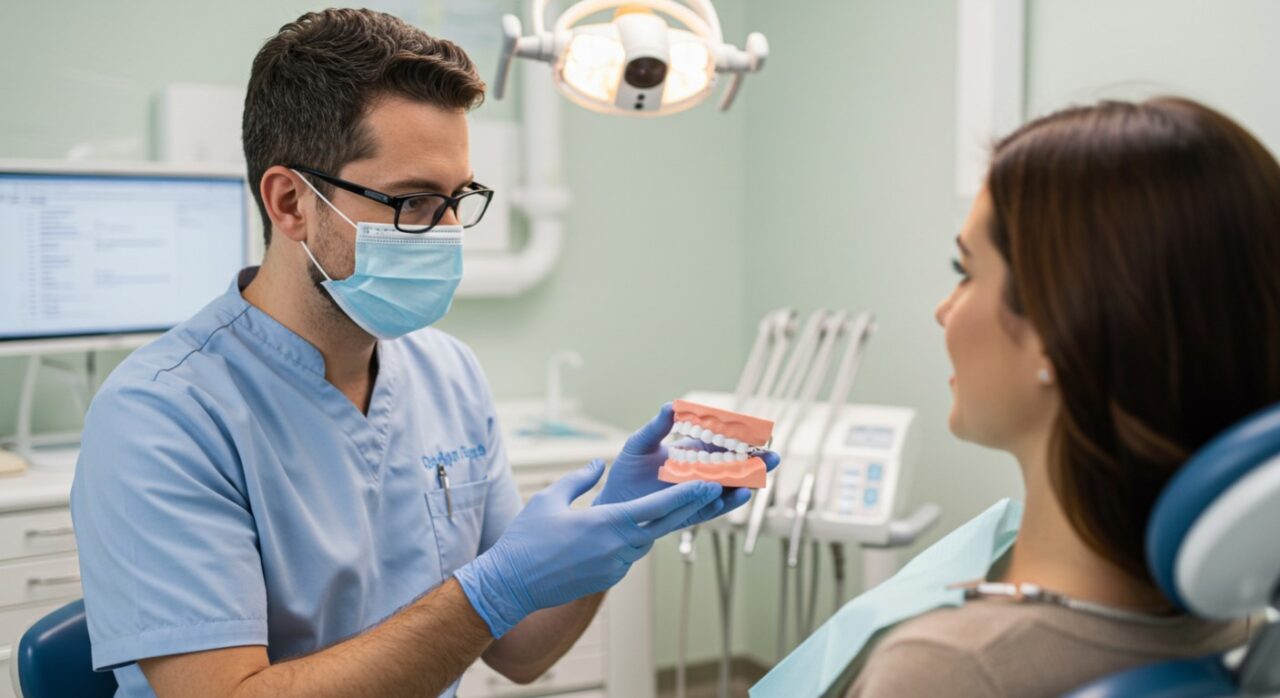
Although composite bonding is usually safe, patients should be aware of possible risks and factors to consider before proceeding with the treatment.
Allergic Reactions
Some patients may experience allergic reactions to materials used in composite bonding, highlighting the need for thorough assessments prior to treatment.
Common materials, such as methacrylate resins, nickel, and certain adhesives can provoke sensitivities. To reduce risks, healthcare providers should take a thorough patient history and perform allergy tests if necessary.
For example, patch testing can identify sensitivities before proceeding with bonding. Using materials that are safe for the body and choosing options that do not cause allergic reactions can improve patient safety.
Always discuss alternative treatments with patients who have a known history of allergies, ensuring an informed choice that prioritises their health and comfort.
Maintenance and Care
Proper maintenance and care of composite bonded teeth are essential for prolonging their lifespan and maintaining aesthetic appeal.
To care for your composite bonds, establish a solid oral hygiene routine. Use a non-abrasive toothpaste and a soft-bristled toothbrush to gently clean your teeth twice daily.
Using an antibacterial mouthwash can improve oral care by preventing plaque from forming around the bonded areas. Consider using dental tools such as interdental brushes to clean hard-to-reach spaces.
You should visit the dentist every six months to check your composite bonds and fix any wear or damage early.
Frequently Asked Questions
How does composite bonding work?
Composite bonding is a cosmetic dental procedure in which a tooth-coloured composite resin material is applied to the surface of a tooth and then bonded or cured with a special light. This helps to improve the appearance of the tooth by fixing imperfections such as chips, cracks, or discolouration.
What is the process of composite bonding?
Composite bonding includes a series of steps. First, the dentist will select a shade of composite resin that matches the colour of your natural teeth. Then, the tooth will be prepared by lightly etching the surface to create a rough texture. The composite resin will then be applied and shaped to the desired shape and size before being hardened with a special light. Finally, the tooth will be polished to give it a natural appearance.
Is composite bonding a painful procedure?
No, composite bonding is usually a painless procedure. The tooth may be slightly etched, which can cause some sensitivity, but this is temporary and should subside after the procedure is complete. Your dentist may also use a local anaesthetic to numb the area if necessary.
How long does composite bonding last?
Composite bonding can last anywhere from 4-8 years with proper care. The lifespan of the bonding can differ based on where the tooth is located, how you care for your teeth, and habits that might put extra pressure on the bonded tooth, like biting nails or chewing hard items.
Can composite bonding fix any imperfections?
Composite bonding is great for fixing minor imperfections such as chips, cracks, or discolouration. However, it might not be right for more serious situations. Your dentist will be able to assess your specific needs and determine if composite bonding is the right option for you.
Are there any risks or side effects of composite bonding?
Generally, composite bonding is a safe procedure with minimal risks. However, some patients might feel slight tooth sensitivity or discomfort if the bonding material is not applied correctly. You should follow your dentist’s aftercare instructions to get the best outcome and reduce any possible risks or side effects.
Leave a Reply