

How Long Do Dental Fillings Last in the UK?
Dental fillings do more than simply repair cavities; they are important for keeping your teeth healthy. Knowing how long do fillings last in the UK is important for anyone wanting to maintain their dental health.
This article looks at the types of fillings you can get, reasons why they may wear out, and how to tell if you need a new one. Learn ways to make your fillings last longer and maintain healthy teeth.
Definition and Purpose
A dental filling is a material used to restore the function, integrity, and morphology of missing tooth structure caused by dental caries or external trauma.
Fillings serve a critical role in restorative dentistry. They stop cavities from getting worse and restore the tooth’s original shape and strength, preventing further decay or potential tooth loss.
If cavities are not treated, they can lead to intense pain, infections, and expensive procedures like root canals. Quick dental treatment with materials like composite, amalgam, or glass ionomer can keep your teeth safe.
Composite fillings are designed to look like your natural teeth, which makes them a suitable option for front teeth. Amalgam fillings are strong, so they are effective for back teeth that do more chewing.
Common Types of Fillings
The most common types of dental fillings include:
- Amalgam
- Composite resin
- Glass ionomer
- Ceramic
Each with unique properties and uses.
Amalgam fillings are durable and budget-friendly, which makes them a suitable choice for back teeth. They typically cost between £50 and £150 each.
Composite resin offers a natural appearance and is perfect for front teeth, typically costing between £90 and £250.
Glass ionomer fillings release fluoride, aiding tooth protection, and are often used for children or temporary solutions, ranging from £60 to £130.
Ceramic fillings are aesthetic and durable but can be pricier, usually between £250 and £600.
Consider your dental health, location, and budget when choosing among these options.
Factors Influencing Filling Longevity

The lifespan of dental fillings depends on various factors. These include the type of material, where the filling is located in the mouth, and how well the individual looks after their teeth.
Material Type
The type of material used for a filling significantly affects its lifespan, with amalgam typically lasting 10-15 years and composite fillings averaging 5-7 years.
Ceramic fillings can provide even more durability, lasting up to 15 years, and are often preferred for front teeth due to their aesthetic appeal.
Glass ionomer fillings, while less durable (lasting about 5 years), are advantageous for patients who may have difficulty maintaining oral hygiene because they release fluoride and strengthen surrounding teeth.
When deciding, consider your dietary habits and oral health; amalgam is preferable for back teeth in heavy chewers, while composite may be suited for those prioritising appearance.
Location in the Mouth
Fillings placed in high-pressure areas, such as molars, may wear down faster than those in lower-stress locations, like front teeth.
This increased wear is primarily because molars handle forces from chewing and grinding food.
For instance, composite resins, often used for anterior fillings, hold up well in lower-stress situations but may not last as long in molars.
Conversely, materials like amalgam, although less aesthetic, are more durable and suitable for high-pressure areas.
Selecting the appropriate material based on where it will be used and the expected pressure can help dentists improve the lifespan of their work.
Regular check-ups can also catch early signs of wear, ensuring timely replacements.
Oral Hygiene Practices
Maintaining excellent oral hygiene practices, including regular brushing and flossing, can significantly prolong the life of dental fillings.
- Use fluoride toothpaste and a toothbrush with soft bristles to carefully brush your teeth at least twice daily.
- Floss daily to eliminate plaque between fillings and adjacent teeth.
- Consider using an antibacterial mouthwash to further reduce bacterial build-up.
- Schedule a dental cleaning every six months. This allows your dentist to inspect your fillings and address any issues before they become serious.
This proactive approach keeps your fillings in place and also improves your overall oral health.
Average Lifespan of Different Fillings
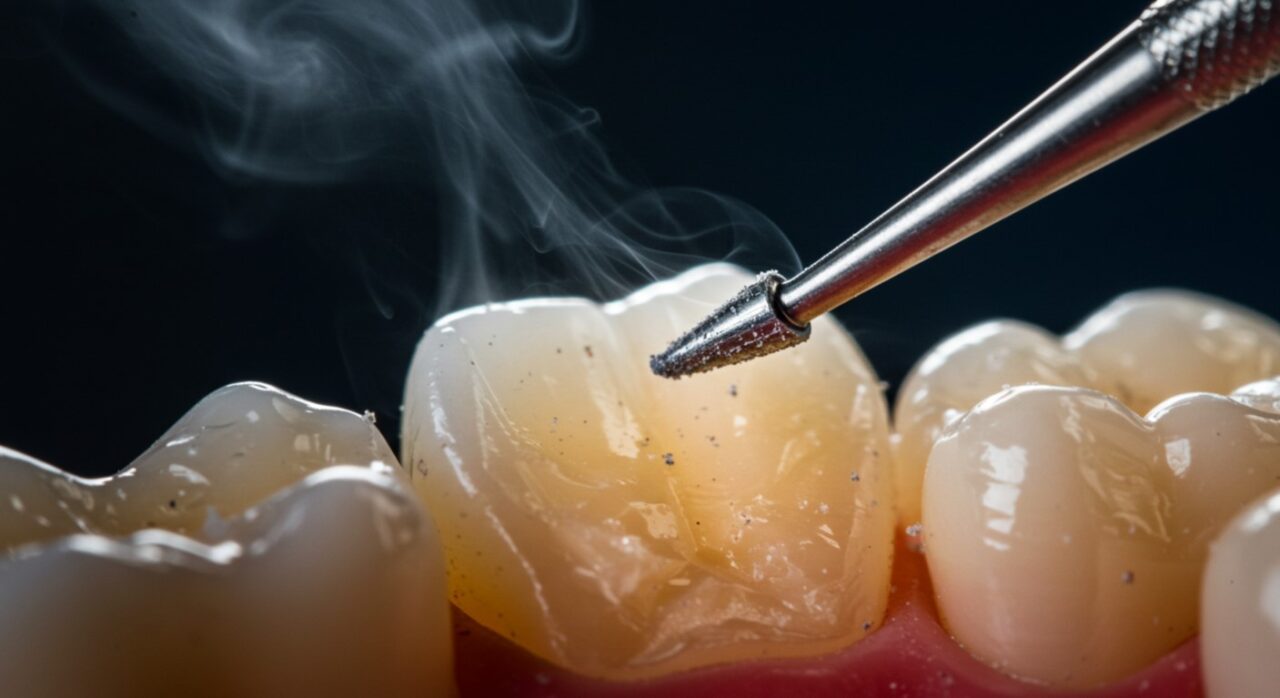
The typical lifespan of dental fillings depends on the material. Amalgam, composite, and ceramic fillings last for different lengths of time.
Amalgam Fillings
Amalgam fillings, made from a mix of metals, usually last 10-15 years, making them a durable option for molars.
Typically composed of mercury, silver, tin, and copper, amalgam fillings are favoured for their strength and resistance to wear. They are cost-effective, averaging between £60-£100 per filling, which makes them an accessible choice for many patients.
Considerations include aesthetic preference, as amalgam can be more noticeable than resin composites. Patients who prioritise longevity and resilience, especially for back teeth, often opt for these fillings.
Regular dental check-ups can help maintain your teeth and gums, catching any problems early.
Composite Fillings
Composite fillings, which blend resin with glass particles, typically last about 5-7 years but offer superior aesthetics compared to amalgam options.
These fillings are great for fixing visible cavities. They can be colored to blend with nearby teeth, making them hard to see.
They do require a higher investment, averaging between £100-£200 per filling, which can be a drawback for some patients.
While they are durable, they may not withstand high chewing pressures as effectively as amalgam fillings. For patients prioritising appearance, the trade-off for longevity is often worth it; proper oral hygiene can extend their lifespan.
Ceramic Fillings
Ceramic fillings can last more than 15 years and are often favoured for their natural appearance and resistance to staining.
These fillings blend well with tooth enamel, making them a common choice for patients concerned about how their teeth look.
Although the cost is between £250 and £350 for each filling, spending this amount can be a good choice for those wanting a durable and attractive result.
Ceramic fillings are highly durable and resist wear over time, maintaining their integrity well under scrutiny.
For the best outcome, make sure you go to a dentist who knows about this material. Their skills are essential for long-term success and a nice look.
Signs That Fillings Need Replacement

Noticing when fillings need to be replaced is important for keeping teeth healthy.
Ignoring damaged fillings can lead to further decay or other problems.
Visible Wear and Tear
Visible wear and tear on fillings, such as cracks or chips, can indicate the need for replacement to avoid further dental issues.
Along with visible damage, sensitivity to hot or cold temperatures can signify failing fillings. If you feel discomfort when eating these foods or drinks, it’s time to speak to your dentist.
Discolouration around the filling may also suggest deterioration, as it could indicate decay underlying the filling. If you see any of these signs, make an appointment quickly to avoid problems.
Regular dental check-ups also allow you to keep an eye on your fillings; your dentist can offer solutions that suit your needs.
Tooth Sensitivity
Increased tooth sensitivity to hot or cold can signal that a filling is compromised and may require replacement.
This sensitivity often indicates that the seal around the filling has degraded, allowing temperature changes or bacteria to affect the nerve endings.
If you have long-lasting sensitivity, make sure to see a dentist straight away. They may perform tests to evaluate the filling, such as checking for cracks or decay.
Not addressing these symptoms can cause worse problems like infections or losing teeth. Using a desensitising toothpaste in the interim may help alleviate discomfort, but it’s not a substitute for professional evaluation.
Maintaining Filling Longevity

Looking after your teeth and going for routine dental exams helps fillings last longer and keeps your mouth in good condition.
Regular Dental Check-ups
Going to the dentist twice a year can find problems with fillings early, allowing timely replacement if needed.
During these visits, your dentist will examine the condition of your fillings and surrounding teeth, looking for signs of wear or decay. They may use X-rays to detect underlying problems not visible to the naked eye.
If necessary, they can recommend specific treatments, such as repairing or replacing a filling. Regular dental check-ups protect your current dental treatment and help improve your oral health by addressing problems early on.
Proper Oral Hygiene
Taking good care of your teeth by brushing twice a day and flossing daily helps dental fillings last longer.
To improve your oral care routine, use fluoride toothpaste and a soft-bristled toothbrush. They clean effectively without harming your enamel.
Flossing is essential; choose waxed floss for convenience, as it glides between teeth effortlessly. Incorporating an antibacterial mouthwash can reduce plaque build-up.
For a sample routine, follow these steps:
- Brush in the morning and evening.
- Floss after meals.
- Rinse with mouthwash once a day.
Going to the dentist every six months catches issues early, helping your fillings stay strong for a longer time.
Summary of Key Points
Key points include the types of fillings available, factors affecting their longevity, and essential practices for maintaining their functionality.
When selecting fillings, consider options such as:
- amalgam
- composite resin
- porcelain
Amalgam is very strong, which makes it suitable for molars, while composite resin resembles natural teeth and is effective for front teeth.
To prolong the life of your fillings, maintain strict oral hygiene by brushing twice daily and flossing. Going to the dentist twice a year helps find issues before they become serious.
Avoiding hard foods and excessive sugary snacks can prevent unnecessary wear and tear on your dental work.
Frequently Asked Questions
how long do dental fillings last in the UK?
The lifespan of fillings can vary depending on the type of material used, the location in the mouth, and the individual’s oral hygiene habits. Generally, fillings can last anywhere from 5-15 years in the UK.
What types of fillings are available in the UK?
There are different types of fillings available in the UK, such as amalgam (silver) fillings, composite (tooth-colored) fillings, ceramic fillings, and glass ionomer fillings. Your dentist will recommend the best option for your specific needs.
Do fillings ever need to be replaced?
Yes, fillings may need to be replaced if they become loose, cracked, or damaged. Over time, fillings can wear down and need to be replaced. Regular dental check-ups can help detect any issues with fillings before they become problematic.
What are the signs that a filling may need to be replaced?
If you experience pain or sensitivity around the filling, notice a change in the filling’s appearance, or have difficulty biting or chewing, it may be a sign that the filling needs to be replaced. It is important to schedule an appointment with your dentist to address any concerns.
How can I make my fillings last longer?
To make your fillings last, it’s important to take care of your teeth by brushing twice a day and flossing every day. Limiting sugary and acidic foods and drinks can also help prevent damage to fillings. Regular dental check-ups and cleanings can also catch any issues with fillings before they become more significant problems.
Is there anything I should avoid after getting a filling in the UK?
After getting a filling, it is best to avoid hard, sticky, and chewy foods for the first 24 hours. These types of foods can put excessive pressure on the filling and cause it to become loose or dislodged. It is best to stick to a soft diet during this time and gradually reintroduce harder foods as the filling sets.
Leave a Reply