
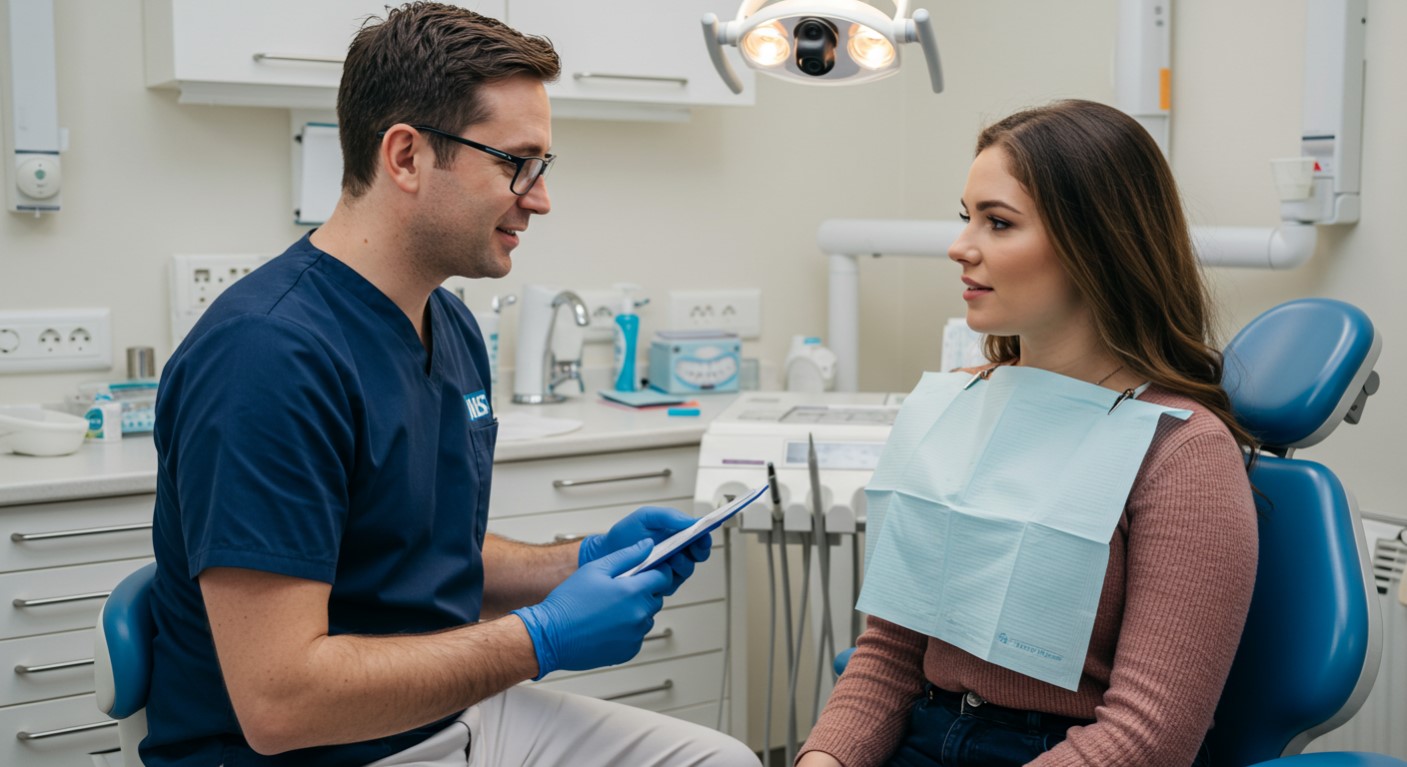
How to Get Free Dental Implants on NHS
Missing teeth can impact both your smile, self-esteem, and self-esteem. Knowing how to obtain free dental implants through the NHS can lead to better opportunities.
This guide explains how to get free dental implants on NHS, and how to understand the process to potentially get free treatment. With options like charitable organisations and dental schools, you’ll find ways to restore your smile at an affordable cost. Read on to find out more!
What Are Dental Implants?
Dental implants are titanium posts surgically placed into the jawbone, acting as artificial roots for missing teeth, with a success rate of up to 98%.
These implants connect with the bone through a process called osseointegration, ensuring stability and strength.
There are primarily two types:
- Endosteal implants, which are placed directly into the jawbone,
- Subperiosteal implants, which sit on top of the bone beneath the gum tissue.
Endosteal implants are the most common and suitable for patients with sufficient jawbone density, whereas subperiosteal implants may be used for those with less bone volume. Your dentist will assess your specific situation to determine the most appropriate option.
Importance of Dental Health
Looking after your teeth and gums matters because it influences your general health. Studies indicate a link between oral health and illnesses like heart disease.
Ignoring dental health can lead to other medical problems. Research indicates that people with gum disease are 20-30% more likely to develop heart disease. Visiting the dentist twice a year can catch issues early, reducing the chance of major problems.
Brushing your teeth twice a day and flossing regularly can improve your life by preventing pain and infections. This can guide you to choose healthier foods and improve your well-being.
Small daily actions can greatly improve your health initiatives.
NHS Dental Services Overview

NHS dental services offer different treatments so that everyone can get the dental care they require, especially for people who cannot pay for it.
Eligibility for NHS Dental Care
Eligibility for NHS dental care primarily depends on factors such as age, income, and specific health conditions, ensuring that vulnerable populations receive necessary treatments.
To qualify for NHS dental care, individuals must meet certain criteria. Children under 18, pregnant women, and those receiving specific benefits such as Universal Credit or Income Support are generally eligible.
Income limits are important; for example, people earning less than £18,000 a year might be eligible for lower fees or free services. Check local NHS resources for the correct information, as rules may vary depending on where you are.
Completing a medical exemption form may also be necessary for those with specific health conditions.
Types of Treatments Covered
The NHS provides a wide range of dental services, from routine check-ups to complex treatments like oral surgery, ensuring complete care for all.
Among preventive treatments, regular check-ups and scaling are essential for maintaining oral health, aimed at avoiding decay.
Restorative options address existing issues; for instance, fillings repair cavities, while crowns restore damaged teeth.
Surgical procedures, such as wisdom teeth extraction, are performed when other treatments are not viable.
Be aware that coverage can differ, and some advanced restorative treatments may require extra payments based on the patient’s particular needs.
Understanding Dental Implant Costs

Knowing how much dental implants cost is important for planning your budget.
Prices can vary greatly depending on the materials used and where the clinic is situated.
Typical Costs of Dental Implants
On average, dental implants can cost between £2,000 and £3,000 per tooth in the UK, factoring in surgery, materials, and follow-up care.
The overall cost consists of different components:
- The implant itself typically ranges from £1,000 to £1,500.
- The abutment can add £300 to £500.
- The crown usually costs between £700 and £1,000.
For patients who find dental implants too costly or unsuitable, there are alternatives such as bridges, partial dentures, or the All-on-4 dental implant procedure for full-arch replacement. Each option has its own advantages and limitations, so it’s best to discuss them with your dentist to determine the most practical solution for your needs.
Financial Assistance Options
You can get help paying for dental implants through government programs, charities, and dentist payment plans.
In the UK, eligible patients can access NHS funding for dental implants, which typically covers a portion of the treatment cost.
Community dental services offer support for individuals with special needs or those experiencing financial hardship. Charitable organisations such as the Dental Health Foundation offer grants to help patients get the dental procedures they need.
To apply, gather relevant documentation such as income statements and complete the application forms available on their websites.
For NHS funding, visit your local NHS authority’s website for specific guidelines and contact information.
How to Access Free Dental Implants

To get free dental implants through the NHS, you must complete specific steps to check if you qualify for financial help and the treatments provided.
Steps to Register with NHS Dentist
Signing up with an NHS dentist usually means completing a form and showing proof that you qualify. This makes it easier to obtain the services you need.
To register, start by locating a nearby NHS dentist through the NHS website. Prepare essential documents such as proof of identity (passport or driving licence) and proof of address (utility bill or bank statement).
Next, complete the registration form either online or in person. This process usually takes about 30 minutes to an hour, though registration may take a few days to finalise.
Once registered, you can schedule your first appointment within a week, ensuring timely access to dental care.
Criteria for Free Treatment
To qualify for free dental treatment under the NHS, individuals must meet specific criteria, primarily related to income and medical circumstances.
Eligibility for free dental treatment depends on specific criteria. Individuals claiming certain benefits, such as Income Support or Universal Credit, automatically qualify.
Those under 18 or pregnant women are typically entitled to free treatment. To prove eligibility, applicants must provide documentation such as benefit award letters or payslips demonstrating income below the threshold, which is currently around £16,000.
For example, a single parent on Income Support with two children would need to show their current benefit status to access these services free of charge.
Alternative Options for Dental Implants
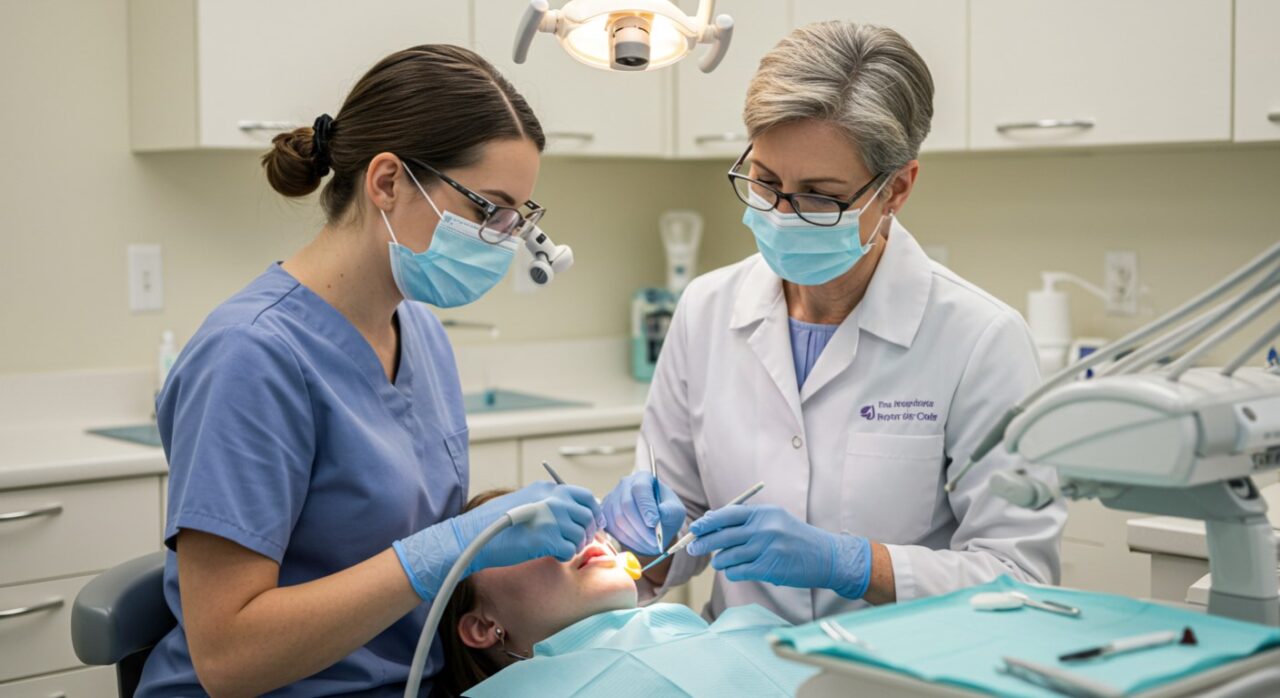
Aside from NHS services, you can obtain dental implants through charitable organisations and dental schools.
Charitable Organizations
Many charities offer dental implants at no charge or at lower prices, particularly for individuals with limited financial resources and families in need of dental help.
Notable charities include the Dental Lifeline Network, which provides access to dental care through a network of volunteer dentists. Eligibility typically requires proof of income and residency.
Another option is the Mission of Mercy, which hosts free clinics offering various dental services, including implants. To apply, individuals should check local clinic schedules and arrive early.
Projects like Smiles for Everyone provide dental care to those in need, greatly improving community health.
Dental Schools and Clinics
Dental schools usually have dental implant services at a lower price because students carry out the work under the supervision of their instructors, which makes them a budget-friendly choice for many people.
In the UK, institutions such as King’s College London Dental Institute and the University of Glasgow Dental School offer these services. Patients typically pay a fraction of private practice prices, often ranging between £400 and £1,000 for implant procedures.
Appointments usually require a prior assessment, which can be scheduled online or by phone. While the experience may vary, many patients appreciate the thorough care provided, noting that students are eager to learn and dedicated to achieving the best outcomes.
Consulting with a Dentist
Consulting a qualified dentist is essential to assess your situation and determine the best course of action for dental implants.
To make the most of your dental consultation, prepare a list of specific questions. Start by asking about the dentist’s experience with implants, including the number placed and the success rate.
Inquire about the various types of implants available, as well as the procedure timeline and recovery expectations. It is also wise to discuss potential costs and payment options.
After receiving their recommendations, evaluate them by considering reviews from previous patients and asking to see before-and-after photographs of previous work. This will help you choose a dentist who fits your requirements.
Maintaining Oral Health Post-Implant
It’s essential to look after your mouth properly after getting dental implants so they last a long time. This includes proper cleaning and visiting the dentist regularly.
- To maintain your implant’s health, brush daily with a toothbrush having soft bristles and fluoride toothpaste.
- Invest in dental products like Waterpik for effective flossing around implants and consider using an antibacterial mouthwash.
- Visit your dentist twice a year for cleaning and check-ups. During these visits, your dentist can check for any signs of infection or bone loss.
By regularly following these care steps, your dental implants will last longer.
Frequently Asked Questions: How to Get Free Dental Implants on NHS
What is the NHS and how does it cover dental implants?
The National Health Service (NHS) is the publicly funded healthcare system in the United Kingdom. It provides coverage for necessary dental treatments, including dental implants, for eligible individuals through the NHS Dental Services.
Am I eligible for free dental implants on the NHS?
Getting free dental implants through the NHS depends on a few things, including your dental needs, your health background, and your financial circumstances. Generally, those who have a clinical need for dental implants and cannot afford to pay for them privately may be eligible for the procedure on the NHS.
How can I find out if I am eligible for free dental implants on the NHS?
To determine your eligibility for free dental implants on the NHS, you will need to schedule an appointment with an NHS dentist. During the appointment, the dentist will assess your dental needs and financial status. They will let you know if you can have the procedure through the NHS or if you need to look into other choices.
Are there any other requirements to receive free dental implants on the NHS?
Along with meeting the eligibility criteria, you must also be registered with an NHS dentist and be receiving regular dental care from them. The NHS Dental Services require individuals to maintain good oral health to qualify for the coverage of dental implants and other procedures.
Are there any alternatives to getting free dental implants on the NHS?
If you do not qualify for free dental implants on the NHS, consider looking into other ways to pay for the procedure. You might consider options like dental insurance, payment plans for dental care, or looking for affordable or charity-based dental clinics nearby.
What should I do if I am not happy with the dental implants provided by the NHS?
If you are not satisfied with the dental implants provided by the NHS, you can discuss your concerns with your dentist. They may be able to make adjustments or offer alternative solutions. If you are still not satisfied, you can make a complaint to the NHS and request a second opinion from another dentist.
Leave a Reply