
Is Composite Bonding Worth It?
Looking for a smile makeover that won’t break the bank? Composite bonding might catch your interest. This popular dental procedure offers aesthetic benefits with minimal invasiveness, but many people still ask, Is composite bonding worth it when compared to other treatments.
We’ll look at its benefits, possible downsides, and how it compares to other options like veneers and crowns. You’ll better understand if spending money on composite bonding is justified.
Definition and Purpose
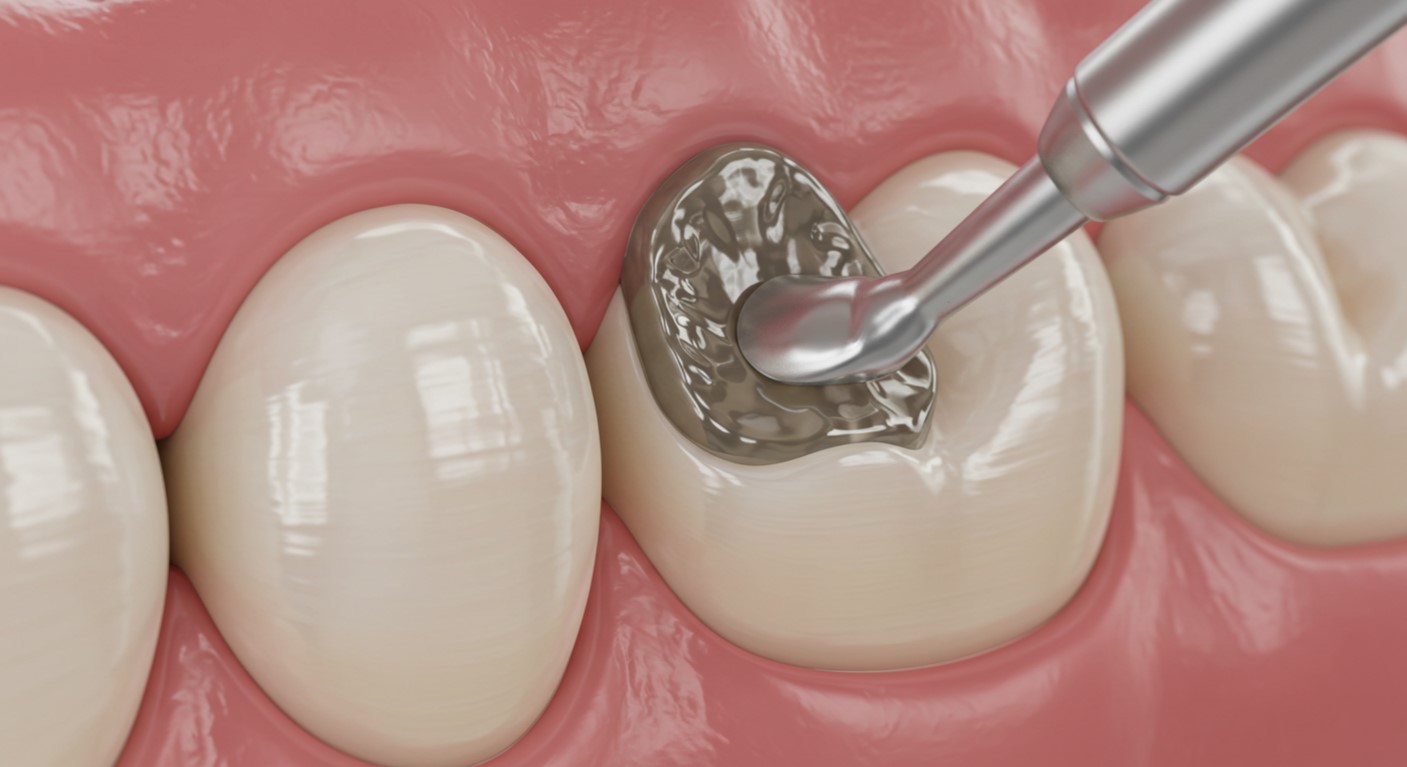
Composite bonding involves applying a tooth-coloured composite resin to repair chipped, cracked, or discoloured teeth, offering a seamless solution for aesthetic improvements.
The bonding process begins with a detailed dental check-up to determine if it is appropriate. Next, the teeth are cleaned and etched to help the material adhere better.
The resin is then carefully shaped to fit the tooth’s natural form and colour. After the application, a special light cures the resin, hardening it for durability.
This procedure improves your smile and restores tooth function, so you can bite and chew normally.
Maintenance includes regular dental check-ups and avoiding staining foods to preserve the bond’s appearance.
Common Applications
Common applications of composite bonding include correcting gaps between teeth, reshaping misshapen teeth, and restoring chipped or cracked teeth.
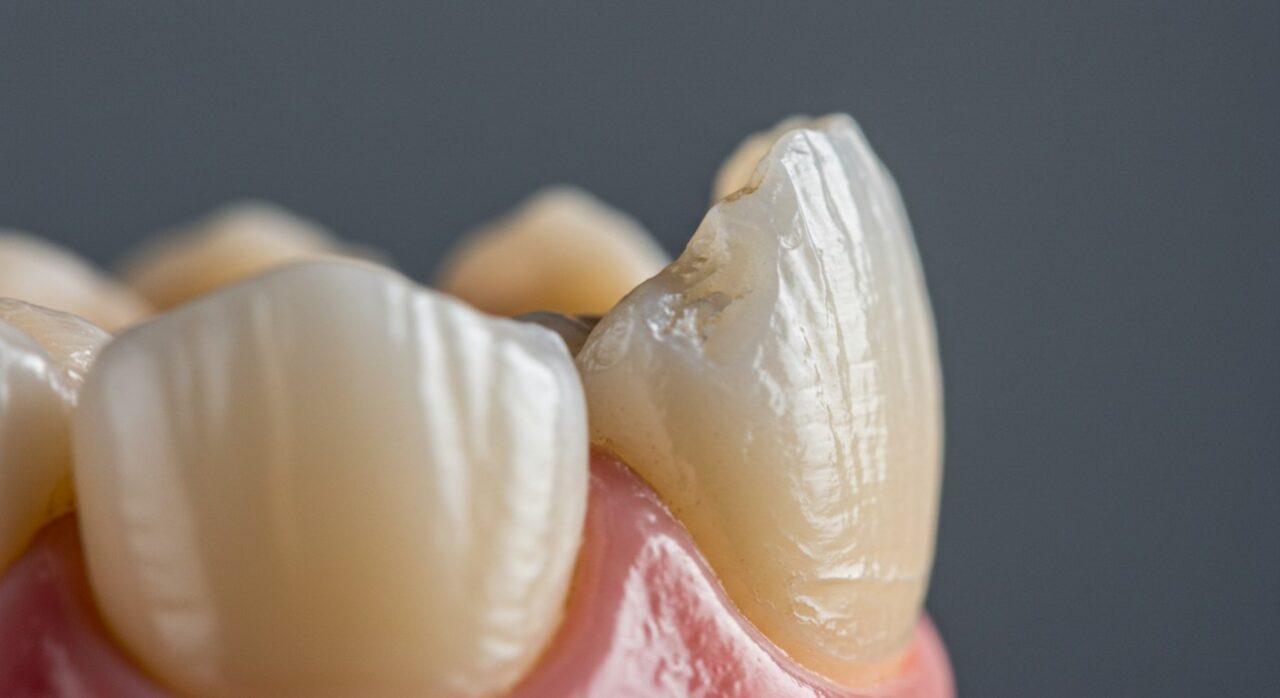
Composite bonding is often employed in cases of trauma, such as repairing teeth that have fractured due to accidents. For example, if a front tooth is chipped, bonding can seamlessly restore its appearance.
In aesthetic procedures, dentists can reshape teeth to improve smile symmetry, using composite resin to create a natural appearance. Bonding serves as a less invasive alternative to veneers, providing a quicker, cost-effective solution for patients wishing to improve their smile without significant dental alterations.
Benefits of Composite Bonding
Composite bonding has many advantages, such as improving appearance, being cost-effective, and requiring less invasive techniques than standard dental treatments.
Aesthetic Improvements
One of the main advantages of composite bonding is that it can match the natural colour of teeth, giving excellent cosmetic results that improve appearance.
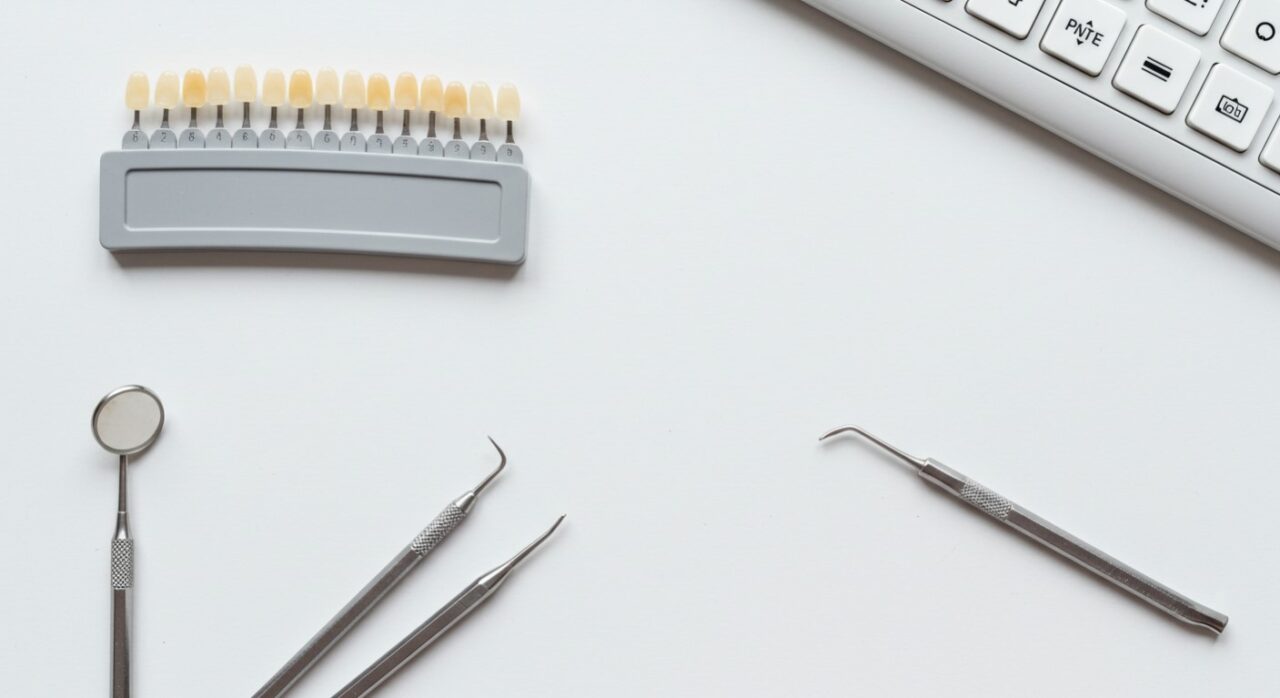
To get an exact colour match, dentists often use brands like Filtek Supreme XTE, which provides many shades meant to mix naturally with existing teeth.
During the procedure, a colour chart helps choose the closest match before the composite is used. After treatment, displaying photos taken before and after can clearly show the changes and skill in matching colours.
By employing these techniques, patients enjoy a natural-looking smile that complements their unique dental aesthetic.
Minimally Invasive Procedure
Composite bonding is a minimally invasive dental procedure that typically requires no anaesthesia and can be completed in a single visit, lasting around 30 to 60 minutes.
Composite bonding can fix chips, close gaps, and improve the colour of teeth without needing extensive treatments like crowns or veneers.
Many patients appreciate the comfort and speed of the process; for instance, Sarah stated,
“I was amazed at how quickly and painlessly my tooth was fixed.”
Since the procedure is less invasive, it preserves more of the natural tooth structure, leading to a healthier long-term outcome. Many people choose composite bonding because it is both effective and comfortable for improving their teeth.
Cost-Effectiveness
With typical costs ranging from £300 to £600 per tooth, composite bonding represents a cost-effective solution for many patients compared to more invasive options like crowns.
In contrast, dental crowns can cost between £800 and £1,500 per tooth, while veneers range from £1,000 to £2,500 each.
Insurance often only pays for part of the cost of crowns and may not pay for veneers at all. This makes composite bonding a cheaper option for people without full dental coverage.
Financing options, varying from clinics, include payment plans and medical credit cards, which can further ease the financial burden.
Patients should speak to their dentist to find the best choice for their specific needs and budget.
Drawbacks of Composite Bonding
Even though composite bonding has benefits, it also has some downsides, especially in terms of how long it lasts and the regular care it requires.
Durability Concerns
Composite bonding typically lasts between 5 and 10 years, which is shorter than some alternatives like crowns or veneers, leading to questions about its long-term durability.
Various factors affect how long composite bonding lasts. Taking care of your mouth is important. Brushing and flossing every day can help keep your teeth healthy for a long time.
The location of the bonding affects durability; for instance, front teeth are less exposed to wear compared to molars. Statistics show that about 60% of composite bonds need replacing within the 7 to 10 year range, with costs averaging £200 to £500 per tooth for replacement.
Regular dental check-ups can help you live longer.
Maintenance Requirements
Proper maintenance of composite bonding involves regular dental check-ups and good oral hygiene practices to prevent staining and chipping.
To maintain your composite bonding, brush your teeth twice daily with a non-abrasive toothpaste, such as Sensodyne ProNamel, which helps protect against wear.
Floss daily to remove plaque build-up around the bonding. You should see your dentist every six months for cleanings and check-ups.
To further prevent staining, limit your intake of staining foods and drinks like coffee, red wine, and berries, or rinse your mouth with water immediately after consuming them.
Regular adherence to these practices can significantly prolong the life of your bonding.
Comparing Composite Bonding to Alternatives

When looking at cosmetic dental options, it’s important to weigh composite bonding against methods such as veneers and crowns to find what suits personal needs best.
Veneers vs. Composite Bonding
Veneers, which typically cost between £800 and £2,500 per tooth, offer a more durable yet more invasive option compared to the less expensive and quicker composite bonding procedure.
Veneers are a durable cosmetic option, but they require the removal of enamel, which can make teeth more sensitive.
Composite bonding, on the other hand, is less invasive and can usually be completed in one appointment, costing around £250 to £1,500 per tooth. It may need replacement in 5-10 years, while veneers can last 10-15 years with proper care.
Patients should weigh their budget against their desired longevity and comfort level with dental procedures, consulting with a cosmetic dentist to determine the best option.
Crowns vs. Composite Bonding
Dentists often suggest crowns for serious tooth damage. However, they need more effort and usually range from £1,000 to £3,000, making them pricier than composite bonding.
Patients with significant decay or fractures often benefit from crowns due to their durability and ability to restore the tooth’s shape.
For instance, Jane, who had a large cavity, opted for a crown and noted it felt more secure than her previous bonding. In contrast, Mike chose composite bonding for a chipped tooth, appreciating its less invasive nature and lower cost of about £300.
Both treatments have their place; crowns provide strength for heavily damaged teeth, while bonding is ideal for cosmetic issues when structurally sufficient.
Who is an Ideal Candidate?

Composite bonding is best for people with small cosmetic issues, such as chips, gaps, or stains, who want a quick and effective solution.
Assessment Criteria
Factors such as how much damage the tooth has sustained, the individual’s dental health, and their expectations are important in determining whether composite bonding is appropriate.
To check these factors, dentists usually look closely at the teeth to see their condition. X-rays help find hidden problems, like decay that can’t be seen just by looking.
Conversations with patients help to align their expectations with realistic outcomes, ensuring they comprehend the benefits and limitations of composite bonding. For example, if a tooth has significant structural damage, alternative treatments such as crowns may be recommended.
Doing this thorough evaluation gets the best results for the patient’s particular needs.
Frequently Asked Questions
What is composite bonding?
Composite bonding is a cosmetic dental procedure where a tooth-colored resin material is bonded to the tooth surface to improve its appearance and functionality.
Is composite bonding worth it for fixing chipped or cracked teeth?
Yes, composite bonding is a popular and effective solution for fixing minor chips and cracks in teeth. The composite material is sculpted to match the natural tooth shape, providing a seamless and long-lasting result.
How long does composite bonding last?
The lifespan of composite bonding can vary depending on the individual’s oral habits and care. On average, it can last anywhere from 3-10 years with proper maintenance and regular dental check-ups.
Is composite bonding worth it for closing gaps between teeth?
Yes, composite bonding can be a cost-effective and non-invasive solution for closing small gaps between teeth. The composite material is shaped and bonded to the teeth, creating a natural-looking and even smile.
What are the benefits of composite bonding compared to other cosmetic dental procedures?
Composite bonding is a conservative and minimally invasive procedure that can be completed in one office visit. It also does not require the removal of any natural tooth structure and is less expensive compared to options like porcelain veneers.
Can composite bonding be used as an alternative to braces for straightening teeth?
No, composite bonding is not a substitute for braces or other orthodontic treatments. It can make teeth look better by altering their shape, colour, or size, but it cannot fix major alignment problems or bite issues.
Leave a Reply