
What Are Permanent Dental Implants?
Imagine regaining the confidence to smile freely again. Permanent dental implants provide a lasting fix for missing teeth, matching your natural teeth perfectly. It’s important to know their purpose and benefits for anyone thinking about this choice.
We will look at the different kinds of implants you can get, explain the procedure in detail, discuss important care after the procedure, and talk about possible risks. Learn about permanent dental implants and see how they can improve your life.
Definition and Purpose
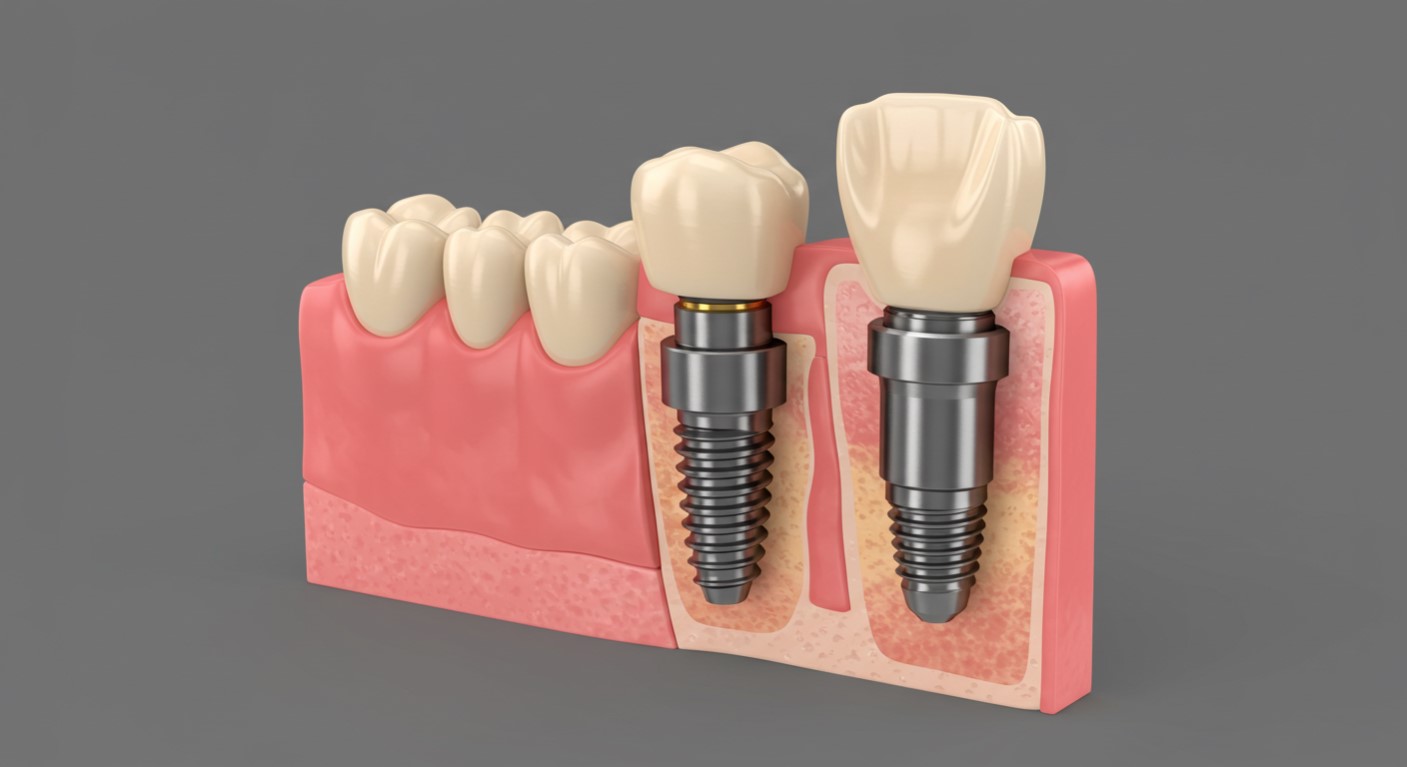
Dental implants are titanium posts surgically inserted into the jawbone, serving as sturdy anchors for artificial teeth or crowns.
These implants mimic the root of a tooth, providing a strong foundation for replacement teeth that can last a lifetime with proper care.
Recent studies indicate that dental implants work well 95% of the time, making them a dependable option for those wanting better smiles.
Patients often choose implants over dentures or bridges because they do not affect adjacent teeth and require no special maintenance beyond regular oral hygiene.
Getting dental implants goes beyond repairing teeth; it improves daily life and increases confidence.
Benefits of Dental Implants
Patients find that their quality of life improves with dental implants, experiencing better chewing and maintaining jawbone strength.
Dental implants can greatly lower the chance of later oral health problems. For example, studies indicate that patients with implants are 30% less likely to experience complications like gum disease compared to those relying on dentures.
They also contribute to better speech clarity and increased comfort since there’s no slipping, unlike traditional dentures. Patients frequently report that enjoying their favourite foods without hesitation restores a sense of normalcy and confidence.
Dental implants can reduce your dental visits and save you money over time, making them a good choice for maintaining your oral health.
Types of Dental Implants

Knowing the various types of dental implants helps you choose the right one for your needs and situation.
Endosteal Implants
Endosteal implants are the most commonly used type. They are placed directly into the jawbone to provide strong support for crowns, bridges, or dentures.
These implants typically come in three forms: cylindrical, tapered, and plate form, catering to various bone densities and anatomical requirements.
For example, cylindrical implants work best for patients with sufficient bone width, while tapered implants are ideal for those with narrow or limited bone availability. The choice influences stability and aesthetics.
Dental professionals often opt for certain brands, such as Straumann or Nobel Biocare, known for their longevity and success rates, ensuring patients receive the best possible outcome.
A case study revealed a 5-year success rate exceeding 95% for these implants.
Subperiosteal Implants
Subperiosteal implants are positioned beneath the gum but rest on the jawbone, making them a good option for patients with low bone density.
These implants are especially helpful for patients with significant bone loss who still have healthy gums.
The installation process includes a careful surgical procedure: initially, a specially-made metal structure is positioned on the jawbone; as time passes, the gum tissue heals around it.
For example, a patient with a history of tooth loss who cannot undergo traditional implants due to bone deficiency might choose this option. Results often include better denture stability and improved living conditions, enabling patients to eat and speak more confidently.
The Dental Implant Procedure

The process of getting a dental implant includes several key steps to make sure the implant fits well and bonds correctly with the jawbone.
Initial Consultation and Planning
At the first appointment, dentists perform thorough check-ups, which include X-rays, to create a personalised treatment plan.
Plus X-rays, dentists often use 3D imaging technology to obtain a detailed view of your teeth and jawbone structure, which aids in diagnosing issues such as misalignment or decay.
Patients should bring a list of their medications, any questions about their dental health, and a complete health history.
This information helps the dentist understand your specific needs and plan a treatment that works well, leading to improved results.
Surgical Placement of Implants
The surgical placement of implants typically occurs under local anaesthesia, with the procedure lasting 1–2 hours per implant, depending on complexity.
Before surgery, a complete check-up is carried out to confirm that the patient is ready, including dental X-rays and checks on overall health. The dentist will administer local anaesthesia, numbing the area to promote comfort.
During the procedure, the implant is surgically placed into the jawbone, and a healing cap is attached. Post-operative care is important. Patients should eat soft foods for a few days and can take over-the-counter pain relief.
Most patients can resume normal activities within a few days, but should expect swelling or bruising that can take up to two weeks to subside.
Healing and Osseointegration
Osseointegration is essential for dental implants to function, and it typically takes 3-6 months for the bone to completely bond with the implant.
In this recovery period, patients might experience some swelling and pain, which can usually be managed with over-the-counter painkillers.
It’s important to keep your mouth clean by carefully rinsing the area to prevent infection. Regular check-up appointments, usually set every few weeks, are important for tracking how well the implant is adjusting and your general health.
These visits let your dentist check improvements, offer guidance, and solve any possible problems quickly, increasing the likelihood of success.
Aftercare and Maintenance

Looking after your teeth and implants ensures they last longer and keeps your mouth healthy.
Oral Hygiene Practices
Proper oral hygiene can make dental implants last longer and help avoid issues.
To maintain the best oral health, it’s important to follow certain practices.
- First, use non-abrasive toothpaste, as it helps protect the implant’s surface while effectively cleaning your teeth.
- Second, floss daily to remove plaque build-up around the implants; consider using floss specifically designed for dental work.
- Incorporating an oral irrigator can further improve cleaning by flushing out food particles and bacteria from hard-to-reach areas.
Studies show that individuals who adhere to these practices can significantly increase the long-term success rates of their implants.
Regular Dental Check-ups
You should have dental check-ups every six months to monitor the condition of implants and surrounding tissues.
During these visits, your dentist will perform a thorough examination, assessing bone density using X-rays to detect any changes that could jeopardise implant stability.
Gum health is also checked for signs of gum disease, which is important because swelling can impact how well implants work. Your dentist might check the depth of the gum pockets around the implant and give specific advice on cleaning.
Using tools like water flossers at home can greatly improve your gum health, along with regular professional check-ups for the best long-term results.
Potential Risks and Complications
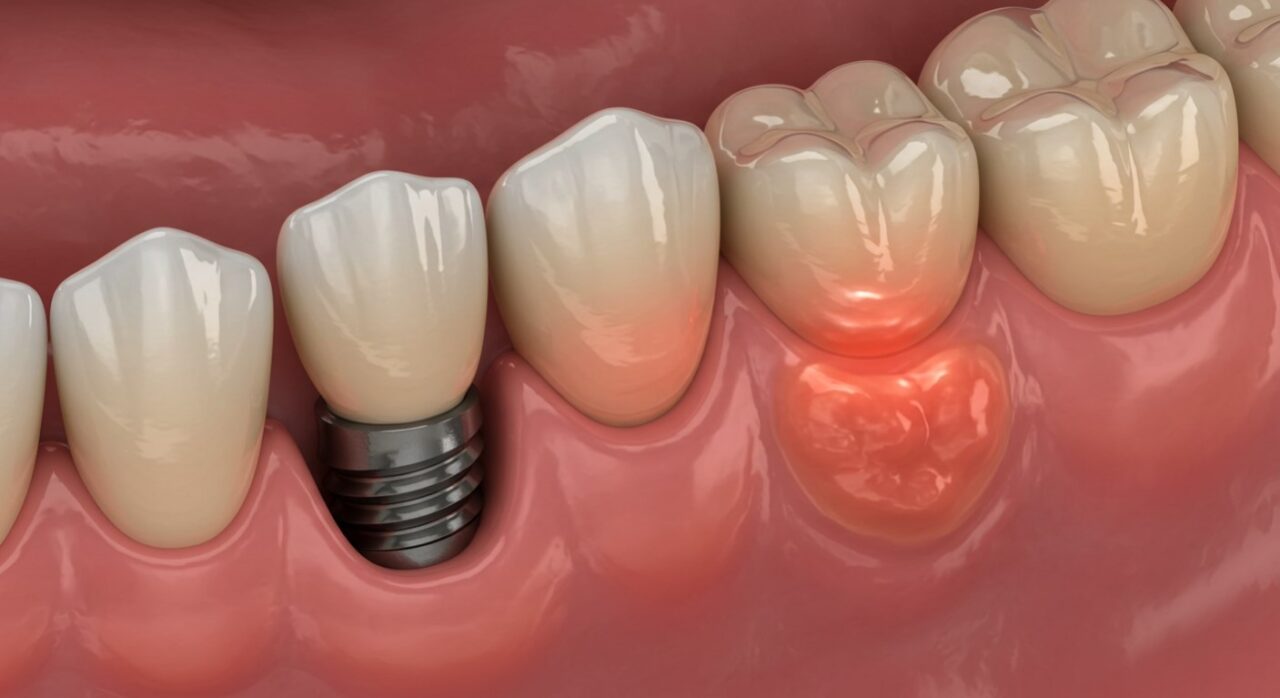
Although dental implants are generally safe, they can have potential risks and issues that patients need to be aware of.
Infection
An infection where the implant is placed can cause serious health issues, and research shows a 1-3% chance of contracting an infection after surgery.
To mitigate this risk, healthcare providers must implement stringent infection control protocols prior to and during surgery. For instance, washing hands thoroughly, using sterilised tools, and administering prophylactic antibiotics are essential steps.
Post-operative care guidelines are equally important; patients should be advised to keep the surgical area clean and dry, monitor for signs of infection such as redness or discharge, and attend follow-up appointments.
Educating patients on these practices can significantly reduce infection rates and promote better recovery outcomes.
Implant Failure
Implant failure occurs in about 5-10% of cases, so it is important for patients to know what risk factors can cause this.
Common causes of implant failure include improper bone integration, which can be mitigated by ensuring adequate bone density and quality prior to surgery.
Infections can also lead to failure; using prophylactic antibiotics during the procedure significantly reduces this risk.
A case study highlights a patient who experienced failure due to inadequate bone preparation, necessitating a second surgery six months later.
By addressing these issues and providing good ongoing care, patients can make their implants last longer.
Frequently Asked Questions
What are permanent dental implants?
Permanent dental implants are replacement teeth that are permanently fixed in the jawbone. They consist of a titanium post that serves as a root, a connector piece called an abutment, and a crown that mimics the appearance and function of a natural tooth.
Who is a good candidate for permanent dental implants?
Anyone who is missing one or more teeth and has good overall oral health can be a good candidate for permanent dental implants. It is important to have enough bone in the jaw to support the implant and maintain healthy gums.
How long does it take to get permanent dental implants?
Getting permanent dental implants usually takes a few months. This includes the initial consultation, the placement of the implant, and the healing time for the implant to fuse with the jawbone. The time frame may vary depending on the individual’s healing process.
Are permanent dental implants painful?
Most patients report little to no discomfort during the procedure, as it is usually performed under local anaesthesia. Some mild discomfort and swelling may occur after the procedure, but this can be managed with pain medication prescribed by the dentist.
How long do permanent dental implants last?
With proper care and maintenance, permanent dental implants can last a lifetime. To keep your implants in good condition, practice good oral hygiene, don’t smoke, and go to the dentist regularly for check-ups and cleanings.
What is the success rate of permanent dental implants?
The success rate of permanent dental implants is very high, with a success rate of over 95%. This success rate can be even higher with proper care and maintenance of the implants. In rare cases, complications such as infection or implant failure may occur, but these can often be treated and corrected by a dentist.
Leave a Reply