

Teeth Bonding vs Veneers
A confident smile can change how you look, but finding the right dental improvement can be challenging. Teeth bonding vs veneers both offer unique benefits, but they cater to different needs and preferences. Knowing these choices is necessary to make a wise decision.
This guide dives into the procedures, materials, and costs associated with each, while also comparing their aesthetic and durability advantages. Find out which choice might be the best way to perfect your smile.
What is Teeth Bonding?

Tooth bonding is an easy dental procedure that uses a resin matching the tooth colour to fix flaws and improve how the tooth looks.
Procedure Overview
The tooth bonding procedure usually lasts 30 to 60 minutes. It includes key steps to make sure the material is spread out evenly and appears natural.
To begin, preparing the tooth involves cleaning and etching the surface to improve adhesion. Next, a bonding resin is evenly applied to the prepared area.
This resin is then shaped using specialised tools to match the natural contours of the tooth. A curing light solidifies the resin, securing the bond.
Throughout the process, patient comfort is prioritised with local anaesthetics as needed, and the entire procedure is designed for efficiency, allowing most patients to complete their appointment within an hour.
The same approach is generally followed whether treatment takes place locally, such as teeth bonding in the UK, or abroad in popular dental tourism destinations like teeth bonding in Turkey.
Materials Used
The primary material used in dental bonding is composite resin, which is available in various shades to match the natural tooth colour.
Brands like 3M Filtek offer high-quality composite resins known for their aesthetic appeal and exceptional durability.
For example, 3M Filtek Universal Restorative is praised for its ability to mimic the translucency of natural teeth while providing strength suitable for both anterior and posterior applications.
Products such as Ivoclar Vivadent’s Tetric EvoCeram mix easily and withstand stains, lasting a long time.
Picking a composite material with these features improves the look and strength of dental repairs.
What are Veneers?
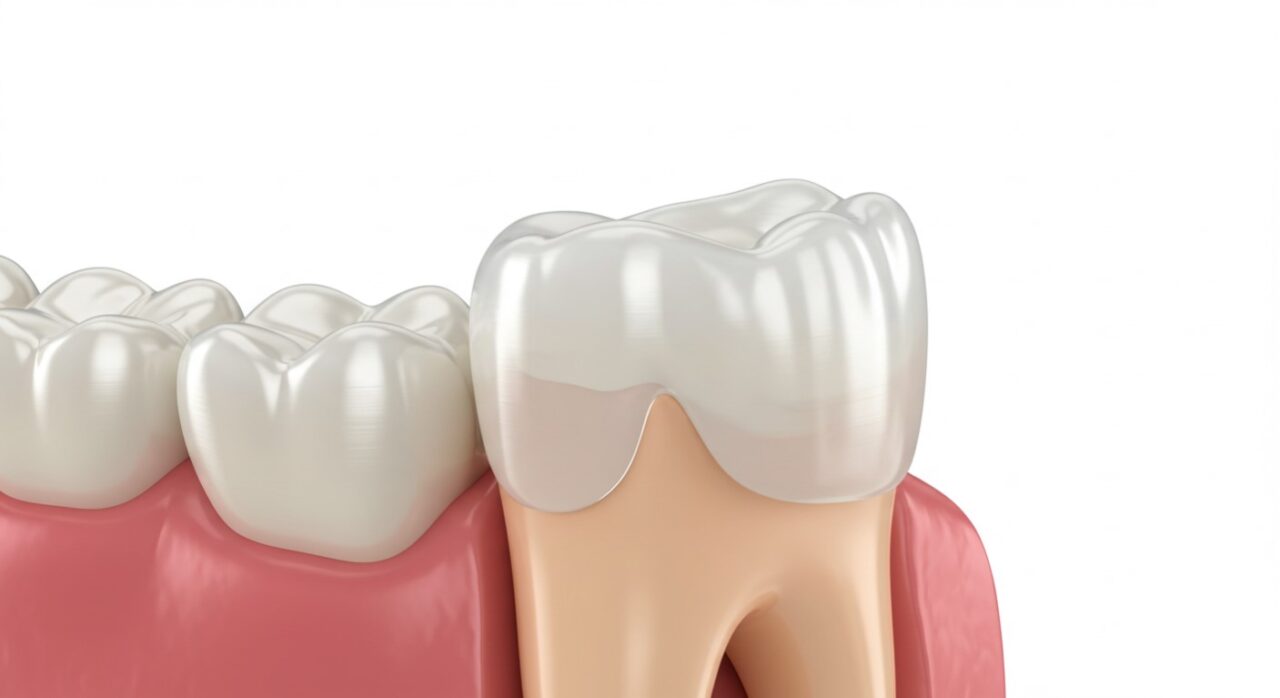
Veneers are thin, specially made coverings that fit over the front of teeth to greatly improve how they look and correct various imperfections.
Types of Veneers
There are two primary types of veneers: porcelain and composite, each offering unique benefits and aesthetic results.
Porcelain veneers are strong and resist stains, which is why many people choose them for lasting results.
They typically require two dental appointments and are more expensive, usually ranging from £900 to £2,500 per tooth.
In contrast, composite veneers are more affordable, generally costing between £250 and £1,500 per tooth, and can often be applied in a single appointment.
They are less durable and may require replacements sooner. Evaluating your budget and desired longevity can help determine the best option for your smile.
Procedure Overview
The veneer placement procedure typically requires two visits: the initial consultation and the final placement, generally spanning a few weeks.
At the first visit, the dentist will carefully check your teeth, which may include taking X-rays to look at their condition and structure.
Next, they will prepare the tooth by shaping and removing a thin layer of enamel, ensuring a proper fit for the veneers. An impression of your prepared teeth is taken, often using a digital scanner or traditional moulding material.
During the last appointment, the veneers are carefully placed and attached with a strong adhesive, focusing on achieving the best fit and appearance.
Comparative Benefits

Both tooth bonding and veneers provide noticeable cosmetic benefits, but they address different needs and choices in dental care.
Aesthetic Improvements
Teeth bonding can fix small chips and gaps, while veneers offer a bigger change for stained or misshapen teeth.
For instance, if a patient has a small chip on a front tooth, bonding can be completed in a single visit, typically costing between £300 and £600. This procedure involves applying a tooth-coloured resin that is shaped and polished to match surrounding teeth.
On the other hand, veneers are ideal for patients with multiple imperfections, such as discolouration or uneven alignment. This more extensive solution requires two visits, with costs ranging from £800 to £2,500 per tooth, providing a dramatically improved smile that lasts for over a decade.
Durability and Longevity
Veneers typically last 10-15 years, while bonded teeth may require touch-ups after 5-7 years, depending on oral habits and care.
To maximise the longevity of both treatments, it is essential to follow a solid oral hygiene routine. Brushing and flossing regularly helps prevent decay and stains, which are important for veneers and bonded teeth.
Try to limit staining foods and drinks, such as coffee or red wine. Avoiding hard foods that can chip or damage your veneers is also important. Regular dental check-ups for cleanings and assessments will help identify potential issues early, ensuring your investments in dental aesthetics last as long as possible.
Cost Analysis
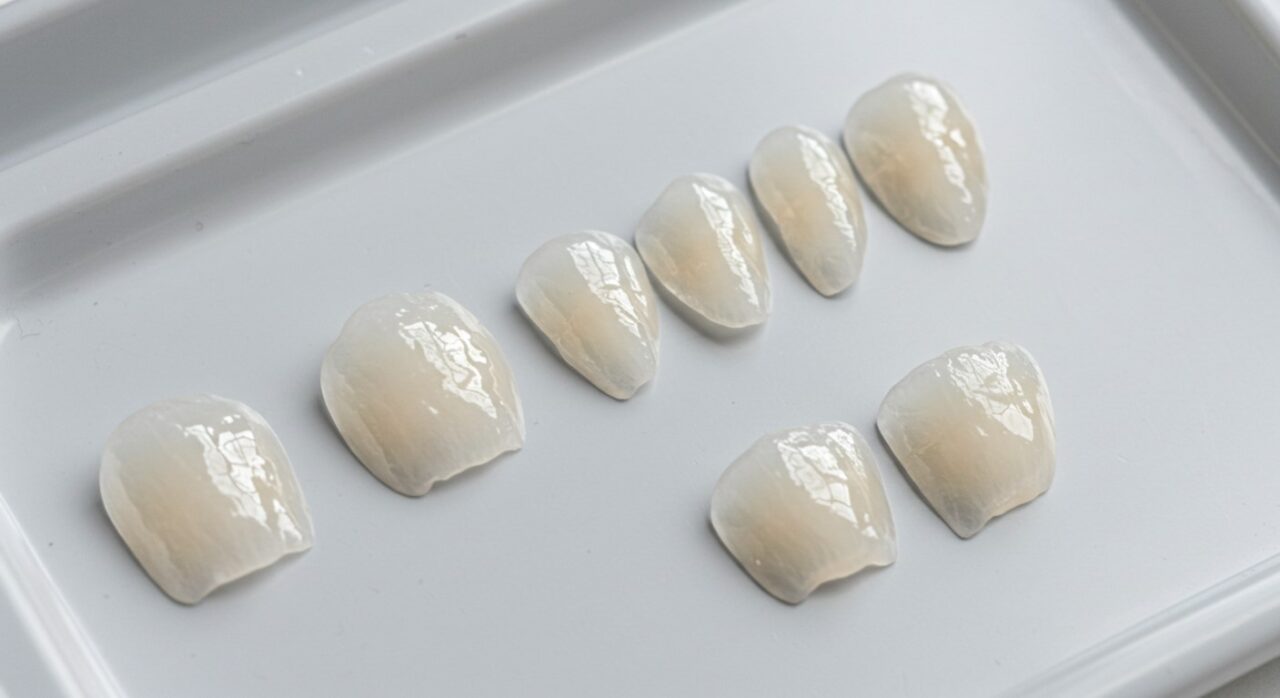
The price for tooth bonding is usually between £300 and £600 per tooth.
Veneers can cost from £800 to £2,500 each, depending on the material.
Teeth Bonding Costs
Teeth bonding is generally the more budget-friendly option, costing between £300 and £600 per tooth depending on complexity and location.
Different factors affect how much dental bonding costs. The dentist’s experience can significantly influence pricing; more established practitioners may charge higher fees.
The type of materials used—such as composite resin versus porcelain—also impacts cost. For example, a patient in New York City paid £400 per tooth for bonding using high-grade composite resin, while another in a smaller town spent only £275 per tooth with basic materials.
It’s wise to consult multiple dentists for estimates to make an informed choice.
Veneers Costs
The investment in veneers typically ranges from £800 to £2,500 per veneer, influenced by the type of material and overall treatment plan.
Factors driving these costs include laboratory fees, which can vary from £300 to £1,000 depending on the complexity of the case.
Customisations, such as colour matching or special shapes, can also add £100 to £500. For example, a case involving porcelain veneers might cost around £1,200 each for a premium finish. In contrast, composite veneers may be priced lower at £800 per piece.
Knowing these parts helps you plan your expenses well and select the best option for improving your smile.
Teeth Bonding vs Veneers: Considerations for Choosing

When choosing between tooth bonding and veneers, consider your personal appearance goals, budget, and how much repair your teeth require.
Personal Goals and Preferences
Patients should consider what they want to achieve with their smile. Tooth bonding works well for small repairs, while veneers offer a bigger change.
Consider factors such as your budget, the desired longevity of the results, and the extent of cosmetic changes needed.
For instance, if you want to fix chips or gaps and are looking for a less invasive procedure, bonding might cost around £300 to £600 per tooth, lasting about 5-10 years.
On the other hand, veneers offer a more polished appearance at £800 to £2,500 per tooth, usually lasting 10-15 years.
Evaluating these aspects helps to choose the right option for lasting satisfaction and aesthetic goals.
Consultation with a Dentist
It’s important to speak with a dentist to find the best cosmetic choice, ensuring that what the patient wants matches the results.
During the consultation, we will thoroughly examine your teeth and gums. The dentist will discuss your cosmetic goals—such as whiter teeth or correcting misalignment—and assess your oral health.
They may present various treatment options, such as teeth whitening, veneers, or braces, and outline the benefits and costs associated with each.
Speak openly with them about what you need and any concerns you have. Their expert advice will help you achieve a good result that fits your specific dental situation.
Frequently Asked Questions
What is the difference between teeth bonding and veneers?
Teeth bonding and veneers are two cosmetic dental treatments that help make teeth look better. Teeth bonding involves the use of a composite resin material to cover and reshape the tooth. Veneers, on the other hand, are thin shells made of porcelain or composite that are bonded to the front surface of the tooth. The main difference between the two is the material used and the level of customisation.
Which is more affordable, teeth bonding or veneers?
In general, teeth bonding is a more affordable option compared to veneers. This is because the material used for bonding is less expensive than porcelain or composite used for veneers. However, the total cost can change based on how complicated the case is and where the dentist is located.
Which is more durable, teeth bonding or veneers?
Veneers tend to be more durable and long-lasting compared to teeth bonding. This is because the material used for veneers is stronger and more resistant to staining and chipping. But with good care and upkeep, both teeth bonding and veneers can remain intact for a long time.
What are the advantages of teeth bonding over veneers?
Teeth bonding is a less invasive procedure compared to veneers. This means that little to no enamel needs to be removed from the tooth for bonding, while veneers require the removal of a thin layer of enamel. Bonding is also a quicker process and can usually be completed in one dental visit.
What are the advantages of veneers over teeth bonding?
Veneers offer a more natural and long-lasting result compared to teeth bonding. They are also more stain-resistant and can be customised to match the colour and shape of your natural teeth. Veneers are also a good choice for fixing major cosmetic problems like crooked or oddly shaped teeth.
Can teeth bonding be used for the same purposes as veneers?
In some cases, teeth bonding can be used for similar purposes as veneers such as improving the appearance of chipped, discoloured, or misshapen teeth. However, veneers are usually a better choice for serious cosmetic problems and for getting a natural look that lasts longer.
Leave a Reply