

Dental Implants vs Dentures: How to Choose?
Choosing the right solution for missing teeth can significantly impact both oral health and quality of life. As patients weigh the options between dental implants and dentures, understanding the intricacies of each choice becomes crucial.
This article delves into the advantages and disadvantages of dental implants vs dentures, exploring their procedures, longevity, and suitability for various individuals. By comparing these two popular solutions, readers will gain insight into which option may best meet their needs.
Overview of Dental Health
Maintaining optimal dental health is essential, as inadequate hygiene can result in tooth decay and gum disease, which affects over 47% of adults in the United Kingdom.
To address these concerns, it is important to establish a consistent oral hygiene routine that includes:
- Brushing twice daily with fluoride toothpaste,
- Flossing at least once, and
- Using an antimicrobial mouthwash.
Regular dental visits, ideally every six months, are crucial for professional cleanings and the early detection of potential problems. Evidence indicates that individuals who follow these practices significantly decrease their risk of cavities and periodontal disease.
Additionally, incorporating healthy dietary choices, such as reducing sugar intake, further supports oral health and enhances the effectiveness of one’s hygiene routine.
Importance of Replacement Teeth
Replacement teeth play a crucial role in restoring both aesthetics and chewing functionality, which significantly affects overall patient comfort and confidence. Dental professionals emphasise that the absence of teeth can lead to jawbone resorption, which alters facial structure and may give rise to additional oral health complications.
For instance, implant-supported dentures not only offer a stable solution but also promote bone growth, thereby preserving facial features. A study conducted by the British Dental Association indicates that patients with restored smiles experience a 60% improvement in self-esteem.
Moreover, the use of dental implants can enhance chewing efficiency by as much as 80%, enabling individuals to enjoy a broader variety of foods with comfort. Consequently, timely tooth replacement is essential for both physical and emotional well-being.
Understanding Dental Implants
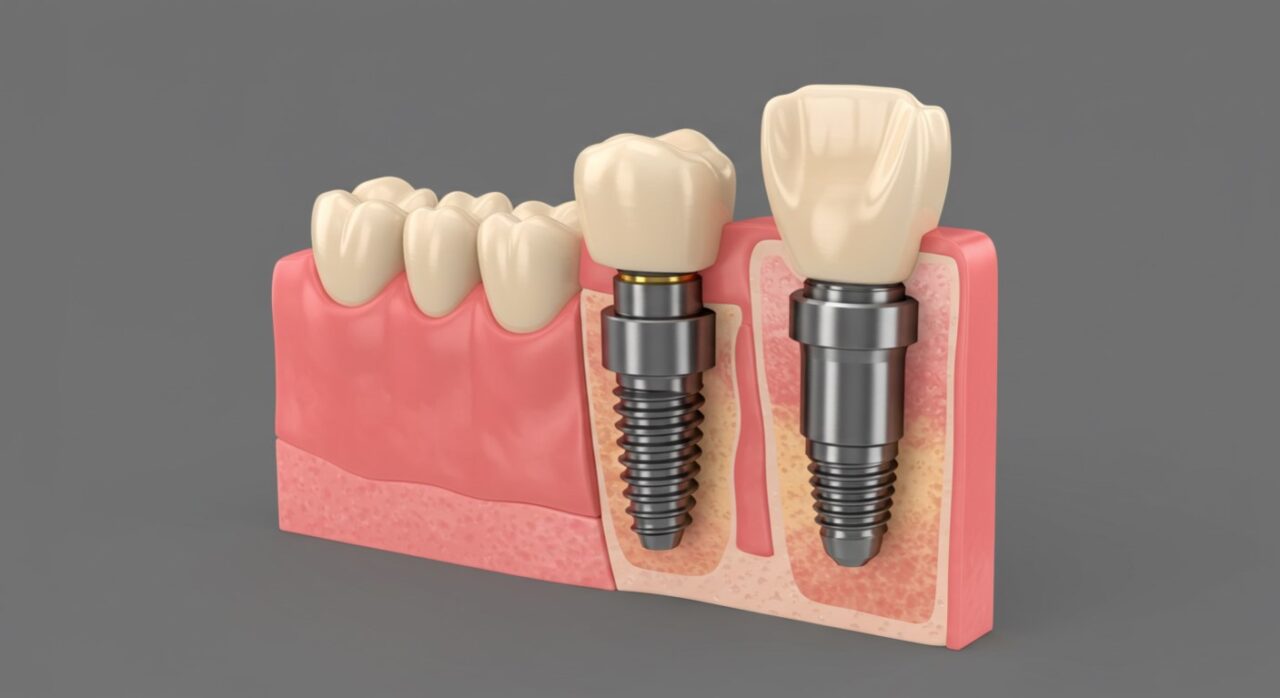
Dental implants, typically composed of titanium, provide a robust solution for tooth replacement by integrating with the jawbone to ensure stability.
What Are Dental Implants?
Dental implants are artificial roots that are surgically placed in the jawbone with the purpose of supporting replacement teeth and achieving osseointegration.
These implants present several advantages over other tooth replacement options, such as bridges or dentures. For instance, they offer improved stability and function similarly to natural teeth, enabling patients to consume their preferred foods without concern.
Additionally, dental implants contribute to the preservation of jawbone density by stimulating growth, a benefit that bridges and dentures do not provide. With appropriate care, dental implants can last a lifetime, making them a cost-effective long-term solution.
Beyond restoring aesthetics, dental implants significantly enhance overall oral health.
Types of Dental Implants
There are several types of dental implants, including endosteal and subperiosteal implants, each designed to meet different patient needs and accommodate various jawbone conditions.
Endosteal implants are the most commonly used type, typically constructed from titanium, and are directly inserted into the jawbone. They are particularly suitable for patients who have adequate bone density.
In contrast, subperiosteal implants are positioned beneath the gum tissue but above the jawbone, making them an appropriate choice for patients who do not have sufficient bone structure for conventional implants.
Additionally, zygomatic implants provide an alternative for patients experiencing severe bone loss, as they are anchored into the cheekbone. Each type of implant has specific indications, addressing diverse levels of bone health and offering multiple surgical options.
Procedure for Dental Implants
The dental implant procedure typically consists of multiple stages, including the surgical intervention, osseointegration, and subsequent aftercare.
The process commences with a consultation to evaluate bone density and the patient’s overall health. During the surgical phase, the dentist implants a titanium post into the jawbone, a procedure that generally requires local anaesthetic. Following the surgery, osseointegration takes place, during which the bone fuses with the implant over a period of several months.
The recovery duration may vary but typically ranges from three to six months.
Subsequently, a crown is affixed to the implant. Follow-up appointments are essential; patients should anticipate check-ups at two weeks post-surgery, six months later, and then annually to ensure that the implant is healing appropriately and functioning effectively.
Benefits of Dental Implants
Dental implants demonstrate a success rate of up to 98%, providing long-term advantages such as improved chewing function and an enhanced quality of life.
Patients frequently report substantial improvements in their daily activities. A particular study indicated that 90% of implant recipients experienced increased confidence while eating and speaking.
Moreover, dental implants effectively prevent bone loss, thereby better maintaining facial structure compared to dentures. With appropriate care, they can last a lifetime, rendering them a cost-effective solution in the long run.
Advanced tools such as digital imaging enable dentists to meticulously plan the placement of implants, ensuring a more streamlined and efficient experience. Patient testimonials highlight that many individuals experience a renewed sense of normality, emphasising the transformative impact of this procedure.
Potential Risks and Complications
While dental implants are generally considered safe, there are potential risks associated with the procedure, including infection, nerve damage, and implant failure. Therefore, comprehensive patient education is essential.
To mitigate these risks, it is crucial to adhere to strict hygiene practices both before and after surgery, which includes the use of antibacterial mouth rinses. Informed consent plays a vital role in this process, ensuring that patients are fully aware of the procedure, its associated risks, and available alternatives.
Dentists should provide thorough explanations and allocate sufficient time for patients to ask questions, fostering an open dialogue.
Additionally, including detailed before-and-after care instructions, along with scheduled follow-up appointments, further enhances patient safety and satisfaction. This approach contributes to a smoother and more effective overall experience for patients.
Understanding Dentures

Dentures provide a versatile solution for tooth loss, available in both complete and partial forms to accommodate the diverse needs of patients.
What Are Dentures?
Dentures are removable appliances designed to replace missing teeth and the surrounding tissues, specifically engineered to restore both functional capabilities and aesthetic appearance.
They serve a significant purpose in improving speech, facilitating comfortable chewing, and enhancing facial aesthetics. For individuals who are new to dentures, it is essential to consider various options, such as complete dentures for total tooth loss or partial dentures when some natural teeth remain.
Materials like acrylic or flexible nylon can be selected to ensure both comfort and durability.
Regular maintenance, which includes daily cleaning and periodic professional adjustments, is vital for ensuring the longevity and optimal performance of dentures. This diligent care significantly contributes to enhancing the wearer’s confidence and overall quality of life.
Types of Dentures
The primary types of dentures include complete dentures, partial dentures, and overdentures, each specifically designed to address particular dental conditions and meet the diverse needs of patients.
Complete dentures are appropriate for individuals who have lost all their natural teeth, providing a full set of artificial teeth that rest securely on the gums. In contrast, partial dentures are designed for patients who retain some natural teeth, offering a more natural appearance and improved functional chewing capabilities.
Overdentures, which are removable, are designed to fit over a few remaining natural teeth, enhancing stability and comfort.
Each type of denture serves distinct situations; therefore, it is essential to consult with a dental professional to determine the most suitable option based on individual oral health and lifestyle considerations.
Procedure for Getting Dentures
The process of obtaining dentures involves several steps, beginning with an initial consultation, followed by dental impressions, fittings, and any necessary adjustments to ensure optimal comfort.
During the initial consultation, the dentist will assess your oral health and discuss your preferences regarding the dentures. Subsequently, dental impressions will be taken, serving as moulds for the fabrication of your custom dentures. Once the dentures are created, multiple fittings will be conducted to ensure a snug and comfortable fit.
It is anticipated that you will need to return for adjustments as you acclimatise to the dentures; it is quite common for minor modifications to be required in order to achieve the ideal fit.
Throughout this process, maintaining open lines of communication with your dentist is essential for addressing any concerns and enhancing your overall comfort.
Benefits of Dentures
Dentures represent a cost-effective solution for tooth replacement, frequently yielding immediate results in the restoration of both function and aesthetics.
Plus their affordability, dentures significantly enhance the quality of life for patients by improving speech and the ability to consume food comfortably. Many individuals report an increase in self-esteem resulting from the enhanced appearance that dentures provide.
For example, the cost of conventional full dentures typically ranges from £600 to £8,000, depending on the materials used and the complexity of the individual case; however, most insurance plans tend to cover a substantial portion of these expenses.
Furthermore, implant-supported dentures provide superior stability and comfort, making them a valuable investment for those who can accommodate the associated costs within their budget.
Potential Drawbacks of Dentures
Although dentures offer various advantages, they may also pose certain challenges, including discomfort, wear and tear, and the necessity for periodic adjustments.
To alleviate discomfort, it is important to ensure a proper fit by regularly consulting with your dentist for necessary adjustments. Additionally, the use of dental adhesive can enhance both stability and comfort.
To address wear and tear, it is recommended to clean dentures daily with a soft brush and a non-abrasive cleaner to prevent damage. Soaking them in a denture cleanser overnight can also help maintain their shape.
Consider utilising a denture-specific maintenance kit, which typically includes a cleaner, a brush, and adhesive, to simplify your cleaning routine and extend the lifespan of your dentures.
Comparative Analysis
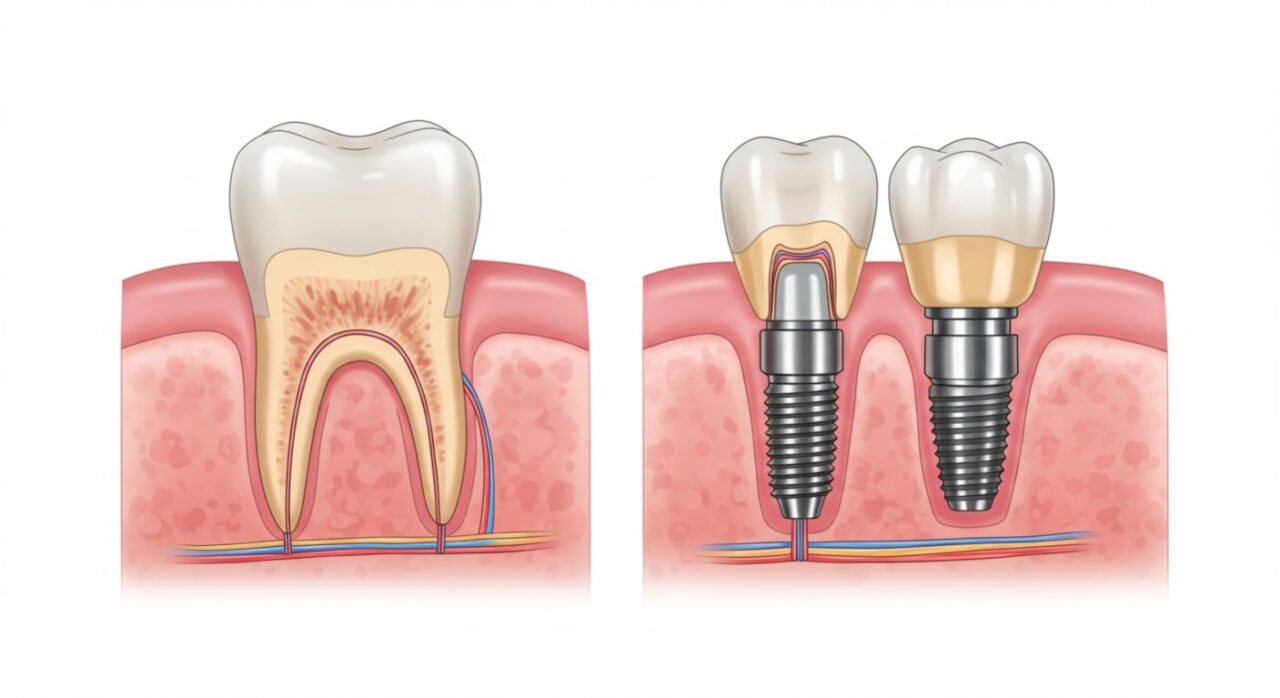
A comprehensive comparative analysis of dental implants and dentures highlights significant differences in terms of cost, longevity, and patient satisfaction.
Cost Comparison
Dental implants typically incur costs ranging from £3,000 to £4,500 per tooth, whereas full dentures can vary between £600 and £8,000, depending on the materials used and the level of customisation required.
When evaluating these options, it is essential to consider both the long-term benefits and associated costs. Dental implants generally have a lifespan of 10 to 15 years or longer when properly maintained, while dentures may need to be replaced every 5 to 7 years.
Many insurance plans provide partial coverage for denture expenses, which can help mitigate initial costs. In contrast, dental implants often necessitate a higher upfront investment with limited insurance coverage.
To determine the most suitable option, it is advisable to consult with your dentist for personalised recommendations and a comprehensive cost analysis.
Longevity and Durability
Dental implants typically have a lifespan of 10 to 15 years or longer with proper care, while dentures generally require replacement every 5 to 7 years.
To maximise the longevity of dental implants, it is imperative to maintain excellent oral hygiene, which includes brushing twice daily and flossing regularly. Routine dental check-ups every six months are essential for monitoring any potential issues.
For dentures, the use of an adhesive may improve fit and comfort, and soaking them overnight can help maintain their shape.
Both dental implants and dentures benefit from a balanced diet that is rich in calcium and vitamin D, which supports overall oral health. Adhering to these practices not only extends the lifespan of the dental solution but also enhances overall patient satisfaction.
Comfort and Fit
Most patients indicate that dental implants provide a more natural sensation compared to dentures, which often necessitate adjustments for optimal fit and comfort.
Dental implants, which are surgically inserted into the jawbone, closely replicate the feel of natural teeth, offering enhanced stability without the risk of slippage. In contrast, dentures may shift during eating or speaking, leading many individuals to require frequent adjustments.
For example, a patient may experience discomfort with traditional dentures during extended wear. While options such as soft liners can marginally enhance comfort, they do not resolve the fundamental issues related to fit.
Ultimately, the choice between dental implants and dentures may depend on the patient’s lifestyle, budget, and preferences regarding maintenance.
Maintenance and Care
Proper maintenance is essential for both dental implants and dentures, with recommendations emphasising daily cleaning and regular dental check-ups.
To ensure optimal care, it is advisable to begin with daily cleaning using a soft-bristled toothbrush and non-abrasive toothpaste. Additionally, scheduling professional cleanings every six months is important to prevent plaque accumulation.
For individuals with dental implants, the use of an antibacterial mouthwash may be beneficial in reducing inflammation.
For those using dentures, it is recommended to remove them overnight to allow the gums to rest and to soak them in a cleaning solution. Furthermore, it is imperative to consult with a dentist regarding specific products that are suitable for these dental appliances, as this will help to ensure both their longevity and functionality.
Aesthetic Considerations
Aesthetic outcomes can differ considerably between dental implants and dentures, with implants frequently offering a more natural appearance. Dental implants are designed to mimic the look of natural teeth, as they work together with the jawbone and prevent the sunken appearance often associated with tooth loss. In contrast, dentures may occasionally present a bulkier or less realistic appearance, which can impact patient confidence.
Several factors influence the choice between these options, including facial aesthetics, comfort, and maintenance requirements. For example, patients seeking a permanent solution may prefer implants, while those in need of immediate results might opt for dentures.
Ultimately, engaging in a discussion regarding personal aesthetic goals with a dentist can facilitate an knowledge-based decision making process, ensuring satisfaction with the final outcome.
Patient Considerations

Determining eligibility for dental implants or dentures requires a thorough assessment of patient demographics, health history, and specific dental needs.
Who is a Good Candidate for Implants?
Ideal candidates for dental implants generally exhibit sufficient jawbone density and overall good health, which are essential for undergoing surgical procedures.
Plus jawbone density, several other factors influence a patient’s suitability for dental implants. Candidates should refrain from smoking, as tobacco use can impede the healing process.
A stable medical history, free from conditions such as uncontrolled diabetes, further enhances the likelihood of successful implant integration.
Lifestyle factors, including diligent oral hygiene practices, are also critical; candidates must be committed to maintaining excellent dental care following the surgery.
It is advisable to consult with a dental professional who can evaluate individual health conditions and recommend appropriate options tailored to the patient’s specific needs.
Who is a Good Candidate for Dentures?
Patients experiencing significant tooth loss, irrespective of age, can greatly benefit from dentures as a viable tooth replacement option. Individuals who have lost a majority or all of their teeth due to decay, injury, or gum disease are ideal candidates for dentures.
For seniors, who frequently encounter age-related tooth loss, complete dentures can effectively restore dental functionality and enhance overall confidence. Additionally, younger patients, particularly those who have suffered dental trauma, may also consider partial dentures to address gaps in their dentition.
Furthermore, individuals who endure chronic jaw pain resulting from missing teeth may find considerable relief with this solution, as dentures can assist in realigning the jaw and improving bite functionality.
Frequently Asked Questions: Dental Implants vs Dentures
What are dental implants and dentures?
Dental implants are artificial tooth roots that are surgically placed into the jawbone to support replacement teeth. Dentures, on the other hand, are removable prosthetic teeth that are custom-made to fit the shape of the patient’s mouth.
What are the main differences between dental implants and dentures?
The main difference between dental implants and dentures is that implants are a permanent solution while dentures are removable. Implants also function more like natural teeth, while dentures may require special care and maintenance.
Which option is more comfortable?
Dental implants are generally considered to be more comfortable than dentures. This is because they are securely anchored to the jawbone and do not shift or move in the mouth. Dentures, on the other hand, may cause discomfort and irritation if they do not fit properly.
What is the cost difference between dental implants and dentures?
Dental implants tend to be more expensive than dentures. However, they are a long-term solution and may not require replacement or additional maintenance as frequently as dentures. Dentures may have a lower upfront cost, but they may need to be replaced or repaired over time.
How do dental implants and dentures impact eating and speaking?
Dental implants function like natural teeth, so they do not have a major impact on eating and speaking. Dentures, on the other hand, may have some challenges with speaking and eating as they can shift in the mouth and may take some time to adjust to.
Which option is best for me?
The best option for you will depend on your individual needs and preferences. If you are looking for a long-term, permanent solution, dental implants may be the best choice. If you are concerned about cost or prefer a removable option, dentures may be the better choice. It is important to consult with your dentist to determine the best option for your specific situation.
Leave a Reply