
Do You Need a Crown After a Root Canal Tooth Treatment
A root canal might seem intimidating, but it’s an important treatment to save your tooth. Knowing why a crown after a root canal is needed can reduce anxiety and improve oral health.
This article dives into the root canal process, the role of tooth crowns in restoration, and how to choose the right crown material. Learn how these parts combine to keep your teeth healthy and what you should know for lasting dental care.
Definition and Purpose
A root canal treatment involves the removal of infected pulp tissue, allowing for the restoration of a tooth’s structure and function.
This procedure is critical in preserving a tooth that is badly decayed or infected, preventing the need for extraction.
The treatment usually includes a few stages:
- First, the dentist administers anaesthetic to numb the area.
- Next, they create an opening in the tooth to access the pulp chamber, removing the infected tissue with specialised tools.
- After cleaning and disinfecting the area, the dentist fills it with a biocompatible material and seals it.
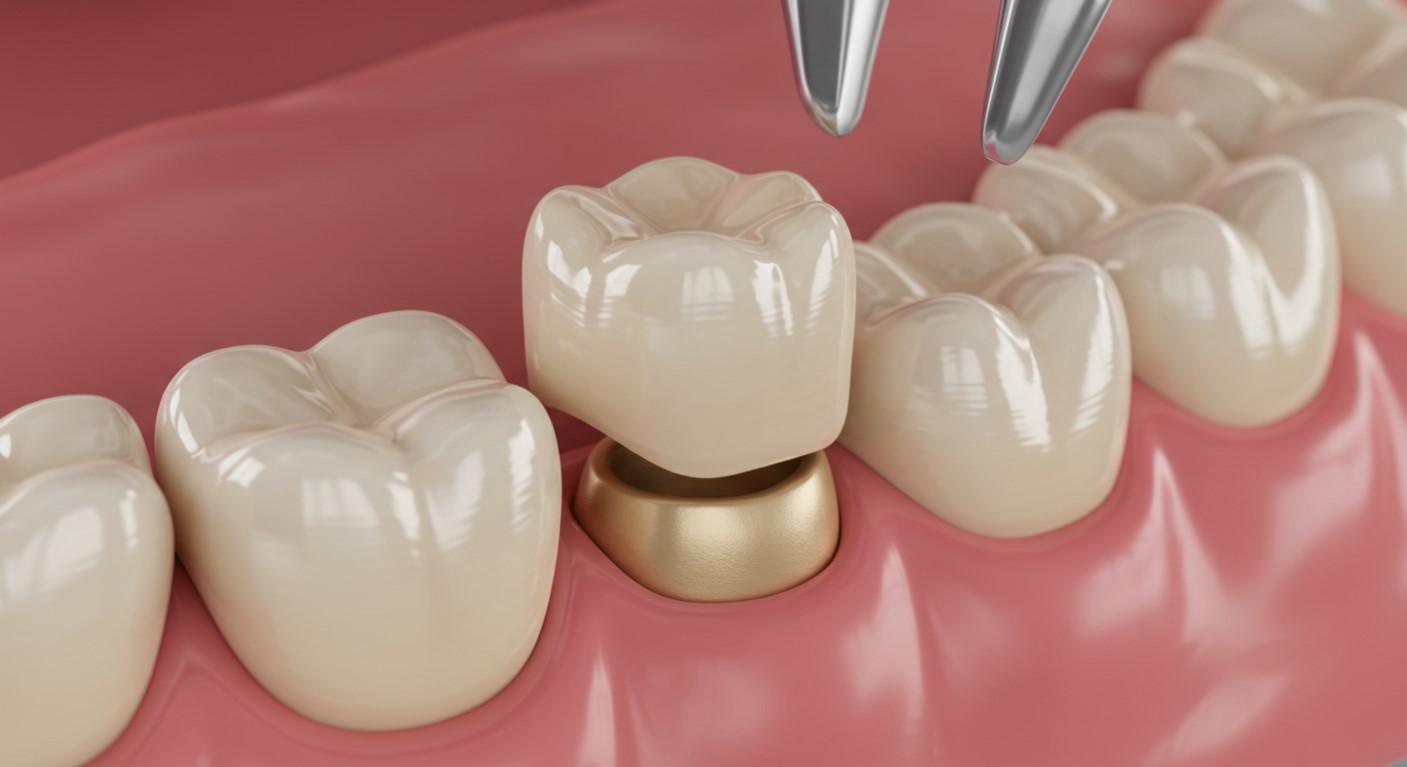
- A crown may be placed to strengthen the tooth, ensuring its functionality and longevity.
Common Reasons for Treatment
Root canal treatments are often needed due to deep cavities, broken teeth, and injuries, impacting about 15 million Americans each year.
In fact, untreated tooth decay can affect a significant portion of the population; 90% of adults experience cavities at some point.
Cracked teeth can arise from injuries or excessive grinding, with studies showing that over 30% of adults grind their teeth unknowingly. Trauma often results from accidents or falls, particularly in children.
To avoid needing root canals, it’s important to have regular dental check-ups, keep your teeth and gums clean, and wear mouthguards when playing contact sports. These actions can help protect your teeth from serious harm.
The Root Canal Procedure

Knowing what happens in a root canal can reduce patient anxiety and help with decision-making for those needing this dental procedure.
Initial Consultation
The initial consultation involves a thorough dental examination, including X-rays, enabling the dentist to assess the extent of infection and formulate a treatment plan.
During this visit, the dentist will also perform a clinical assessment of the tooth and surrounding gums. They may use diagnostic tools such as thermal tests to gauge sensitivity and identify discomfort.
Based on these findings, they will discuss the need for a root canal, emphasising factors like pain levels and the presence of abscesses. This detailed method helps patients learn about their condition and the suggested treatments, encouraging them to make informed choices.
Step-by-Step Process
Root canal treatment usually occurs in three steps: numbing the area, cleaning out the inside of the tooth, and sealing the tooth. This process typically takes about 90 minutes.
- Initially, your dentist will apply local anaesthesia, which can take about 10-15 minutes to take effect, ensuring you feel no pain.
- Next, they will make a hole in the tooth and gently remove the infected pulp, which usually takes 30-45 minutes. This step involves cleaning the root canals thoroughly, sometimes using specialised tools like endodontic files.
- The tooth is sealed with a rubber-like material called gutta-percha, which can take another 20-30 minutes. After the procedure, expect some sensitivity, but manageable pain relief can be achieved with over-the-counter medication.
Post-Procedure Care
Looking after yourself following the procedure is essential. Patients should not chew with the treated tooth until a crown is placed, usually within a week.
This week, use over-the-counter pain relief such as ibuprofen or paracetamol to manage any discomfort.
Stick to soft foods such as yoghurt, mashed potatoes, and smoothies to prevent unnecessary pressure on the tooth.
Scheduled follow-up appointments will allow the dentist to monitor healing, address any complications, and prepare for the crown placement.
Ignoring these recommendations can lead to complications, so make sure to prioritise timely follow-ups and adhere to prescribed care guidelines.
Understanding Tooth Crowns
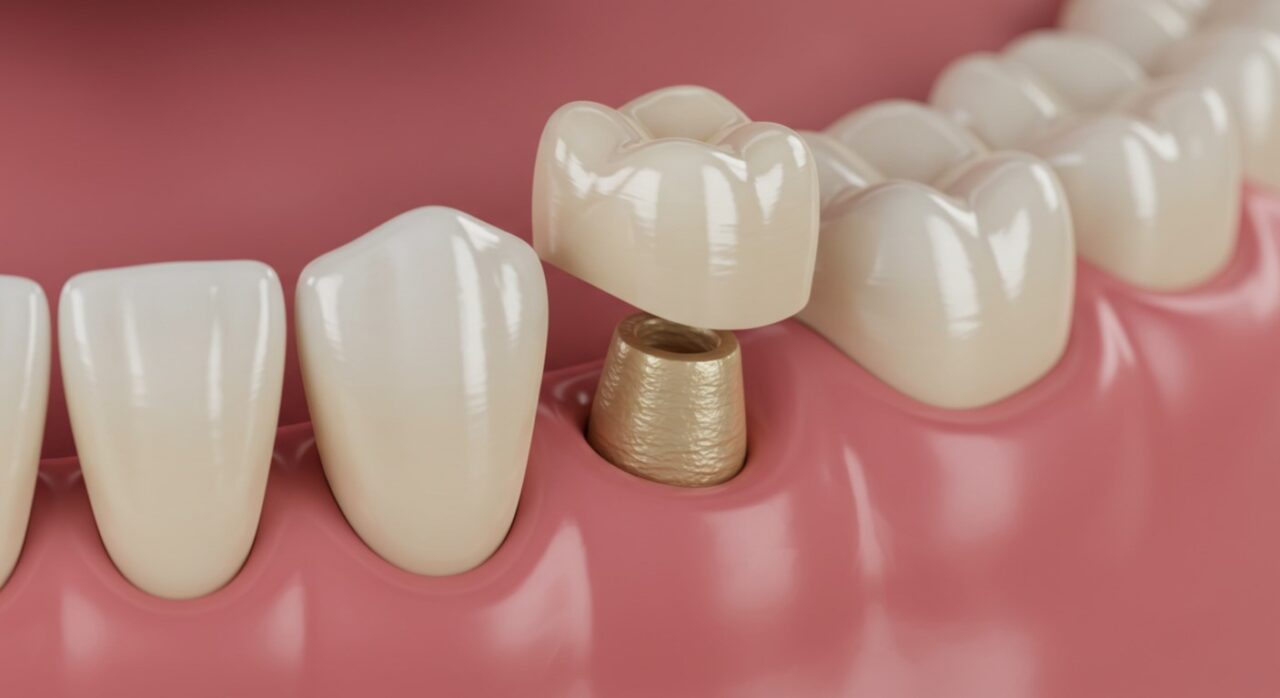
Tooth crowns are important for fixing damaged teeth, providing them with strength and enhancing their appearance after dental treatment.
What is a Tooth Crown?
A tooth crown is a custom-made cap placed over a tooth to restore its shape, size, strength, and appearance, often made from porcelain or metal.
Crowns serve multiple purposes, particularly after extensive decay, trauma, or root canal treatment. They protect weakened teeth from further damage and can improve a tooth’s aesthetics.
For instance, if a tooth has undergone a root canal, it often requires a crown to shield it from fracture. Crowns can be used for anchoring bridges or covering dental implants.
Your dentist will assess the tooth’s health and structure, recommending a crown when the benefits outweigh other treatments, thus ensuring long-term oral health.
Types of Crowns
Crowns come in various materials, including porcelain, metal, and resin, each offering unique benefits and suitability based on patient needs.
Porcelain crowns look like natural teeth and are a great option for front teeth because they blend in well with the colour, giving them a pleasing appearance.
Metal crowns, often made of gold or other alloys, offer superior durability and are best suited for back teeth, where strength is critical for chewing.
Resin crowns, while generally less durable, can be a cost-effective option for temporary solutions during treatment.
The choice of crown material should reflect factors such as tooth location, patient preference, and specific dental issues, ensuring optimal function and appearance.
Indications for a Crown After Root Canal
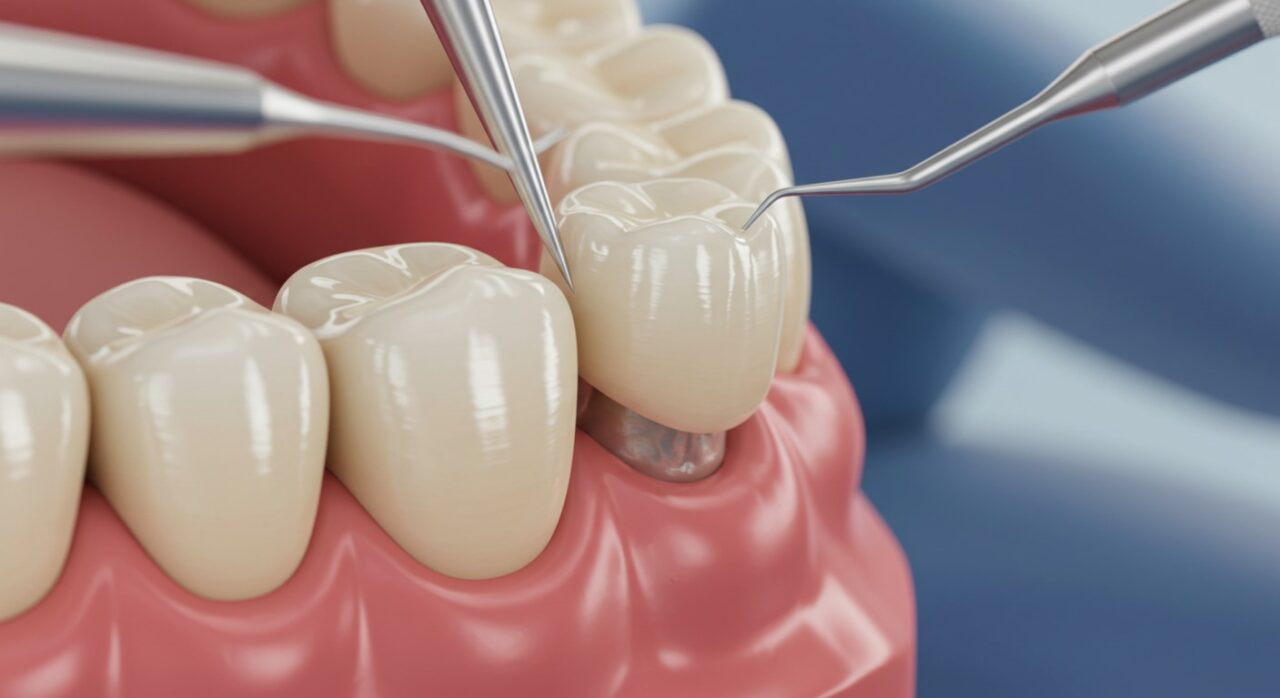
After a root canal, placing a crown on the tooth is important to keep the tooth strong and avoid breakage.
Restoration of Tooth Structure
Crowns restore tooth structure lost during decay or root canal treatment, ensuring that the tooth can function normally for years to come.
During procedures, dentists may remove up to 70% of the tooth’s structure when preparing for a crown. A porcelain-fused-to-metal crown, for example, can provide both strength and aesthetic appeal but requires significant reduction of the tooth beneath.
All-ceramic crowns look better and need less tooth removal, which makes them good for front teeth. The decision between materials depends on where they are used in the mouth and how much damage is present, ensuring they work well and fit properly.
Protection Against Fracture
Placing a crown on a tooth post-root canal significantly reduces the risk of fractures by providing support and enhancing durability.
Crowns act as a protective barrier, preventing further damage and decay. They distribute chewing pressure evenly, which is essential for keeping teeth strong.
Consider dental materials such as porcelain or zirconia; both offer excellent strength and aesthetic appeal. To make it last longer, take care of it with regular dental check-ups and avoid hard foods that might place too much pressure on the crowned tooth.
As time goes by, patients find that getting a crown helps keep their teeth functioning well and improves their oral health. It is an important part of care after treatment.
Choosing the Right Crown Material
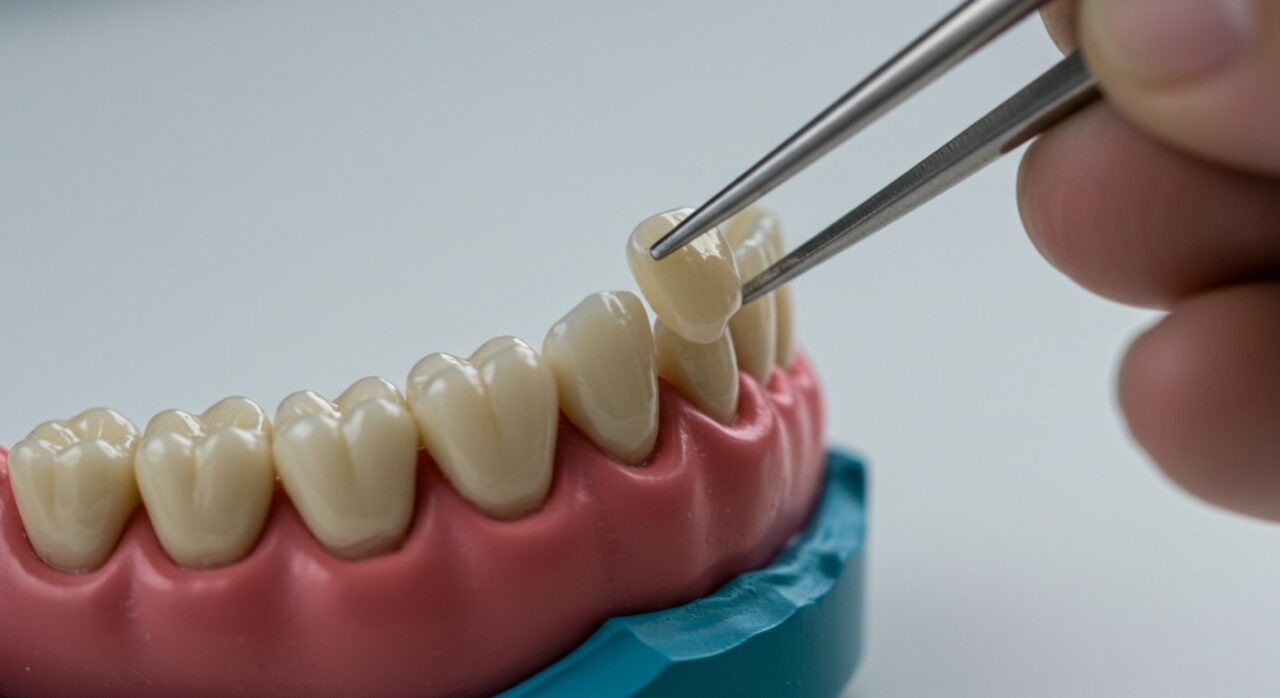
Choosing the right crown material requires considering how long it will last, how it looks, and its cost to match each patient’s preferences.
Porcelain vs. Metal Crowns
Porcelain crowns look fantastic, and metal crowns are very strong, so the decision depends on the individual dental requirements.
Porcelain crowns resemble real teeth, which makes them excellent for repairing front teeth. They tend to blend seamlessly with surrounding teeth, but may be less durable than metal crowns, which are often used for molars due to their resistance to chewing forces.
For example, a patient looking to improve their smile might pick porcelain, while someone needing a strong choice for a back tooth might consider a metal crown a better fit.
Ultimately, talk to your dentist about your dental needs, how you want your teeth to look, and what you can afford to make the best decision.
Cost Considerations
The cost of dental crowns can range from £800 to £3,000 depending on the type of material and location, often covered partially by dental insurance.
Insurance typically covers 50%-80% of the costs if the crown is deemed medically necessary. For example, a porcelain crown may cost £1,200, with insurance covering around £600.
Financing options are also available, such as CareCredit, which allows flexible payment plans, usually ranging from 6 to 24 months. Some dental practices offer in-house financing.
Checking out these choices can significantly reduce personal expenses, making crowns more affordable for patients.
Long-Term Care and Maintenance
Patients should maintain regular dental check-ups and practice good oral hygiene, including brushing twice daily and flossing, to prolong the life of crowns.
Plus these practices, consider using a non-abrasive toothpaste and a soft-bristled toothbrush to avoid damaging the crown.
Limit consumption of hard foods, such as ice or hard sweets, which can crack crowns. Visiting the dentist regularly, ideally twice a year, is important. These visits allow your dentist to identify any problems early and keep your crowns in good condition.
You might also ask about fluoride treatments to strengthen surrounding enamel, particularly if you have a history of cavities.
Frequently Asked Questions
What is a crown after a root canal?
A root canal tooth crown is a dental treatment that involves removing the infected or damaged tissue from the inside of a tooth (the root canal) and replacing it with a custom-made artificial cap to restore the tooth’s appearance and function.
Why do I need a crown after a root canal?
You might need a root canal and crown if you have a very decayed or damaged tooth that can’t be fixed with a filling or other treatments. A root canal tooth crown can also be recommended to protect a weak tooth from further damage or to improve its appearance.
How is a crown after a root canal placed?
The process of placing a root canal tooth crown typically involves two appointments. During the first appointment, the dentist will remove the infected tissue and shape the tooth to prepare it for the crown. A temporary crown will be placed while the custom crown is being made. At the second appointment, the temporary crown will be removed, and the permanent crown will be bonded to the tooth.
Is a crown after a root canal painful?
The root canal procedure itself is not painful as the dentist will use local anaesthesia to numb the tooth and surrounding area. You might feel a bit uncomfortable or sensitive after the treatment, but you can handle this with store-bought pain pills. The placement of the crown is not typically painful, although you may feel some pressure or slight discomfort during the process.
How long do crown after a root canal last?
A well-cared for root canal tooth crown can last for many years. The lifespan of a crown can vary depending on factors such as oral hygiene habits and the amount of force placed on the tooth. It’s important to keep your mouth clean and go to the dentist often for exams and cleanings so your crown lasts a long time.
What are the alternatives to a crown after a root canal?
If a root canal tooth crown is not a viable option for your tooth, there are alternatives such as a tooth extraction or a dental implant. Your dentist will assess your specific case and recommend the best treatment option for your oral health and needs.
Leave a Reply