

What Are the Risks of Bad Composite Bonding?
Composite bonding can improve your smile, but if it doesn’t work out, it can lead to disappointment. Knowing what makes bonding ineffective and how it can affect your oral health is important for anyone thinking about or undergoing this cosmetic dental procedure.
This article looks at frequent mistakes, why they happen, and how to fix bad composite bondings. Learn how to keep your smile healthy and stay confident with important information about composite bonding.
Definition and Purpose
Composite bonding uses composite resins to fix or improve the appearance of teeth, focusing on restoring their function and aesthetics.
This technique is particularly useful for addressing issues such as chips, edging, cracks, or gaps between teeth.
For example, a dentist may use a shade-matched composite resin to seamlessly fill a cavity, ensuring both strength and aesthetic consistency with the surrounding teeth.
The process typically takes about an hour per tooth and requires minimal enamel removal. Materials like universal composite resins provide versatility, allowing for effective layering to achieve a natural appearance.
Checking in regularly can help maintain the bonded area strong and stable over time.
Common Uses in Dentistry
Common applications of composite bonding include repairing chipped or cracked teeth, closing gaps, and reshaping teeth for an improved smile makeover.
Composite bonding helps fix teeth that are badly worn down, offering a long-lasting result that looks a lot like real tooth enamel. For example, patients with worn-down edges can regain their biting effectiveness.
It is also a favoured technique for aesthetic alignment, such as improving the symmetry of front teeth in slightly misaligned smiles. Professionals such as DentalVibe use top-quality materials for a realistic look, while tools like the GritGuard help smooth the bond after it has been applied.
These applications greatly improve how well they work and look for patients.
Understanding Bad Composite Bonding
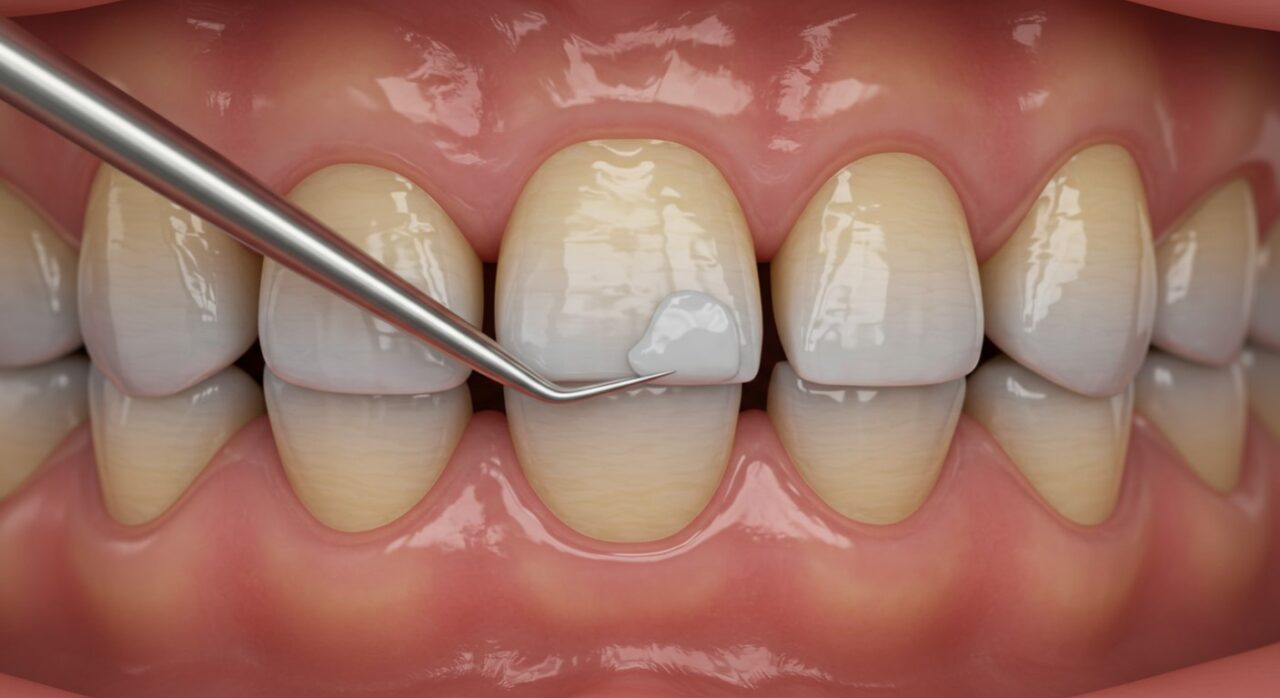
Knowing why composite bonding fails helps dentists and patients avoid issues caused by improper treatments.
What Constitutes Bad Bonding?
Poor bonding can be identified through indicators such as inadequate adhesion, visible gaps, and decay occurring beneath the composite material.
These warning signs can significantly impact dental health and aesthetics.
Inadequate adhesion might lead to fillings becoming dislodged, while visible gaps create space for bacteria, increasing the risk of cavities.
If decay forms underneath the bond, the damage can escalate unnoticed, necessitating further dental interventions.
To tackle these problems actively, regular dental visits and using high-quality bonding materials, such as composite resins with strong adhesive properties, can improve strength and avoid common issues.
Common Causes of Poor Bonding
Factors contributing to poor bonding include inadequate surface preparation, improper application techniques, and the use of inferior bonding materials.
Inadequate surface preparation, such as failing to clean or roughen surfaces, can lead to weak adhesion, causing the bond to fail under stress.
Improper application techniques, such as not following the recommended curing time or applying uneven pressure, can compromise the integrity of the bond.
Using low-quality bonding materials may not provide the necessary strength, resulting in premature failure.
For the best bond, always clean surfaces thoroughly, follow the manufacturer’s instructions, and select high-quality adhesives suited to your project.
Signs of Bad Composite Bonding

Recognising symptoms of poor composite bonding allows patients and dental experts to spot problems early, which can save time and money in dental care.
Visual Indicators
Visual indicators of poor bonding include discolouration, rough texture, and visible gaps where the composite does not properly adhere to the tooth.
Look for crumbling edges, which show the material is wearing out, and a bumpy surface that can make chewing uncomfortable.
If a patient notices sensitivity to temperature changes, this could indicate insufficient sealing around the tooth.
To address these issues, dental professionals can use tools such as magnifying loupes to closely examine bonding integrity and recommend repairs or replacements as necessary, ensuring optimal oral health and comfort.
Functional Problems
Functional problems stemming from poor composite bonding may manifest as tooth sensitivity, discomfort during chewing, or even gum irritation around the bonded area.
These issues can significantly impact a patient’s quality of life.
For instance, tooth sensitivity often leads to hesitation when consuming hot or cold foods, while discomfort during chewing may result in impaired nutritional intake. Gum irritation can create a breeding ground for plaque, heightening the risk of gum disease.
To resolve these problems, it is important to visit a dentist who specialises in restorative dentistry. They may suggest alterations or reapply the bonding material to alleviate symptoms and improve oral health.
Consequences of Bad Composite Bonding

Poor composite bonding can harm your appearance and lead to serious dental health issues, increasing the cost of treatment.
Impact on Oral Health
Poor composite bonding can cause serious dental problems, such as more cavities, gum disease, and possibly losing teeth because the structure is weakened.
Studies indicate that poorly bonded composites can harbour bacteria more effectively than well-sealed restorations.
For instance, a study published in the Journal of Dentistry found that 75% of poorly bonded restorations developed decay within five years.
Gum tissue can become inflamed, leading to periodontal disease, particularly in patients with inadequate dental hygiene.
It’s important to choose a good dentist and keep up with regular dental care, such as check-ups and cleanings, to reduce these serious risks.
Watching for signs of discomfort or sensitivity can help take quick action.
Cosmetic Concerns
Cosmetic concerns stemming from poor bonding often include noticeable discolouration, uneven tooth structure, and an overall unappealing smile.
These issues can significantly impact patient satisfaction and confidence.
For instance, discolouration may arise from inadequate material selection or poor application techniques, leading to a mismatch with surrounding teeth. Irregular structure, often caused by incorrect shaping, can look unnatural and make patients feel self-conscious about their smile.
To reduce these issues, dentists should use high-quality composite materials, apply correct bonding methods, and have detailed discussions with patients to align expectations. Regular follow-ups can address any concerns quickly, improving patient outcomes and satisfaction.
Treatment Options for Bad Composite Bonding

Repairing poor composite bonding involves either mending the bond or replacing it entirely, depending on how serious the problem is.
Repair vs. Replacement
Choosing between repair and replacement depends on factors such as the extent of damage, patient preferences, and long-term durability considerations.
- Assess the damage: if it’s minimal, repair often suffices, potentially saving costs. If the damage is significant and makes it unsafe, replacing it might be necessary to make sure it holds up for a long time.
- Consider your lifestyle—active individuals may prefer replacements for durability. Talk to your dentist to use X-rays for checking damage precisely.
- Evaluate the material: modern titanium implants provide great strength, while composite materials can offer aesthetic benefits.
- Talk with your dentist to think about these things and make a decision that suits your needs and situation.
Preventative Measures
You can make composite bonding last longer by having regular dental check-ups, practising good oral hygiene, and avoiding certain foods.
To further protect your composite bonding, consider using specific oral hygiene products. A soft-bristled toothbrush helps minimise wear on the bonded surfaces, while a fluoride toothpaste strengthens enamel.
Incorporating a non-alcoholic mouthwash can reduce plaque without damaging bonding materials. Avoid sticky or hard foods like caramel and ice, which risk chipping or dislodging the bonding.
Visit the dentist twice a year for check-ups to examine the composite work.
Importance of Professional Assessment
Routine professional assessments allow for early detection of potential bonding issues, ensuring timely interventions and preserving oral health.
Regular evaluations help identify common bonding problems such as wear or misalignment, which can result from dietary habits or inadequate oral hygiene.
For instance, a dentist might use diagnostic tools such as digital radiography to assess the integrity of bonds beneath the surface. Checking for signs of decay around bonded areas allows professionals to address issues proactively.
By planning check-ups twice a year, patients can reduce the chance of problems, helping their dental work last longer and keeping their smiles healthy.
Frequently Asked Questions
What is bad composite bonding?
Bad composite bonding is a dental procedure where a resin material is used to fix or improve the look of the teeth. However, if the bonding is not done correctly, it can lead to a bad appearance, discomfort, and possible oral health problems.
What are the common signs of bad composite bonding?
The common signs of bad composite bonding include an uneven or lumpy appearance, rough edges, discolouration, sensitivity, and gaps between the teeth and the bonding material.
What are the main causes of bad composite bonding?
There are a few main causes of bad composite bonding, including improper preparation of the teeth, using low-quality materials, and lack of skill or experience of the dentist. In some cases, poor oral hygiene or misuse of the bonded teeth can also result in bad bonding.
Can bad composite bonding be fixed?
Yes, a dentist with good skills and experience can repair poor composite bonding. The dentist may need to remove the old bonding and reapply a new layer of composite resin to achieve the desired result. In some cases, additional procedures such as teeth whitening or reshaping may be necessary to achieve a natural and pleasing result.
Can bad composite bonding cause any complications?
Sometimes, poor composite bonding can lead to problems like tooth decay, chipping, or breaking of the bonded teeth. This can be due to improper bonding technique or the use of low-quality materials. It is essential to have the bonding checked regularly by a dentist to prevent any potential oral health issues.
How can I avoid bad composite bonding?
To avoid weak composite bonding, choose a dentist with skill and experience to perform the procedure. It’s important to keep your teeth clean and follow the dentist’s aftercare advice. Regular dental check-ups can also help detect and address any potential issues with composite bonding.
Leave a Reply