
What Is the Best Toothpaste for Composite Bonding?
Choosing the right toothpaste for composite bonding can make all the difference in preserving your smile. Taking care of bonded teeth requires special attention.
This guide explains what composite bonding is, why it requires particular care, and important points to think about when choosing toothpaste. Find the best product suggestions and ingredients to avoid to keep your composite bonding bright and unbroken. Ready to elevate your dental routine?
What is Composite Bonding?
Composite bonding involves applying a tooth-coloured resin to repair and improve the aesthetics of damaged or discoloured teeth, commonly used for chips and gaps. It is a popular treatment within cosmetic dentistry, as it offers patients a minimally invasive way to enhance their smile.
This method works well for different uses, such as closing spaces between teeth, reshaping teeth that are not the right shape, or covering roots that are exposed because gums have receded.
Composite materials are typically made from a mix of plastic resin and glass, allowing for a natural look and strong bonding. Unlike veneers, which require enamel removal, composite bonding preserves more of the tooth structure.
Each tooth procedure usually takes 30 to 60 minutes and can be completed in one visit, which is convenient for most patients. In terms of price, the real average cost of composite bonding in the UK is between £250 and £350 per tooth, although costs can vary depending on the clinic and complexity of treatment.
Importance of Oral Care for Bonded Teeth
Effective oral care is essential for maintaining the longevity of composite bonded teeth, as proper hygiene can prevent staining and damage, prolonging the aesthetic results.
To care for bonded teeth, use a soft-bristled toothbrush and non-abrasive fluoride toothpaste, such as Colgate Total or Sensodyne, to help avoid wear. Brush gently to clean all surfaces, including the areas around the bonding.
Visit the dentist at least twice a year for regular check-ups. Studies show that with proper care, composite bonding can last 5-10 years, significantly extending its life.
Avoiding hard foods and using a mouthguard during sports can also help preserve your composite bonds.
Factors to Consider When Choosing Toothpaste
Choosing the right toothpaste for bonded teeth is important to prevent damage and keep teeth healthy.
Look for formulations that protect colour and prevent wear.
pH Balance
Toothpaste with a neutral pH (around 7) is ideal, as it helps protect enamel and bonding materials while effectively removing plaque.
Using pH-balanced toothpaste, such as Sensodyne Pronamel or Tom’s of Maine, can significantly impact your oral health. A neutral pH prevents the erosion of tooth enamel, which can be exacerbated by acidic products.
When choosing toothpaste, look for those that specify pH balance on the label. Using a product like Biotene helps keep your mouth healthy and can help with dry mouth, which protects your teeth from damage.
Maintaining a balanced pH helps prevent tooth decay and supports healthy gums, improving overall dental health.
Fluoride Content
Fluoride helps make tooth enamel stronger and prevents cavities, making it essential in toothpaste for people with bonded teeth.
The American Dental Association recommends fluoride levels of 1,000 to 1,500 ppm in toothpaste for effective protection.
Popular dentist-approved options include:
- Colgate Total (1,450 ppm)
- Crest Pro-Health (1,400 ppm)
- Sensodyne Pronamel (1,350 ppm)
These formulations strengthen enamel and reduce sensitivity. For optimal results, brush twice daily for two minutes, ensuring to cover all surfaces.
Regular dental check-ups are also advised to monitor fluoride needs, especially for individuals with a history of cavities.
Whitening Agents
Toothpaste with safe whitening ingredients can improve how teeth look, but it should be used carefully to avoid harming composite bonding materials.
When selecting whitening toothpaste for bonded teeth, look for gentler options containing hydrogen peroxide or carbamide peroxide at low concentrations (around 3-5%).
Brands like Crest 3D White and Colgate Optic White are popular choices; they have received positive user reviews for effectiveness without causing harm. Users appreciate their ability to brighten smiles without compromising dental work.
It’s important to talk to a dentist to make sure the products you use suit your needs, since people can react differently.
Top Toothpaste Recommendations
Choosing the right toothpaste is important for the health and appearance of your teeth, especially if you have composite bonding, so expert advice is essential.
Colgate Total: Features and Benefits
Colgate Total is widely available in the UK and recommended by dentists for overall oral health. It provides 1450 ppm fluoride for enamel protection and cavity prevention while being smooth enough for bonded teeth.
Its antibacterial formula helps reduce plaque and gum issues, and patients appreciate its balanced mint flavour. Because of its low abrasivity, it’s safe for composite bonding and ideal for daily use.
Sensodyne Pronamel: Features and Benefits
Sensodyne Pronamel is a top choice in the UK for people with bonding or veneers. It’s designed to protect against acid erosion and enamel wear while being extra gentle on dental work.
Patients report noticeable sensitivity relief within weeks of regular use. Its non-abrasive formulation won’t scratch composites, and the added fluoride strengthens natural enamel around bonded areas.
Oral-B Gum & Enamel Repair: Features and Benefits
Oral-B Gum & Enamel Repair is another UK favourite, offering a dentist-approved formula that supports enamel remineralisation and gum health.
It contains stabilised stannous fluoride, which fights cavities and strengthens weakened enamel. Users notice fresher breath and smoother teeth with consistent use.
Because of its low RDA (Relative Dentin Abrasivity), it’s considered safe for composite bonding while still providing gentle stain removal.
Toothpaste Ingredients to Avoid
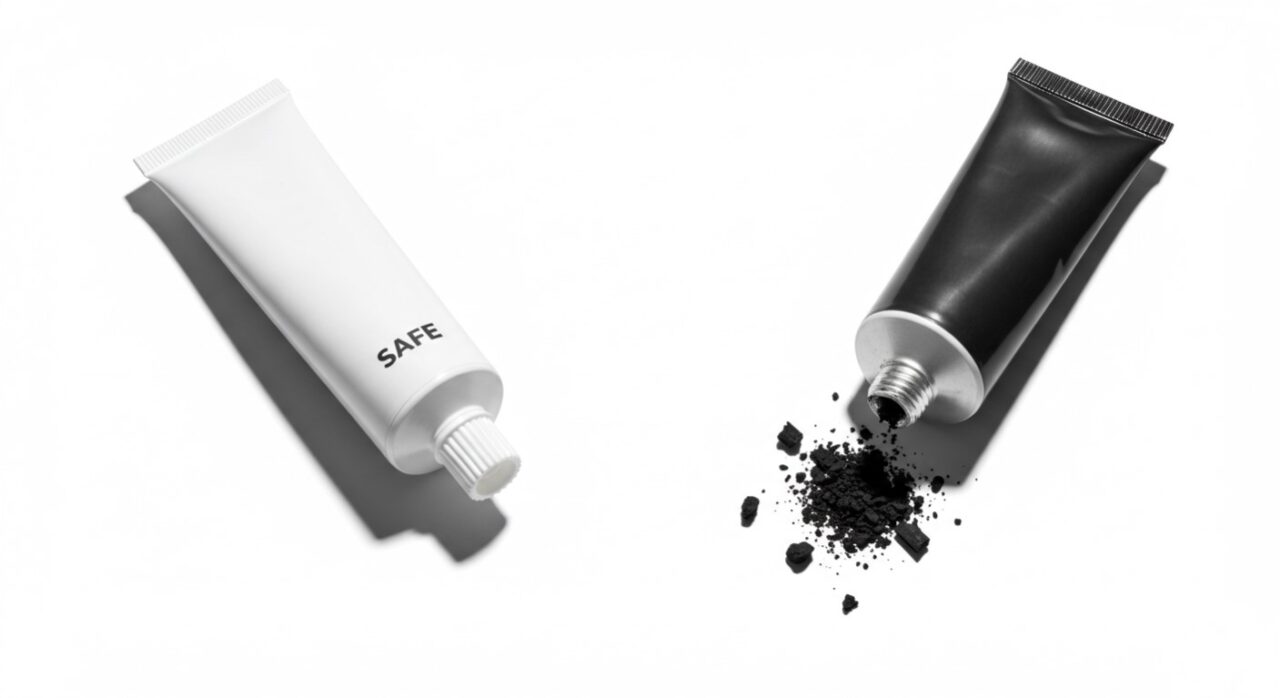
Knowing which toothpaste ingredients can harm bonded teeth is key to preventing damage and maintaining good oral health.
Harsh Abrasives
Harsh ingredients in toothpaste, such as bicarbonate of soda and silica, can damage composite bonding materials, causing dental work to wear out more quickly.
To protect dental work, consider using options such as fluoride toothpaste, which strengthens enamel without harming bonding. Look for gentle formulations labelled as ‘non-abrasive’ or ‘sensitive.’
Brands such as Sensodyne or Crest Pro-Health provide effective options. Incorporating a soft-bristled toothbrush can further minimise wear.
Regular dental check-ups allow your dentist to keep track of your bonding’s condition and suggest personalised care. By making these changes, you can greatly increase how long your dental work lasts.
Acidic Components
Toothpaste containing acidic components can erode enamel and bonding agents, increasing the risk of tooth decay and compromising dental aesthetics.
Common acidic ingredients in toothpaste include citric acid, phosphoric acid, and sodium lauryl sulphate. These ingredients can reduce the pH level in your mouth, which increases the chance of enamel damage.
To combat this, consider using pH-neutral toothpaste options such as Colgate’s Enamel Health or Sensodyne Pronamel, which help protect against acid erosion. Incorporating a fluoride rinse can strengthen enamel and further safeguard your dental health.
It’s essential to check the label for pH levels when selecting toothpaste, aiming for options with a neutral pH of around 7.
Final Thoughts on Maintaining Composite Bonding
Brushing regularly with suitable toothpaste can greatly increase the durability of composite bonding and improve general dental health.
To maximise the benefits, choose a fluoride toothpaste that is non-abrasive to protect the bonding materials. Brush at least twice a day, paying special attention to areas around the bonded surfaces. Consider using a soft-bristled toothbrush to prevent wear.
Incorporating an antimicrobial mouthwash can help reduce plaque build-up. Avoid hard foods and habits like nail-biting, which can chip the bonding. Poor care can also make good work appear like bad composite bonding, leading to staining, premature wear, or uneven edges.
Share your own tips and experiences for looking after your composite bonding below, as learning from others can give new ideas!
Frequently Asked Questions
What is composite bonding and why is it important to use the best toothpaste for it?
Composite bonding is a cosmetic dental procedure that uses a tooth-colored resin material to fix chips, cracks, discolouration or gaps in teeth. It is important to use the best toothpaste for composite bonding to protect and maintain the appearance and durability of the bonded teeth.
What makes a toothpaste suitable for composite bonding?
A toothpaste suitable for composite bonding should be free from harsh abrasives and contain gentle cleaning agents. It should also be fluoride-free as fluoride can weaken the bond between the composite resin and the tooth surface.
Can I use any regular toothpaste for my bonded teeth?
No, it is recommended to use a toothpaste specifically formulated for composite bonding. Regular toothpastes may contain abrasive ingredients that can scratch or damage the bonded surface, leading to discolouration or premature wear.
What are the benefits of using the best toothpaste for composite bonding?
The best toothpaste for composite bonding will help maintain the colour, shine, and strength of your bonded teeth. It will also prevent any damage or staining on the bonded surface, ensuring the longevity of your dental work.
How often should I use the best toothpaste for composite bonding?
It is recommended to use the best toothpaste for composite bonding twice a day, just like any regular toothpaste. This will help keep your bonded teeth clean and protected from any potential damage or discolouration.
Are there any specific ingredients to look for in the best toothpaste for composite bonding?
Yes, look for toothpaste that is specifically formulated for bonded teeth and contains gentle cleaning agents such as silica, calcium carbonate, or hydrated silica. It should not contain fluoride or rough substances like baking soda or charcoal.
Leave a Reply