
What Are Some Alternatives to Dental Implants?
Dental implants often seem like the gold standard for replacing missing teeth, but they’re not the only option. Knowing the different options can be important for those looking for cheap and effective choices with different levels of involvement.
This exploration covers the best alternatives to dental implants, such as dental bridges, partial and full dentures, and weighs their costs and longevity against implants. Find out which option suits your specific dental needs and how talking to a dentist can help you make your choice.
Understanding Dental Implants
Dental implants are a common and successful method for replacing missing teeth, using new technology for strength and performance.
What are Dental Implants?
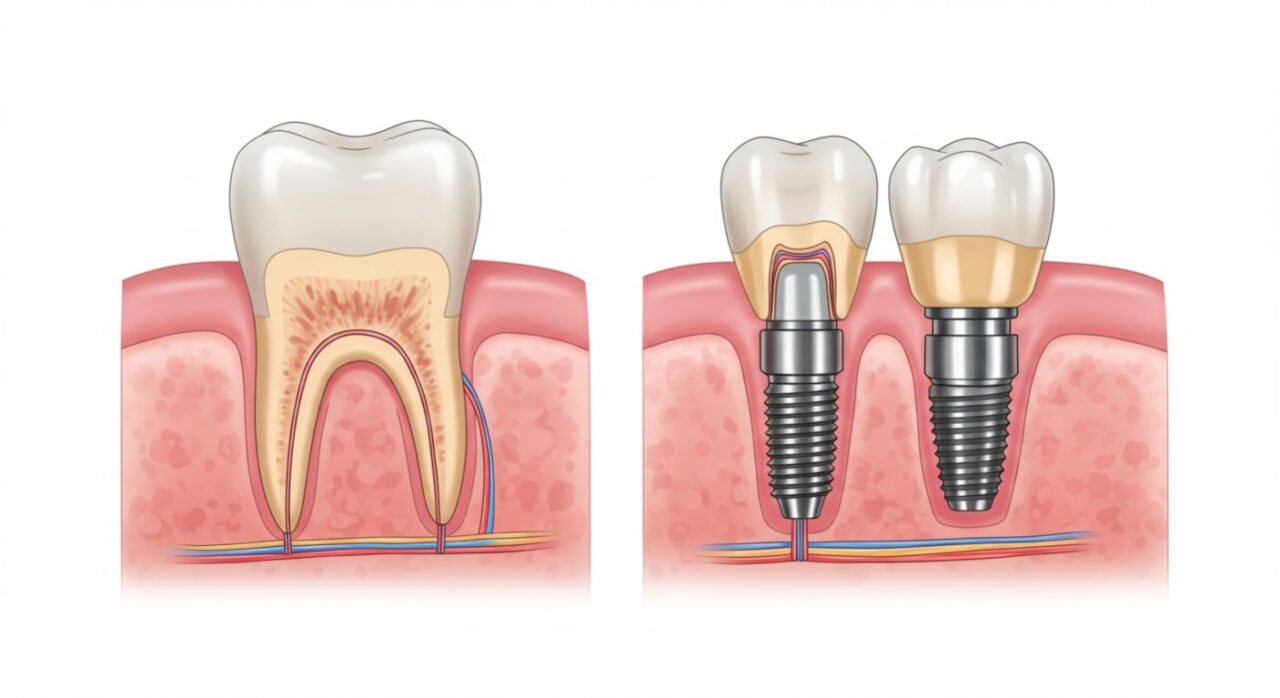
Dental implants are titanium posts surgically inserted into the jawbone, acting as roots for replacement teeth, with a success rate exceeding 95%.
These implants are typically made from biocompatible materials, primarily titanium, which integrates well with the bone.
The insertion process has multiple steps:
- A thorough examination and imaging to assess bone density;
- Fitting the implant in place may require a few months to heal.
- An abutment and crown are added in subsequent visits.
Regular dental appointments lead to better results over time, making dental implants a dependable choice for anyone looking for a sturdy and useful way to replace missing teeth.
Benefits of Dental Implants
The benefits of dental implants include better chewing, better speech, and lasting strength, with studies showing they can last 10-15 years.
Besides these main benefits, dental implants help improve appearance by providing a natural look and increasing self-confidence.
Patients often report a significant improvement in oral health due to easier maintenance compared to dentures. Studies indicate a 95% satisfaction rate among implant recipients, with 80% opting for implants over traditional methods for their longevity.
Tools like Cone Beam CT scans can improve the accuracy of implant placements, resulting in a more successful procedure and recovery.
Common Alternatives to Dental Implants

There are different options instead of dental implants to suit various patient needs.
These include permanent options such as bridges and removable options such as dentures.
Dental Bridges
Dental bridges, which connect adjacent teeth to fill gaps, offer a reliable solution for replacing one or more missing teeth, costing between £500 and £1,200 per unit.
Installed in a few dental appointments, the process begins with an initial consultation and imaging to assess the existing teeth and prepare them for the bridge.
During the second visit, the dentist shapes the neighbouring teeth, takes impressions, and places a temporary bridge. A custom bridge is then made and placed during the final appointment.
Importantly, bridges may put pressure on adjacent teeth, potentially leading to misalignment or decay over time if not properly maintained. Seeing the dentist twice a year helps keep your teeth and gums healthy over time.
Partial Dentures
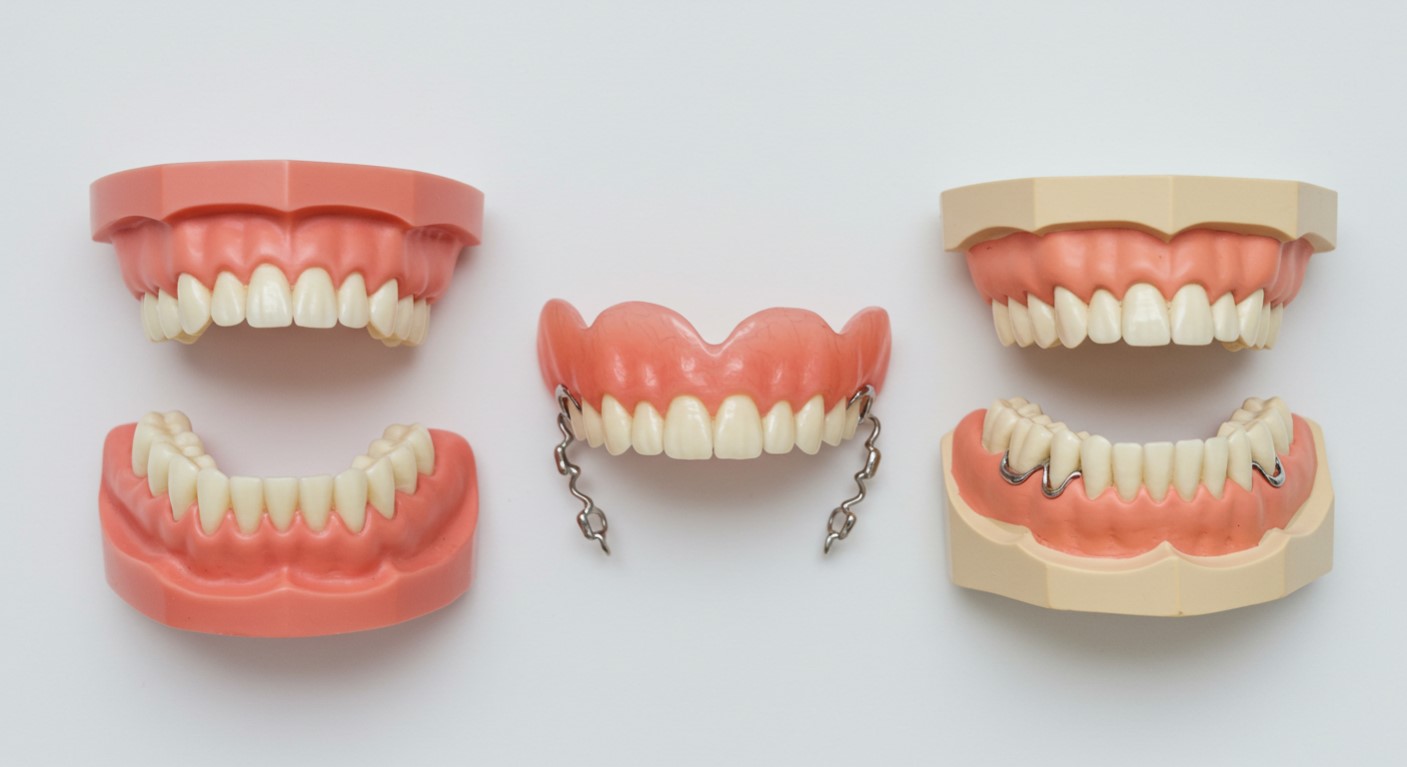
Partial dentures are removable appliances designed to replace multiple missing teeth, typically ranging from £1,000 to £3,500 based on materials and complexity.
These dentures come in various materials, including acrylic, metal, and flexible nylon, each offering unique benefits.
Acrylic is the most affordable choice and works well for small gaps in teeth. Metal frameworks are more durable and fit securely.
Users should clean their partial dentures daily with a mild cleaner and soak them overnight to prevent damage.
Comfort depends on how well they fit, so regular check-ups with a dentist may be needed to keep them functioning well and feeling comfortable.
Full Dentures
Full dentures provide a complete solution for those who have lost all natural teeth, with an average cost of £1,300 to £3,000, depending on the quality and fit.
There are two main types of full dentures: conventional and immediate. Conventional dentures are made once teeth are extracted and the mouth has healed, which takes a few weeks to complete.
Conversely, immediate dentures are made prior to extraction and can be placed immediately afterwards, providing instant aesthetics. Patients often report a learning curve with immediate dentures, requiring adjustments for comfort over time.
People should book follow-up appointments to make fitting changes for better comfort and use.
Comparing Alternatives

Exploring different options instead of dental implants helps patients make informed choices based on cost, how long they last, and how much maintenance they require.
Cost Analysis
The cost of dental treatments varies significantly, with dental implants averaging £2,400 to £3,600 per tooth compared to bridges at £400 to £960.
When considering these options, it is essential to evaluate long-term costs and benefits.
Dental implants may have a higher price at first, but with proper maintenance, they typically last 10 to 15 years or even more, making them a solid option over time for many individuals. However, bridges often require replacement every 5 to 10 years, resulting in greater long-term expenses compared to implants.
It is also important to note that NHS dental treatment usually does not cover implants unless there is a clear medical need, meaning most patients will need to pay privately. Bridges, on the other hand, are sometimes available on the NHS under certain circumstances, which can make them a more accessible option.
Dental insurance often covers part of the cost of bridges but may not cover implants, so check your policy for specifics. Knowing both your short-term and long-term costs can help you make the right decision for your dental health.
Longevity and Maintenance
It’s important to know how long dental solutions last and their upkeep needs. Implants can last over 15 years, while dentures often need to be replaced every 5 to 10 years.
Bridges offer a middle ground, generally lasting 10 to 15 years but requiring regular care and potential replacement of the supporting teeth.
Maintenance varies; while implants need routine check-ups, dentures require daily cleaning and occasional adjustments.
For instance, a patient named Lisa shared her experience, stating,
‘My implant has held up beautifully for over a decade with proper maintenance and has significantly improved my quality of life.’
Mark thought about how he gets his dentures changed every six years and stressed the need for a trustworthy dentist for comfort and long-lasting results.
Choosing the Right Option for You
Choosing the right dental solution relies on personal health needs, lifestyle, and financial situation, requiring careful consideration of all options available.
- Start by assessing your oral health needs; for instance, if you have missing teeth, dentures might be a suitable option. Fixed options like bridges typically offer greater stability but require more extensive dental work.
- Then, consider your lifestyle: if you prefer flexibility, removable options may be best.
- Set a budget: simple dentures can range from £300 to £5,000, while fixed bridges can exceed £15,000.
- Following these steps will help you make a choice that fits your situation.
Consultation with Dental Professionals

Talking to dental professionals is important to obtain advice on treatment options that suit your needs, so you can make a well-informed decision.
During your dental consultation, be prepared with specific questions to maximise the visit’s value. Inquire about all treatment alternatives, not just the one recommended.
Ask,
“What are the benefits and risks of each option?”
This allows you to compare methods thoroughly. Inquire about costs, recovery times, and any necessary follow-up procedures.
Pay attention to the dentist’s explanations—clarity and transparency are key indicators of their professionalism. If anything feels unclear, don’t hesitate to ask for further details.
Having open communication will make treatment more enjoyable.
Frequently Asked Questions
What are some alternatives to dental implants?
Some alternative options to dental implants include dental bridges, dentures, and mini dental implants.
How do dental bridges compare to dental implants?
Dental bridges are a non-surgical alternative to dental implants that involve attaching a false tooth to the surrounding natural teeth. They can be a good option for those who do not have enough jawbone to support implants.
Are dentures a good alternative to dental implants?
Dentures are a removable option for replacing missing teeth. While they are a more cost-effective alternative to dental implants, they may not provide the same level of stability and functionality.
What are mini dental implants and how do they compare to traditional implants?
Mini dental implants are smaller in size and require less invasive surgery compared to traditional dental implants. They are a good alternative for those with smaller jawbones or limited budget.
How long do alternative options to dental implants typically last?
The lifespan of alternative options such as dental bridges and dentures varies, but they can last between 5-15 years with proper care. Mini dental implants can last 10-15 years, while traditional dental implants can last a lifetime with proper maintenance.
What factors should I consider when choosing an alternative to dental implants?
When considering an alternative to dental implants, factors such as cost, desired outcome, and oral health should be taken into account. It’s important to consult with your dentist to determine the best option for your specific needs.
Leave a Reply