
Dental Implant Aftercare Instructions
A dental implant can change your smile, but the process continues after the surgery. Taking care of your implant properly is important for its success and for keeping your mouth healthy.
Knowing how to handle pain, keep clean, and spot problems can really help. This guide provides key tips for dental implant aftercare, meal recommendations, and warning signs to help you recover smoothly. Learn how to keep your teeth clean and strong!
Immediate Post-Procedure Care
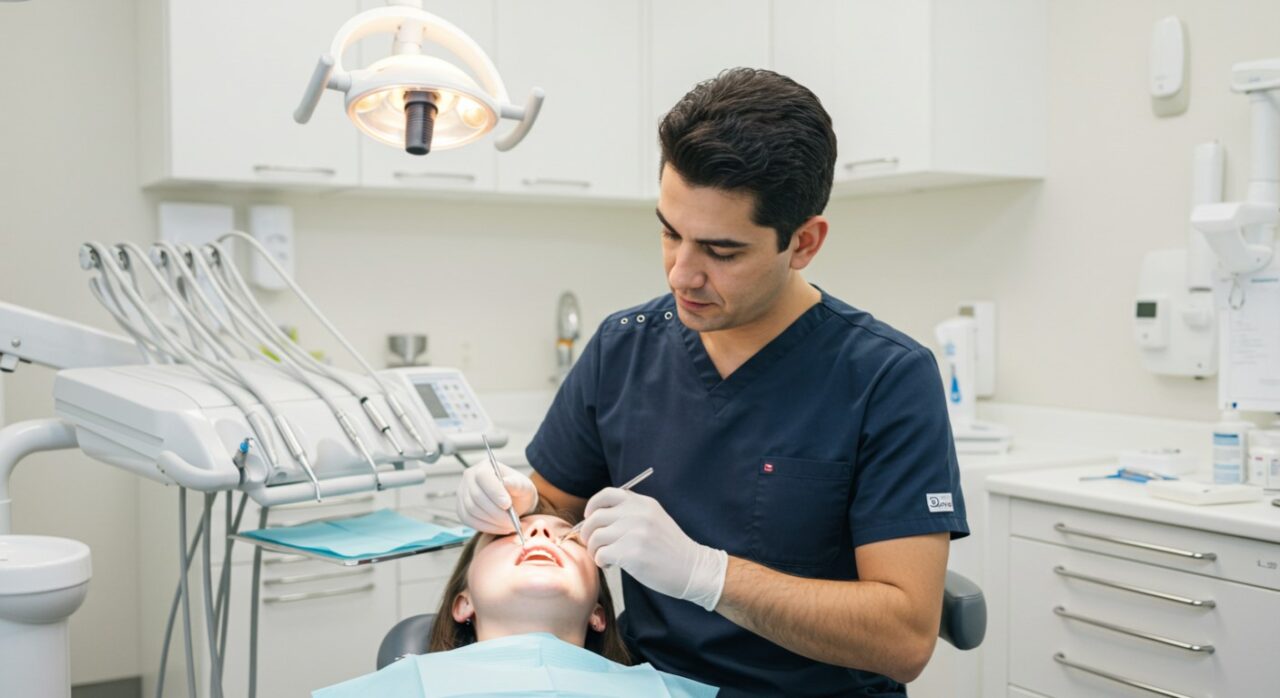
Caring for your mouth immediately after dental implant surgery can greatly affect how well and quickly you heal, reducing pain and accelerating recovery.
Managing Discomfort and Pain
Managing discomfort after dental implant surgery is essential; over-the-counter medications can help alleviate pain effectively.
Begin by using recommended pain medication such as Ibuprofen, priced at about £10 for 100 tablets.
Applying ice packs for 15 minutes each hour can significantly reduce swelling and numb pain during the first 24 hours. After this initial period, switch to a warm saltwater rinse to promote healing and comfort.
Many patients report noticeable relief when following this regimen. For instance, one patient shared that regular application of ice made a significant difference in managing discomfort, allowing them to eat and speak comfortably sooner.
Swelling and Bruising
Swelling and bruising often occur after surgery, usually reaching their highest point within the first 48 hours.
To minimise swelling, follow a few actionable steps.
- Keep using ice packs, like FlexiKold (£15), for good cooling; use them for 15-20 minutes each hour.
- Keep your head raised—use pillows or sit up to lower blood flow to the area.
- Monitor and document the swelling’s progress, noting any changes to share with your dentist during follow-up appointments.
This proactive approach can help in managing your recovery and alleviating discomfort.
Oral Hygiene Practices

It’s important to keep your mouth clean after getting dental implants to prevent infections and help the implants attach properly to the bone.
Brushing and Flossing Techniques
Gentle brushing and careful flossing are essential to protect the surgical site while maintaining oral cleanliness.
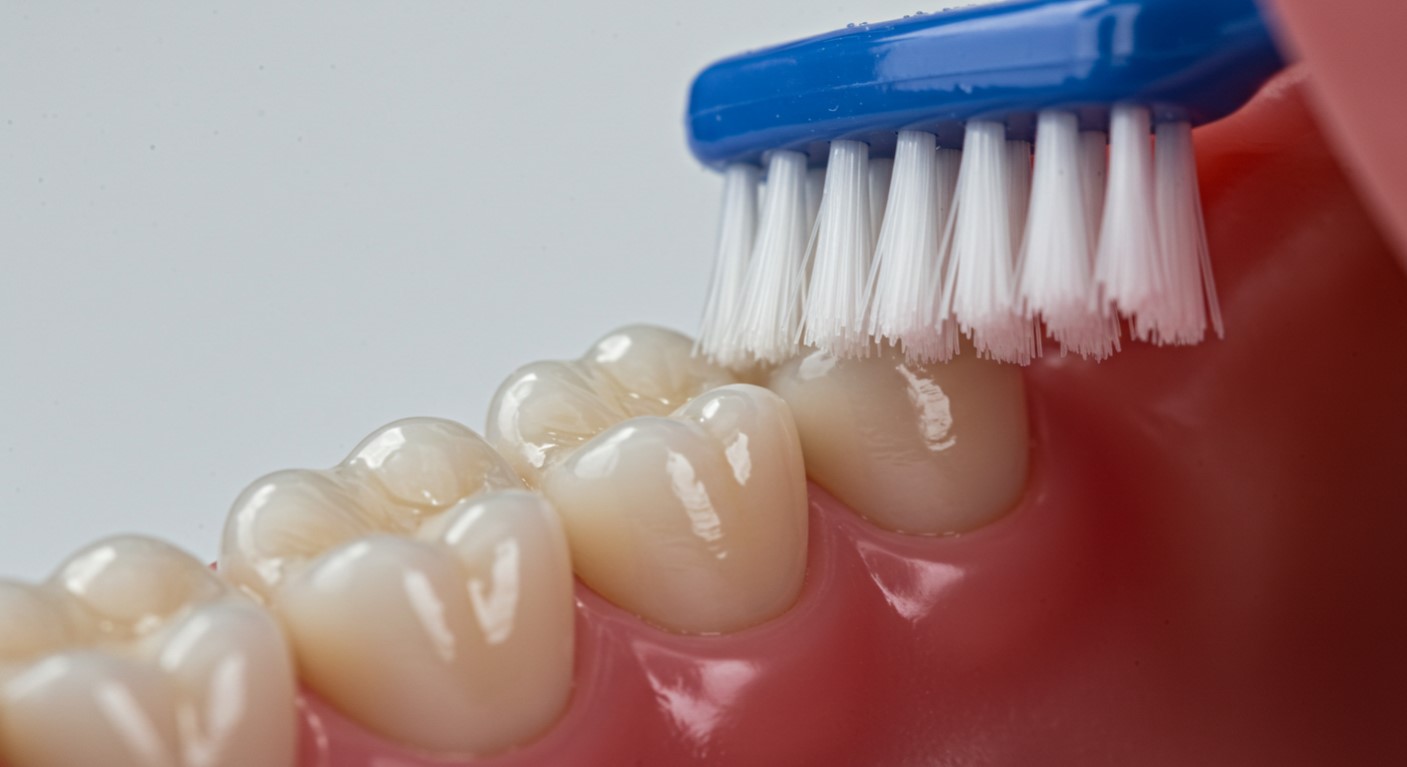
Begin by using a soft-bristle toothbrush, such as the Oral-B Pro-Health, which costs around £5, to prevent irritation at the implant site.
Brush carefully around the area, being gentle to avoid interfering with healing. Use unwaxed dental floss to clean between teeth gently and safely.
You should wait at least two weeks after surgery before returning to brushing firmly or using regular waxed floss. This waiting period helps with recovery and lowers the risk of complications.
Use of Antiseptic Mouthwash
Using an antiseptic mouthwash can significantly reduce the risk of infection during the initial healing phase after implant surgery.
For optimal results, rinse with a non-alcoholic antiseptic mouthwash like Listerine Zero twice daily, ensuring you swish it around your mouth for at least 30 seconds. Avoid swallowing the mouthwash, as it is designed for oral hygiene and not ingestion.
Research published in the Journal of Clinical Periodontology indicates that patients who used antiseptic mouthwash showed a 20% reduction in post-operative infections compared to those who did not.
Wait at least 30 minutes after rinsing before eating or drinking to maximise its effectiveness.
Dietary Recommendations

Following certain dietary guidelines can help you recover and remain comfortable while healing after dental implant surgery.
Foods to Avoid
Some foods can worsen pain and slow recovery, so it is important to avoid them after surgery.
To support your recovery, steer clear of hard foods like nuts, which can cost around £5 and risk damaging sensitive gums. Spicy foods can irritate the healing tissue, while sticky items such as caramel (approximately £3 for a pack) can pull at stitches.
Instead, opt for soft alternatives like smoothies, yoghurt, and mashed potatoes. These options provide essential nutrients while being gentle on your mouth, ensuring a smoother healing process.
Recommended Soft Foods
Incorporating soft foods into your diet can facilitate healing and minimise discomfort during recovery from dental implant surgery.
Think about preparing meals with a variety of tender foods to offer a good mix of nutrients and help with healing.
Yoghurt, particularly Greek yoghurt, is rich in protein and can be enjoyed plain or with puréed fruits; about £3 for 900g makes it budget-friendly.
Mashed potatoes, easily flavoured with butter or sour cream, provide comfort and satiety.
Smoothies with bananas and yoghurt taste great and provide important nutrients; each one costs about £0.80.
Preparing these meals in advance can make your recovery diet easier to follow, so you always have healthy food ready to eat.
Follow-Up Appointments

It is important to schedule and attend follow-up appointments to check how well the dental implant is healing and to see if it is functioning properly.
Typically, the follow-up schedule includes:
-
an initial inspection one week post-surgery to evaluate the surgical site;
-
a follow-up appointment one month later to check for osseointegration, which is the integration of the implant with the jawbone;
-
and regular check-ups every three to six months after that.
Following this schedule is important to identify problems early and confirm that the implant is healing properly. Talking openly with your dentist about any pain or issues can help you get the best results, and in some cases your dentist may also discuss an alternative to dental implants if healing does not progress as expected.
Signs of Complications

Identifying problems early can help dental implant patients avoid serious issues.
Infection Symptoms
Signs of infection can include increased pain, swelling, and discharge at the implant site.
Plus these signs, specific symptoms to watch for are:
- pain that is much worse than usual
- pus formation around the implant,
- a fever above 38.3°C.
If you notice any of these symptoms, it is important to act immediately. Contact your dental professional as soon as possible for assessment and possible intervention. Delay can lead to complications, so proactive communication with your dentist improves the chances of effective treatment and recovery.
Implant Failure Indicators
Signs that an implant might not be working correctly include the implant moving and ongoing pain after the normal healing time.
Other signs to watch for include unusual sensitivity or pain radiating from the site, and noticeable gum recession around the implant.
If you notice any of these symptoms, see your dentist immediately for a check-up. Early intervention can often prevent further complications and save the implant.
Your dentist might use imaging tests and check how your teeth fit together to decide the best steps, which could involve changes, further treatments, or removal.
Long-Term Care for Dental Implants

Looking after dental implants regularly helps maintain their health and effectiveness.
Regular Dental Check-Ups
Regular dental check-ups are important for checking the condition of dental implants and general oral health.
To keep your dental implants in good condition, use this checklist during your visits:
- Book your check-ups twice a year for consistent monitoring.
- Discuss any concerns, such as discomfort or movement, directly with your dentist.
- Request X-rays periodically to assess the integrity and stability of your implants.
Maintaining Overall Oral Health
Maintaining a thorough oral care routine is important for the longevity of dental implants and your general health.
To provide the best care, follow these practices:
- Brush twice daily with fluoride toothpaste, preferably one that is non-abrasive and designed for sensitive gums.
- Floss daily to clean plaque from hard-to-reach spots.
- Use an antimicrobial mouthwash such as Colgate Total to prevent bacterial growth.
- Go to the dentist twice a year to get your teeth cleaned and checked for problems.
Following these steps will help your dental implants last longer and improve your oral health.
Frequently Asked Questions
What is dental implant aftercare?
Dental implant aftercare includes the steps and procedures to follow after receiving a dental implant to promote proper healing and long-lasting success of the implant.
Why is dental implant aftercare important?
Taking good care of your dental implant is important for it to work well. This includes minimising the risk of infection, promoting healing, and ensuring the implant integrates with your jawbone properly.
How do I care for my dental implant after the procedure?
After the procedure, your dentist will provide specific instructions for caring for your dental implant. This might involve not eating tough or sticky foods, keeping the area tidy, and following directions for any medicine prescribed.
What are some common complications of improper dental implant aftercare?
Failure to properly care for your dental implant can lead to complications such as infection, implant failure, and delayed healing. It is important to follow your dentist’s instructions carefully to prevent these issues.
How long does it take for a dental implant to heal?
The healing process for a dental implant can vary from person to person, but it typically takes about 3-6 months for the implant to fully connect with the jawbone. Make sure to follow the right steps for care during this period to help the healing process work well.
Are there any long-term maintenance requirements for dental implants?
Yes, after your dental implant has fully healed, it is still important to maintain good oral hygiene and visit your dentist regularly for check-ups. This can help avoid problems and make your dental implant last longer.
Leave a Reply