

Why Are Dental Implants so Expensive?
The high cost of dental implants often raises eyebrows, prompting patients to question their worth and wonder why are dental implants so expensive. Understanding these expenses is crucial, as dental implants play a pivotal role in restoring oral health and enhancing quality of life.
This article delves into the various factors contributing to the price, from material quality and procedural complexity to the expertise required and geographical pricing differences. Explore how insurance options and financing can impact affordability while assessing the long-term value dental implants provide.
Definition of Dental Implants
A dental implant is a titanium post that is surgically inserted into the jawbone, providing a durable foundation for replacement teeth and offering a biocompatible solution for tooth loss.
The implant comprises three primary components: the post, the abutment, and the crown. The titanium post is renowned for its strength and resistance to corrosion, and it integrates with the jawbone through a process known as osseointegration, which typically requires several months to complete.
Upon successful integration, an abutment is affixed to the post, serving as a connector to the final crown, which is tailored to aesthetically match the patient’s natural teeth. This multi-step procedure not only restores functional capacity but also contributes to the maintenance of jawbone health, preventing deterioration over time.
Importance of Dental Implants in Oral Health
Dental implants play a significant role in enhancing oral health by preventing bone loss, preserving facial structure, and improving the ability to chew and speak, ultimately contributing to an improved quality of life.
For many people considering the treatment, one of the biggest worries is the level of pain involved. The procedure itself is carried out under local anaesthetic (and sometimes sedation), so patients generally feel little to no discomfort while it’s happening. Any soreness afterwards is usually mild, temporary, and can be managed with over-the-counter pain relief, similar to what you might expect after a routine tooth extraction.
Research demonstrates that dental implants can reduce jawbone deterioration by more than 90%. This reduction is attributed to the stimulation of the jawbone by the implants, akin to the function of natural tooth roots.
Furthermore, a study indicated that 95% of patients experienced improved oral function after receiving implants, reporting benefits such as easier chewing and clearer speech.
To realise these advantages, it is advisable to consult with an oral surgeon or prosthodontist, who can assess individual circumstances and determine candidacy for the procedure. The investment in dental implants frequently leads to long-term satisfaction and enhanced health outcomes.
Factors Contributing to the Cost of Dental Implants
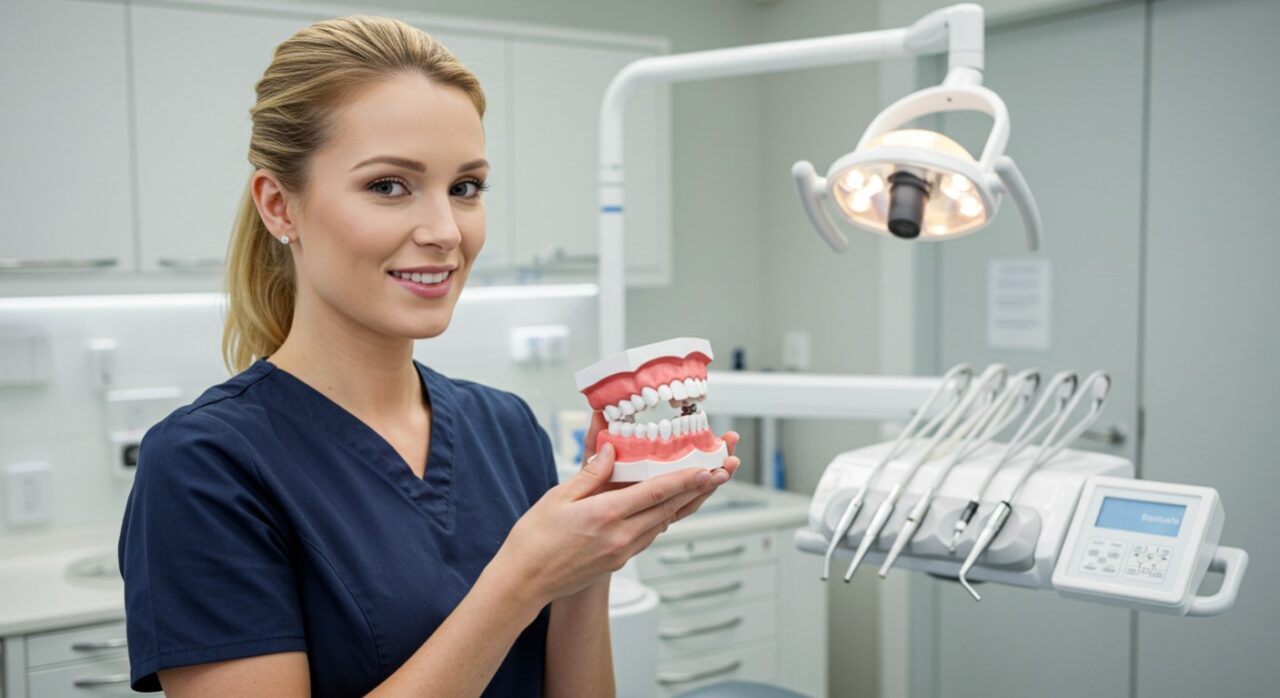
Understanding the cost of dental implants necessitates a comprehensive analysis of several interconnected factors, each of which significantly influences the final price that patients may incur.
Material Quality
The quality of materials used in dental implants, particularly titanium, is essential in determining their longevity and biocompatibility, which directly influences the overall cost.
High-quality implants, such as those produced by Nobel Biocare, are manufactured from premium-grade titanium, which enhances durability and minimises the likelihood of complications. For instance, Nobel Biocare’s implants incorporate a unique surface treatment that facilitates faster osseointegration, resulting in an increased success rate of over 95%.
In contrast, less expensive alternatives may use lower-grade titanium, which can lead to elevated failure rates and may necessitate early replacements.
Investing in superior implants not only ensures improved clinical outcomes but can also be a cost-effective decision in the long term by reducing the need for additional procedures.
Complexity of the Procedure
Procedural complexity, encompassing the surgical technique and the duration required for placement, plays a significant role in determining the cost of dental implants, which typically ranges from £1,500 to £6,000 per implant.
For example, procedures that involve bone grafting—which is often necessary for patients with inadequate bone density—can increase the total cost by an additional £500 to £3,000. Similarly, sinus lifts, which may be required for implants in the upper jaw, generally range from £1,000 to £2,500.
Patients should also account for additional expenses, such as anaesthesia and follow-up care, which can collectively amount to an extra £300 to £1,000.
Therefore, it is essential for patients to engage in a comprehensive consultation with a dental professional to clearly understand the specific requirements and overall costs associated with their individual cases.
Technology and Equipment Used
The implementation of advanced technology and specialised equipment, such as 3D imaging and guided implant surgery, may require a substantial initial investment; however, these innovations can lead to improved outcomes and operational efficiency.
For instance, a Cone Beam CT scanner typically incurs costs ranging from £300,000 to £400,000. While this represents a considerable upfront expenditure, the scanner significantly enhances diagnostic accuracy and reduces the time required for treatment planning, frequently resulting in heightened patient satisfaction.
Furthermore, the integration of guided implant surgery technology can optimise procedural workflows, thereby minimising recovery times and reducing the risk of complications.
Practices that allocate resources towards these technologies often experience a favourable return on investment, manifested through increased patient referrals and elevated procedural volumes. Consequently, the initial financial outlay can be effectively balanced with prospective long-term benefits.
Laboratory Costs
The costs associated with laboratory services for the production of custom prosthetics, such as crowns or bridges, can vary significantly, typically ranging from £500 to £2,000. This range substantially contributes to the overall expense of dental implants.
Several factors influence these costs, including the materials used, the complexity of the design, and the geographical location of the laboratory. For example, a metal-ceramic crown may be priced at approximately £800 in one laboratory, while a full porcelain crown could reach upwards of £1,500 in another facility.
Additionally, laboratories that specialise in advanced techniques, such as CAD/CAM technology, tend to charge higher fees due to the investment in specialised equipment.
Furthermore, local market conditions can lead to considerable variations in pricing; urban laboratories may adopt different pricing structures compared to their rural counterparts, reflecting the differences in local demand and production costs.
Professional Expertise Required

The expertise of dental professionals, encompassing their training, qualification, and experience, plays a vital role in determining both the quality and cost of dental implant surgery.
Training and Certification of Dental Professionals
Dental surgeons are required to complete extensive training and certification programmes, such as those provided by the American Academy of Implant Dentistry, which may take up to 10 years to finalise.
During this period, individuals aspiring to become dental surgeons undergo a comprehensive education process that includes obtaining a dental degree, followed by a minimum of four additional years in a surgical residency.
Certification involves passing rigorous examinations and often necessitates ongoing education to remain current with the latest techniques and safety protocols.
These qualifications have a significant impact on the costs associated with procedures; for example, credentials such as board certification can justify higher fees due to the enhanced expertise and safety measures provided by the surgeon.
Ultimately, patients may incur higher expenses for procedures performed by highly qualified professionals, underscoring the importance of thorough training in the field.
Experience and Reputation of the Dentist
Dentists with extensive experience and a strong reputation are often able to charge 20-30% more for implant procedures, owing to their proven track record and increased demand. Patients frequently express a willingness to pay a premium for practitioners they trust, particularly when they have access to testimonials or reviews that highlight successful cases.
For example, a dentist with over 15 years of experience may consistently receive positive ratings on platforms such as Yelp or Healthgrades, indicating a robust history of satisfied patients. Statistics demonstrate that 74% of patients select their healthcare providers based on referrals, which underscores the significance of a practitioner’s reputation.
Investing in a well-structured online presence and effective customer communication can further enhance a dentist’s standing within the community.
Geographical Variations in Pricing
The cost of dental implants varies considerably depending on geographical location, as it is influenced by local economic conditions and market demand.
Urban vs. Rural Pricing Differences
Dental implant costs tend to be higher in urban areas, typically ranging from £3,000 to £7,000, compared to rural areas where prices can be significantly lower, averaging between £1,500 and £4,000 due to reduced overhead expenses.
In metropolitan locations such as New York City, the cost of implant procedures may approximate £4,500, reflecting the elevated rent and labour costs associated with urban environments. In contrast, in rural towns like Boise, Idaho, the same procedure may only amount to approximately £2,000.
Additionally, variations in insurance coverage can significantly impact out-of-pocket expenses. Urban clinics may accept a broader range of insurance plans, while rural practices might concentrate on local providers.
Conducting thorough research on specific clinics and comparing quotes can yield valuable insights into potential savings on dental implants.
Regional Economic Factors
Regional economic factors, including local income levels and the demand for dental services, have a significant impact on the cost of dental implants, with some areas experiencing a variance of up to 40%.
For example, in metropolitan regions with higher income levels, such as New York City, the price of dental implants can range from £3,500 to £5,500. In contrast, rural areas may offer costs as low as £2,000 to £3,000, attributed to lower overhead expenses associated with dental practices.
Additionally, factors such as the availability of advanced technology and the level of specialisation of local dentists can further influence pricing.
Utilising dental insurance or financing options can also mitigate the financial burden, thereby enhancing the accessibility of implants, irrespective of geographic location.
Insurance and Financing Options

A comprehensive understanding of insurance and financing options is crucial for patients considering dental implants, as appropriate coverage can substantially reduce out-of-pocket costs.
Typical Insurance Coverage for Dental Implants
Most dental insurance plans typically cover between 50% and 80% of the costs associated with dental implants, depending on the specifics of individual plans and their respective lifetime maximums. This coverage can significantly reduce the financial burden associated with these procedures.
For example, a plan that offers 50% coverage for dental implants may have an annual maximum benefit of £1,500, which would translate to a reimbursement of up to £750 for the procedure. Conversely, a more comprehensive plan with an 80% coverage rate might provide up to £1,200, thus offering a greater financial cushion for patients.
It is essential for patients to thoroughly examine the details of their insurance plans, including any waiting periods and limitations regarding implant coverage, as these factors can vary considerably.
Additionally, collaborating with their dentist can be beneficial in negotiating costs or exploring financing options if necessary.
Financing Plans Offered by Dental Practices
Many dental practices provide flexible financing plans, such as CareCredit, which enables patients to finance their dental implant procedures with payments as low as £100 per month.
Along with CareCredit, these practices may also offer in-house financing options, which allow for the creation of customised payment plans that cater to individual budgets.
The typical interest rates for these financing plans range from 0% to 18%, contingent upon the patient’s creditworthiness. Patients generally have the option to select payment terms of 6, 12, or even 24 months.
By offering these flexible financing options, dental practices facilitate cost management for patients seeking necessary treatments, thereby enhancing patient satisfaction and increasing the acceptance rates of recommended treatments.
Long-Term Value of Dental Implants

Investing in dental implants offers long-term value, as the advantages often surpass the initial costs. Their durability and significant positive effect on quality of life contribute to this favourable assessment.
Durability and Longevity Compared to Other Options
Dental implants demonstrate an impressive success rate of up to 98% and have the potential to last a lifetime with appropriate care, rendering them a more durable alternative compared to dentures and bridges.
In contrast, dentures generally require replacement every 5 to 10 years, with success rates ranging from 50% to 80% after a decade. Bridges may have a lifespan of 5 to 15 years but can also contribute to additional dental complications.
For instance, a study published in the Journal of Oral Implantology reported that 95% of dental implants remained intact after a period of 10 years, underscoring their long-term viability.
Patients, such as those who have chosen implants over dentures, have reported enhanced comfort and functionality, significantly improving their overall quality of life.
Impact on Quality of Life
Patients report a 90% satisfaction rate with dental implants, citing improvements in self-esteem, enhanced eating habits, and increased comfort in daily life.
Numerous patients also experience notable enhancements in their quality of life. A study conducted by the British Dental Association indicates that 76% of individuals receiving implants feel more confident in social situations.
Dental implants promote better nutrition, as patients frequently attest to enjoying a wider variety of foods due to improved chewing efficiency. Testimonials emphasise the comfort of implants in comparison to traditional dentures, significantly alleviating gum irritation and reducing the reliance on adhesives.
These factors collectively contribute to a comprehensive enhancement of overall well-being.
Summary of Key Points
The primary factors influencing dental implant costs encompass the quality of materials, the complexity of the procedure, and regional pricing variations, in addition to financing options that enhance affordability.
Patients should take into account the experience of the dental professional, as this can significantly impact costs. For example, while an experienced surgeon may charge a higher fee, their expertise can reduce the risk of complications, potentially leading to long-term financial savings.
It is advisable to conduct thorough research on local dentists and compare quotes in order to strike a balance between expertise and affordability. Utilising financing options such as CareCredit can facilitate the management of high-cost procedures by allowing for monthly payments.
Additionally, patients should always inquire about any hidden fees associated with consultations, imaging, or follow-up care to prevent unexpected expenses.
Final Thoughts on the Cost of Dental Implants
Ultimately, while dental implants constitute a significant financial investment, their benefits and long-term value render them a worthwhile consideration for many patients.
Investing in dental implants can substantially enhance an individual’s quality of life. They not only improve oral function—facilitating easier chewing and speaking—but also contribute to the maintenance of jawbone health, thereby preventing the changes in facial structure commonly associated with missing teeth.
For instance, the osseointegration process, during which the implant fuses with the jawbone, typically occurs within a timeframe of three to six months. It is essential to select a qualified oral surgeon or periodontist; thorough research into their qualifications and patient reviews can assist in making an informed decision, ensuring the patient receives the highest standard of care possible.
Further Resources
To enhance your understanding of dental implants, it is advisable to explore the following additional resources that offer further insights and research on the subject.
Links to Studies and Articles
The following resources are highly valuable:
- American Academy of Implant Dentistry – Implant Research Studies
- Journal of Dental Research – Cost Analysis of Dental Implants
- Patient Education Resources on Dental Implants
Additionally,
- National Institutes of Health – Oral Health Topics provides comprehensive information regarding dental implants, including details on surgical procedures and recovery processes.
- The American Dental Association – Dental Implants offers authoritative content on the various types and benefits of dental implants.
Utilising these resources can significantly enhance one’s understanding of the procedures, associated costs, and post-operative care, thereby facilitating knowledge-based decision making for both dental professionals and patients.
Frequently Asked Questions
Why are dental implants so expensive?
Dental implants are artificial tooth roots that are used to replace missing teeth. They are made of high-quality materials and require advanced technology and specialised training for placement, which makes them more expensive than other tooth replacement options.
Why are dental implants more expensive than other tooth replacement options?
The cost of dental implants is higher due to the complexity of the procedure and the materials used. Unlike other options such as dentures or bridges, dental implants require surgery and the use of high-quality materials like titanium and porcelain, which contribute to their higher cost.
Do dental implants require any additional procedures that add to the cost?
In some cases, additional procedures such as bone grafting or sinus lifts may be needed before the dental implant can be placed. These procedures help create a strong foundation for the implant and can add to the overall cost of the treatment.
Are there any long-term cost benefits of dental implants?
While dental implants may have a higher upfront cost, they can actually save you money in the long run. Unlike dentures or bridges, which may need to be replaced or adjusted over time, dental implants can last a lifetime with proper care, making them a cost-effective option in the long-term.
Can I negotiate the cost of dental implants with my dentist?
Some dentists may offer payment plans or financing options to make dental implants more affordable. While it is not common to negotiate the cost of dental implants, it never hurts to ask about any available options or discounts that may help make the treatment more affordable for you.
Is there any way to lower the cost of dental implants?
If you are concerned about the cost of dental implants, you can also consider getting multiple quotes from different dentists to compare prices. However, keep in mind that the quality of the materials and the experience of the dentist are important factors to consider when making a decision, so the lowest price may not always be the best option.
Leave a Reply