
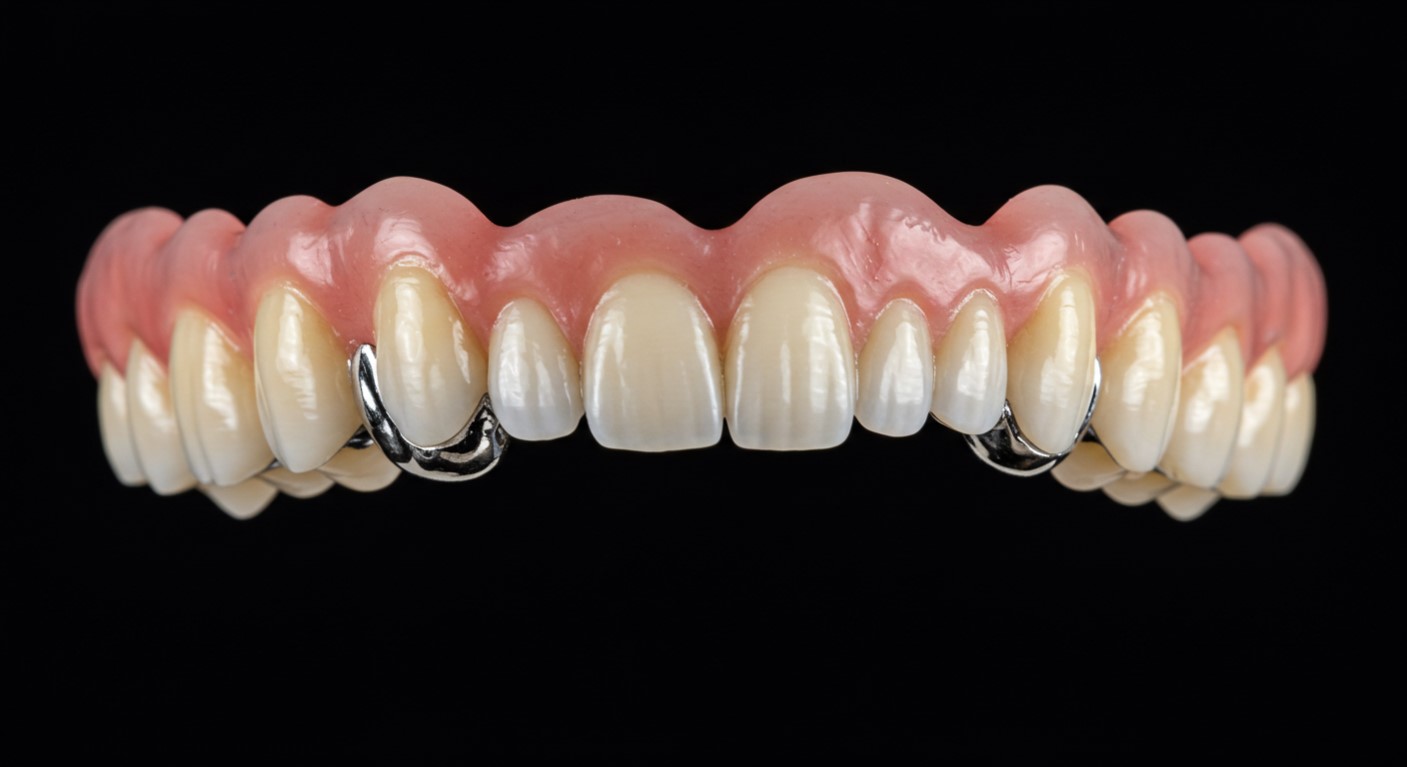
What Is a Bridge Denture and How Does It Work?
Missing teeth can impact more than just your smile; they can affect your confidence and overall quality of life. Bridge dentures offer a practical solution, restoring both aesthetics and functionality.
In this article, we will look at the various kinds of bridge dentures, what advantages they offer, and how they are fitted. Plus, we’ll discuss essential care tips and potential risks. Learn how bridge dentures can change your smile and improve your everyday life.
Definition and Purpose
A bridge denture is a dental prosthesis designed to replace missing teeth, securing to adjacent teeth or implants to restore functionality and aesthetics.
These prosthetics are very important; about 30% of adults have missing teeth, which affects their dental health and ability to chew.
Bridge dentures improve chewing function by distributing bite forces evenly and enabling better food intake. They help maintain the position of adjacent teeth, preventing shifting due to gaps.
Regular dental check-ups and proper cleaning methods—such as using floss threaders—are essential for their longevity. They contribute significantly to both health and confidence by enhancing the smile and functionality.
Types of Bridge Dentures
Bridge dentures come in different types: fixed, removable, and implant-supported. Each type is designed for particular patient needs and dental situations.
Fixed bridge dentures provide a permanent solution, ideal for patients with healthy adjacent teeth. An example scenario is a patient who has lost a single tooth due to decay; a fixed bridge can be cemented onto the neighbouring teeth.
Removable dentures, on the other hand, are suited for patients with multiple missing teeth and require regular maintenance.
Implant-supported bridges work well for patients who do not have enough bone structure. They are more durable. For example, a patient who needs a full set of teeth replaced might choose this option.
In terms of cost, fixed bridges average £1,500-£3,750 per tooth, while removable dentures range from £450-£1,350, and implant-supported options can exceed £15,000.
Benefits of Bridge Dentures

Using bridge dentures can greatly improve a person’s life by enhancing the appearance and functionality of their teeth.
Improved Aesthetics
Patients say they’re 90% happy with how bridge dentures look, as these dentures can significantly improve facial appearance.
The aesthetic improvements are achieved through custom colour matching, ensuring that the dentures blend seamlessly with existing teeth.
A professional fitting restores facial structure by filling gaps and creating a more youthful appearance. One patient mentioned that their self-confidence greatly improved after the procedure, as they felt their smile appeared natural and lively.
Photos taken before and after highlighted noticeable changes around the cheeks and jawline, showing how bridge dentures can change the look of the face.
Enhanced Functionality
Bridge dentures can restore up to 85% of natural chewing function, significantly improving the ability to eat a wider range of foods.
Patients say their bite is better aligned and supported, which allows them to eat foods that were hard to chew before, such as fruit, vegetables, and tough meats.
For instance, a study showed that after acquiring bridge dentures, over 70% of participants could eat apples and steak without discomfort. This renewal improves nutrition and supports mental health by allowing people to join social meals more fully.
Going to the dentist regularly is important to make sure your dentures fit correctly and work as they should.
Types of Bridge Dentures

Knowing the different types of bridge dentures helps choose the right option for each patient.
Fixed Bridge Dentures
Fixed bridge dentures are securely cemented onto adjacent teeth or implants, providing a stable and permanent solution for missing teeth.
The construction of fixed bridge dentures typically involves multiple appointments. Initially, the dentist prepares the adjacent teeth by reshaping them to accommodate crowns. Impressions are then taken to create a custom bridge that matches the patient’s bite and aesthetic needs.
Benefits include better chewing, more comfort, and preventing the remaining teeth from moving. Ideal candidates are those with healthy adjacent teeth or implants.
For example, fixed bridges are often the preferred choice for patients who have lost a tooth due to injury, ensuring a natural appearance whilst maintaining oral function.
Removable Bridge Dentures
Removable bridge dentures offer flexibility for patients, allowing easy cleaning and maintenance while providing satisfactory aesthetics and function.
These dentures are especially beneficial for patients who have either lost multiple teeth or wish to avoid more invasive procedures.
People can take them off easily, which makes cleaning every day easier. Many recommend soaking them in a denture cleaner each night.
Removable bridges are less expensive than permanent options, and many patients find them comfortable, as they adjust easily to changes in the mouth.
Users frequently mention feeling more secure when talking and eating because removable bridges can be made to look natural, improving quality of life.
Procedure for Getting Bridge Dentures

Putting in bridge dentures includes some key steps to make sure they fit properly and feel good for the patient during the process.
Initial Consultation
At the first appointment, the dentist performs a detailed check-up of the mouth, looking at the individual’s general health and specific dental requirements.
This examination often includes checking for cavities, gum disease, and any signs of oral cancer. Patients should share their complete dental history, including previous treatments and any current concerns or symptoms, such as pain or sensitivity.
Come prepared with questions about treatment options or preventive measures, such as how to improve oral hygiene. It is also helpful to mention any medications, allergies, or health issues, as these factors will influence dental care recommendations. This team-based approach provides personalised care for each individual.
Impressions and Measurements
Correct impressions and measurements are necessary to create bridge dentures that fit correctly and work as they should.
To get accurate impressions, methods like digital scanning and traditional molding are used. Digital scanners, like the iTero Element, provide a quick, comfortable process, reducing chair time and enhancing the patient experience.
In contrast, traditional moulding typically involves using alginate or polyether materials to capture detailed dental anatomy. Make sure the patient’s mouth is correctly placed and still while taking the impression. Small mistakes can lead to discomfort or an inadequate fit later.
Consistent practice, patient communication, and careful material selection contribute significantly to successful denture fitting.
Fitting and Adjustments
The fitting appointment allows the dentist to make necessary adjustments, ensuring the bridge denture aligns perfectly with the patient’s occlusion.
During this visit, the dentist will assess how the bridge interacts with the surrounding teeth and gums. They may use tools such as a bite registration or adjusting instruments to fine-tune the fit.
For example, if the denture feels too tight, the dentist might adjust it in specific spots to improve comfort. Patients should speak up about any discomfort during this process. This feedback helps to keep improving the fit, making daily activities like eating and talking easier.
Care and Maintenance
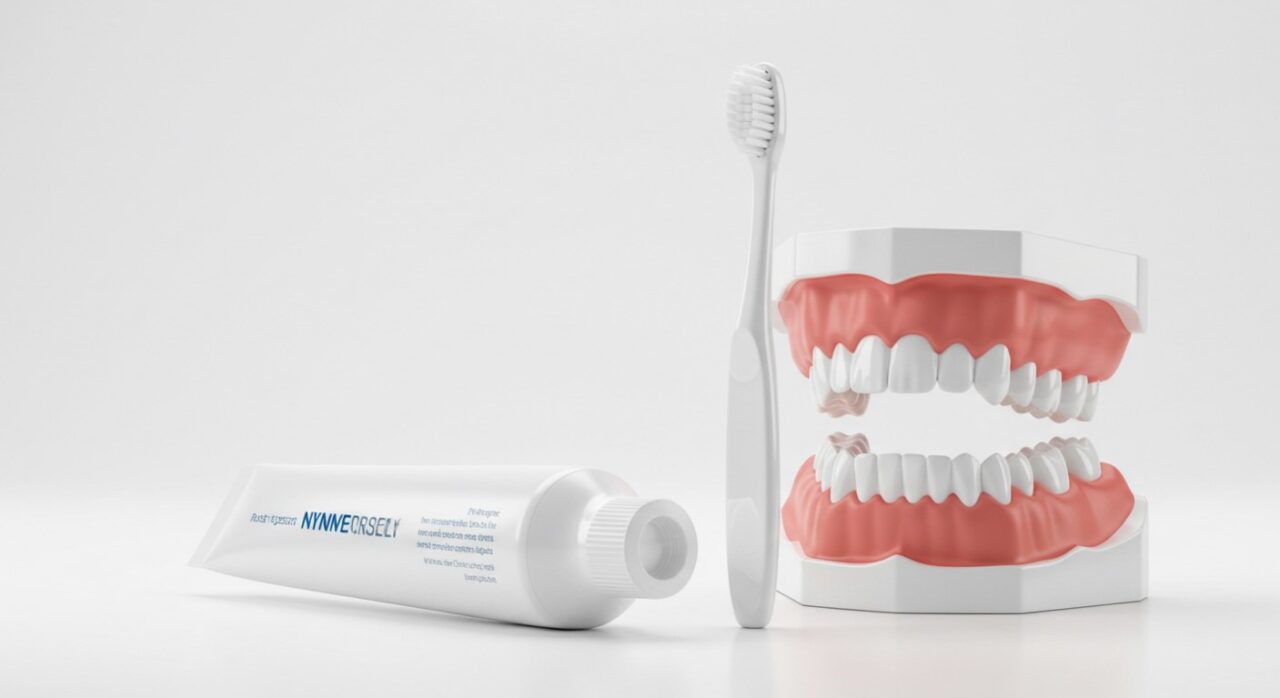
Proper maintenance of bridge dentures helps them last longer and supports oral health.
Daily Cleaning Routine
A daily cleaning routine involving a soft brush and denture cleaner can prevent plaque build-up and maintain the integrity of bridge dentures.
To improve this routine, clean your dentures at least once a day using products like Polident or Efferdent. These are specifically designed to dissolve food particles and reduce bacteria.
- First, place the dentures in a cleaning solution for 15-20 minutes.
- Then, use a soft toothbrush to carefully clean off any leftover particles.
- Make sure to rinse your dentures thoroughly before reinserting them.
Cleaning your dentures regularly helps keep your mouth healthy and makes them last longer.
Regular Dental Check-ups
Having a dental appointment twice a year is important to keep an eye on bridge dentures and to keep your mouth healthy.
During these appointments, the dentist will thoroughly examine your dentures for wear and tear, assessing fit and comfort. They may also check for any signs of gum irritation or infection that can arise from improperly fitted dentures.
Expect to receive expert advice on cleaning techniques and adjustments needed to prolong the lifespan of your dentures. Your dentist may recommend using specific dental products, such as:
- Soft-bristled brushes
- Non-abrasive cleaners
to help maintain the quality and hygiene of your bridge dentures.
Potential Risks and Complications

Even though bridge dentures are usually safe, patients need to be aware of possible problems that might occur before commencing treatment.
Common Issues
Common issues with bridge dentures include loosening, discomfort, and changes in bite, which can arise from various factors over time.
Patients may need to look at various options to address these problems.
- For loosening, adjusting the fit by visiting a dentist can restore stability.
- Discomfort can often be alleviated with dental adhesives for better support.
- When your teeth no longer match up properly, you might need a bite adjustment to make sure they fit together correctly.
A case study showed a patient had ongoing problems with their bridge denture. After visiting their dentist, they received a bite adjustment and used a suitable adhesive, resulting in a significant improvement in comfort and usability.
Long-term Considerations
Long-term considerations for bridge dentures include potential wear, the need for replacements, and impacts on surrounding teeth.
To extend the lifespan of bridge dentures, prioritise excellent dental hygiene. Brush twice daily with fluoride toothpaste and floss carefully around the bridge to prevent plaque build-up, which can lead to gum disease.
Regular dental check-ups are important; your dentist can check how well the bridge fits and lasts, suggesting fixes or replacement when needed.
Be mindful of your diet—avoid hard or sticky foods that could damage the bridge. Monitoring for changes—such as discomfort or difficulty in chewing—can signal the need for professional evaluation.
Frequently Asked Questions
What is a bridge denture?
A bridge denture is a type of dental prosthesis that replaces one or more missing teeth by anchoring onto neighbouring natural teeth.
How is a bridge denture different from a traditional denture?
A traditional denture is a removable appliance that sits on top of the gums, while a bridge denture is fixed in place by attaching to natural teeth for a more secure fit.
What are the benefits of getting a bridge denture?
A bridge denture can improve the appearance and function of your smile by filling in gaps from missing teeth. It can also prevent neighbouring teeth from shifting and improve your ability to chew and speak properly.
How long does it take to get a bridge denture?
The process of getting a bridge denture usually takes two to three visits to your dentist. The first visit is for preparation and impressions, the second visit is for fitting and adjusting the bridge, and the final visit is for permanent placement.
Is it painful to get a bridge denture?
The process of getting a bridge denture is not usually painful, as the dentist will numb the area before any necessary procedures. You may experience some discomfort or soreness in the days following the placement of the bridge, but this can be managed with over-the-counter pain medication.
How do I take care of my bridge denture?
To care for your bridge denture, it is important to brush and floss regularly to keep the surrounding teeth and gums healthy. Avoid chewing on hard or sticky foods that could damage the bridge, and visit your dentist for regular check-ups and maintenance.
Are bridge dentures cheaper in Hungary or Turkey than in the UK?
Yes, bridge dentures usually cost less in Hungary and Turkey than in the UK. While UK treatment offers convenient follow-up care, many patients choose Hungary or Turkey for more affordable prices and modern clinics.
Leave a Reply