
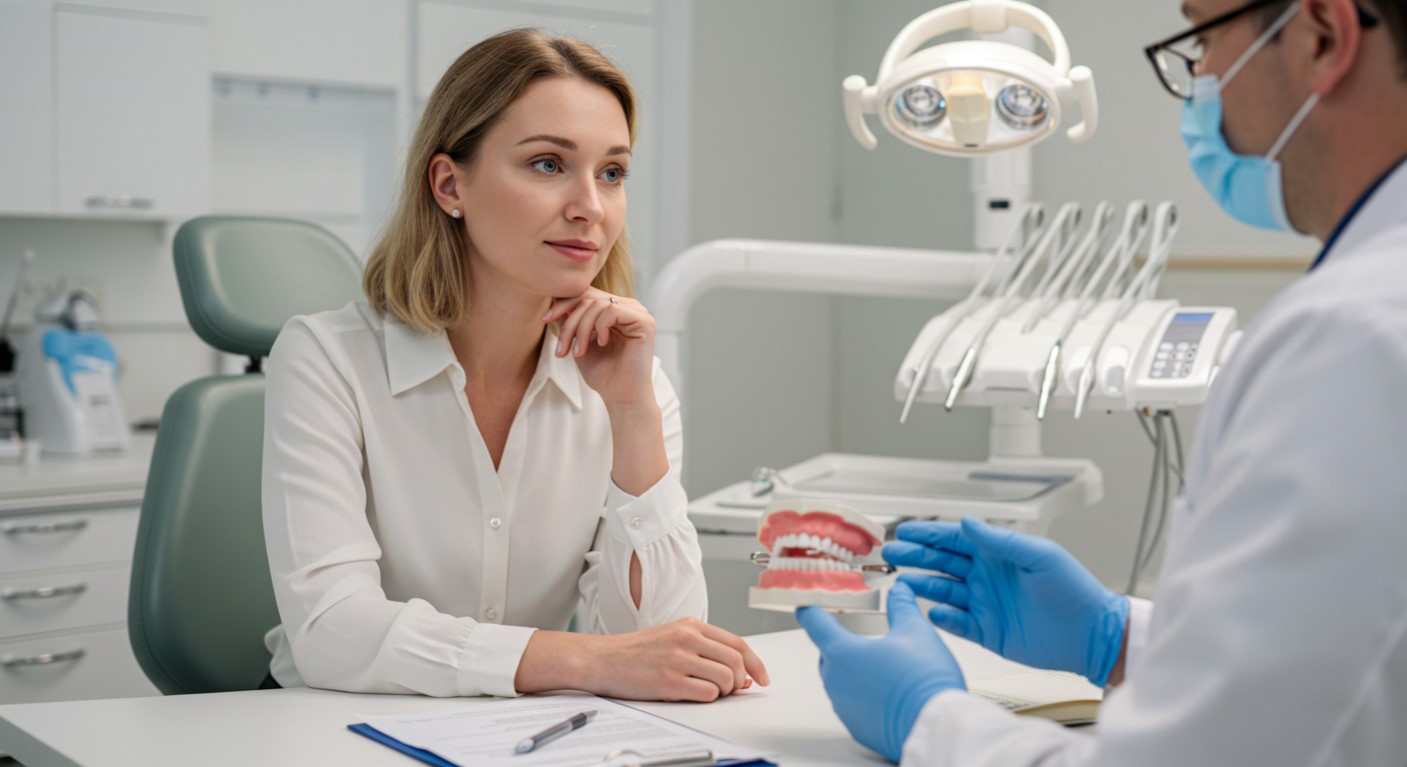
Are Custom Dentures the Right Choice for You?
Imagine smiling confidently without worrying about missing teeth. Custom dentures can make that a reality. They restore function and improve your looks, greatly impacting your everyday life.
This guide looks into the different types of personalised dentures, their many advantages, and how they are fitted. We’ll also talk about how to keep things running smoothly and the problems you might face. Wondering how personalised dentures can change your smile? Let’s dive in!
Types of Custom Dentures

Knowing about the various types of customised dentures is important for choosing the best option based on personal needs and preferences.
Complete Dentures
Complete dentures are designed for individuals who have lost all their teeth in one or both jaws, providing full arch replacement and restoring functionality.
Making full dentures often involves several steps, starting with a thorough dental examination and taking moulds of the jaw.
Dentists often use materials such as acrylic, which is lightweight and cost-effective, and metal for added strength.
Patients can expect to invest between £1,000 and £3,000, depending on their specific needs and the complexity of the case.
With proper care, complete dentures usually last about 5 to 10 years before requiring replacement or adjustments. Regular check-ups will make sure the fit and comfort are perfect.
Partial Dentures
Partial dentures are used when some natural teeth remain, effectively filling in gaps to improve biting and chewing ability.
There are two main types of partial dentures:
- Flexible dentures, often made from nylon, are comfortable and can be adjusted easily; they usually cost between £500 and £1,000.
- Cast metal dentures, made from cobalt or chromium, offer durability and strength, range from £1,000 to £1,500, and are custom-fitted for better stability.
It’s important to maintain good oral hygiene by cleaning both your remaining teeth and your dentures regularly, as it prevents gum disease and protects your overall dental health.
Bridge Dentures
Bridge dentures are designed to replace one or more missing teeth by anchoring an artificial tooth to the natural teeth or implants on either side of the gap. They not only restore your smile but also prevent surrounding teeth from shifting out of place.
There are different types of bridge dentures:
-
Traditional bridge dentures use crowns on the adjacent teeth to hold the replacement tooth securely in place.
-
Implant-supported bridge dentures are fixed onto dental implants, offering greater stability and a longer-lasting solution.
Costs can range from £800 to £2,500 per tooth, depending on the materials used and whether implants are required. Porcelain and ceramic options are often chosen for their natural appearance, while metal-backed versions provide extra durability.
With proper care and regular dental check-ups, bridge dentures can last 10 to 15 years or longer, making them a reliable and functional choice for many patients.
Benefits of Custom Dentures

Custom dentures provide better comfort and look better, greatly improving the lives of those who use them.
Improved Comfort
Custom dentures can greatly improve comfort, allowing users to eat and speak easily without pain or slipping.
To achieve the best fit, it is essential to work closely with your dentist. They may suggest a try-in phase where temporary dentures are fitted to assess comfort and functionality before finalising the design.
Materials such as flexible acrylic can minimise pressure points, and soft liners can also provide extra cushioning for sensitive gums, noted by 90% of wearers in trials.
Regular adjustments and follow-ups help your dentures fit the changes in your mouth over time, improving comfort and function.
Enhanced Aesthetics
Custom dentures help people chew and speak better, improve their smile, and increase their confidence.
To achieve the best results, dental professionals should prioritise colour matching and shape design, using advanced materials like porcelain that mimic natural teeth.
For instance, a patient who previously wore traditional dentures may notice a striking difference after transitioning to custom porcelain options, with one such patient reporting increased confidence and a willingness to engage socially.
Showing pictures of other patients’ results before and after treatment can clearly show possible outcomes, helping them see changes and choose the best dentures for their needs.
The Fitting Process

Making custom dentures requires an important step to make sure they fit properly and work well for each person.
Initial Consultation
In the first meeting, a dentist checks the patient’s mouth and talks about the most suitable denture choices for them.
The consultation usually starts with collecting the patient’s medical history, followed by a full dental check-up to evaluate gum condition and jawbone strength.
The dentist will then discuss various types of dentures, such as full, partial, or implant-supported dentures, highlighting the advantages and disadvantages of each.
Expect the process to last around one hour, with costs ranging from £100 to £200. This investment helps make sure the chosen options match the patient’s way of living and likes.
Impressions and Measurements
Correct impressions and measurements are essential for creating dentures that fit well and stay in place.
To get accurate results, use dental putty or a digital scanner.
Dental putty involves mixing two materials, then having the patient bite down into the mixture to create a mould. This typically costs between £150 and £300.
Digital scanning involves using a handheld tool to take detailed 3D pictures of the mouth, providing exact measurements without using mould material. This method can save time and be more pleasant for the patient, so many modern dental practices choose it.
Maintenance and Care
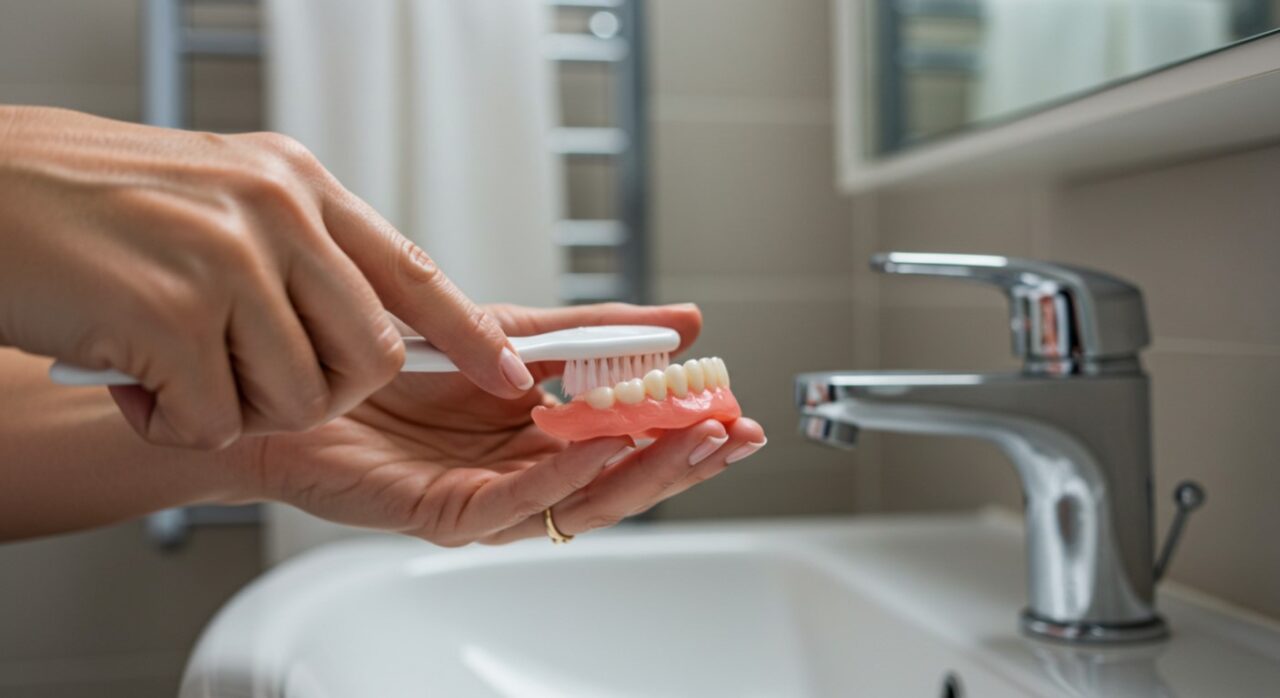
Taking good care of custom dentures is important for keeping them in good condition and ensuring oral health.
Daily Cleaning Routine
A daily cleaning routine for dentures helps prevent oral bacteria build-up and maintains their appearance and function.
To establish an effective routine, rinse your dentures immediately after meals to remove food particles.
Use a denture-specific cleaning solution, such as Polident, which typically costs around £10 per month. Leave your dentures in this solution overnight to clean and disinfect them completely.
Brush your dentures with a soft-bristle toothbrush to maintain their surface and avoid scratches.
Following this routine lengthens the lifespan of your dentures and improves your oral health.
Regular Check-ups
Regular check-ups with a dental professional are essential for monitoring denture fit and oral health.
During these biannual visits, patients can expect a thorough examination of their gums and remaining teeth, with potential adjustments to the dentures for a better fit.
Typical costs for these consultations range from £100 to £150, encompassing both the examination and any minor repairs.
Dentists can offer advice on better oral care, which is important for avoiding problems.
Talking openly about any discomfort or changes helps keep the dentures comfortable and functioning well over time.
Common Issues and Solutions

Even though they work well, custom dentures can have typical problems that need quick attention and fixes.
Three prevalent problems include slippage, which can be addressed with proper relining; gum irritation, alleviated by using soft liners designed for sensitive gums; and staining, better managed through regular cleaning with specialised denture solutions.
For instance, Mary, a 67-year-old patient, experienced significant gum irritation until she switched to soft liners, resulting in immediate comfort. Regular maintenance with products like Poligrip helped James keep his dentures stain-free.
By being proactive, patients can enjoy improved comfort and aesthetics, enhancing their overall experience.
Frequently Asked Questions
What are custom dentures?
Custom dentures are removable prosthetic devices that are made to fit your mouth specifically. They are made to replace missing teeth and restore your smile and ability to eat and speak comfortably.
How are custom dentures made?
Dentures are created by taking a detailed mould of your mouth. This mould is then used to create a wax model of the dentures, which is then tested and adjusted before the final dentures are created.
Who is a good candidate for custom dentures?
Anyone who is missing teeth and wants to restore their smile and ability to eat comfortably may be a good candidate for custom dentures. However, you should talk to a dentist to find out if dentures are right for your dental needs.
How long do custom dentures last?
The lifespan of custom dentures varies depending on how well they are cared for and any changes in your mouth over time. On average, custom dentures can last 5-10 years with proper care.
Do custom dentures require any special care?
Yes, custom dentures require regular cleaning and maintenance, just like natural teeth. They should be brushed daily and soaked in a denture cleaner to remove plaque and bacteria. It is also important to see a dentist regularly for adjustments and repairs.
Can I sleep with my custom dentures in?
It is not recommended to sleep with your custom dentures in. Removing them at night allows your gums and mouth to rest and promotes better oral health. Wearing your dentures while sleeping can lead to a higher chance of bacteria and plaque accumulation.
Are custom dentures cheaper in Hungary or Turkey than in the UK?
Yes, custom dentures are often more affordable in Hungary and Turkey compared to the UK. Many patients travel abroad to reduce costs, as clinics in Hungary and Turkey are known for modern facilities and experienced dentists. In the UK, while prices are generally higher, patients benefit from easier access to follow-up care and adjustments.
Leave a Reply