

Can You Have Composite Bonding with Gum Disease?
Composite bonding can restore smiles, but gum disease poses a hidden threat to its success. Knowing about this link is key for those thinking about dental procedures.
As with many areas of cosmetic dentistry, long-term results depend heavily on healthy gums and a strong foundation. Attempting composite bonding with gum disease often leads to poor outcomes, since inflamed or weakened gums can undermine both the appearance and durability of the treatment. Learn about the kinds and signs of gum disease, how it affects bonding, and important steps to prevent it.
Learn about different treatment choices and get advice on how to keep your teeth and gums healthy after treatment. Learn how composite bonding and gum disease are connected to protect your dental health and appearance.
Definition and Purpose
Composite bonding involves applying a tooth-coloured resin to repair or improve the aesthetics of teeth, typically used for chips, cracks, or gaps.
This method fixes damaged teeth and makes them look better. Common materials include composite resins, which offer durability and can be colour-matched to existing teeth for a natural look.
Dentists select specific shades of resin to blend seamlessly with the patient’s tooth colour, ensuring an unobtrusive repair. Bonding is a simple procedure that usually doesn’t require anaesthesia. It’s a fast and practical choice for patients wanting dental changes in one appointment.
Common Applications
Common applications of composite bonding include repairing chipped teeth, filling cavities, reshaping teeth, and closing gaps between them.
In general dental practice, composite bonding is often chosen because it is flexible and looks good. For instance, a patient with a minor chip might receive direct bonding using a tooth-coloured resin that seamlessly restores their smile.
Similarly, cavities can be filled with composite materials that blend perfectly with natural teeth, avoiding the metal appearance of traditional fillings. For patients desiring a more symmetrical smile, dentists often reshape teeth through bonding, ensuring a balanced appearance.
This method improves the appearance of the teeth and makes them stronger, protecting against further damage.
Understanding Gum Disease
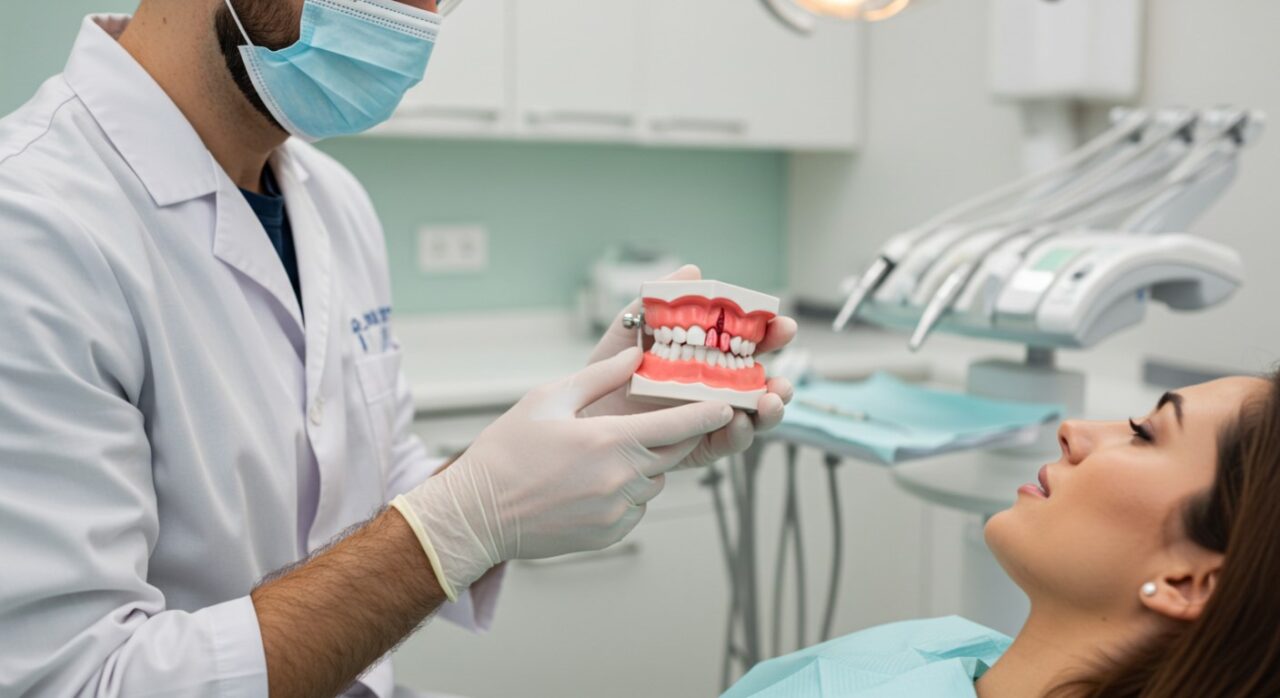
Gum disease is common among adults and can harm dental health if not treated.
Types of Gum Disease
The two main types of gum disease are gingivitis, which can be resolved with proper oral care, and periodontitis, a more serious condition that can cause teeth to fall out.
Gingivitis affects approximately 50% of adults and is characterised by inflamed gums that bleed during brushing. This condition can often be treated with improved dental care habits, such as brushing twice a day and regular flossing.
In contrast, periodontitis can affect up to 70% of adults, leading to deeper gum infections and even tooth mobility. Treatment typically requires professional cleanings and, in some cases, surgery.
Visiting the dentist regularly and recognising the signs are important to prevent gingivitis from becoming periodontitis.
Symptoms and Causes
Swollen gums, bleeding when brushing teeth, and ongoing bad breath are common signs of gum disease. These problems usually happen because plaque accumulates and teeth aren’t maintained well.
To recognise early signs of gum disease, monitor for changes in your gums, such as colour alterations (to a darker red) or increased sensitivity.
Regularly flossing can help remove plaque at the gum line, while brushing twice a day with fluoride toothpaste promotes healthier gums.
The CDC reports that almost 50% of people who are 30 years old or over have gum disease. This can harm health and raise the chance of heart disease.
Schedule six-monthly dental visits for professional cleanings to catch issues early.
The Relationship Between Composite Bonding and Gum Disease

Knowing how gum disease impacts composite bonding is crucial for durable dental treatment.
Impact of Gum Disease on Bonding Success
Gum disease can compromise the success of composite bonding, leading to complications such as gum recession that may expose the bonding agent.
Research shows that patients with healthy gums experience a 90% success rate with composite bonding, compared to just 60% in those with periodontal disease.
For example, a patient with untreated gingivitis may face increased plaque and tissue inflammation, leading to bonding failures and the need for costly repairs.
To reduce these risks, it is important to have regular dental cleanings and maintain good oral hygiene practices. Tools such as electric toothbrushes and interdental cleaners can significantly improve gum health, thereby enhancing the durability of bonding procedures.
Preventive Measures for Patients
Patients can significantly improve their chances of successful composite bonding by maintaining optimal oral hygiene and attending regular dental check-ups.
Brushing your teeth twice a day with fluoride toothpaste and flossing can remove plaque. This is important for keeping bonding materials intact. Use an antibacterial mouthwash to further reduce bacteria.
Plan to visit the dentist twice a year for cleanings and check-ups. A study published in the Journal of Dental Research found that patients who adhere to suggested preventive measures experience up to 30% fewer issues with bonding longevity.
These routines keep your smile healthy and make your composite bonding last longer.
Treatment Options for Gum Disease

Gum disease treatment may involve non-surgical methods or surgery, depending on the seriousness of the condition.
Non-Surgical Treatments
Non-surgical treatments for gum disease often include professional cleanings, scaling, and root planing, which can improve gum health significantly.
Adding a thorough oral hygiene routine can improve results. For instance, using an antimicrobial mouthwash can reduce bacteria levels and promote healing.
Many patients have reported significant improvements after following their dentist’s recommendations. One success story involves a patient whose gum pockets shrank from 5mm to 2mm over six months of consistent cleaning, scaling, and dedicated at-home care.
Regular dental check-ups and personalised cleaning advice can help keep these advantages, making non-surgical treatments a good option for managing gum disease.
Surgical Treatments
In advanced cases of gum disease, surgical treatments such as gum grafts or pocket reduction surgery may be necessary to restore health.
Gum grafts are often indicated when receding gums expose tooth roots, which can lead to sensitivity and decay. During the procedure, a piece of tissue is taken from the roof of the mouth and attached to the affected area, promoting new tissue growth.
Pocket reduction surgery, on the other hand, involves folding back the gums to remove bacteria and plaque, allowing for a thorough cleaning. After the surgery, patients should expect some swelling and discomfort, but most can return to normal activities within a week.
Regular check-ups help with proper healing and gum recovery.
Post-Treatment Care

Good care after treatment is important for keeping gums healthy and ensuring composite bonding lasts.
Maintaining Oral Hygiene
After treatment, patients should adhere to a strict oral hygiene routine, including brushing twice a day, flossing daily, and using an antibacterial mouthwash.
To improve dental health, use fluoride toothpaste such as Colgate Total, which helps to strengthen enamel.
Flossing should be done with waxed dental floss to make it comfortable and easy to use. It is also advisable to rinse with an antibacterial mouthwash such as Listerine twice a day.
Go to the dentist twice a year for cleanings and exams to find issues early.
Following these steps diligently can significantly reduce the risk of post-treatment complications.
Follow-Up Visits
Regular check-ups with the dentist are important for keeping an eye on gum health and the condition of composite bonding.
Patients typically schedule appointments twice a year. During these visits, dentists will assess gum health through probing depths and bleeding points.
They will also check the margins of composite bonding to identify any signs of wear or discolouration. If issues are detected, the dentist may recommend specific treatments, such as a professional clean or a bonding touch-up.
Keeping up with regular appointments can help avoid bigger issues and keep your dental work in good condition.
Frequently Asked Questions: Composite Bonding with Gum Disease
What is composite bonding for gum disease?
Composite bonding is a dental procedure where a tooth-coloured resin material is applied to the teeth to improve their appearance. In the case of gum disease, composite bonding can be used to repair damaged or receding gum tissue.
How does composite bonding help with gum disease?
Composite bonding can help with gum disease by covering exposed tooth roots, filling in gaps between teeth caused by receding gums, and correcting the appearance of an uneven gum line. It can also provide a protective layer for the affected teeth.
Who is a good candidate for composite bonding for gum disease?
Candidates for composite bonding for gum disease are typically those who have mild to moderate gum disease and are looking to improve the appearance and health of their gums. Your dentist will evaluate your individual case to determine if you are a suitable candidate for this procedure.
Is composite bonding a permanent solution for gum disease?
No, composite bonding is not a permanent solution for gum disease. While it can provide long-lasting results, it is not a cure for gum disease. It’s important to maintain clean teeth and gums and listen to your dentist’s advice to manage gum disease successfully.
What is the recovery process like after composite bonding for gum disease?
The recovery process after composite bonding for gum disease is minimal. You may experience some minor discomfort or sensitivity in the treated area, but this should subside within a few days. Make sure to follow your dentist’s instructions after the procedure for proper healing.
Are there any risks or side effects associated with composite bonding for gum disease?
As with any dental procedure, there are some risks and potential side effects associated with composite bonding for gum disease. These may include tooth sensitivity, discomfort, or an allergic reaction to the materials used. It is important to discuss any concerns with your dentist before undergoing the procedure.
Leave a Reply