
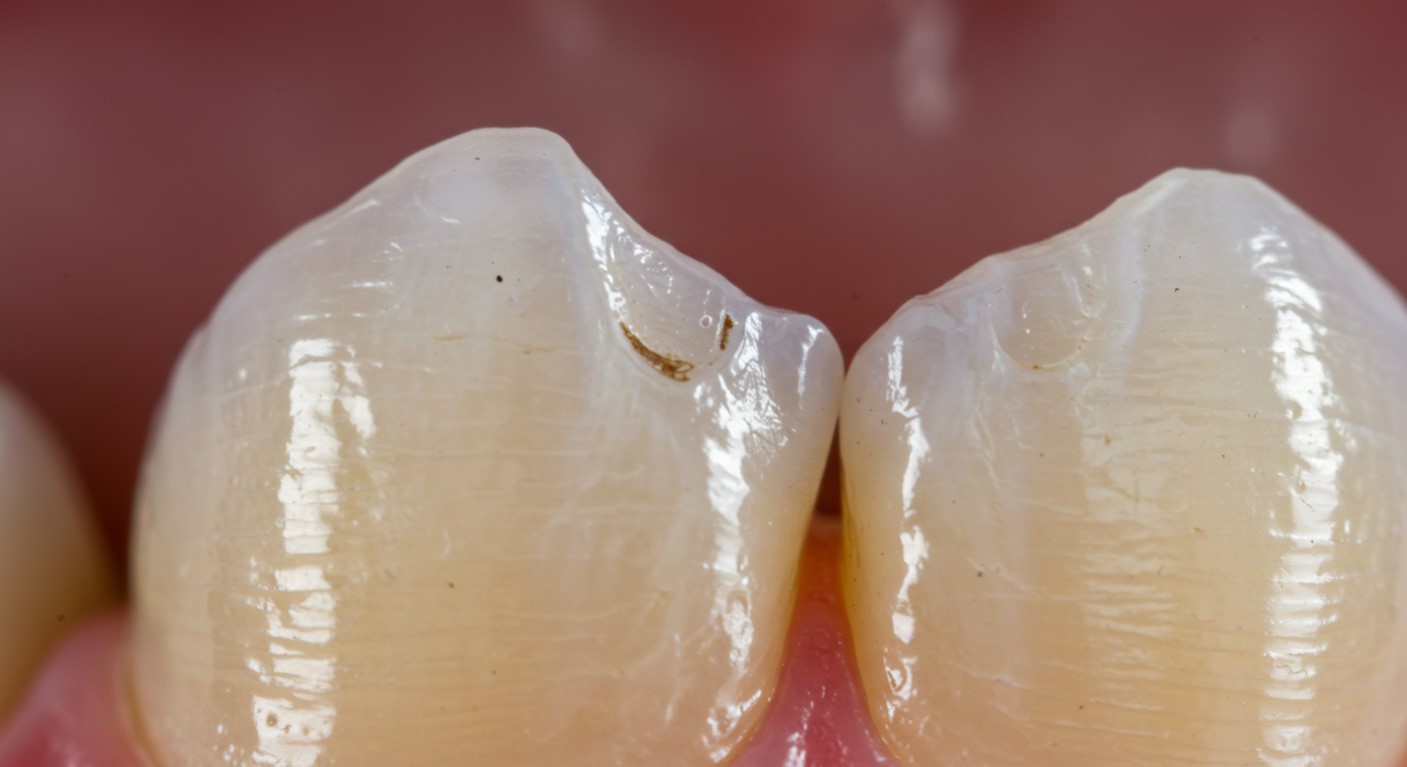
What Is Composite Bonding for A Chipped Tooth?
Chipped teeth can be more than just a cosmetic concern; they can affect your confidence and oral health. Composite bonding offers a practical solution that restores both function and appearance.
This article explains what composite bonding is, why teeth can get chipped, and describes the process step-by-step. Find out how this new treatment can restore your smile and get important tips on how to keep the results lasting.
Definition and Purpose
Composite bonding uses a long-lasting, tooth-coloured material to fix and reshape teeth. It is a popular choice for various cosmetic dental problems.
The process typically starts with a thorough dental examination to determine the best approach for each patient’s specific needs.
Dentists select from a variety of resins that can be matched to the exact shade of the patient’s natural teeth, ensuring seamless integration.
Techniques such as etching the tooth surface can improve adhesion, creating a strong bond. Common applications include filling cavities, repairing chipped or cracked teeth, and even closing gaps.
Composite bonding is a simple procedure that can greatly improve the appearance and function of a smile.
Benefits of Composite Bonding
The benefits of composite bonding include a quick procedure time, minimal tooth reduction, and the ability to match the resin to the natural tooth colour.
Composite bonding can solve various dental issues like, crooked teeth, chipped teeth, gaps, and discolouration, making it a suitable option for many patients.
The procedure typically takes about 30 to 60 minutes per tooth and requires no anaesthesia in most cases.
For example, a patient with a small chip might leave the surgery the same day with a flawless smile, enhancing both aesthetics and confidence.
The adhesive is durable and can last for many years with proper care, leading to high satisfaction for users.
Understanding Chipped Teeth

Chipped teeth are a common dental problem, usually caused by injury, teeth grinding, or food choices.
Common Causes of Chipped Teeth
Chipped teeth can result from regular actions like biting tough foods, injuries from sports, or grinding teeth, causing damage and breaks in the enamel.
To prevent chipped teeth, consider these actionable steps:
- Avoid hard foods like nuts and hard sweets.
- Wear a gumshield during sports.
- Get help with teeth grinding, which impacts 30% of adults.
Maintain regular dental check-ups to address any early signs of wear. For bruxism, stress management techniques such as yoga or meditation can be beneficial. Using protective devices like a night guard can also significantly reduce grinding damage while you sleep.
Impact on Oral Health
Chipped teeth can lead to various dental issues, including tooth sensitivity, increased risk of decay, and aesthetic concerns that affect a person’s self-esteem.
If chipped teeth are not treated, they can lead to serious health issues, such as infections or abscesses, especially if they start to decay. Individuals may experience heightened anxiety or social withdrawal due to embarrassment over their appearance.
Dental professionals recommend treatments such as bonding or crowns to mitigate these risks. It is important to see a dentist soon and consider treatments that can improve both dental health and appearance.
Prioritising oral care can significantly impact overall well-being.
The Composite Bonding Procedure

Composite bonding is a simple procedure that typically needs just one appointment.
It includes a few important steps to achieve the best results.
Initial Consultation
During the initial consultation, dentists evaluate the chipped tooth’s condition, discuss treatment options, and set realistic expectations for the bonding results.
The dentist will likely begin with a thorough examination, using X-rays to assess any underlying damage. They will explain the bonding process, which typically involves applying a tooth-coloured resin to repair the chip.
Costs will be discussed, so patients should bring their insurance information and inquire about coverage options. Patients can expect a breakdown of expected expenses, including the consultation fee and any necessary follow-up appointments.
This open conversation provides clear information and helps patients decide what is best for their dental care.
Preparation of the Tooth
To prepare the tooth for bonding, the dentist roughens the surface to promote adhesion and may apply a bonding agent before resin application.
- The first step is administering local anaesthesia to keep the patient comfortable. After isolating the tooth, the dentist uses a diamond bur to create micro-retentions on the enamel surface.
This rough surface is important because it provides more area for the bonding agent to adhere to. Once the surface is prepared, a bonding agent, such as 3M Single Bond, is applied, followed by a light-curing resin.
This careful process strengthens the bond, reduces the chance of it coming apart, and increases the lifespan of the restoration.
Application of Composite Material
Using composite material means placing layers of resin, shaping it to fit the tooth, and hardening it with a special light to make it last.
To achieve optimal results, dentists typically use a curing light that emits blue wavelengths, activating the photoinitiators in the resin.
After applying the first layer of composite, the dentist sculpts it to mimic the natural contours of the tooth, paying close attention to both shape and colour.
Tools like a dental probe provide accuracy, while colour guides help find the right match for the patient’s natural teeth.
This method of adding layers and setting them takes a few minutes, giving time for changes before it solidifies completely.
Aftercare and Maintenance

It’s important to care for composite bonding to make it last, as regular upkeep ensures the fixed tooth works well and looks good.
Post-Procedure Care
Post-procedure care includes avoiding hard foods for at least 24 hours, maintaining good oral hygiene, and scheduling follow-up appointments for check-ups.
Rinse your mouth gently with a saline solution made from 1 teaspoon of salt in 240 millilitres of warm water to promote healing.
Do not use straws because suction can prevent proper blood clotting.
Use a soft-bristled toothbrush to clean your teeth, steering clear of the surgical area until it heals, which usually takes a week.
Look out for symptoms of infection like ongoing swelling, pain, or a fever. Call your dentist immediately if you notice any of these.
Following these guidelines will significantly aid your recovery.
Long-Term Care Tips
Long-term care tips for composite bonding include regular dental check-ups, avoiding habits like nail-biting, and using a mouthguard for teeth grinding.
Along with these habits, keeping your mouth clean is very important. Brush twice daily with a non-abrasive toothpaste to prevent wear and discolouration.
Floss daily to remove plaque build-up, especially around the bonding edges. Consider using a fluoride mouthwash to strengthen enamel and further protect the bond.
Going to the dentist twice a year helps find issues early. Research shows that with these strategies, composite bonding can last between 5-10 years, significantly enhancing the longevity of your dental investment.
Potential Risks and Considerations

Although composite bonding is generally safe, patients need to be aware of potential risks and factors that might affect their dental health.
Allergic Reactions
Some patients may experience allergic reactions to the materials used in composite bonding, necessitating thorough pre-procedure evaluations.
To keep patients safe, it is important to collect a full medical history during consultations. Patients should disclose any known allergies or gum diseases particularly to dental materials such as resins or bonding agents.
Symptoms of an allergic reaction can include swelling, redness, itching, or more serious problems such as difficulty breathing. If a patient has had allergies before, consider doing a patch test before the procedure.
This approach helps develop personalised treatment plans and significantly reduces the risk of adverse reactions during and after bonding.
Durability Concerns
The durability of composite bonding can vary, with factors such as the patient’s bite force and oral habits significantly affecting longevity.
On average, composite fillings last between 5 to 10 years, but this can be extended with proper care. To prolong the life of composite bonds, consider the following strategies:
- Maintain excellent oral hygiene by brushing twice a day and flossing daily.
- Avoid hard foods that may chip the composite.
- Schedule regular dental check-ups.
Using a mouthguard during sports or teeth grinding can protect the bonding. By addressing these variables, patients can significantly increase the durability of their composite dental work.
Final Thoughts: What is Composite Bonding for A Chipped Tooth?
Knowing about composite bonding helps patients make informed decisions and emphasises the need for good dental care for long-lasting results.
To make composite bonding last longer, patients should follow certain care routines. Visiting a dentist twice a year helps monitor the condition of your dental bonding.
Daily habits like brushing with a soft-bristled toothbrush and using a gentle toothpaste are important for maintenance. Avoiding hard foods and practising dental hygiene techniques, such as gentle flossing, can prevent damage.
Using a fluoride mouthwash can provide additional protection, enhancing overall oral health. Speak to your dentist for advice and to develop a specific care plan.
Frequently Asked Questions
1. Is composite bonding good for a chipped tooth?
Yes, composite bonding is an effective treatment for a chipped tooth. It involves applying a tooth-coloured resin to the damaged area, shaping it to match your natural tooth, and then hardening it with a special light. This restores both the appearance and function of the tooth, making it look and feel normal again.
2. How long does the composite bonding procedure for a chipped tooth take?
The composite bonding procedure for a chipped tooth typically takes about 30 to 60 minutes per tooth, depending on the extent of the chip. It is a quick and convenient solution for fixing a chipped tooth, and can often be completed in just one dental visit.
3. Is composite bonding for a chipped tooth a permanent solution?
Composite bonding for a chipped tooth is not a long-lasting fix. But with regular care, it can remain effective for several years. The longevity of the bonding will depend on factors such as oral hygiene, dietary habits, and the extent of the chip.
4. Can composite bonding be used to fix multiple chipped teeth?
Yes, composite bonding can be used to fix multiple chipped teeth. This can be done in one dental visit or over multiple visits, depending on the number of chipped teeth and their location. Your dentist will discuss the best treatment plan for your specific situation.
5. Is composite bonding for a chipped tooth painful?
No, composite bonding for a chipped tooth is not painful. The procedure is minimally invasive and does not require any anaesthesia. However, some patients might feel a little sensitivity during the bonding process, but it is usually easy to handle and discomfort is minor.
6. How do I care for a tooth that has undergone composite bonding for a chipped tooth?
Caring for a tooth that has undergone composite bonding for a chipped tooth is similar to caring for your natural teeth. It is important to maintain good oral hygiene and visit your dentist regularly for cleanings and checkups. Avoid biting down on hard objects and try to limit your intake of stain-causing foods and drinks to prolong the life of the bonding.
Leave a Reply