
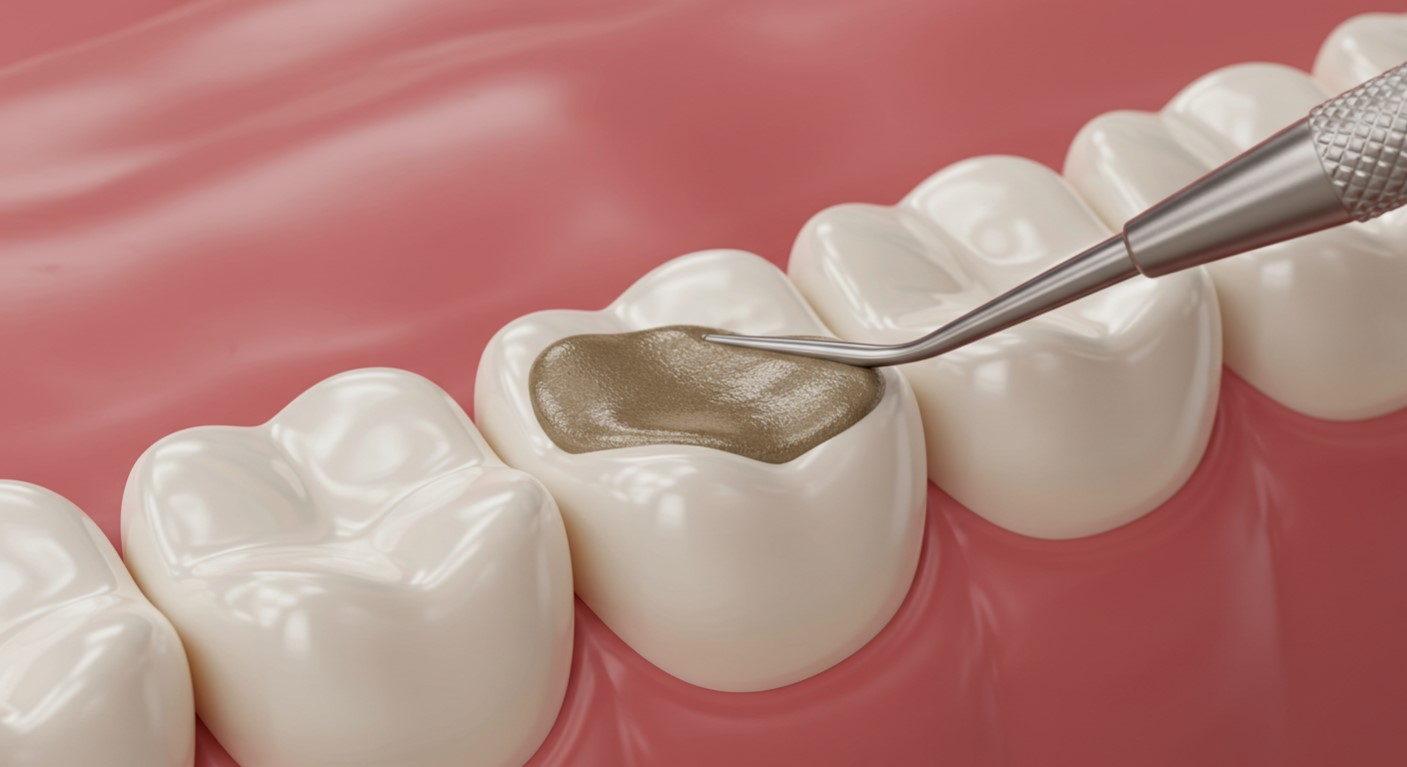
How Does Crooked Teeth Bonding Work?
Crooked teeth can undermine your confidence, but dental bonding offers a quick, effective solution. Learning about this effective treatment is important for anyone who wants a great smile.
This guide covers the bonding process, its benefits, and how to take care of it afterwards. We will also look at possible risks and other options, so you can choose wisely. Want to learn how bonding can change your smile? Let’s dive in!
What is Dental Bonding?
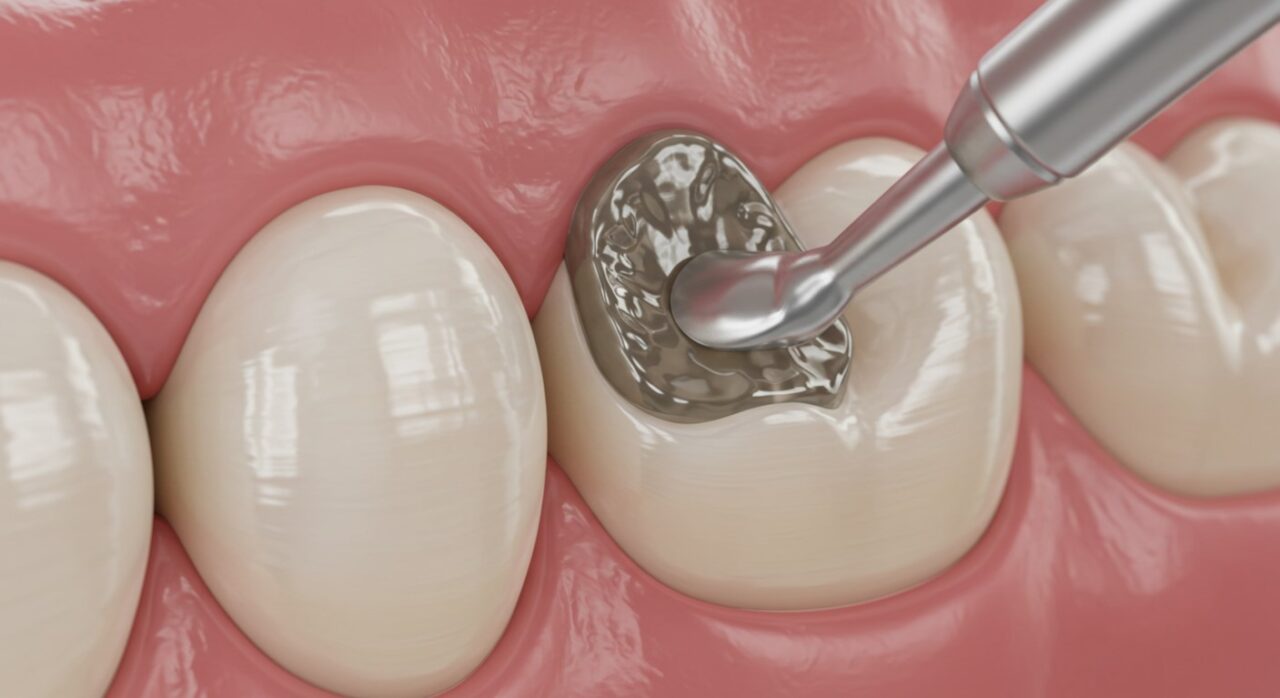
Dental bonding is a process where a material that matches the colour of your teeth is applied to improve their appearance and address any issues with it.
Definition and Purpose
Dental bonding involves the application of a composite resin to dental imperfections, offering a non-invasive way to achieve a more aligned and attractive smile.
This technique is particularly effective for repairing chips, closing gaps between teeth, or altering their shape. The results are often referred to as composite teeth, since the bonding blends seamlessly with natural enamel to enhance appearance. A dentist will first clean the affected area, then apply a shade-matched resin that is sculpted to fit seamlessly.
Once shaped, a special light hardens the material, ensuring durability. For example, if you have a small chip in your front tooth, bonding can restore its appearance in a single visit, typically lasting 3 to 10 years with proper care. This is an ideal option for people who want quick cosmetic improvements without getting crowns or veneers.
Materials Used in Bonding
The main materials used in dental bonding are composite resins and bonding agents. These are made to match the colour of natural teeth and last a long time.
Composite resins are favoured for their aesthetic appeal and versatility. For instance, brands like 3M’s Filtek NP and Ivoclar Vivadent’s Tetric EvoCeram provide a broad range of shades to effectively blend with existing tooth colours.
Bonding agents, like Etch & Rinse from GC America, are important for improving attachment and durability. These materials are chosen for their appearance and strength, providing good wear resistance and easy polishing, which are important in cosmetic dentistry.
Benefits of Bonding for Crooked Teeth

Dental bonding is a good option for people with crooked teeth. It improves looks, is more affordable, and can be done pretty fast.
Improved Aesthetics
One of the top benefits of dental bonding is that it can significantly improve the appearance of crooked teeth, leading to more attractive smiles.
Dental bonding can cover small crooked teeth and gaps, giving an instant change in appearance. For instance, a patient with a slight overlap of front teeth might see a smooth contour achieved with a resin that matches their enamel.
The procedure takes just one appointment and typically costs between £300 and £600 per tooth. Patients often leave with a smile that looks straighter and more uniform.
Before-and-after photos often highlight the noticeable changes, showing increased self-confidence and a better appearance.
Cost-Effectiveness
With costs ranging from £300 to £600 per tooth, dental bonding is often a more affordable alternative compared to braces or veneers for correcting minor misalignments.
On the other hand, braces can cost between £3,000 and £7,000, which is a significant expense for fixing major alignment problems but not ideal for small changes.
Veneers typically range from £800 to £2,500 per tooth and require a more extensive process, including enamel removal.
Bonding can be completed quickly, often in just one appointment, while braces and veneers need multiple visits over several months. Therefore, for small fixes, dental bonding is both quick and cost-effective.
Procedure for Teeth Bonding

The dental bonding process includes a few steps.
It starts with a consultation and ends with applying the bonding material to the teeth.
Initial Consultation
During the initial consultation, dentists evaluate the patient’s dental health and discuss the suitability of bonding for correcting crooked teeth.
The dentist examines your teeth closely, often using x-rays to see your teeth and the bones around them.
Patients can expect a discussion about their dental history, lifestyle habits that may affect bonding, and aesthetic goals. This conversation helps set realistic expectations regarding outcomes and longevity of the bonding material.
The dentist might show examples or images to help patients see the possible changes that bonding can provide.
Application Process
The bonding application process typically takes about 30 to 60 minutes per tooth, involving surface preparation, resin application, and curing with a special light.
To achieve the best results, begin by carefully cleaning the tooth surface to remove any dirt or plaque.
Then, use an etching gel for about 15 seconds to improve how well the resin adheres. Once rinsed and dried, layer the resin evenly and use the curing light for approximately 20 seconds to secure the bond.
After completing the application, avoid hard foods for at least 24 hours to allow the resin to fully set. Regular dental check-ups will help maintain the bond and assess any wear.
Aftercare and Maintenance

Once the bonding process is complete, it’s important to follow the correct care and maintenance to make the bonded material last longer.
Oral Hygiene Tips
To maintain dental bonding, patients should brush twice a day, floss regularly, and avoid hard foods that can chip the resin.
Plus these daily habits, consider using a soft-bristled toothbrush and non-abrasive toothpaste to protect the bonding material. Using an antimicrobial mouthwash can help prevent plaque from forming, which is important because bonded areas can stain more easily.
Regular dental visits are important for checking the bonding and making any needed changes. If you engage in habits like nail-biting or grinding your teeth, protective measures such as a mouthguard can significantly extend the life of your dental bonding.
Longevity of Bonding
Typically, dental bonds can last between 3 to 10 years, depending on the care they receive and the lifestyle choices of the patient.
Many factors greatly impact how long dental bonding lasts. Eating habits are important; foods high in sugar and acidic drinks can gradually damage the bond.
Maintaining good oral hygiene with regular brushing and flossing helps prevent decay around the bonded area. Regular dental visits, such as check-ups and cleanings, help catch problems early.
Patients should also avoid hard, sticky foods, as these can increase the risk of bond failure. Together, these practices can extend the lifespan of dental bonding.
Potential Risks and Considerations

Dental bonding is usually safe, but patients should be aware of possible risks and considerations before undergoing the procedure.
Allergic Reactions
Although rare, some patients may experience allergic reactions to the materials used in dental bonding, necessitating a thorough assessment by the dentist.
To mitigate risks, patients should inquire about the materials used in their bonding procedure. Common components include composite resins, which can sometimes trigger sensitivities.
Discuss any known allergies with your dentist before treatment; they can suggest alternatives, such as glass ionomer cement, which is less likely to provoke an allergic reaction.
It’s also beneficial to keep a record of any previous reactions to dental materials and communicate these clearly. Talking openly with your dentist helps provide personalised treatment and improves safety during dental procedures.
Durability Issues
Durability issues can arise if the bonding is subjected to excessive force or poor maintenance, leading to chips or discolouration.
To mitigate these risks, patients should practise good oral hygiene and avoid hard foods that could jeopardise the bonding.
Regular dental check-ups are important because professional cleanings can stop stains and find early signs of damage.
Using a soft-bristled toothbrush and non-abrasive toothpaste can preserve the surface integrity.
If you find that you often grind your teeth, discussing a night guard with your dentist may be beneficial to protect the bonding from excessive pressure during sleep.
Alternatives to Bonding

For those thinking about fixing crooked teeth, there are other options besides bonding. Choices include braces and veneers, each with its own advantages.
Braces
Braces are a routine dental procedure that gradually shifts teeth into the right place. It typically takes 1 to 3 years, depending on how crooked the teeth are.
While receiving treatment, patients have different kinds of braces to choose from:
- Metal braces: the most common and durable option, typically lasting around two years;
- Ceramic braces: which blend in with the teeth for a more discreet appearance, may take slightly longer;
- Invisalign: a series of clear aligners customised to the patient’s teeth, often requiring 12-18 months.
Each type has its pros and cons—metal braces are highly effective for complex corrections while Invisalign offers convenience and aesthetics. In the end, your orthodontist can decide what suits you best.
Veneers
Veneers are thin shells of porcelain or resin that cover the front surface of teeth, providing a durable solution for crooked or discoloured teeth.
While veneers offer a natural appearance and high durability, bonding is another option that may suit certain candidates better.
Bonding involves applying a tooth-colored resin directly onto the teeth, which is less invasive and more cost-effective, typically ranging from £250 to £500 per tooth compared to £750 to £1,800 for veneers.
People who want veneers usually look for results that last a long time and make a significant difference in appearance. Bonding is good for repairing small problems or changes, making it a suitable choice for various dental situations.
Frequently Asked Questions
What is crooked teeth bonding?
Crooked teeth bonding is a cosmetic dental procedure where a tooth-colored composite resin material is applied to the surface of a crooked tooth to improve its appearance and alignment.
How does crooked teeth bonding work?
In crooked teeth bonding, the dentist will first roughen the surface of the crooked tooth and apply a conditioning liquid to help the bonding material adhere. The composite resin is then carefully shaped and moulded to the desired shape and hardened with a special light. Finally, the bonded tooth is polished to match the rest of your teeth.
Is crooked teeth bonding painful?
No, crooked teeth bonding is not a painful procedure. The tooth may be slightly roughened and the bonding material may feel slightly uncomfortable during the process, but the overall procedure is painless. Some patients may experience mild sensitivity after the bonding, but it should subside within a few days.
What are the benefits of crooked teeth bonding?
Crooked teeth bonding is a minimally invasive and cost-effective way to improve the appearance and alignment of crooked teeth. It can also help correct minor gaps, chips, and discolouration. The procedure is usually completed in one visit and does not require any anaesthesia or drilling.
How long does crooked teeth bonding last?
Crooked teeth bonding can last anywhere from 3-10 years, depending on the individual’s oral hygiene habits and lifestyle. The bonding material is not as strong as natural teeth, so proper care and maintenance are essential for its longevity.
Can bonding help correct very crooked teeth?
Crooked teeth bonding is typically used for minor cases of crooked teeth. If your teeth are very crooked, your dentist might suggest other options like braces or veneers. It is best to consult with your dentist to determine the best treatment option for your specific case.
Leave a Reply