

What Are Composite Teeth?
Composite teeth are revolutionising dental aesthetics and functionality, offering a seamless blend of beauty and strength. These materials improve smiles and offer flexible options for many dental problems.
From microfilled to nanofilled composites, the options are plentiful, each with unique benefits. Learn how these new materials are used, cared for, and how they stack up against older options, while finding out how to get a bright smile. Learn about the upcoming changes in dental care!
Types of Composite Materials
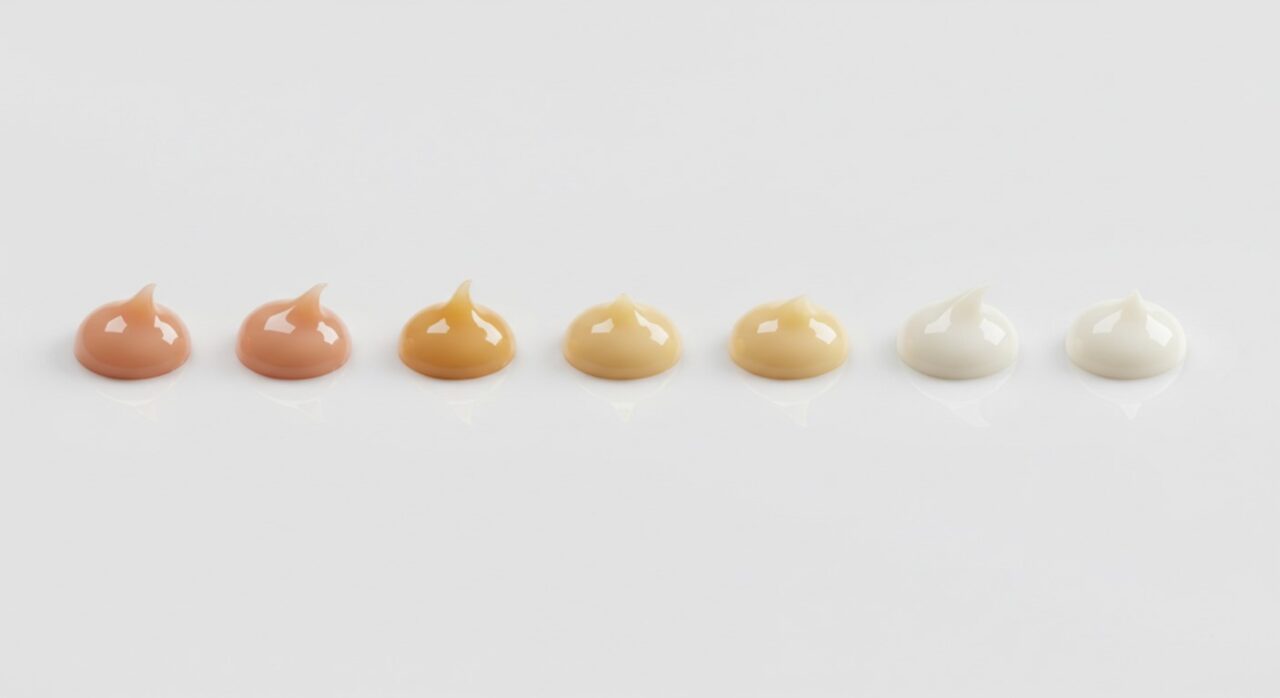
Composite materials come in different forms and uses.
Microfilled and nanofilled composites are the most common for cosmetic restorations.
Microfilled Composites
Microfilled composites, generally costing between £50-£100 per syringe, provide great polish and a smooth finish, making them ideal for fixing front teeth.
These composites have tiny glass particles that improve looks and look like real teeth. Their best uses are for small to medium cavities and cosmetic improvements, such as reshaping edges or making crooked teeth appear more aligned, because they provide a better aesthetic.
They may be weaker than microhybrid or nanofilled composites, so they are not ideal for back teeth where durability is essential.
Therefore, when deciding on their use, consider the balance between cosmetic results and the functional demands of the restoration site.
Nanofilled Composites
Nanofilled composites cost around £80-£120 per syringe. They look appealing and are long-lasting, which makes them good for fixing teeth both at the front and back.
These composites are stronger than microfilled types because their tiny filler particles improve bonding and make them more resistant to wear.
Microfilled composites might break more easily, but nanofilled composites can handle stronger biting forces, making them better for molar teeth.
The strong colour stability guarantees that restorations look the same over time, even after years of contact with staining substances.
Their translucency mimics natural tooth enamel, allowing for seamless integration into existing dental structures.
Benefits of Composite Teeth

Composite teeth offer several benefits, such as great looks and various applications in fixing dental problems, making them a popular choice for dentists.
Aesthetic Appeal
Composite materials can match colors accurately, helping them mix well with natural teeth, which matters for cosmetic dentistry.
Selecting the right shades involves using shade guides, such as the VITA Classic. This guide allows dentists to visually compare different shades and find the closest match.
Tools like the VITA Easyshade can help by providing exact colour measurements. To begin, hold the shade guide next to the patient’s teeth in natural light to facilitate better comparison.
Following this, use the Easyshade to double-check your selection, ensuring that the composite will blend naturally. This two-step process significantly improves aesthetic outcomes.
Versatility in Dental Applications
Composite materials are very useful because dentists can use them for many different procedures, such as fillings and veneers, all with one type of material.
For instance, inlays and onlays are excellent for restoring decayed or damaged teeth. They can be custom-made from composites to match the tooth colour, providing a seamless finish.
Many dentists use brands like Empress or Nanocore, which offer durability and aesthetic appeal. Simultaneously, procedures like bonding can quickly fix the appearance of broken or stained teeth.
These techniques make smiles better and keep teeth intact, so composites are widely used in current dental practice.
Application Procedures
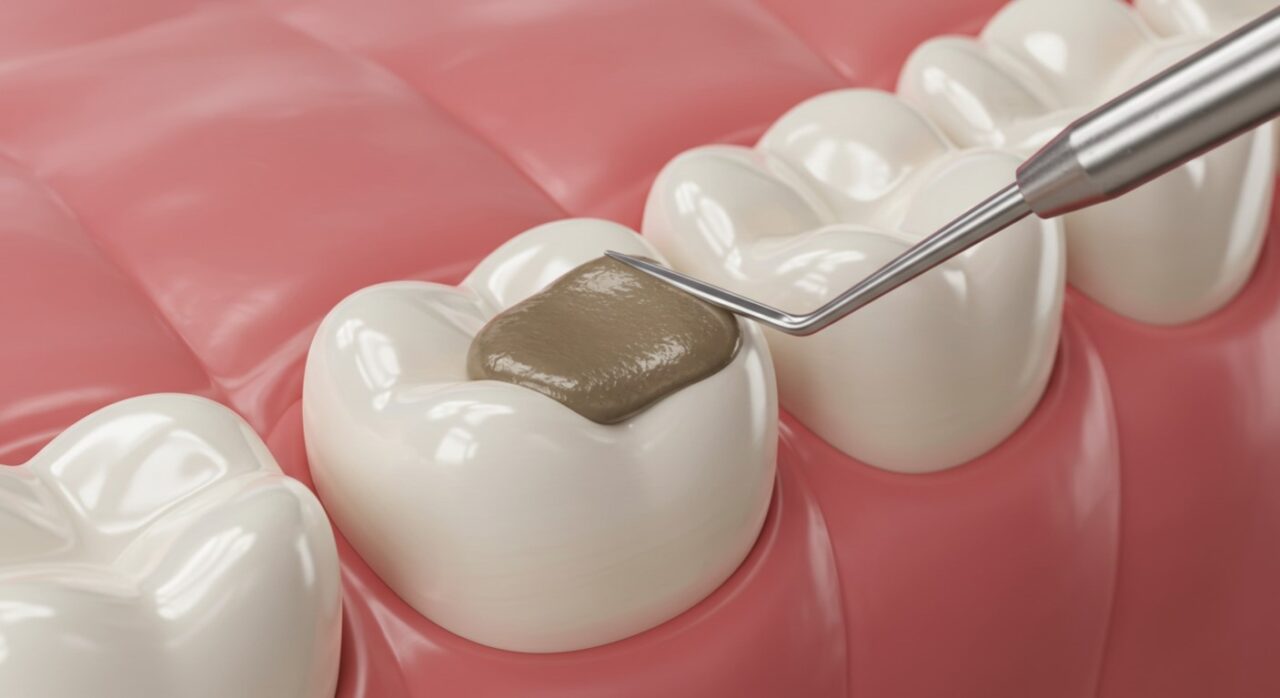
To make sure composite materials are durable and visually appealing, begin by properly preparing the tooth.
Preparation of the Tooth Surface
Preparing the tooth surface is important and involves etching the enamel and applying bonding agents to improve adhesion.
- Start by etching the enamel with phosphoric acid, which typically has a 37% concentration. This process removes smears and opens the tooth structure for better bonding.
- After etching, rinse thoroughly and dry the area gently to avoid desiccating the tooth.
- Next, select a suitable bonding agent: dentine bonding agents usually offer a dual-cure option, ensuring optimal adhesion in various conditions.
- Apply the bonding agent according to the manufacturer’s instructions, ensuring a thin, even layer for maximum effectiveness. This detailed routine can greatly increase the lifespan of dental restorations.
Placement Techniques
Using placement techniques such as adding layers gradually and curing correctly is important for achieving the best results with composite materials.
Incremental layering involves applying the composite material in thin layers, generally around 1-2 mm thick. This method fits the cavity better and reduces the chance of shrinkage.
Use a curing light set between 400-500 nm wavelength to properly harden the material. Fully curing the polymer is important because incomplete curing can weaken the restoration and reduce its longevity.
For optimum results, consider using a calibrated curing light and check the manufacturer’s recommendations for specific materials.
Care and Maintenance
Caring for composite restorations involves regular dental hygiene practices and periodic evaluations to maintain their longevity and aesthetic appearance.
To take good care of composite fillings, use proper brushing methods: choose a toothbrush with soft bristles and toothpaste containing fluoride. Brush gently in circles for at least two minutes, twice a day.
Use floss daily to get rid of plaque and tiny food particles stuck between your teeth. This helps prevent decay near fillings.
Book professional cleanings twice a year; dental hygienists can remove plaque that regular brushing might not catch and check the condition of your composite work to keep it in excellent condition.
Common Issues and Solutions
Patients may encounter common issues with composite restorations, such as discolouration, wear, or bonding failures, which can often be effectively addressed.
To deal with these problems quickly, make a follow-up appointment as soon as symptoms begin.
For discolouration, consider using professional whitening treatments or polishing procedures to restore aesthetics.
If the bonding doesn’t work, you might need to use a stronger adhesive, such as Optibond FL, to make it last longer.
Having a dental check-up twice a year can prevent damage by allowing your dentist to observe and address any issues with fillings or crowns early.
These preventative measures are essential for maintaining the integrity and function of composite materials.
Comparative Analysis with Other Materials
Comparing composites with materials such as amalgam or ceramics reveals significant differences in aesthetic appeal, durability, and patient satisfaction.
For example, composites can be colour-matched to blend seamlessly with natural teeth, whereas amalgam offers less aesthetic flexibility.
Ceramics are more durable than other materials, offering strong resistance to wear, which makes them ideal for areas with heavy use, such as molars.
Composites require less tooth reduction during preparation, preserving more of the natural tooth structure. This factor increases patient comfort and leads to better health outcomes over time.
While materials such as amalgam are cost-effective, the aesthetic and functional benefits of composites can lead to greater patient satisfaction and lower retreatment rates.
Frequently Asked Questions
1. What are composite teeth?
Composite teeth are dental restorations made from a mixture of synthetic resins and fillers, designed to match the natural colour of teeth.
2. What are the benefits of composite teeth?
Composite teeth have the advantage of being highly aesthetic, as they can be colour-matched to blend in with the surrounding natural teeth. They are also less invasive and require less removal of healthy tooth structure compared to other restorations like amalgam fillings.
3. How long do composite teeth last?
The lifespan of composite teeth depends on the individual’s oral hygiene and habits. With proper care, they can last up to 10 years or more. They might need replacing or fixing earlier if they get damaged or chipped.
4. Can composite teeth be used for all types of dental restorations?
Composite teeth can be used for a variety of dental restorations, including fillings, bonding, veneers, and even inlays and onlays. However, they might not work well for big repairs or teeth that are badly damaged.
5. How are composite teeth applied?
The process of applying composite teeth involves the preparation of the tooth, application of adhesive material, and layering and shaping of the composite material to achieve the desired shape and colour. The material is then hardened with a special light and polished for a smooth finish.
6. Are there any risks or side effects associated with composite teeth?
In rare cases, there may be some sensitivity or discomfort after the procedure due to the removal of a small amount of tooth structure. Some individuals may also experience mild allergic reactions to the material. It is important to consult with a dentist for proper evaluation and personalised treatment plan.
Leave a Reply