

How Much Does a Dental Crown Cost in the UK?
Dental crowns can greatly improve your smile, but how much will one cost? Knowing the costs of this typical dental procedure is important because prices can differ greatly. Factors like materials, location, and complexity all play a role.
We’ll look at the average dental crown costs, what affects them, and other expenses to consider. Want to learn about dental crowns and understand their cost? Let’s dive in.
What is a Dental Crown?
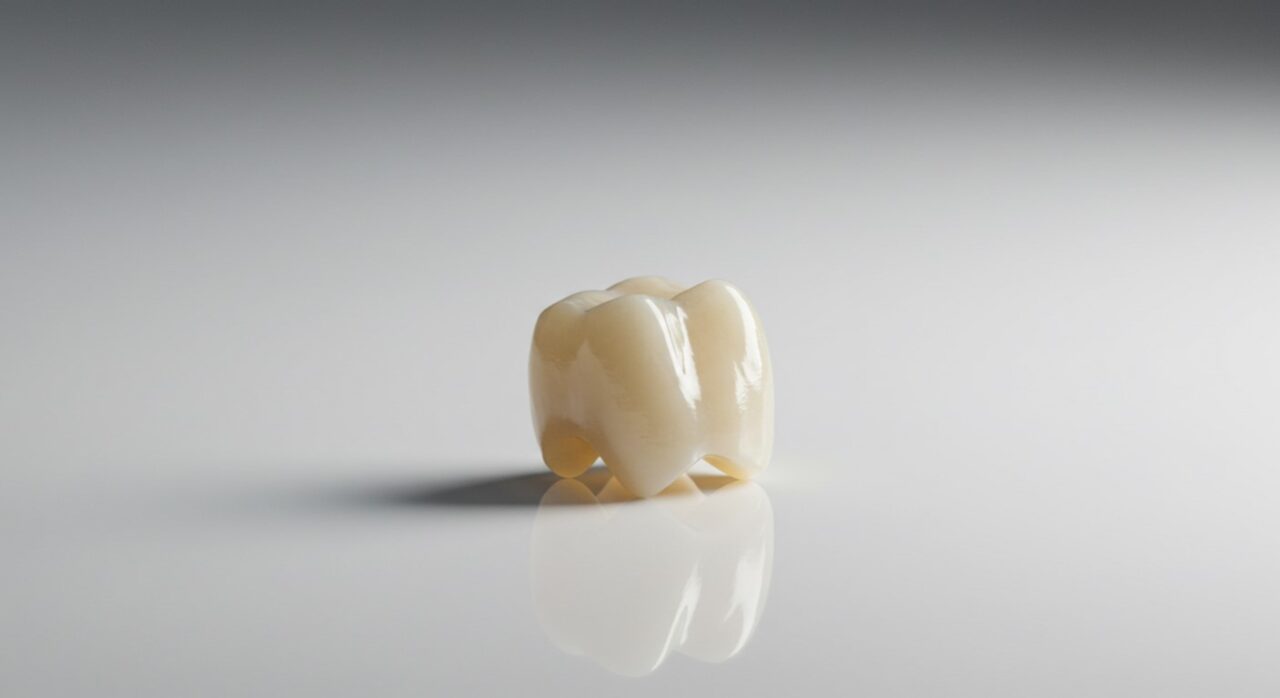
A dental crown is a custom-fitted cap placed over a tooth, restoring its shape, size, and strength, and is often used after procedures like root canals.
Crowns are typically made from materials such as porcelain, ceramic, metal, or resin, each selected for durability and aesthetic considerations.
Porcelain crowns mimic the natural appearance of teeth and are ideal for front teeth, while metal crowns offer greater strength and are often used for molars.
They differ from fillings, which only cover a small part of a tooth, and from veneers, which are thin shells that cover the front surface.
Common scenarios for crown use include after significant decay removal or to support a dental bridge.
Types of Dental Crowns
Dental crowns come in various materials, each offering unique advantages such as durability, aesthetics, or cost-effectiveness, including porcelain and metal options.
Porcelain crowns are ideal for front teeth due to their natural appearance, while metal crowns, such as gold or nickel-chromium, are perfect for back teeth due to their strength.
Ceramic crowns offer a good balance between aesthetics and durability but can be less resilient than metals. Resin crowns are the most cost-effective option, suitable for temporary solutions.
Consider the tooth’s location, required strength, and aesthetic needs when choosing: for example, a porcelain crown works well for visible areas, whereas a metal crown is preferred for molars.
Factors Influencing Dental Crown Costs
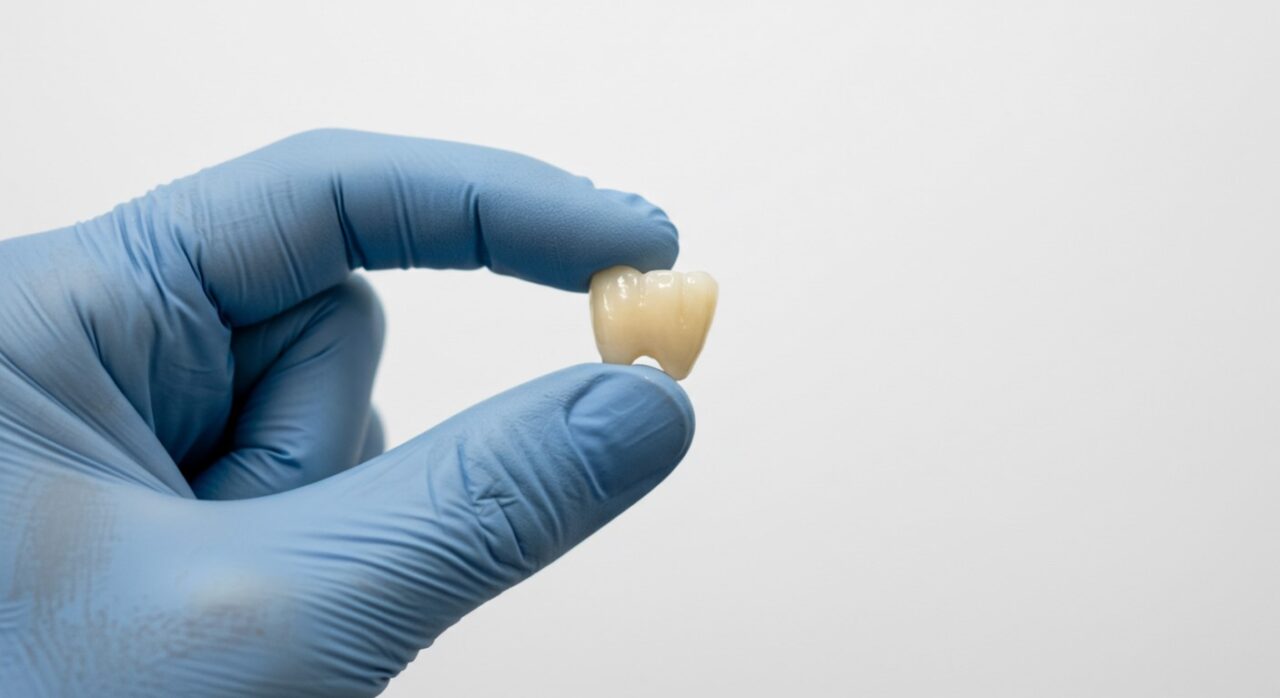
There are many factors that can significantly alter the price of dental crowns, so it is important for patients to understand what elements influence their cost.
Material Used
The choice of material for dental crowns can range from porcelain to gold, with costs varying widely; for example, porcelain crowns typically cost between £400 and £900.
Gold crowns, although more expensive at £800 to £1,200, are renowned for their durability and compatibility with gum tissue.
In contrast, zirconia crowns offer a middle ground, priced around £600 to £1,000, providing a natural appearance with solid strength.
For instance, a patient needing a crown after a root canal might prefer gold for its resilience, while one prioritising aesthetics might choose porcelain.
Consulting with your dentist can guide you to the best material based on both budget and specific dental needs.
Geographic Location
The price of dental crowns depends significantly on where you are, with differences between cities and rural areas. For example, prices in London are usually higher because there is more demand.
In London, the average cost for a dental crown ranges from £800 to £1,200, primarily due to higher overhead expenses and a more competitive market.
Conversely, in smaller towns like Stoke-on-Trent or Hull, prices can drop to between £500 and £800. This pattern can be attributed to the lower cost of living and less demand.
Factors such as NHS involvement may further influence prices, giving patients in certain regions options for reduced costs. Knowing these geographical differences can help patients plan their dental expenses more effectively.
Complexity of the Procedure
The complexity of the dental crown procedure, influenced by factors such as the need for a root canal or additional restorations, can significantly increase costs.
For instance, if a patient requires a root canal before crown placement, costs can rise to between £1,500 and £2,500, compared to a simple crown procedure that may range from £800 to £1,500.
Additional treatments, such as a buildup for inadequate tooth structure, typically add £200 to £600.
Therefore, if you anticipate complex dental needs, discussing the entire treatment plan with your dentist upfront can provide clarity on total expenses and aid in budgeting for your oral health needs.
Average Costs of Dental Crowns in the UK

Knowing the typical costs for dental crowns in the UK helps people plan their dental expenses more effectively, with prices usually ranging from £400 to £1,000.
Cost Range by Material
Cost ranges for dental crowns based on material reveal significant differences: for example, porcelain crowns range from £400 to £900, while gold crowns can reach up to £1,200.
Additional materials also come into play. For instance, zirconia crowns typically cost between £500 and £1,000 and are favoured for their strength and aesthetic appeal.
Resins are the cheapest option, costing between £250 and £600, and are commonly used for small repairs. As patients weigh these options, trends indicate a growing preference for porcelain and zirconia, driven by their blend of durability and aesthetics.
The material you choose for a crown can greatly affect the total cost of treatment and how satisfied the patient is with the results.
Insurance Coverage and Payment Plans
Many dental insurance plans cover part of the cost for crowns, often covering 50-80%. Knowing these options can help patients save a significant amount of money.
For instance, if your crown costs £1,000 and your plan pays 70%, you would pay just £300 from your own funds, which makes dental care easier to afford.
Many practices offer financing options, allowing patients to split payments over time. Providers like CareCredit or LendingClub can extend 0% interest plans for qualified applicants, providing flexibility.
It’s essential to review your policy details, including waiting periods for major procedures, as these can affect your overall cost. Consulting with your dentist can help clarify your specific benefits and options.
Additional Costs to Consider

People often focus on the cost of crowns, but additional fees can accumulate quickly, affecting the overall cost of dental treatment.
Consultation Fees
Initial consultation fees for dental crown assessments can range from £50 to £150, depending on the clinic’s location and reputation.
For instance, a well-established clinic in London might charge around £120, while a smaller practice in a suburban area may offer consultations for as little as £60.
These costs depend on the dentist’s skill, the equipment at the clinic, and any additional tests needed.
Some dental insurance plans may cover part of the cost, so it is beneficial to check your coverage prior to booking.
Follow-Up Visits
Post-procedure follow-up appointments are essential for monitoring healing and can add an additional £30 to £100 to the overall dental crown cost.
During these check-ups, the dentist assesses the crown’s fit and integrity. Typically, follow-up care may involve adjustments, ensuring the bite aligns properly, or addressing any discomfort.
For example, if a patient experiences sensitivity, the dentist may apply a desensitising agent or adjust the crown’s positioning. Regular appointments can prevent complications that necessitate further treatment, which could significantly increase costs.
Visiting the dentist twice a year helps maintain healthy teeth and keeps your dental crown in good shape.
Making an Informed Decision
Patients should consider their options for dental crowns by looking at how long they last, what materials are available, and the overall costs. This will help them choose the option that best suits their needs.
To make an informed decision, begin by asking your dentist about the differences between materials, such as porcelain, resin, and metal.
Porcelain crowns provide a natural appearance but may be less durable than metal. Ask about warranties and lifespan estimates—most crowns last between 5-15 years.
Discuss your aesthetic goals, as some options blend better with natural teeth than others. Consider your budget; some materials may be more expensive initially but could save costs over time due to their durability.
Frequently Asked Questions
What is the average cost for a dental crown in the UK?
The average cost for a dental crown in the UK ranges from £400 to £1,200. The exact cost depends on various factors such as the type of crown, the location of the dental practice, and any additional treatments needed.
Does dental insurance cover the cost of a dental crown in the UK?
It depends on the terms and coverage of your specific dental insurance plan. Some plans may cover a portion of the cost, while others may not cover it at all. It is best to check with your insurance provider beforehand to confirm coverage.
Are there any additional fees or costs associated with getting a dental crown in the UK?
Plus the cost of the crown itself, there may be additional fees for consultations, x-rays, and any necessary treatments such as root canals or extractions. It is important to discuss these potential fees with your dentist beforehand.
What are the different types of dental crowns available and how do they vary in cost?
The most common types of dental crowns used in the UK are porcelain, ceramic, metal, and porcelain-fused-to-metal. The cost varies based on the material used, with metal crowns being the most affordable and porcelain-fused-to-metal crowns being the most expensive. Your dentist can help you determine the best option for your specific needs and budget.
Does the location of the dental practice affect the cost of a dental crown in the UK?
Yes, the location of the dental practice can impact the cost of a dental crown in the UK. Dental practices in larger cities tend to have higher costs due to higher overhead expenses, while practices in smaller towns or rural areas may have lower costs.
Is it possible to get a dental crown at a discounted price in the UK?
Some dental practices may offer discounts or payment plans for patients who are on a tight budget. It is best to inquire with your dentist about any available options for reducing the cost of a dental crown. Some dental schools might provide lower prices for dental care done by students who are supervised by licensed dentists.
Leave a Reply