

What Are the Main Benefits of Dental Implants?
Missing teeth can impact more than just your smile; they can affect your confidence and overall well-being. Dental implants provide a great option, bringing back both appearance and function.
These implants mimic natural teeth, support facial structure, and promote jawbone health. Learn about the many benefits of dental implants, such as better chewing and boosted confidence, and find out if they are right for you. Start improving your dental health today.
Improved Aesthetics

Dental implants improve the appearance of a person’s smile and make it look natural, which increases their self-confidence.
Natural Appearance
Dental implants resemble real teeth and are made from high-quality materials that fit in perfectly with your other teeth.
These modern implants can be colour-matched using advanced shade-matching tools, which allow dentists to analyse and replicate the specific hues of a patient’s natural teeth.
For instance, a case study involving a 35-year-old patient showed significant improvement in self-esteem after receiving an implant that was indistinguishable from her other teeth. This thoughtful personalisation can improve the overall appearance, leading to greater confidence and satisfaction.
Patients often report feeling more comfortable smiling and interacting socially after their treatment.
Facial Structure Support
Implants support facial structures by preventing bone loss that often occurs after tooth loss, helping to maintain a youthful appearance.
When a tooth is extracted, the surrounding alveolar bone can begin to deteriorate rapidly, with studies indicating up to 25% of bone density loss occurring within the first year.
By placing a dental implant, you stimulate the bone like a natural tooth root, significantly reducing this risk. In fact, implants can preserve up to 90% of bone density over time compared to traditional dentures, which do little to prevent bone resorption.
This method improves appearance and maintains the natural shape of the face, keeping the smile youthful and lively.
Enhanced Functionality
Dental implants greatly improve functionality, enabling individuals to eat a wide variety of foods and speak clearly without issues related to missing teeth or dentures.
Improved Chewing Ability
With dental implants, patients regain nearly 90% of their chewing capability, facilitating a diet rich in fruits and vegetables that can improve overall health.
This improvement in how well people can chew allows them to eat foods they might have skipped before because of the limitations of standard dentures.
For instance, a study published in the International Journal of Oral and Maxillofacial Implants found that patients with implants could effectively chew apple slices, nuts, and even steak, which were difficult with dentures.
Implants provide stability and restore bite force, significantly impacting dietary choices and nutritional intake. Patients report that they can chew better and feel more confident in social situations.
Speech Improvement
Patients with dental implants often experience improved speech clarity, eliminating the slurring or mumbling associated with missing teeth or ill-fitting dentures.
When dental implants are properly positioned, they create a stable foundation for prosthetic teeth, allowing for natural tongue movement and reduced friction during speech.
For example, Sarah, who recently received implants, said,
“I can finally speak confidently without worrying about my ‘s’ sounds getting mixed up.”
John also mentioned,
“After my implants, I could speak clearly; it felt incredible after years of difficulty.”
These testimonials show that stable dental support improves speech clarity, helping patients speak clearly.
Durability and Longevity

Dental implants can last over 15 years and often a lifetime, making them a reliable choice for replacing teeth.
Long-lasting Solution
Implants boast a survival rate of over 95% after 10 years, provided they are maintained with regular dental care.
To maintain dental implants well, patients should visit the dentist every six months for cleanings and assessments.
Good oral care, such as brushing twice a day with fluoride toothpaste and cleaning between teeth with brushes or dental floss, greatly improves the health of implants.
For instance, a patient named Sarah diligently followed these guidelines, resulting in her implants remaining stable and free from infection for over eight years.
Avoiding tobacco and managing health issues such as diabetes are important for keeping implants in good condition.
Low Maintenance Requirements
Dental implants are simpler to maintain than dentures because they just require regular brushing and flossing, making them a sensible option for patients.
To make dental implants last longer, establish a habit of brushing twice a day with a toothbrush that has soft bristles and toothpaste that isn’t abrasive.
Flossing is essential too; consider implant-specific floss or interdental brushes to effectively clean around and between the implants. Regular check-ups every six months help keep them strong by letting a dentist check bone health and the condition of the implant.
On the other hand, dentures often require special cleaning products and regular replacements, so implants are an easier and better option over time.
Preservation of Jawbone Health
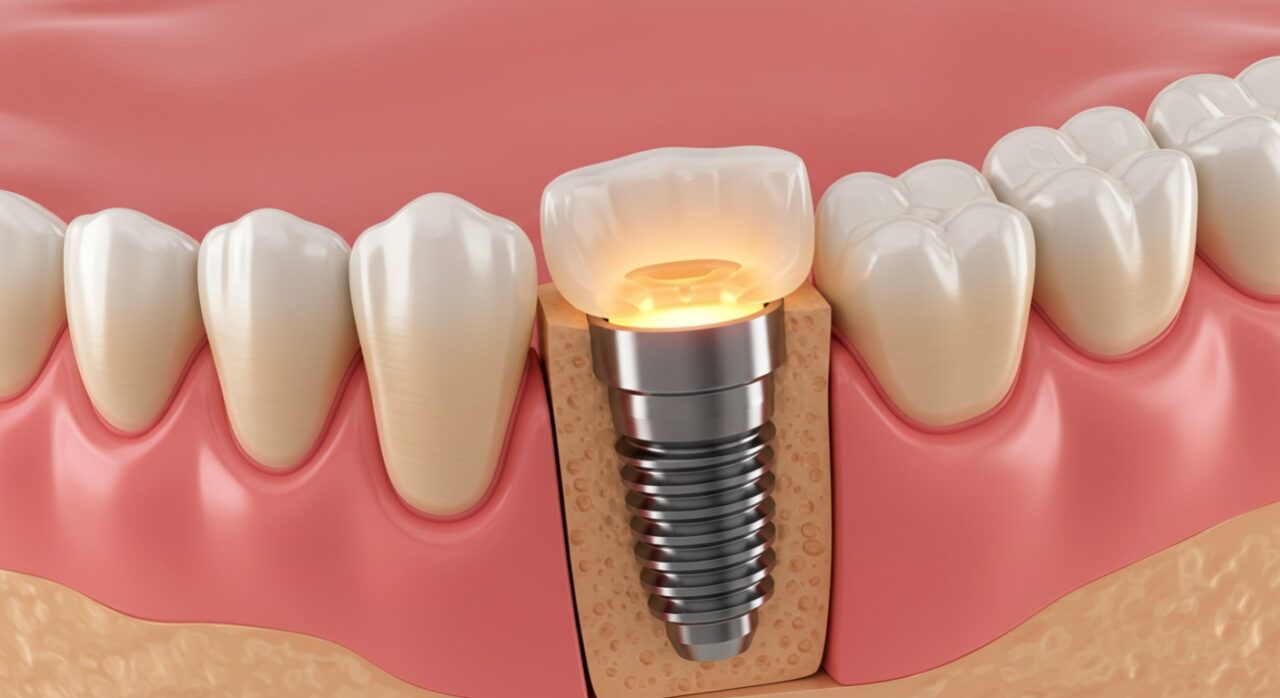
Dental implants are excellent for jaw health because they help the bone grow, which is important to prevent bone loss after losing a tooth.
Osseointegration is the biological process whereby the bone cells grow and bond with the implant surface, creating a stable foundation that supports a natural appearance and function.
Research published in the Journal of Periodontology shows that patients with implants maintain 80-100% of their bone density for years after placement, whereas those with traditional dentures experience significant bone loss in nearby areas.
Maintaining the shape of the face is important for looks and function, making dental implants a good option for replacing teeth.
Improved Oral Health
Dental implants restore function and appearance while greatly improving oral health.
Easy Cleaning and Care
Looking after dental implants is easy since you clean them just like your regular teeth. Just brush and floss regularly.
Follow these simple daily care tips to keep everything running smoothly and prevent issues:
- Brush twice a day with a soft-bristled toothbrush and non-abrasive toothpaste.
- Floss daily to remove plaque build-up around the implants.
- Consider using an antimicrobial mouthwash for added protection against bacteria.
- Go to your dentist every six months for check-ups and cleanings.
- Using a water flosser can improve your cleaning routine, especially in areas that are difficult to clean.
Consistent care can keep your implants healthy for years.
Psychological Benefits

Dental implants improve looks, increase self-assurance, and simplify everyday tasks for patients.
Boosted Self-esteem
Patients often report a dramatic increase in self-esteem after receiving dental implants, as they feel more confident in their appearance and social interactions.
This increase in self-confidence can have a major impact on life. For instance, a study by the American Academy of Cosmetic Dentistry found that 85% of individuals felt more socially accepted after their procedures.
Many patients describe experiences where they engage more freely in conversations, attend social events more often, and even pursue new relationships.
Tools such as testimonials and before-and-after photographs can help potential patients see these changes. Personal stories shared in support groups often show how people feel better about themselves and improve their interactions with others.
Frequently Asked Questions
What are the main benefits of dental implants?
Dental implants offer a permanent solution for missing teeth and restore both the function and appearance of your smile. They also prevent bone loss, improve oral health, and eliminate the need for messy adhesives or uncomfortable dentures.
How do dental implants improve oral health?
Dental implants replace missing teeth at the root, stimulating the jaw bone and preventing bone loss. This helps maintain the structure of your face and prevents further dental issues such as shifting teeth or gum disease.
Can everyone get dental implants?
In most cases, dental implants are a suitable option for anyone missing one or more teeth. However, certain conditions like uncontrolled diabetes, some medications, and heavy smoking can impact the success of dental implant surgery.
What is the success rate of dental implants?
Dental implants work well more than 95% of the time, making them a dependable choice for replacing missing teeth. With proper care and regular dental check-ups, dental implants can last a lifetime.
Do dental implants require special care?
Dental implants do not require any special care apart from regular brushing, flossing, and dental check-ups. They are designed to function like natural teeth, so you can continue to enjoy your favourite foods and maintain a healthy oral hygiene routine.
How long does the dental implant procedure take?
The length of the dental implant procedure may vary depending on the specific case, but it typically takes 3-6 months. This includes the initial consultation, placement of the implant, and the final placement of a permanent dental crown. Your dentist will tell you how long it will take based on what you need.
Leave a Reply