
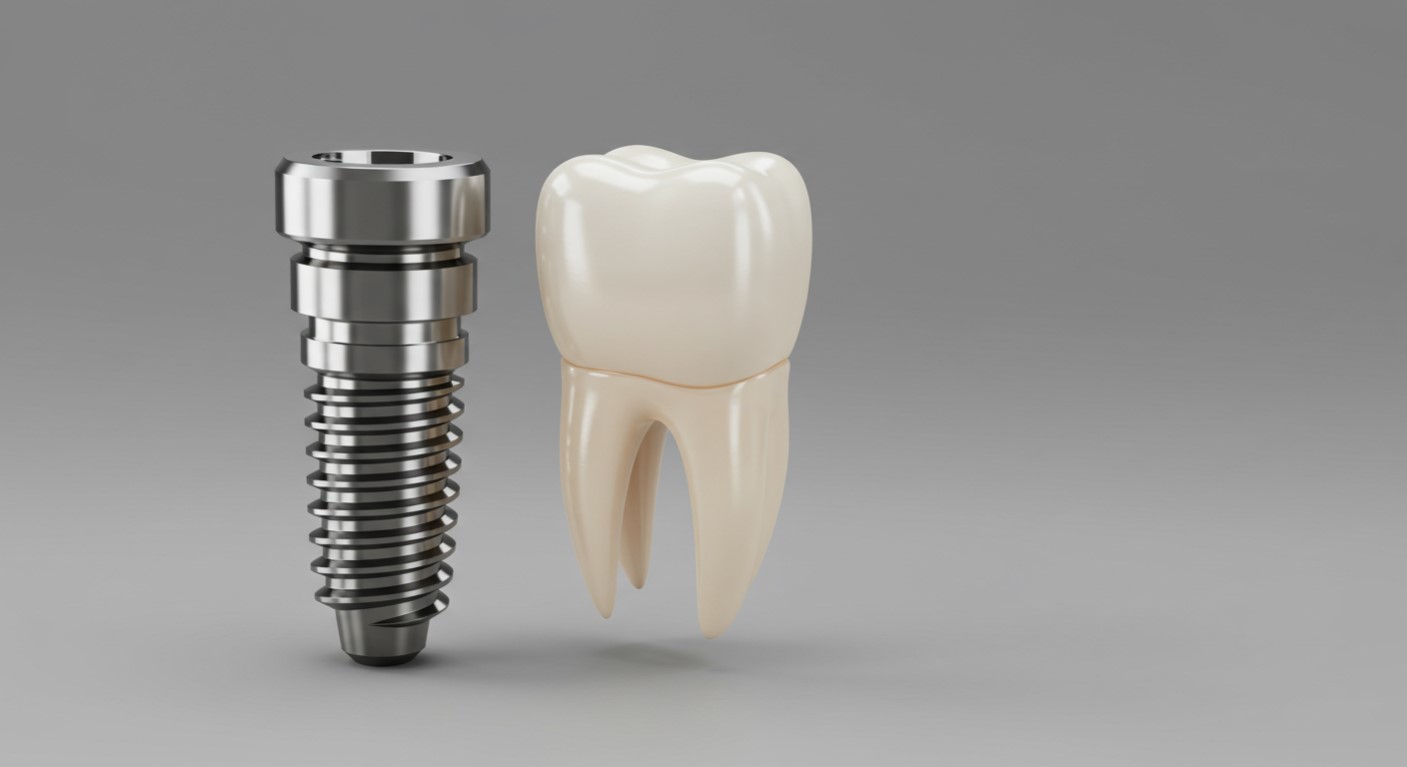
What Are Dental Implants?
Dental implants represent a revolutionary solution for tooth loss, combining advanced technology with a natural aesthetic. For anyone wondering what are dental implants, they are essentially artificial tooth roots designed to support crowns, bridges, or dentures, offering both strength and a natural appearance. Understanding their definition, history, and the various types available can greatly influence one’s dental health decisions.
With benefits ranging from enhanced functionality to long-term durability, it’s essential to explore the intricate procedure, recovery process, and potential costs involved.
This exploration reveals not only their advantages but also the considerations necessary for making informed choices about dental care.
Definition of Dental Implants
Dental implants are titanium posts that are surgically placed into the jawbone, providing a robust foundation for both fixed and removable prosthetic devices. These implants are designed to replicate the natural tooth root and promote bone health through a process known as osseointegration, during which the jawbone fuses around the implant.
Typically constructed from biocompatible materials such as titanium or zirconia, dental implants offer exceptional durability and resistance to corrosion. Once the implants have successfully integrated with the bone, they can support a variety of dental restorations, including crowns and bridges, thereby restoring both functionality and aesthetics.
This not only improves the patient’s ability to chew but also aids in maintaining facial structure over time, making dental implants an excellent long-term solution for tooth loss.
History and Evolution
The evolution of dental implants can be traced back to ancient civilisations, with documented use dating as far back as 2000 BC, when rudimentary materials were utilised for tooth replacement. Throughout history, significant advancements have continually shaped the field of modern dentistry.
In the 1950s, Swedish surgeon Per-Ingvar Branemark made a groundbreaking discovery regarding osseointegration, the process by which titanium bonds with bone, thereby revolutionising the stability of dental implants. The 1980s witnessed the introduction of titanium alloys and advanced surface treatments, which substantially enhanced the biocompatibility and longevity of implants.
Recent innovations, such as computer-guided implant placement and 3D printing technologies, have enabled the creation of customised implants tailored to the unique anatomy of individual patients. Collectively, these developments have rendered dental implants safer, more effective, and widely accessible, representing a significant advancement from early practices to contemporary techniques in dentistry.
Types of Dental Implants

Understanding the various types of dental implants is essential for determining the most suitable solution tailored to the specific needs and anatomical considerations of each patient.
Endosteal Implants
Endosteal implants, recognised as the most common type of dental implants, involve the surgical placement of titanium screws directly into the jawbone. This technique provides a stable foundation for the attachment of replacement teeth.
This procedure is particularly suitable for patients who possess adequate jawbone density and overall good health. The process commences with a comprehensive dental examination and imaging studies to evaluate the bone structure.
Following this assessment, if the patient is deemed suitable, the titanium screws are surgically inserted into the jawbone, a procedure that typically takes one to two hours. After a healing period of several months, during which osseointegration occurs, an abutment is placed, and subsequently, a crown is attached.
The advantages of endosteal implants include enhanced functionality and improved aesthetics, making them a preferred option for long-term dental restoration solutions.
Subperiosteal Implants
Subperiosteal implants are strategically positioned beneath the gum tissue but above the jawbone, typically indicated for patients with insufficient jawbone height to support standard implants. This procedure is often recommended for individuals who have experienced significant bone loss due to periodontal disease or prolonged use of dentures.
The process involves several critical steps:
- Initially, a comprehensive assessment utilising 3D imaging is performed to determine the precise positioning of the implant.
- Subsequently, a custom implant framework is fabricated and surgically placed beneath the gum tissue.
The advantages of subperiosteal implants include a faster recovery time compared to conventional implants and the preservation of jaw structure. However, potential drawbacks may include higher costs and the necessity for more frequent adjustments.
Zygomatic Implants
Zygomatic implants represent a specialised type of dental implant that is anchored in the zygomatic bone, offering a viable alternative for patients experiencing significant jawbone loss. This procedure is particularly beneficial for individuals who do not possess adequate bone density for conventional implants.
The surgical process typically involves placing the implant at an angle within the zygomatic bone, which can be accomplished in a single day, thereby minimising the duration required to achieve a fully functional set of teeth.
The success rates for zygomatic implants are noteworthy, with studies indicating over 90% success after five years. For instance, a patient with extensive maxillary resorption successfully restored their smile through the use of zygomatic implants, demonstrating their effectiveness in addressing severe cases.
Benefits of Dental Implants

Dental implants provide several advantages, including enhanced aesthetics and improved functionality, establishing them as a preferred choice for tooth replacement.
Improved Aesthetics
Dental implants closely resemble natural teeth, significantly enhancing the aesthetics of an individual’s smile and bolstering personal confidence. Many patients report a remarkable transformation following the placement of dental implants.
For instance, before-and-after photographs often demonstrate the seamless integration of implants with existing teeth, resulting in an improved overall appearance.
Patient testimonials frequently emphasise not only the enhanced aesthetics but also the regained ability to enjoy foods they previously avoided. Tools such as the SmileView app enable prospective patients to visualise their potential outcomes prior to treatment.
Ultimately, the natural appearance and functionality of dental implants serve to restore not only smiles but also the confidence to participate in social interactions.
Enhanced Functionality
Unlike dentures, dental implants restore nearly 100% of bite force, enabling patients to enjoy their preferred foods without restrictions. Patients can partake in crunchy apples, tough steaks, and sticky sweets—items that are often prohibited with dentures.
Additionally, dental implants enhance speech clarity by eliminating the movement and slippage commonly associated with removable options. Evidence indicates a patient satisfaction rate exceeding 95% regarding the functionality and comfort of implants.
With appropriate care and maintenance, these durable solutions can last a lifetime, positioning them as a viable long-term investment for oral health.
Long-Term Solution
With appropriate care, dental implants can last for over 15 years, positioning them as one of the most durable solutions for missing teeth. In contrast, traditional dentures typically require replacement every 5 to 7 years, while dental bridges have a lifespan of approximately 10 years.
A study conducted by the British Dental Association reveals a success rate of 95% for dental implants after five years, which marginally decreases to 90% after ten years.
To ensure the longevity of dental implants, regular maintenance is essential. This includes:
- Routine dental check-ups
- Daily brushing
- Flossing around the implant area
Additionally, avoiding hard foods can help prevent wear on the implant, thereby further extending its lifespan.
Dental Implant Procedure
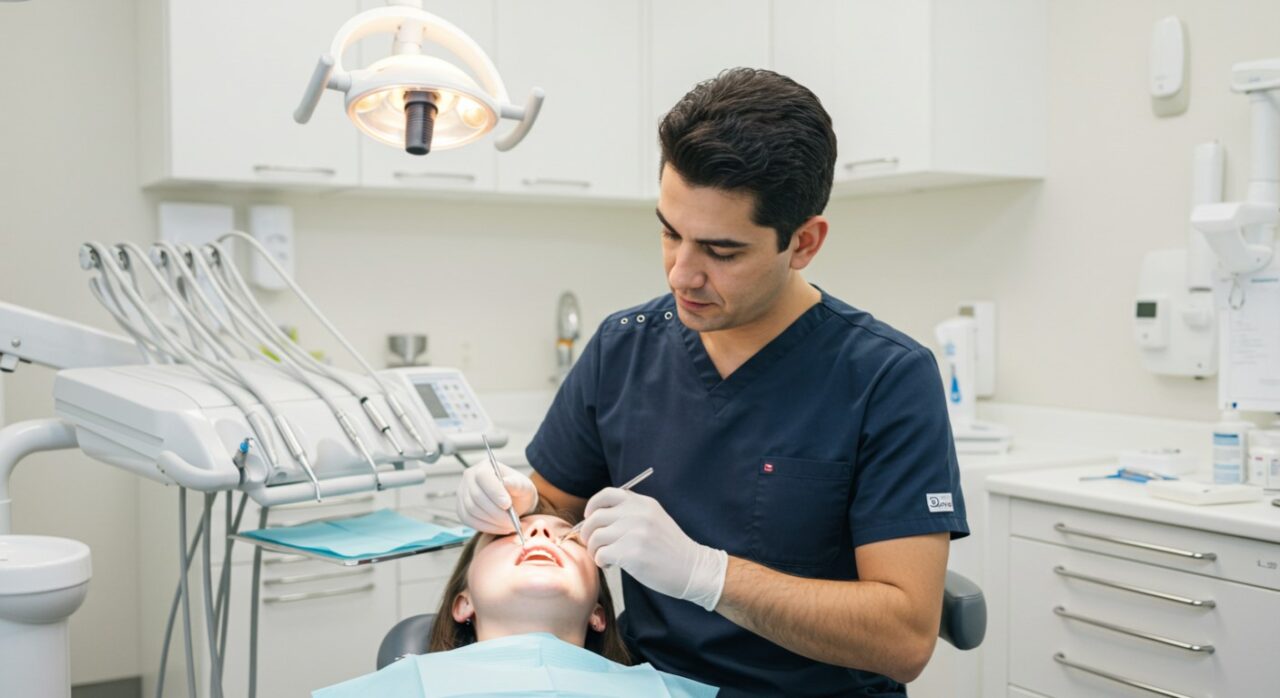
The dental implant procedure consists of multiple stages, designed to ensure precise placement and optimal integration with the jawbone, thereby achieving long-lasting results.
Initial Consultation
During the initial consultation, the dentist performs a comprehensive examination and reviews the patient’s medical history to formulate a personalised treatment plan.
Plus the examination, the dentist may request specific imaging to acquire a more detailed understanding of the patient’s dental health. Common imaging requirements include dental radiographs, which assist in identifying issues such as cavities or impacted teeth.
Patient education is a key focus, as the dentist outlines treatment options, offers preventative care advice, and emphasises the importance of regular check-ups.
This thorough approach ensures that patients feel informed and engaged in their dental care decisions, ultimately contributing to improved outcomes.
Implant Placement Surgery
Implant placement surgery typically requires 1 to 2 hours to complete and is conducted under local anaesthesia, which minimises discomfort for the patient.
Ahead of the procedure, the surgical team will discuss the available anaesthesia options, which may include oral sedatives or nitrous oxide to help alleviate anxiety. During the surgery, a small incision is made in the gum tissue to access the jawbone, where the implant is securely positioned.
Following the procedure, patients are advised to manage any discomfort with over-the-counter pain relief and to adhere to a soft diet for a few days. Post-operative care is essential and includes maintaining proper oral hygiene and attending follow-up appointments to monitor the healing process.
Additionally, patients may consider using an ice pack to reduce swelling and facilitate a smooth recovery.
Osseointegration Process
Osseointegration refers to the process in which the jawbone heals around the dental implant, establishing a robust bond that is essential for the success of the implant. This intricate process typically commences within a few days following the placement of the implant and may take between three to six months to reach completion.
During this period, the surrounding bone tissue undergoes remodelling, resulting in a dense structural connection with the implant. To promote osseointegration, dental professionals often recommend the use of specific materials, such as titanium or zirconia, both of which are recognised for their biocompatibility.
Additionally, maintaining proper oral hygiene and avoiding excessive force on the implant during the healing phase can significantly enhance outcomes, ensuring a stable foundation for the prosthetic tooth.
Abutment Placement
Following osseointegration, an abutment is placed on top of the implant, functioning as a connector for the final restoration, such as a dental crown. The placement of the abutment is a critical step, as it guarantees the durability and functionality of the final restoration.
This procedure is generally conducted under local anaesthesia, resulting in minimal discomfort for the patient.
Patients can anticipate a healing period of one to two weeks prior to the fitting of the crown. Most individuals report manageable levels of discomfort, with over-the-counter pain relief typically being adequate.
Regular follow-up appointments are essential to monitor proper healing and alignment. It is imperative to maintain oral hygiene during this time to prevent infection and ensure the successful integration of the abutment with the implant.
Crown Placement
The final step in the implant procedure involves the attachment of a custom-made crown to the abutment, thereby completing the restoration process and restoring functionality.
The crown is meticulously crafted to match the shape and colour of the existing teeth, ensuring a natural appearance. Skilled dental technicians employ advanced materials, such as porcelain or zirconia, to enhance both durability and aesthetic appeal.
During this phase, the dentist will ensure a proper fit and comfort, taking additional impressions if necessary.
Patients frequently report a significant enhancement in both functionality and self-confidence once the crown is in place. Post-procedure feedback emphasises improved chewing efficiency and a seamless appearance, resulting in the crown feeling like a natural part of their smile.
Recovery and Aftercare

The recovery process following dental implant surgery is essential for achieving successful outcomes. It necessitates appropriate aftercare and vigilant monitoring of any potential side effects.
Post-Surgery Care
Post-surgery care encompasses the maintenance of oral hygiene, adherence to a soft food diet, and attendance at follow-up appointments to monitor the healing process. To ensure optimal recovery, it is essential to focus on the following specific care recommendations.
- Firstly, it is imperative to maintain oral hygiene by gently brushing the teeth with a soft-bristled toothbrush and rinsing with a saltwater solution. This practice should be performed at least twice daily to promote healing.
- Regarding dietary considerations, patients are advised to consume soft foods such as yoghurt, mashed potatoes, and smoothies during the first week post-surgery to minimise irritation to the healing tissues.
- Furthermore, it is crucial to schedule follow-up appointments within a week after surgery to evaluate progress and address any concerns. Consistent and diligent care during this period plays a significant role in influencing healing outcomes.
Common Side Effects
Common side effects of dental implant surgery may include swelling, bruising, and temporary discomfort, which typically resolve within a few days.
Patients are advised to manage swelling by applying ice packs during the first 48 hours after surgery. Over-the-counter pain relief, such as ibuprofen, can effectively alleviate discomfort.
It is crucial to maintain proper oral hygiene to prevent infection; gentle rinsing with salt water is recommended.
If symptoms persist beyond one week, or if the patient experiences severe pain, unusual bleeding, or signs of infection—such as fever or pus—it is imperative to contact the dentist immediately for further advice.
Timely intervention is essential to ensure a smooth recovery and the overall success of the dental implant.
Cost of Dental Implants
The cost of dental implants can vary significantly, determined by several factors including the type of implant selected, the geographical location of the dental practice, and the necessity for additional procedures such as bone grafting.
Factors Influencing Cost
The cost of dental implants is influenced by several factors, including the complexity of the procedure, the materials used, and the geographical location. Basic dental implants typically range from £3,000 to £4,500 each, while more intricate cases can exceed £6,000.
The type of implant material also significantly impacts costs; titanium implants generally range from £1,500 to £3,000 per implant, whereas zirconia implants can range from £3,000 to £5,000.
Additionally, geographical location plays a crucial role—prices in urban centres may be 20-30% higher than the national average. It is advisable to consult local dental professionals for personalised quotes that can provide a clearer understanding of costs tailored to individual needs.
Insurance Coverage
Navigating insurance coverage for dental implants can be intricate, as many insurance plans classify them as cosmetic procedures, resulting in partial or no coverage. To potentially reduce out-of-pocket expenses, patients should initially review their policy details to understand the specific coverage clauses.
It is advisable to engage directly with insurance providers to clarify any uncertainties related to dental implant coverage. Presenting supporting documentation, such as x-rays or treatment plans, can strengthen the argument for the necessity of the procedure.
In instances where coverage is limited, it may be beneficial to discuss payment plans or financing options available through dental practices. Additionally, inquiring about Health Savings Accounts (HSAs) or Flexible Spending Accounts (FSAs) can provide opportunities for tax-free payments for eligible procedures.
Risks and Complications

Although dental implants demonstrate a high success rate, it is crucial to understand the potential risks and complications associated with the procedure to facilitate informed decision making.
Infection Risks
Infection surrounding the dental implant site may arise, leading to complications that could jeopardise the success of the implant. Signs of infection include pain, swelling, and discharge at the implant site.
It is imperative for patients to maintain excellent oral hygiene by utilising antiseptic mouthwash and gently brushing around the area to mitigate the risk of infection.
Regular dental check-ups are essential, particularly during the initial months following surgery. Dental practitioners can reduce potential risks by conducting thorough patient assessments, ensuring the use of sterile techniques during the implantation process, and providing clear aftercare instructions.
Monitoring for signs of peri-implantitis is critical, as early detection of infections can help preserve the health and longevity of the implant.
Frequently Asked Questions
What Are Dental Implants?
Dental implants are artificial tooth roots that are surgically placed in the jawbone to support a replacement tooth or bridge. They are a permanent and effective solution for missing teeth.
How are dental implants placed?
The first step in the dental implant process is the placement of the implant, which involves surgically inserting a small titanium post into the jawbone. Over time, the bone will fuse to the implant, creating a strong and stable foundation for the replacement tooth.
Are dental implants safe?
Yes, dental implants are a safe and proven procedure with a success rate of over 95%. They are the most natural and long-lasting tooth replacement option available.
How long do dental implants last?
With proper care and maintenance, dental implants can last a lifetime. They are made of durable materials that are resistant to decay and wear, making them a permanent solution for missing teeth.
Can anyone get dental implants?
Most people are good candidates for dental implants, but it is important to have a thorough dental examination and consultation to determine if you have enough healthy jawbone to support the implant. Age and general health are not necessarily limiting factors for dental implants.
What are the benefits of dental implants?
Dental implants offer numerous benefits, including improved appearance and self-confidence, better chewing and speaking abilities, and the preservation of facial structure. They also do not require any alterations to adjacent teeth, unlike traditional bridges.
Leave a Reply