

What Causes Gap Teeth?
Gap teeth, often seen as a unique smile feature, spark curiosity and conversation. Learning how common they are gives us information about dental health and how society views it.
From midline diastema to varying types of gaps, these spaces between teeth have diverse causes, including genetics and dental habits. This study looks into the physical and mental effects of having gap teeth, and the different treatments that can be chosen.
Learn how this dental trait affects people and its impact on oral health going forward.
Definition and Overview
Diastema is a dental issue where there is a noticeable gap between two teeth, often appearing between the upper front teeth.
This condition is particularly prevalent in children, with studies indicating that as many as 25% of children aged 6 to 9 may have a diastema due to the natural spacing of primary teeth.
In adults, the rate drops to around 10%. This is often because of problems like gum disease, tooth loss, or misaligned teeth. Regular dental check-ups and orthodontic evaluations are essential in managing diastema, especially as it can impact oral health and aesthetics.
Consider consulting an orthodontist if the gaps persist into adulthood.
Prevalence and Statistics
Research indicates that approximately 25% of children and 20% of adults have some form of gap teeth, with a higher incidence observed in females.
This prevalence can vary significantly by demographics. For instance, a study by the American Dental Association found that gap teeth are more common in children aged 6-12, affecting nearly 30% of this group.
A survey showed that 15% of adults express concern over their gaps, often linking them to self-esteem issues. Regular dental check-ups and corrective options, such as braces or clear aligners, can effectively address these concerns.
Parents should monitor children’s dental development early to maximise intervention success.
Types of Gap Teeth
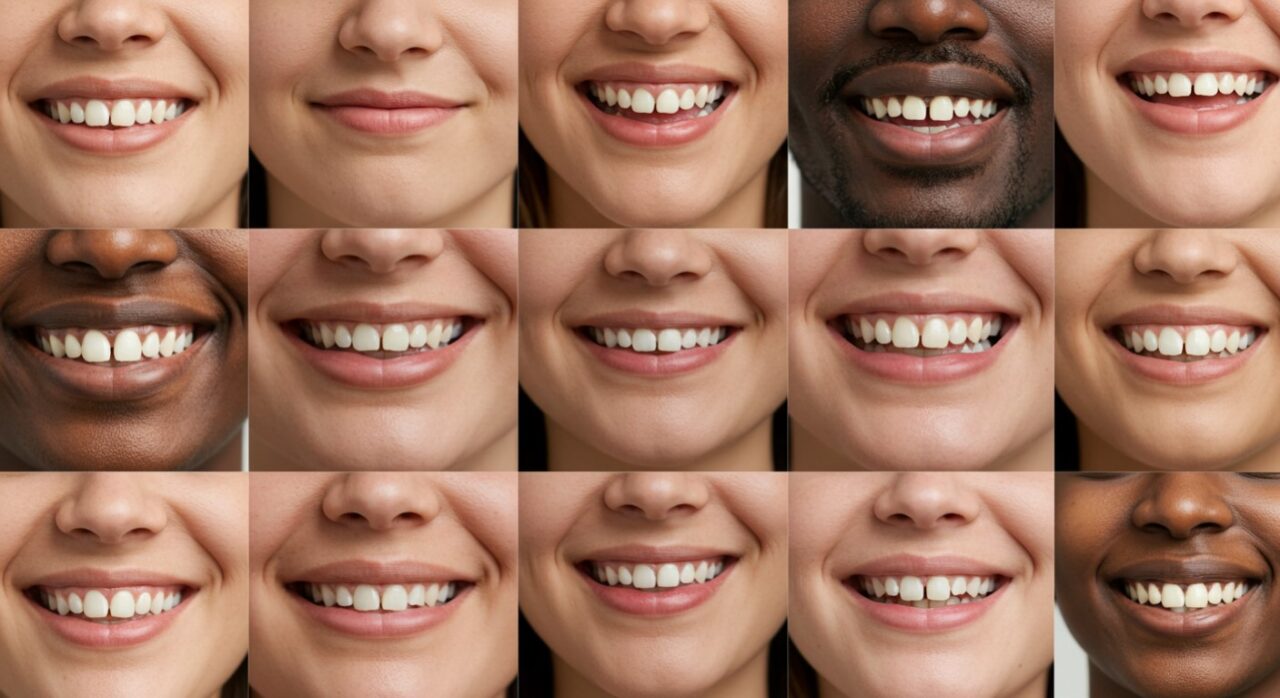
Knowing the various types of gap teeth is important for creating effective treatments and achieving the best dental appearance.
Midline Diastema
Midline diastema occurs between the two upper front teeth and is often considered the most common type of gap teeth.
This condition can arise from various factors, including genetics, thumb sucking, or periodontal disease. Typically, it becomes noticeable during childhood, often between the ages of 6 and 8, as permanent teeth begin to emerge.
Teeth gaps may close by themselves. However, if they stay and lead to speech difficulties or other dental problems, consulting an orthodontist is recommended. Treatment options include braces or dental bonding, which can effectively restore aesthetic function and improve self-confidence.
Other Types of Gaps
Other types of gaps may occur laterally or in the posterior region of the mouth and can be caused by various dental issues including tooth loss.
These gaps can arise from malocclusion, where teeth do not align properly, often leading to further tooth wear and potential periodontal disease. For instance, a missing molar can shift nearby teeth, creating additional spaces that may trap food and bacteria.
To address these gaps, dental solutions include:
- Bridges to replace missing teeth
- Orthodontic treatments such as braces to realign misaligned teeth
- Implants for a permanent solution
Consulting with a dentist about these options can significantly improve both aesthetics and oral health.
Causes of Gap Teeth

The reasons for having gaps between the teeth can include genetic factors and daily dental habits, which greatly affect how they are treated.
Genetic Factors
Genetic factors play a critical role in diastema development, with studies suggesting that family history can increase the likelihood of gap teeth.
For example, traits such as jaw size and tooth alignment often run in families. If a parent has spaced teeth, their children may also be predisposed to develop similar gaps.
Research indicates that conditions like hyperdontia—having extra teeth—can lead to spacing issues and are often inherited. Genetic testing tools can help families learn about specific hereditary dental traits and their associated risks.
Talking to an orthodontist can help manage these genetic factors well.
Dental Habits and Conditions
Habits such as thumb-sucking or prolonged dummy use in children can lead to gaps in teeth due to altered jaw alignment.
Other factors like improper dental hygiene, such as infrequent brushing and flossing, can exacerbate this issue by promoting plaque accumulation and gum disease, which may also push teeth apart over time.
To prevent gap teeth, encourage children to stop thumb-sucking by the age of four and limit dummy use to the first few years of life. Visit the dentist every six months to see if your teeth are lined up correctly.
Getting children involved in daily brushing and flossing can help them build good habits and prevent dental issues later on.
Impacts of Gap Teeth

Having gapped teeth can cause various physical and mental problems, affecting oral health and confidence.
Physical Health Effects
Physically, gap teeth may contribute to oral health problems such as tooth decay and misalignment, which can complicate dental hygiene.
These issues often lead to an increased risk of periodontal disease, characterised by gum inflammation and potential tooth loss if untreated.
Spaces between teeth can affect how you chew, leading to extra pressure on some teeth. This might result in discomfort or jaw pain over time.
To mitigate these risks, regular dental check-ups are essential. Using dental tools like soft-bristled toothbrushes and interdental brushes can improve cleaning around gaps, reducing the risk of decay and helping maintain oral health.
Psychological and Social Effects
The presence of gap teeth can significantly affect an individual’s psychological well-being, often leading to social stigma and decreased confidence.
Research indicates that individuals with gap teeth may experience heightened levels of anxiety and reduced self-esteem, particularly in social settings.
Studies show that dental aesthetics are strongly correlated with perceived attractiveness, influencing interpersonal interactions. For example, a study published in ‘Psychology and Health’ found that individuals rated higher in attractiveness often garnered more social favour and opportunities.
The way our teeth look plays a significant role in how we interact with others, leading many to consider options like braces or aligners to address these issues and feel better about themselves.
Treatment Options
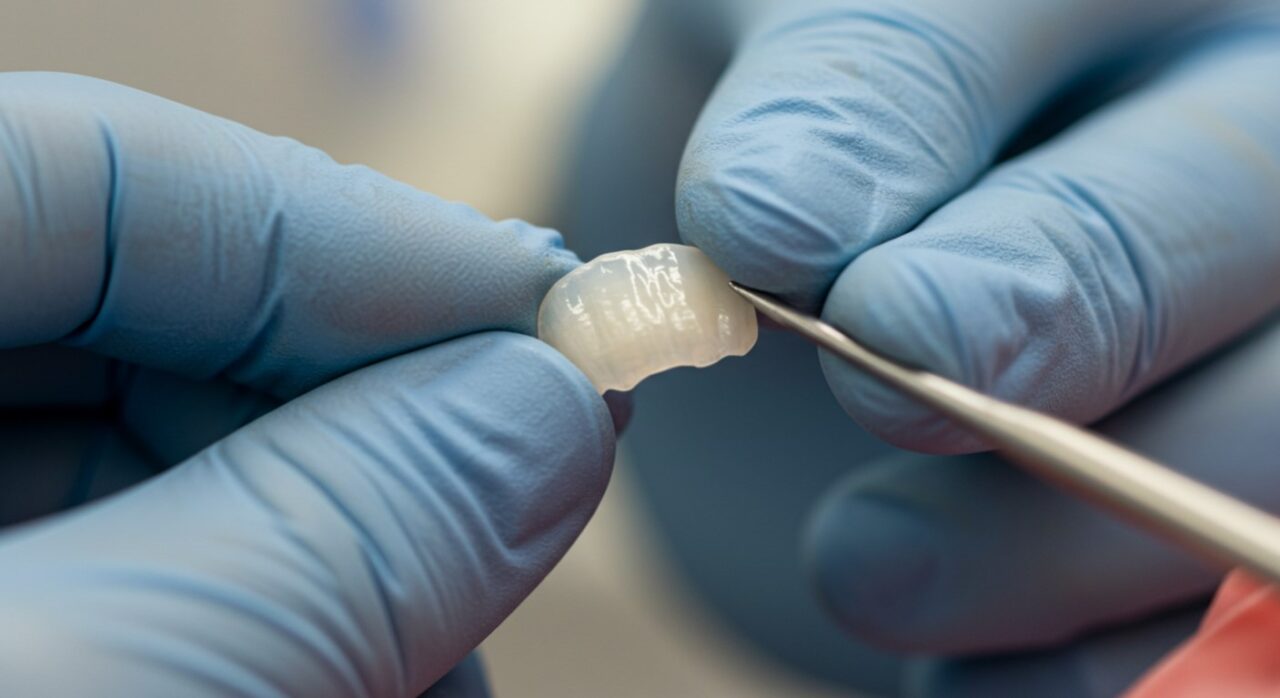
Various treatments can fix both the appearance and functionality of gap teeth. These include braces and cosmetic procedures.
Orthodontic Solutions
Orthodontic treatments, such as traditional braces and clear aligners, are effective solutions for closing gaps and ensuring proper alignment.
People considering orthodontic treatments have many options.
Traditional metal braces are highly effective, typically requiring 18-24 months of treatment and costing between £3,000 and £7,000.
Ceramic braces offer a more discreet appearance, with similar effectiveness and costs. Clear aligners such as Invisalign are visually appealing and easy to use. They usually require 12-18 months for treatment and cost between £3,000 and £8,000.
Each option has its benefits, so patients should consult with their orthodontist to assess which treatment aligns best with their lifestyle and budget.
Cosmetic Dentistry Approaches
Cosmetic dentistry provides other ways to close gaps in teeth, such as using dental bonding, veneers, and crowns that improve the appearance of your smile.
Dental bonding is a cost-effective option that typically ranges from £300 to £600 per tooth. This procedure involves applying a tooth-coloured resin that is sculpted directly onto the tooth to fill gaps.
For a more durable solution, veneers, averaging £1,000 to £2,500 per tooth, provide a natural appearance and can completely reshape the tooth. Dental crowns, which can cost between £800 and £3,000, effectively close gaps and protect the tooth.
Each method lasts for different periods and has a different appearance. It’s important to consult a cosmetic dentist to find out which option suits you best.
Future Considerations and Trends
The outlook for treating gap teeth looks promising, thanks to advancements in dental technologies such as 3D printing and AI-driven orthodontics, which lead to improved outcomes for patients.
These technologies help create personalised treatment plans that can be adjusted quickly to match each person’s unique dental needs. For example, 3D printing enables the rapid production of customised aligners that fit comfortably, making the process of closing spaces more efficient.
AI algorithms analyse past treatments and predict the most effective strategies, not only for closing gaps but also for addressing related concerns such as teeth getting transparent at the bottom or teeth getting yellow due to enamel wear and staining.
Together, these innovations provide more effective and accessible solutions for patients wishing to correct gap teeth while maintaining a healthy, bright smile.
Frequently Asked Questions
What are gap teeth?
Gap teeth, also known as diastema, are spaces or gaps between two or more teeth in the mouth. They are most commonly found between the two upper front teeth, but can occur anywhere in the mouth.
What causes gap teeth?
Gap teeth can be caused by a variety of factors, including genetics, missing or undersized teeth, habits such as thumb sucking or tongue thrusting, and gum disease. In some cases, it may be due to a mismatch between the size of the jaw and the size of the teeth.
Can gap teeth cause any problems?
In most cases, gap teeth do not cause any problems and are purely a cosmetic issue. But, if the gap is large, it might be hard to bite and chew some foods. In some cases, it may also lead to speech difficulties or an increased risk of tooth decay and gum disease.
Can gap teeth be fixed?
Yes, gap teeth can be fixed through various dental treatments. The most common treatment options include braces, dental bonding, veneers, and dental implants. The most suitable treatment will be based on what causes the gap and how serious it is.
Is having gap teeth a sign of poor dental hygiene?
No, having gap teeth does not necessarily mean that a person has poor dental hygiene. While poor dental hygiene can contribute to tooth decay and gum disease, which may lead to gap teeth, the presence of a gap does not automatically indicate poor oral hygiene.
Can gap teeth close on their own?
In some cases, particularly in children, gap teeth may close on their own as the jaw and teeth continue to develop and shift. It’s important to talk to a dentist to find out the right way to fix a gap tooth.
Leave a Reply