

Why Are My Teeth Yellow When I Brush Them Every Day?
Many people wonder, “Why are my teeth yellow,” even when they maintain a good brushing routine. This frustrating issue can affect confidence and overall oral health.
Typical reasons such as diet, smoking, and genetics often explain the problem. We’ll also cover practical methods to whiten teeth and steps to prevent further discolouration, helping you keep your smile bright.
Find out what might be causing your teeth to become yellow.
Common Causes of Yellow Teeth

Teeth can become yellow because of things like food and drinks, smoking, and poor dental hygiene.
Dietary Factors
Some foods and drinks, such as coffee, tea, and acidic fruits, can cause noticeable stains on teeth.
To mitigate these effects, consider alternatives such as herbal teas or water infused with mint and cucumber. Maintaining a routine of rinsing your mouth with water after consuming staining foods can help.
For example, if you enjoy berries, follow them with a thorough rinse; this reduces their acid and pigment exposure to your enamel.
Incorporating crunchy vegetables, such as carrots and celery, can also act as natural cleansers, helping to scrub away surface stains while you chew.
Smoking and Tobacco Use
Research indicates that using tobacco can lead to serious staining of teeth. Smokers are 60% more likely to have yellow teeth than those who do not smoke.
The way this staining occurs is that nicotine and tar adhere to the surface of the teeth, forming a long-lasting yellow coating. The impacts on oral health are substantial, as tobacco can lead to gum disease and tooth decay.
In fact, smokers have a 50% increased risk of developing periodontal disease. For those looking to quit, resources such as the National Cancer Institute’s quitline and apps like Quit Genius provide support and strategies.
Regular dental cleanings and using whitening toothpaste can help mitigate staining, but quitting is the most effective solution.
Impact of Oral Hygiene Practices

Good dental care is important to prevent teeth from becoming stained and to keep your smile bright.
Brushing Techniques
Using the correct brushing technique can reduce plaque build-up, a major contributor to yellowing teeth, by up to 75%.
To maximise your brushing efficacy, use a soft-bristled toothbrush, which is gentle on enamel and gums. Opt for fluoride toothpaste, as it strengthens tooth enamel and helps combat decay.
Brush for a full two minutes, ensuring you cover all tooth surfaces—inside, outside, and chewing surfaces.
Integrate the modified Bass technique: angle the brush at 45 degrees towards the gum line to effectively remove plaque. Make sure to replace your toothbrush every three months, or earlier if the bristles are worn out.
This simple routine can greatly improve your oral health.
Frequency of Dental Visits
Going to the dentist twice a year can prevent and fix changes in tooth colour effectively.
During these visits, expect a detailed cleaning that gets rid of plaque and tartar, and a complete check-up where dentists look for cavities and gum disease.
After your cleaning, the dentist may recommend professional whitening treatments, such as in-office bleaching or take-home kits. In some cases, improving the appearance of stained or discoloured teeth may involve a cosmetic dental procedure designed to restore a brighter smile.
When selecting a dental professional, consider their credentials and patient reviews. Websites like Yelp and Google Reviews can show you how local practitioners are rated.
Importantly, prioritise dentists who actively keep up with modern techniques and technologies to achieve the best results.
The Role of Genetics
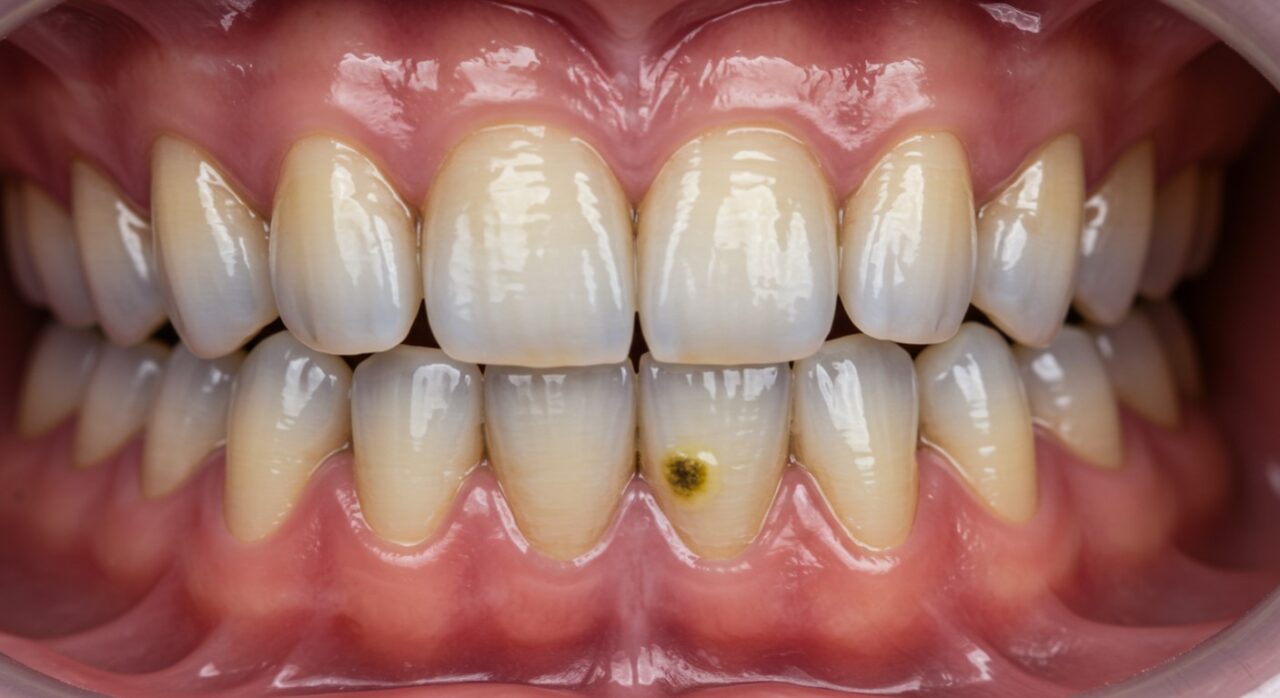
Genetics play a significant role in determining tooth colour, with some individuals predisposed to enamel characteristics that lead to discolouration.
For example, families often share traits such as thinner enamel or a tendency towards specific discolouration patterns.
Studies have shown that certain genetic markers, such as those associated with amelogenin, influence enamel formation. Those with a family history of dental discolouration may notice similar issues in their children.
To check these traits, dental professionals often carry out genetic tests along with examinations, which help in creating personalised preventive plans, such as fluoride treatments or specific whitening procedures that suit a person’s genetic traits.
Staining vs. Natural Discolouration
Knowing how to distinguish staining from natural discolouration is important for selecting the correct treatment methods.
Intrinsic vs. Extrinsic Stains
Intrinsic stains, often caused by ageing or medication, differ fundamentally from extrinsic stains that result from food and drink exposure.
Intrinsic stains go deep into the enamel of the tooth, which makes them harder to get rid of. Procedures like professional whitening or veneers can be effective, but usually need a dentist’s skills. In some cases, enamel thinning not only makes stains harder to treat but can also cause teeth to become transparent at the bottom, which adds another layer of concern for patients.
In contrast, extrinsic stains typically respond well to over-the-counter whitening strips or toothpaste, which can lift surface stains from coffee, wine, or tobacco. For example, brands like Crest 3D White or Colgate Optic White are popular choices.
Knowing these differences helps make whitening plans that work well and fit each person’s needs.
Effective Whitening Solutions
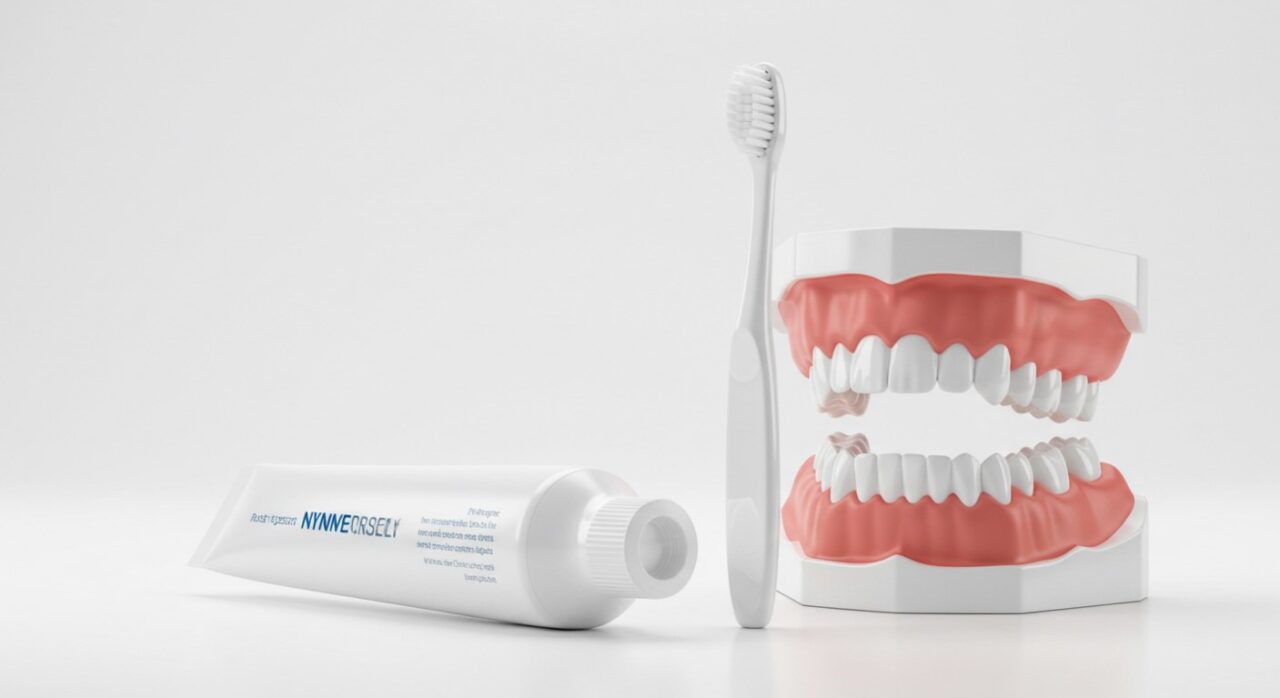
There are different ways to whiten teeth, from items you can buy in stores to professional treatments, catering to different tastes and budgets.
Over-the-Counter Products
Over-the-counter whitening products, such as whitening strips (like Crest 3D Whitestrips, £44.99) and whitening toothpaste, can make teeth significantly whiter.
For optimal results, consider using an LED whitening device alongside your strips. Devices like the AuraGlow LED Whiteners (£49.99) speed up the whitening process, often showing results in just 30 minutes of use.
It is very important to follow the product instructions carefully to prevent damage to the enamel. Limit usage to the recommended duration, usually no more than twice a day, to maintain dental health.
Rinsing with water after treatment helps remove any residue, further promoting a bright smile without compromising enamel integrity.
Professional Treatments
Professional whitening treatments, such as in-surgery bleaching (costing £500-800), offer the most dramatic results, often achieving up to 8 shades brighter in a single session.
Along with in-surgery bleaching, take-home kits provided by dentists typically range from £300-600. These kits yield gradual results and can lighten teeth by about 4-6 shades over a few weeks.
Another option is over-the-counter whitening strips, priced between £20-60, which can produce results in a more extended timeframe of 2-4 weeks. While cost-effective, they often vary in potency and effectiveness, especially for people with other dental concerns such as gap teeth or uneven enamel.
No matter the path taken, expert supervision is important for reducing sensitivity and achieving safe results.
Preventive Measures for Maintaining White Teeth
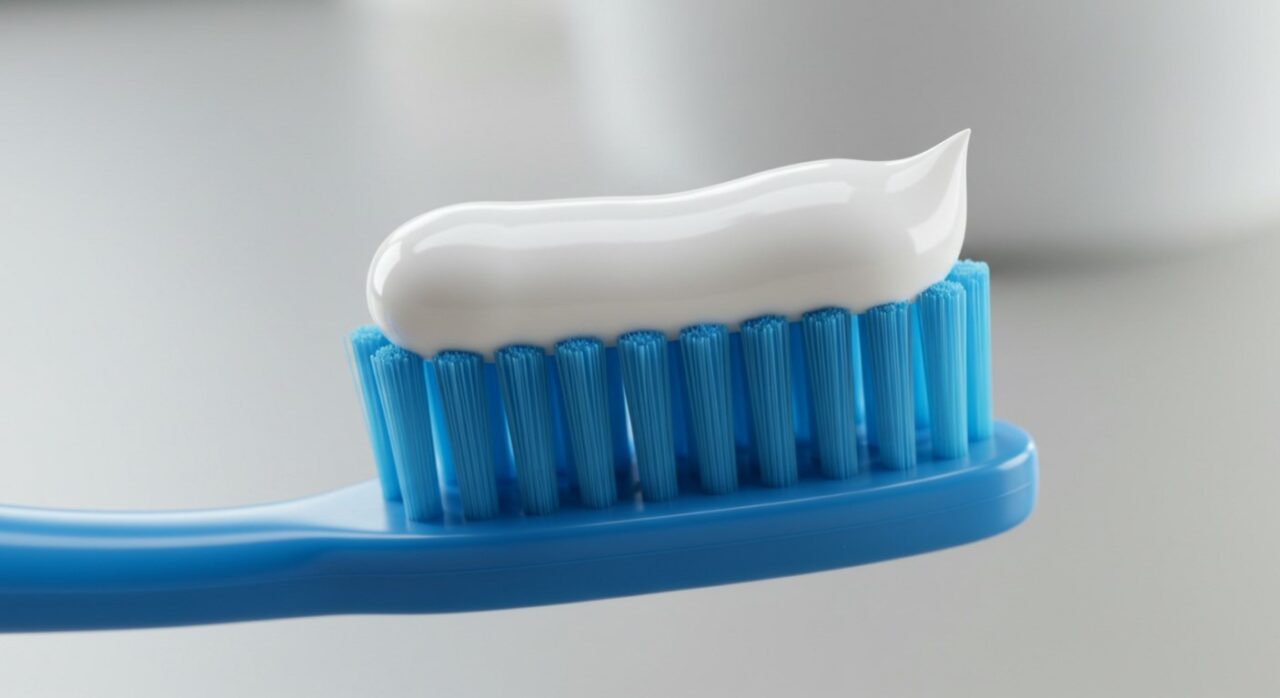
Preventing issues can maintain white teeth longer and benefit oral health.
Key strategies include following a balanced diet full of fruit and vegetables while cutting back on sugary snacks and drinks with high acid content.
- Brush your teeth with fluoride toothpaste for two minutes, twice a day.
- Cleaning between your teeth daily helps get rid of plaque.
- Go to the dentist twice a year for teeth cleaning and a check-up.
Products like electric toothbrushes and whitening strips can further aid in maintaining brightness. Sticking to these habits diligently will lead to a bright smile and improved dental health.
Frequently Asked Questions
Why are my teeth yellow even though I brush them daily?
There are a few possible reasons for this. It could be due to genetics, certain foods and drinks you consume, tobacco use, or inadequate brushing technique.
How does genetics play a role in yellow teeth?
Some people naturally have enamel that is thicker or more see-through, which can make their teeth look more yellow. This can be genetic and cannot be changed with brushing alone.
Can certain foods and drinks cause yellow teeth even if I brush daily?
Yes, foods and drinks with dark pigments, such as coffee, tea, and red wine, can stain your teeth over time. Brushing immediately after consuming them can help prevent staining.
What effect does tobacco use have on teeth discolouration?
Tobacco contains tar and nicotine which can cause yellowish brown stains on teeth. It can also increase your risk of gum disease, which can contribute to yellowing of teeth.
Is it possible to have yellow teeth despite brushing correctly?
Yes, if you are not using the correct brushing technique or are not brushing for at least two minutes, you may not be removing all the plaque and bacteria that can cause discolouration.
What can I do to prevent yellow teeth?
Along with brushing properly and for an adequate amount of time, you can limit your consumption of foods and drinks that can stain your teeth. Also, regular visits to the dentist for professional cleanings can help keep your teeth bright and white.
Leave a Reply