

What to Know About Getting Crowns on Front Teeth
Having a bright smile can increase your self-esteem, while damaged front teeth might make you less confident. Dental crowns offer a reliable solution to restore both function and appearance.
Knowing what crowns are, the types you can get, and how the procedure works helps you make good decisions. This guide covers everything you need to know about getting crowns on front teeth, from the advantages to follow-up care. Learn how to get your bright smile back!
What Are Dental Crowns?
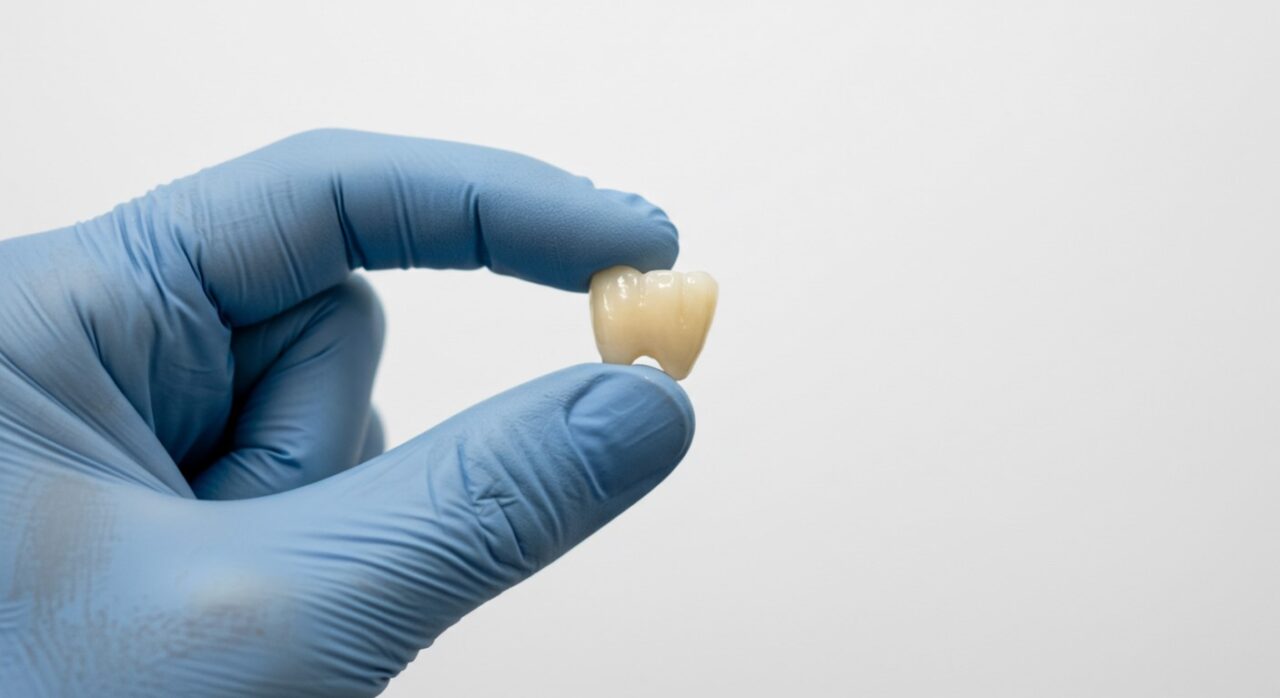
Dental crowns are custom-made caps that fit over damaged or decayed teeth, typically made from materials such as porcelain, resin, or metal, ensuring durability and functionality.
These caps serve multiple functions, such as restoring tooth shape, improving aesthetics, and protecting weak teeth.
Common scenarios for their use include covering a tooth after root canal treatment, reinforcing a cracked tooth, or supporting a dental bridge.
According to the British Dental Association, nearly 15 million people in the UK have crowns or bridges, reflecting their importance in restorative dentistry.
Patients generally can expect to pay between £800 and £3,000 per crown, depending on the material and complexity of the procedure.
Why Choose Crowns for Front Teeth?
Front teeth are essential for a beautiful smile, and crowns help restore their natural appearance and functionality, ensuring confidence in social interactions.
Crowns for front teeth are typically chosen for their aesthetic appeal, durability, and restorative capability. A patient might, for instance, opt for a porcelain crown to closely match the surrounding teeth while benefiting from the strength that metal-based options provide.
Imagine a patient with a front tooth that changed colour after an injury. A ceramic crown improves the appearance of the tooth and restores its shape and chewing function. This resulted in increased confidence and comfort in social situations.
Types of Dental Crowns

Knowing the different types of dental crowns allows patients to choose based on appearance, strength, and cost.
Porcelain Crowns
Porcelain crowns provide a realistic appearance, which makes them perfect for front teeth because they can be coloured to match your other teeth.
These crowns are made from layers of ceramic, offering strength and beauty. With proper maintenance, they often last between 10 to 15 years, offering a budget-friendly option for dental repair.
The price ranges from £800 to £1,500 per tooth, depending on the dentist’s experience and the complexity of the case.
To keep your crowns in good condition, practise good oral hygiene and visit your dentist regularly. This helps to prevent problems that can affect your crowns.
Metal Crowns
Metal crowns are very strong and are a good choice for back teeth because they can handle heavy chewing, but they don’t look as nice as other types.
These crowns can last between 15 and 30 years, which makes them a long-term investment in dental health. Typically made from gold or a metal alloy, they offer excellent resistance to wear and tear, outlasting many other crown types.
While the cost can range from £600 to £2,500, their lifespan often justifies the expense. It’s essential to discuss the options with your dentist, as they can help you weigh the pros and cons based on your individual needs and aesthetic preferences.
Porcelain-Fused-to-Metal Crowns
Porcelain-fused-to-metal crowns are strong and resemble natural teeth. They have the toughness of metal and the appearance of porcelain, which is why many patients opt for them.
These crowns are typically constructed by layering porcelain over a metal base, providing both a sturdy foundation and an attractive appearance.
One primary advantage is their versatility; they can be used for both front and back teeth. Costs range from £800 to £1,500 per crown, depending on lab fees and materials.
They may be prone to wear over time and can lead to gum irritation. They are best suited for patients needing a balance of aesthetics and functionality, especially for those with bruxism or heavy chewing habits.
The Crown Procedure

Putting in a dental crown takes several steps to make sure it fits well and looks good for each patient.
Initial Consultation
During the initial visit, dentists examine the tooth, discuss treatment options, and create a plan based on what the patient requires.
To determine the best type of crown, dentists typically carry out a thorough examination, including the use of dental X-rays. X-rays reveal issues such as cavities or bone loss, assisting in informed decision-making.
Dentists often discuss materials—options include porcelain for aesthetics, metal for durability, or a combination for strength and appearance. They will take into account factors such as the patient’s bite, tooth position, and personal preferences.
This team-based approach creates a dental plan that meets the patient’s dental needs and fits their daily habits.
Preparing the Tooth
To prepare the tooth for a crown, the dentist needs to reshape it so the crown fits well and functions properly.
The process starts by giving a local anaesthetic to numb the area and make the patient comfortable.
Next, the dentist carefully reduces the tooth’s size using a dental bur, aiming to preserve as much natural tooth structure as possible while creating a taper suitable for the crown. It is important that the remaining tooth is strong enough to hold the crown securely without damaging it.
Once the tooth is shaped, the dentist takes impressions to form an exact mould for the crown, ensuring it fits well and restores proper function and appearance.
Impressions and Temporary Crowns
After tooth preparation, dental impressions are taken to create a custom crown, while a temporary crown protects the tooth until the permanent one is ready.
The purpose of a temporary crown is to maintain aesthetics and protect the tooth while the permanent crown is fabricated, which usually takes about two weeks.
It’s essential to care for the temporary crown properly; avoid sticky or hard foods that could dislodge it. If it does come loose, contact your dentist immediately.
During this waiting period, you might also experience sensitivity, so using toothpaste designed for sensitive teeth can alleviate discomfort.
Regular checks make sure the crown fits properly when finished.
Placement of Permanent Crown
The final step is placing the permanent crown, which is carefully shaped and adjusted to fit properly.
First, the dentist will use an adhesive material to bond the crown to the prepared tooth. It’s essential that the crown fits properly to avoid discomfort; therefore, adjustments may be made by grinding or polishing its surface.
Patients can expect a temporary sensation as the numbing agent wears off, but any significant pain should be reported. After placement, caring for the crown involves maintaining excellent oral hygiene and scheduling regular check-ups, allowing for long-lasting durability.
Aftercare and Maintenance
Looking after dental crowns and having routine check-ups is essential for their durability and maintaining oral health.
Oral Hygiene Tips
Looking after your teeth is important for maintaining crowns. You should brush and floss daily, and use antibacterial mouthwash.
To take good care of your teeth, use a toothbrush with soft bristles to avoid hurting your gums, and brush twice a day for at least two minutes. Flossing daily is important because it removes plaque between teeth and near the gum line.
Consider incorporating an antibacterial mouthwash such as Listerine to reduce harmful bacteria; swish for 30 seconds after brushing. It’s advisable to see your dentist twice a year for cleanings and check-ups to monitor the condition of your crown and dental health.
Regular Dental Check-Ups
Going to the dentist twice a year is important to keep an eye on your crowns and the health of your teeth.
During these visits, expect a thorough examination, where the dentist will check for any signs of decay, gum disease, or issues with existing crowns. They may also take X-rays to identify hidden problems.
This proactive approach can help address issues like tooth sensitivity or gum recession before they become serious.
For the best results, maintain oral hygiene by brushing your teeth with fluoride toothpaste twice a day and flossing daily. Using these methods helps reduce the chance of serious dental issues later on.
Cost and Insurance Considerations

Knowing the costs and insurance options for dental crowns can greatly influence treatment decisions for patients and their families.
Average Cost of Front Tooth Crowns
The typical price for front tooth crowns is between £800 and £1,500. Prices vary based on the materials used and where you live, so plan your budget carefully.
The material of the crown significantly impacts costs. Porcelain crowns are typically priced between £800 and £1,500 and offer a natural appearance, ideal for visible teeth.
Metal crowns, ranging from £600 to £1,200, are known for their durability and lower wear on adjacent teeth. The availability of financing options, such as CareCredit, allows for manageable monthly payments. Dental insurance may cover part of the costs depending on your plan, further helping to ease the financial burden.
Insurance Coverage Options
Many dental insurance plans pay part of the cost for crowns. Knowing the details can help patients get the most out of their benefits.
Typically, plans cover 50-80% of the cost of crowns, depending on whether it is considered restorative or cosmetic.
Patients should verify their deductible and annual maximum limits, as these can impact out-of-pocket expenses. It is essential to check if there is a waiting period for major procedures.
For instance, if your plan has an 80% coverage rate but a £1,500 annual maximum, a £1,200 crown could leave you with £300 to pay immediately.
Always consult your dental office’s billing department; they can help clarify your specific benefits before treatment.
Potential Risks and Complications

Like any dental procedure, having crowns fitted has potential risks and issues that patients should be aware of in order to make informed decisions.
Common Issues with Crowns
Common problems with crowns are sensitivity, becoming loose, and colour changes, which need quick attention from a dentist.
- To address sensitivity, consider using desensitising toothpaste and avoiding extremely hot or cold foods.
- If your crown feels loose, revisit your dentist for a potential reseating or replacement.
- Stains can cause discolouration. Make sure you keep your teeth clean and think about using whitening strips made for dental treatments.
- Seeing a dentist twice a year helps find problems early.
- If you have ongoing issues, talk to your dentist about different materials. Some materials might not stain as easily as others.
Signs to Watch For
Patients should be vigilant for signs such as pain, swelling, or noticeable changes in crown fit, which can indicate underlying problems requiring intervention.
Other warning signs are ongoing bad breath, bleeding gums, and loose teeth. Ignoring these symptoms can lead to serious problems such as infections or tooth loss.
Seeing a dentist promptly is essential. They may recommend procedures such as a deep clean or repairing dental issues. Having check-ups twice a year can help detect issues early.
Using a dental app to note symptoms and set alerts helps you take care of your oral health effectively.
Making an Informed Decision
To make an informed decision regarding dental crowns, patients should consider their specific dental needs, costs, and overall oral health goals.
- Start by discussing the type of crown that suits your situation, whether porcelain, metal, or resin. Ask your dentist about the longevity and aesthetic qualities of each material.
- Inquire about costs — many dental insurance plans cover a portion of this procedure. Research your insurer’s guidelines and understand any out-of-pocket expenses.
- Think about your dental goals: if you want to improve how your teeth look and function, a porcelain crown can provide a natural appearance. Gather all this information to weigh your options effectively.
Frequently Asked Questions
What are crowns and why are they needed on front teeth?
Crowns are caps made of porcelain or other materials that cover the entire visible portion of a tooth. They are needed on front teeth to protect and strengthen a weak or damaged tooth, improve its appearance, and restore its function.
How do I know if I need crowns on my front teeth?
If your front tooth is chipped, cracked, or badly discoloured, your dentist might suggest a crown to fix how it looks and works. Crowns may also be necessary for teeth that have undergone root canal treatment or have large fillings that compromise their strength.
What is the process of getting crowns on front teeth?
The process of getting crowns on front teeth usually involves two dental visits. During the first visit, the dentist trims a bit of enamel from the tooth and takes measurements to make a personalised crown. The second visit involves cementing the crown onto the prepared tooth.
How long do crowns on front teeth last?
Crowns on front teeth can last for 10-15 years or more with proper care and maintenance. Take care of your teeth and avoid grinding or clenching to help your crowns last longer.
Will the colour of the crown match my other teeth?
Yes, your dentist will match the colour of the crown to your natural teeth so it looks the same. They may also provide you with a shade guide to choose the colour that best matches your teeth.
Are there any risks or complications associated with getting crowns on front teeth?
Potential risks or complications associated with getting crowns on front teeth include sensitivity, discomfort, and an allergic reaction to the materials used. However, these are uncommon and can be treated by your dentist. It is important to follow your dentist’s post-treatment instructions for a successful outcome.
Leave a Reply