

How Much Is a Filling in The UK?
Dental fillings might appear simple, but their prices can be unexpectedly high. Many patients find themselves wondering, How much is a filling and What factors influence the cost. It’s important to know what affects these prices for anyone dealing with tooth decay.
This guide details the various types of fillings and considers factors such as where you are and the dentist’s skills. Curious about the average costs and what insurance might cover? Read on to equip yourself with the knowledge you need before your next dental appointment.
What are Dental Fillings?
Dental fillings are materials used to fill cavities left by tooth decay, restoring the tooth’s shape and function, with different materials available based on needs.
The purpose of dental fillings extends beyond mere aesthetics; they protect the tooth from further decay and restore its structural integrity.
Common materials include:
- Amalgam, known for its durability;
- Composite resins, which blend well with the natural colour of the tooth;
- Gold fillings, celebrated for their longevity.
Each material offers distinct advantages, such as cost-effectiveness versus aesthetic appeal. The decision usually depends on factors such as the location of the cavity and what the patient desires. It’s important to consult a dentist to obtain advice that suits your needs.
Why Fillings are Necessary
Fillings prevent decay from worsening by closing up cavities. This can help patients avoid larger and more expensive dental treatments later on.
Research shows that untreated cavities can lead to serious complications, including infections and tooth loss. For example, if half of the adults with tooth decay do not get their cavities filled right away, they might need a root canal, which can cost more than £1,000. A filling usually costs about £200.
Go to the dentist twice a year to maintain healthy teeth. Practice good oral hygiene—brush twice daily and floss regularly—to reduce the risk of decay. This proactive approach can significantly extend the lifespan of your teeth.
Types of Dental Fillings
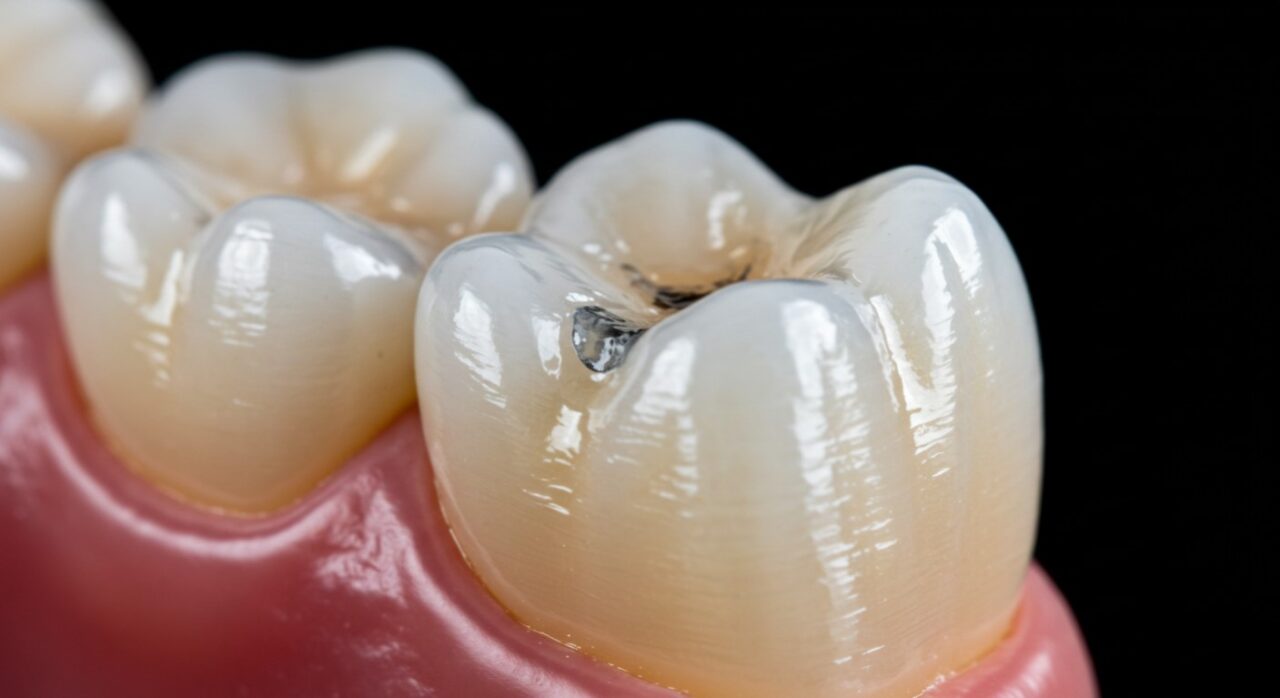
Knowing about the different types of dental fillings is important for choosing the right kind for repairing tooth problems.
Composite Fillings
Composite fillings use a resin material that looks like natural teeth, making them suitable for visible areas.
These fillings are particularly advantageous for front teeth due to their aesthetic appeal. They adhere securely to the tooth, which can make the tooth stronger.
Typically used for small to medium cavities, they cost around £150 per filling and can last between 5 to 10 years with proper care. Regular dental visits and proper oral care are important for keeping fillings in good condition and looking nice for a long time.
Amalgam Fillings
Amalgam fillings are made from a blend of metals and are known for their long-lasting nature and toughness, which is why they work well for back teeth.
These fillings are inexpensive, costing about £100 each, and can last 10 to 15 years, offering a budget-friendly option for dental repairs.
They consist of approximately 50% elemental mercury, which binds the other metals such as silver, tin, and copper. While some patients may have concerns about the mercury content, studies have shown that amalgam fillings are safe and effective.
Visiting the dentist regularly helps keep your teeth in good condition, as small problems can be fixed before they require replacements.
Ceramic Fillings
Ceramic fillings resemble natural teeth and resist staining, providing a durable and discreet option.
These fillings typically cost around £200 each and can last between 5 to 15 years, making them a worthwhile choice.
They are particularly effective for front teeth, as their aesthetic appeal blends seamlessly with your smile. During application, the dentist will match the shade closely to your natural teeth, ensuring a perfect fit.
Maintenance includes regular dental check-ups and good oral hygiene practices. For those prioritising appearance and longevity, ceramic fillings represent an excellent choice.
Glass Ionomer Fillings
Glass ionomer fillings let out fluoride and stick directly to the tooth, which makes them suitable for specific cavity treatments.
These fillings are particularly effective for restoring cavities in primary teeth and areas requiring quick repair, often in paediatric dentistry.
The fluoride they release helps prevent further cavities and strengthens teeth.
Typically costing around £100, these fillings can last between 3 to 5 years, depending on factors such as location and oral hygiene.
While they aren’t as strong as composite materials, they work well in non-weight-bearing areas, making them a practical option for many patients.
Factors Influencing the Cost of Fillings
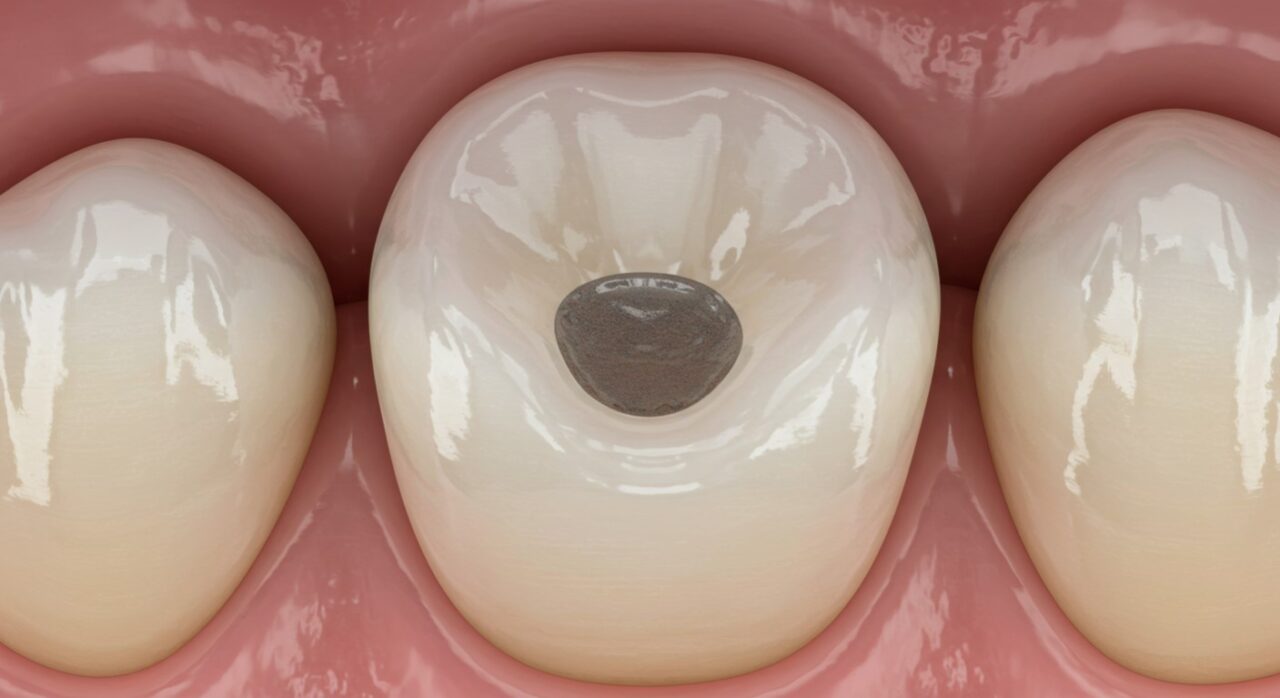
The price of dental fillings can vary significantly due to different reasons, affecting what patients pay for dental services.
Type of Filling Material
Different filling materials come with varying costs; for instance, composite fillings might range from £150 to £200, while amalgam fillings are typically about £100.
Ceramic fillings, another popular option, often range from £200 to £500, depending on the tooth’s location and the dentist’s fees.
Each material also varies in longevity: amalgam fillings can last 10-15 years, while composite fillings typically last 5-7 years.
So, when selecting a filling, think about the price now as well as how well it will hold up over time and its long-term advantages. Consulting with your dentist about the best option for your specific needs can lead to more informed decisions regarding both health and budget.
Location and Dentist Expertise
The price of dental services can change depending on where you are and the dentist’s experience. Dentists in cities usually charge higher fees.
For example, a dental filling in New York City can range from $200 to $600, while in rural areas, it might cost between $100 and $300.
The experience of the dentist matters as well; specialists such as endodontists may charge significantly more due to their advanced training, often $500 to $1,000 for procedures such as root canals.
So, when you think about getting dental treatment, you should look into the prices in your area and check your dentist’s qualifications to make a wise decision.
Extent of Tooth Decay
The extent of tooth decay affects how difficult the filling process is and how much it will cost.
For instance, a minor cavity treated with a simple composite filling might only cost between £100 and £250. If the decay extends deeper into the tooth, requiring a root canal followed by a crown, the cost can escalate to £1,000 or more.
Dental insurance may cover a portion of these costs, but verifying coverage beforehand is essential. Addressing decay early can prevent more extensive (and costly) treatments later, emphasising the importance of regular dental check-ups to catch issues before they worsen.
Average Cost of Dental Fillings

Knowing the typical costs for dental fillings can help patients plan their budget for essential repair treatments.
Cost Range by Filling Type
On average, composite fillings range from £150 to £200, while amalgam fillings typically cost around £100, reflecting the differences in materials.
Various factors can affect these costs, such as how experienced the dentist is, where the clinic is located, and how complicated the procedure is.
For instance, in metropolitan areas, amalgam fillings may cost closer to £120 due to higher overheads. If a filling requires extensive preparation or repair of the tooth structure, it could lead to additional costs for both types.
To maximise value, it’s advisable to compare quotes from multiple dental practices and inquire about what each estimate includes, such as follow-up appointments or aftercare.
Insurance Coverage Considerations
Insurance affects how much patients pay themselves for dental fillings, often contributing towards the costs.
Typically, dental insurance covers 50%-80% of the cost of fillings, depending on your plan. For example, a £200 filling may only require you to pay £40 if your insurance covers 80%.
To maximise your benefits, it’s essential to understand your plan’s limitations, such as annual maximums and waiting periods. Arrange your fillings within the same year to make the most of your benefits.
Consider using a Health Savings Account (HSA) to further reduce your out-of-pocket expenses.
Frequently Asked Questions
What factors affect the cost of a filling?
The cost of a filling is dependent on a variety of factors including the type of filling material used, the size and location of the cavity, and the dentist’s fees. Generally, larger and more complex fillings will cost more than smaller and simpler ones.
Are there different types of fillings and do they vary in cost?
Yes, there are different types of fillings such as amalgam, composite, gold, and ceramic. These materials vary in cost and your dentist will discuss the best option for your specific needs.
How much does a filling typically cost without insurance?
The cost of a filling without insurance can range from $100 to $400 depending on the factors mentioned previously. Some dental offices provide payment plans or discounts for patients who do not have insurance.
Does dental insurance cover the cost of fillings?
Yes, most dental insurance plans cover a portion of the cost of fillings. However, the amount covered can differ based on your chosen plan. It’s best to check with your insurance provider for more information.
Are there any additional costs associated with a filling?
In some cases, additional procedures may be necessary before or after getting a filling, such as a root canal or a crown. These procedures will add to the overall cost of the filling. Your dentist will discuss any potential additional costs with you before proceeding.
Can I expect any discomfort after getting a filling?
Most people experience some sensitivity or discomfort after getting a filling, especially if it was a deep filling or if they have sensitive teeth. This should subside within a few days. If you have strong pain or discomfort, call your dentist to check it out.
Leave a Reply