
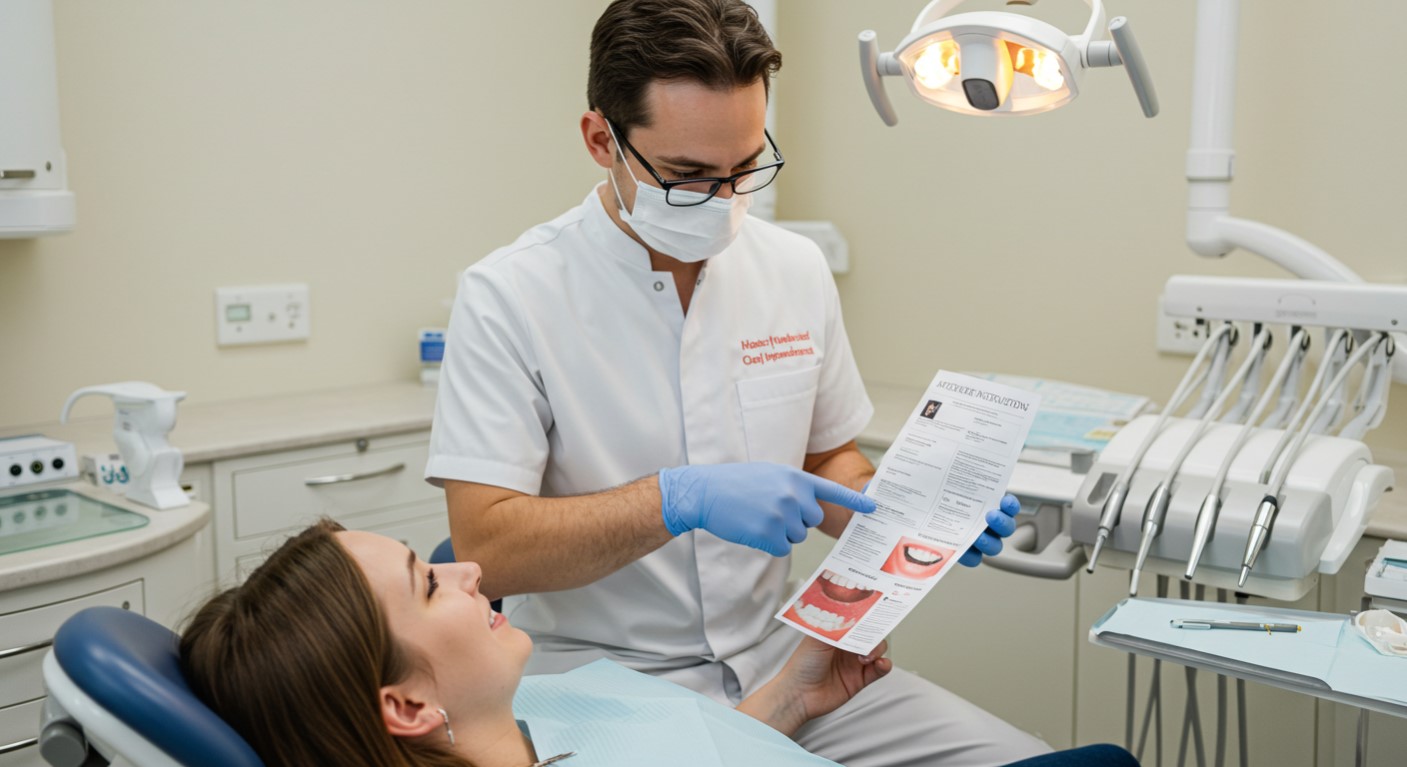
What Should I Do for Proper Tooth Filling Aftercare?
A new tooth filling can make you feel better, but taking care of it properly is important for a quick recovery. Knowing how to manage pain, picking the right foods, and recognising when to ask for help can be very useful.
In this guide, we’ll cover essential aftercare instructions, dietary tips, and key signs to watch for, ensuring your smile stays bright and healthy. Let’s dive into the best practices for a speedy and effective healing process.
Proper Tooth Filling Aftercare Instructions

After having a tooth filled, looking after it straight away can reduce pain and help you recover quickly within the first day.
Managing Anaesthesia Effects
Post-treatment, it’s common to experience numbness from anaesthesia, typically lasting 2-4 hours, requiring strategies to manage discomfort during this period.
To effectively manage the effects of anaesthesia, it’s advisable to avoid eating or drinking until the sensation returns fully to prevent choking hazards.
If you feel pain, you can use over-the-counter medications like ibuprofen. A standard bottle costs about £10 and can help reduce pain and swelling.
Staying hydrated and resting can support your recovery process. If you feel numb for more than 4 hours or experience serious side effects, talk to your doctor for help.
First 24 Hours: What to Expect
The first 24 hours after a filling are critical; patients may experience minor pain, sensitivity, and swelling, necessitating appropriate monitoring.
It is important to monitor these sensations closely. It is normal to feel a little sore, but if you notice significant swelling or if the pain worsens, contact your dentist immediately.
Use an ice pack for 15-minute intervals on the affected area to manage swelling and numb the pain. Eating soft foods and avoiding hot or cold drinks can reduce sensitivity.
If symptoms persist for more than two days or worsen, consult a doctor to check for any issues.
Dietary Recommendations

Diet is important in aftercare; some foods can increase pain or slow the healing of a new filling.
Foods to Avoid
To help recovery after having a root filling, avoid eating foods that are hard, crunchy, or sticky, as these can move or damage the filling.
Specific foods to avoid include:
- Popcorn, which can crack fillings due to its hardness
- Nuts that may dislodge fillings with their crunchiness
- Chewy sweets that can stick and pull on the dental work
Sticky foods like caramel can create pressure against fillings, particularly composite types, which are more prone to damage than amalgam fillings. Emphasising a soft diet, such as smoothies, yoghurt, and soups, can also aid recovery, allowing the filling to settle securely.
Recommended Foods
In contrast, incorporating soft foods into your diet can significantly aid recovery from a tooth filling, ensuring comfort while eating.
Recommended soft foods include:
- yoghurt
- mashed potato
- smoothies
- applesauce
- scrambled eggs
To make these options more appealing, consider adding flavours or toppings. For example, add fresh fruit to yoghurt or make mashed potatoes tastier with garlic and cheese.
Using ripe bananas, spinach, and a little almond milk to make smoothies boosts nutrition and makes eating easier.
Batch preparation is also key; prepare larger quantities of these soft foods and store them in individual portions for quick meals throughout the recovery period.
Oral Hygiene Practices

It’s important to look after your teeth after a filling to stop bacteria from causing infections and to make sure the filling stays in good condition for a long time.
Brushing Techniques
It’s important to use the correct brushing technique after a filling. A gentle approach will prevent pain and keep the filled area safe.
For the best care, use a toothbrush with soft bristles and toothpaste containing fluoride to help protect your enamel.
Brush in circular motions around the filled area, spending extra time to remove any food particles. For best results, aim for at least two minutes of brushing twice a day.
Consider following up with an antibacterial mouthwash to reduce plaque build-up. Replacing your toothbrush every three months keeps it clean and working properly.
Flossing Considerations
After filling, careful flossing is essential to remove plaque while avoiding damage to the filling, especially in the first week.
To floss effectively around new fillings, opt for waxed dental floss, which glides more easily between tight spaces without causing harm. Brands like Oral-B Super Floss are recommended, as they are gentle yet effective, typically priced around £3.50.
Use a gentle sawing motion to manoeuvre the floss instead of jerking it, and avoid aggressive back-and-forth movements. Consider using a floss threader for better control, especially if you have multiple fillings or sensitive areas.
By following these practices, you can maintain oral hygiene while protecting your dental work.
Signs of Complications

Noticing early signs of problems after a filling helps address them quickly and prevents further dental issues.
Pain and Sensitivity
It’s common to feel some pain and sensitivity after a filling, but ongoing discomfort might mean there’s a problem that needs to be looked at.
If you’re experiencing prolonged pain, first assess your symptoms. Note any swelling, excessive bleeding, or if the discomfort worsens with temperature changes.
Initially, over-the-counter medications like paracetamol (approximately £8) can help manage pain. Applying a cold compress may also reduce sensitivity.
If discomfort lasts for more than a few days or if you experience serious symptoms, contact your dentist immediately for a check-up. Getting dental care early can prevent problems and keep your teeth healthy.
Signs of Infection
Infection after filling a tooth can be a serious issue. Watch for early symptoms like fever, ongoing swelling, or pus to begin treatment promptly.
Other signs you should look out for are intense tooth pain, increased sensitivity to hot or cold, and an unpleasant taste in your mouth.
If you experience one or more of these signs, it’s essential to contact your dentist immediately. They may recommend assessing the filling site, performing imaging tests, or prescribing antibiotics to tackle the infection.
Keep in mind that identifying dental issues early can prevent them from worsening and help you return to good oral health.
Follow-Up Care

Good follow-up care is important for the success of dental fillings and the health of your teeth.
When to Schedule a Check-Up
Patients should plan a follow-up appointment within 2-4 weeks post-filling to confirm proper healing and filling integrity.
During the next visit, your dentist will check several important things.
They will look at how your teeth come together to make sure the filling feels right and doesn’t change how you bite. The dentist will check for any signs of complications, such as swelling, sensitivity, or discolouration around the filling site.
It is essential to report any unusual discomfort as it may indicate an underlying issue. This approach helps keep your teeth healthy and reduces the risk of problems later, ensuring your filling remains strong.
Long-Term Maintenance Tips
Using long-term care methods can greatly extend how long a dental filling lasts and improve dental health.
- Visit your dentist every six months to keep your fillings in place.
- Daily fluoride use—through toothpaste or mouthwash—strengthens enamel, offering added protection against decay.
- Watch what you eat; cut back on sugary snacks and drinks. Choose crunchy fruits and vegetables that help clean your teeth naturally.
- Consider using a night guard if you grind your teeth, as this can help prevent unnecessary wear on your fillings.
By following these practices, you can help your fillings last longer and improve your dental health.
Frequently Asked Questions
What is tooth filling aftercare?
Steps to follow after having a tooth filled are important for recovery and maintaining oral health. Taking good care of the filled tooth helps it heal well and avoids problems.
How long does it take for a tooth filling to set?
The time it takes for a tooth filling to set can vary, but it usually takes about 24 hours. During this period, do not eat or drink hard or sticky foods that could damage the filling.
Can I eat and drink normally after getting a tooth filling?
It is recommended to wait until the anaesthesia wears off before eating or drinking anything. Once you can feel your mouth again, you can resume your normal eating and drinking habits. But it’s best to stay away from hard or sticky foods for the first day so the filling can settle correctly.
How can I reduce pain and discomfort after getting a tooth filling?
To reduce pain and discomfort after getting a tooth filling, you can take over-the-counter pain medication as directed by your dentist. You can also apply a cold compress or ice pack to the affected area to help with swelling and discomfort.
What are some signs of complications after getting a tooth filling?
If you have strong pain, swelling, or discomfort that continues for several days, it might mean there are problems with the filling. If your filling falls out or breaks, call your dentist right away to make an appointment.
Is it normal to experience sensitivity after getting a tooth filling?
It is normal to experience some sensitivity to hot or cold temperatures after getting a tooth filling. This sensitivity should subside within a few days. If the problem continues or worsens, it’s a good idea to talk to your dentist to check for any issues with the filling.
Leave a Reply