

What Are the Best Dental Hygiene Tips for Keeping Your Teeth Healthy?
A bright smile starts with solid dental hygiene, yet many overlook essential practices that can make all the difference. Maintaining good oral health helps you feel more confident and stops serious problems from developing later.
In this guide, we’ll share practical dental hygiene tips covering daily habits, suitable products, food advice, and why regular doctor visits matter. Whether you’re looking after children or elderly people, there’s something here for all ages. Learn how to keep your teeth healthy!
Daily Oral Care Routine

Having a regular daily habit for cleaning your teeth is important, as research indicates that proper brushing and flossing can reduce plaque build-up by as much as 60%.
Brushing Techniques
Effective brushing involves specific techniques, such as using a soft-bristled toothbrush and brushing for at least two minutes twice a day.
For thorough cleaning, use a toothbrush with soft bristles to reduce gum irritation. Apply fluoride toothpaste to strengthen enamel and prevent cavities.
Position your brush at a 45-degree angle against your gums, ensuring you cover all surfaces: the outer, inner, and chewing surfaces of each tooth. Spend at least 30 seconds on each quadrant of your mouth, and use gentle circular motions to remove plaque effectively.
For better results, use an electric toothbrush like the Oral-B Pro, which has timers to help you brush for the correct amount of time.
Flossing Importance
Flossing daily can remove 40% of plaque that brushing misses, significantly reducing the risk of gum disease and cavities.
To effectively floss, use about 45 centimetres of dental floss to allow for proper grip. Curve the floss around each tooth in a C shape, gently moving it up and down to clean the sides.
This method is important for preventing gum issues, with studies showing that regular flossing can make gums healthier by up to 38%. For ease of use, consider Glide Pro-Health Floss, which is designed to slide easily between teeth without shredding.
Incorporating this routine can lead to healthier gums and a brighter smile.
Choosing the Right Dental Products
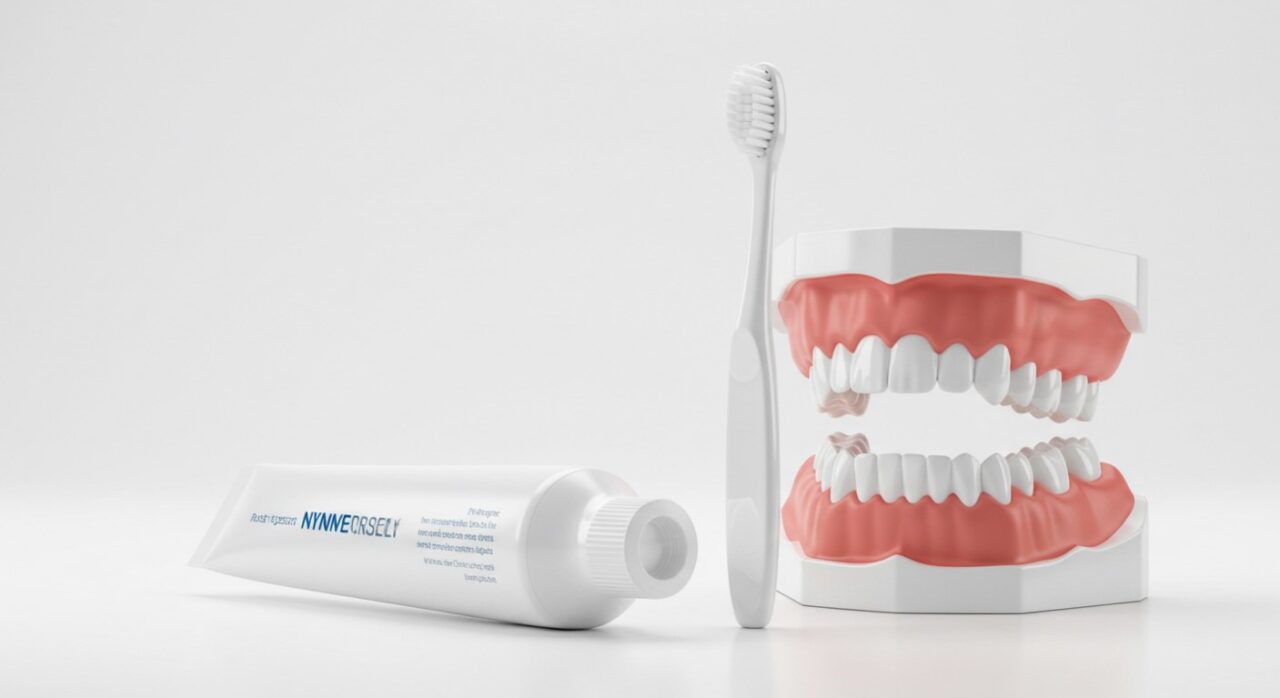
Choosing the correct dental products, such as toothpaste and toothbrushes, can improve your oral care routine, making them work 50% better.
Toothpaste Selection
Choosing a toothpaste with fluoride can reduce cavities by up to 25%, while those with added ingredients like xylitol can help combat bad breath.
When selecting a toothpaste, consider the following criteria:
- Check that there is at least 1,000 ppm fluoride for good cavity protection.
- If you have sensitive teeth, opt for brands like Sensodyne, which specifically target sensitivity.
- For whitening benefits, Colgate Total can brighten your smile while maintaining oral health.
- Check for the British Dental Association Seal of Acceptance, which guarantees safety and efficacy.
- Brands like Crest and Tom’s of Maine produce products that suit different dental requirements, helping you choose what is right for your oral care.
Types of Toothbrushes
The choice of toothbrush can impact cleaning efficiency, with studies showing electric toothbrushes can remove 21% more plaque than manual brushes.
Manual toothbrushes offer control and can be effective if used with proper technique, but they require more effort and discipline.
Electric toothbrushes such as the Philips Sonicare and Oral-B usually have timers and pressure sensors. These features help you maintain good brushing habits.
Users generally report an improved cleaning experience with electric models, thanks to their consistent bristle movement.
To achieve the best results, alternate between the electric brush for regular cleaning and the manual one for detailed work when needed.
Diet and Dental Health

Diet plays a significant role in dental health. Sugar is a major factor in causing caries, while some foods help strengthen enamel.
Foods to Avoid
Staying away from sweet snacks and drinks is important because eating foods with a lot of sugar can make cavities almost three times more likely.
To protect your dental health, consider swapping out harmful sweet treats for healthier options.
For instance, instead of sweets, try snacking on crunchy vegetables like carrots or celery. Replace fizzy drinks and sports drinks with sparkling water infused with lemon or berries for a refreshing twist.
When you crave something starchy, choose nuts or cheese, both of which provide nutrients without the added sugars. Incorporating these alternatives into your diet can significantly lower your risk of cavities while still satisfying your cravings.
Beneficial Foods for Teeth
Incorporating calcium-rich and crunchy vegetables into your diet can strengthen teeth and promote gum health, reducing the risk of oral diseases.
Dairy products such as cheese and yoghurt are great sources of calcium, which is important for keeping teeth strong.
Crunchy fruits and vegetables, like apples and carrots, provide important nutrients and help clean teeth naturally.
Include dairy with your breakfast, such as yoghurt with fresh fruit, and eat raw vegetables as snacks.
This approach can greatly improve your dental health and make healthy eating enjoyable and easy.
Regular Dental Check-ups
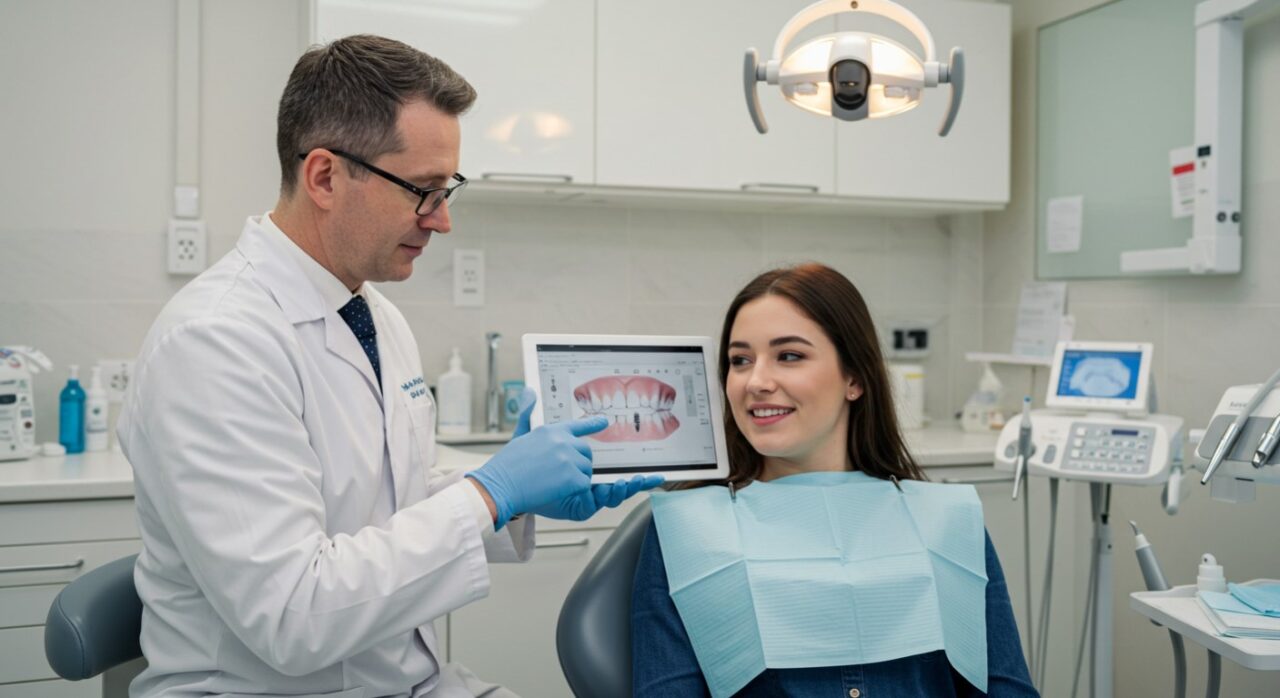
Regular dental check-ups are important for spotting dental problems early.
Research shows that visiting the dentist regularly can reduce oral health issues by up to 60%.
Importance of Professional Cleanings
Professional cleans remove plaque and tartar build-up that regular brushing and flossing can’t, preventing gum disease and tooth decay.
These cleans also offer an opportunity for early cavity detection, allowing dentists to address issues before they escalate. During the visit, you’ll get personalized oral care tips suited to your needs, helping you look after your teeth at home.
To maintain healthy teeth and gums, book professional cleans twice a year. Try using a calendar app like Google Calendar or set alerts on your phone to maintain this habit and focus on your dental health.
Signs You Need to Visit the Dentist
Knowing signs such as ongoing tooth sensitivity or bleeding gums can prevent worse dental problems from developing.
Sudden bad breath that persists despite good oral hygiene can indicate underlying issues such as gum disease or tooth decay. Ignoring these signs can lead to the need for more complex treatment later on.
For good oral health, consider booking dental appointments twice a year, even if you are not experiencing any issues. Use a dental health app to monitor changes in your oral health so that you do not miss important signs.
Getting help early reduces costs and keeps you well.
Special Considerations

People in different age groups need different dental care. Children and older adults have special problems that need specific approaches.
Dental Care for Children
Starting dental care early can set children on a path to lifelong oral health, with the American Dental Association recommending first visits by the age of one.
For good dental health, parents should start brushing their child’s teeth as soon as the first tooth comes through. Using a soft-bristled toothbrush and a smear of fluoride toothpaste—about the size of a grain of rice—is recommended.
Supervise children while they brush their teeth to help them learn good habits. Regular dental visits, ideally twice a year, help monitor growth and catch issues early.
Discussing healthy eating and cutting back on sugary snacks helps with their dental health, turning oral care into a family responsibility.
Dental Hygiene for Seniors
Older adults have specific dental issues, such as dry mouth and gum disease, which means they require special dental care to keep their mouths healthy.
To address these challenges, seniors should consider regular fluoride treatments to strengthen enamel, which can be particularly beneficial in countering sensitivity.
Visiting the dentist twice a year allows your dentist to regularly check your gums, which is important for identifying any problems early.
To manage dry mouth, implementing simple habits such as drinking more water throughout the day or using saliva substitutes can significantly improve comfort.
Consulting a dentist about fluoride products and oral care methods designed for seniors is recommended.
Frequently Asked Questions
What are some dental hygiene tips for maintaining healthy teeth and gums?
To maintain healthy teeth and gums, it is important to brush your teeth twice a day for two minutes each time, floss daily, and visit the dentist for regular check-ups and cleanings. Stay away from foods and drinks with lots of sugar, cut down on snacks, and brush with fluoride toothpaste.
How often should I change my toothbrush?
You should replace your toothbrush every three to four months, or when the bristles start to wear out. This makes sure your toothbrush cleans plaque and bacteria from your teeth.
What kind of toothbrush should I use?
It is best to use a soft-bristled toothbrush with a small head. Hard or medium bristles can damage your teeth and gums, and a small head allows you to reach all areas of your mouth easily.
Is mouthwash necessary for good dental hygiene?
Mouthwash is not necessary, but it can be a helpful addition to your dental hygiene routine. Look for a mouthwash that contains fluoride and has the ADA (American Dental Association) seal of approval.
How can I prevent bad breath?
To prevent bad breath, make sure to brush your teeth and tongue twice a day, floss daily, and stay hydrated. You can also use mouthwash and chew sugarless gum to freshen your breath. If bad breath persists, consult your dentist as it may be a sign of an underlying dental issue.
Are there any natural remedies for maintaining good dental hygiene?
While there are some natural remedies that can help maintain good dental hygiene, it is important to remember that they should not replace regular brushing, flossing, and dental check-ups. Some home treatments include oil pulling, using baking soda as toothpaste, and eating more fruits and vegetables to help produce healthy saliva.
Leave a Reply