

What’s the Best Way to Get Rid of Bad Breath?
Bad breath can be more than just an embarrassing moment; it can affect your social life and self-esteem. Knowing the reason and solution is important. If you’re looking for the best way to get rid of bad breath, start by learning the common causes and simple changes that make a big difference.
Care for your teeth properly, adjust your eating habits, and try helpful treatments you can use at home.
You’ll also discover usual misconceptions that might confuse you, and know when it’s time to talk to an expert. Find out how to improve your breath and feel more confident. Dive in to learn how to banish bad breath for good!
Understanding Bad Breath

Bad breath, known as halitosis in medical terms, affects many people around the world. It often happens when you don’t look after your teeth correctly or because of the foods you consume.
Causes of Bad Breath
Common causes of bad breath include bacteria build-up in the mouth, poor oral hygiene, dietary choices, and lifestyle habits such as smoking.
Bacteria thrive on food particles, particularly sugary and starchy ones, leading to odorous compounds. For instance, consuming garlic and onions can significantly increase the risk of halitosis due to their sulphur-containing compounds—this can result in breath that lingers long after eating.
Poor oral hygiene, such as infrequent brushing or flossing, allows plaque and bacteria to accumulate, exacerbating the problem. Habits such as smoking lead to constant bad breath and decrease saliva, which weakens its natural cleaning ability.
Regular dental check-ups and a balanced diet can mitigate these issues.
Common Myths and Misconceptions
There are many myths surrounding bad breath, including the belief that mouthwash alone can eliminate it permanently.
Mouthwash can mask bad breath temporarily but does not address the underlying causes, such as bacteria and food particles.
Many people think bad breath only comes from not brushing their teeth properly, but food choices like eating garlic and onions, having a dry mouth, and some illnesses such as diabetes are also important factors.
Many people believe that only foods with strong odours cause bad breath. Bacteria in the mouth create sulphur compounds that can lead to a constant smell, regardless of what you eat.
Considering these factors together can help keep your breath smelling fresh.
Oral Hygiene Practices

Looking after your teeth and gums can stop bad breath. This means brushing your teeth, using dental floss, and rinsing with mouthwash properly.
Brushing Techniques
Brushing your teeth effectively can significantly reduce bad breath, with the ADA recommending at least two minutes of brushing twice daily.
To maximise your brushing technique, follow these steps:
- First, use a fluoride toothpaste to strengthen enamel.
- Then, brush all surfaces—front, back, and chewing—ensuring you cover each tooth thoroughly.
- A soft-bristled toothbrush is ideal to protect your gums.
- Consider an electric toothbrush, like the Philips Sonicare (£99), which has been shown to improve plaque removal due to its superior brushing action.
This small investment can lead to healthier teeth and fresher breath over time.
Flossing Importance
Flossing is essential for removing plaque and food particles from between teeth, areas where a toothbrush often misses.
To floss properly, begin with approximately 45 centimetres of dental floss, like Glide Floss (£3), so you have enough to clean each tooth.
Gently slide the floss between your teeth, being careful not to snap it, which can hurt your gums. Curve the floss around the base of each tooth in a ‘C’ shape to reach beneath the gum line, where plaque accumulates.
Daily flossing, ideally before bedtime, helps reduce bad breath and improves overall oral health.
Using Mouthwash Effectively
Using mouthwash the right way can improve your oral hygiene routine, but not all mouthwashes work the same for preventing bad breath.
To combat bad breath effectively, consider using antimicrobial mouthwashes like Listerine (£5), which target bacteria that cause odour, or breath fresheners such as Scope (£4), which mask unpleasant smells.
For those prone to dry mouth, opt for alcohol-free alternatives to prevent irritation. Always rinse your mouth for at least 30 seconds after brushing to achieve the best results. Also, use mouthwash at least once a day.
This refreshes breath and helps keep gums and teeth healthy.
Dietary Considerations

What you eat can greatly affect your oral health and can either cause or help prevent halitosis.
Foods to Avoid
Certain foods are notorious for causing bad breath, particularly garlic and onions, which can linger for hours after consumption.
To tackle this problem, stay away from these significant foods:
- garlic and onions (which contain sulphur compounds)
- sugary snacks (that promote plaque build-up)
- dairy products (which can cause odour)
- acidic foods like citrus (that may irritate the stomach)
When you eat these foods, try to have them earlier in the day and rinse your mouth with water afterwards. This can help minimise bad breath, keeping your mouth fresher throughout social interactions.
Foods That Help Freshen Breath
Incorporating specific foods into your diet can help freshen breath naturally, thanks to their antibacterial properties.
- Consider including mint, which contains chlorophyll and is perfect in salads or as a tea.
- Green tea boasts antioxidants that combat bad breath; enjoy it throughout the day.
- Probiotic-rich yoghurt promotes a healthy oral microbiome—add it to smoothies or enjoy it as a snack.
- Crisp vegetables like carrots and celery help remove food bits and germs from teeth, making them excellent options for lunch or raw veggie trays.
These simple changes to your meals can lead to noticeably fresher breath.
Hydration and Its Role
Drinking enough water is important for keeping your mouth healthy because a lack of saliva can cause bad breath.
To deal with this, try to drink at least eight 8-ounce glasses of water each day. Water helps remove food particles and supports saliva production, which is important for balancing acids in the mouth.
If plain water is unappealing, consider incorporating herbal teas, such as peppermint or green tea, for added flavour and health benefits. Humidifiers can keep air moist in dry environments, further supporting oral hydration.
Regularly sipping water throughout the day can significantly improve your overall oral hygiene.
When to Seek Professional Help
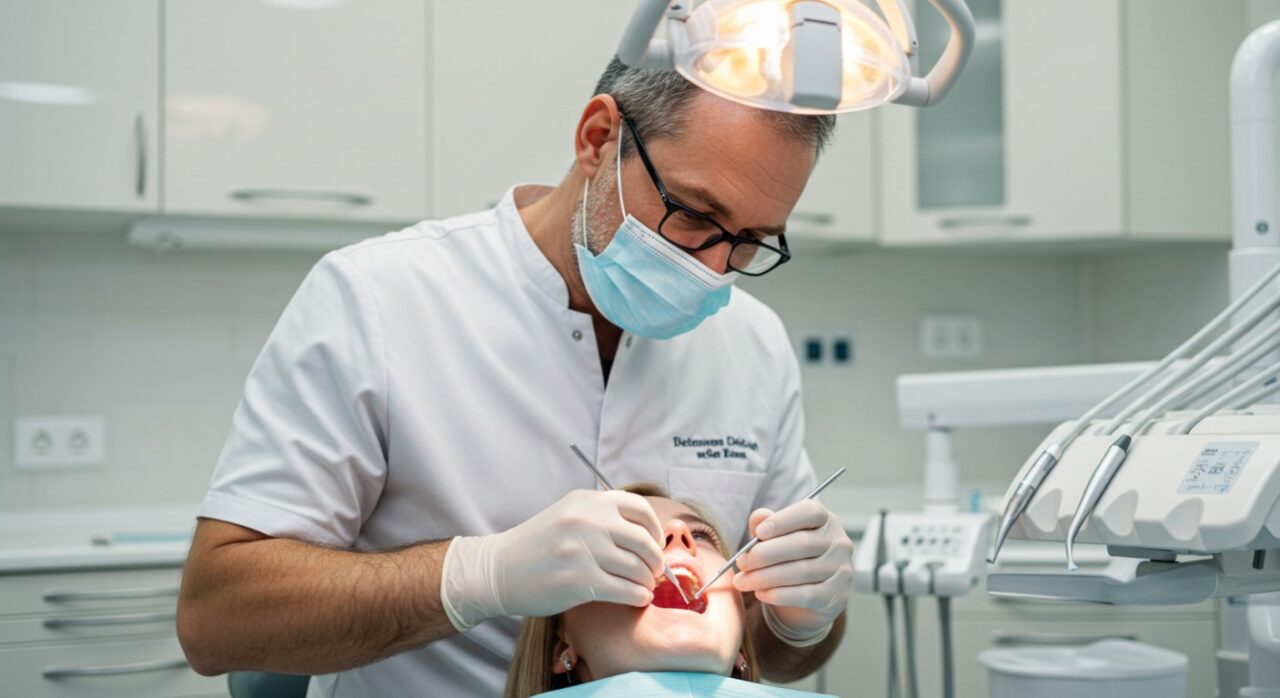
Although you can manage many reasons for bad breath yourself, some signs indicate you should see a dentist.
Signs of Underlying Conditions
Ongoing bad breath could mean there are health issues like gum disease or stomach problems that need a doctor’s care.
To identify potential health concerns, look out for these key signs:
- ongoing bad breath even with proper dental care
- bleeding gums
- mouth ulcers
- a dry mouth
If you notice any of these signs, be sure to contact a dentist or doctor. They can carry out a thorough examination, which may involve a dental check or tests for reflux and other digestive issues, helping you to identify any significant concerns early and maintain your health in good condition.
Dental Check-Ups
Seeing your dentist regularly helps keep your mouth healthy and quickly deals with bad breath.
During your visit, expect a thorough examination where the dentist checks for plaque buildup and signs of gum disease. They will likely use tools such as a mirror and a small probe.
X-rays may also be taken to reveal hidden issues. Dentists often provide professional cleaning, removing tartar that regular brushing cannot tackle.
They can give specific advice on caring for your teeth, such as the correct way to brush and which mouthwashes are best. Scheduling these appointments twice a year can significantly improve your overall dental health.
Home Remedies for Bad Breath

There are several easy home solutions for bad breath, often using common kitchen items to get rid of smells.
Natural Mouth Fresheners
Natural mouth fresheners can combat bad breath using ingredients such as mint, parsley, and bicarbonate of soda.
To create your own mouth fresheners, try these simple recipes:
- Chew fresh parsley for a natural breath refresher; it contains chlorophyll that neutralises odours.
- Mix one teaspoon of bicarbonate of soda in a cup of water. Rinse your mouth with this solution and then spit it out to help keep your mouth’s pH level in check.
- Make mint-infused water by steeping fresh mint leaves in hot water for 10 minutes; sip throughout the day to keep your breath smelling fresh.
Use these methods in your daily routine to see positive results.
Essential Oils and Their Benefits
Essential oils, such as peppermint and tea tree oil, offer powerful antimicrobial properties that can help reduce bad breath.
Peppermint oil can be diluted with a carrier oil, such as coconut oil, at a ratio of 1 drop to 2 teaspoons. Apply it indirectly by rubbing it on your gums or using it as a mouthwash.
Tea tree oil, known for its antibacterial effects, should be used with caution; dilute it one drop per teaspoon of water. Swish this mixture in your mouth for 30 seconds to improve oral hygiene.
Always perform a patch test before using new oils to avoid allergic reactions.
Frequently Asked Questions: How to Get Rid of Bad Breath
What causes bad breath?
Bad breath occurs when bacteria in the mouth break down food particles and produce foul-smelling compounds. Other causes include poor oral hygiene, dry mouth, certain foods, smoking, and underlying health conditions such as gum disease or sinus infections.
How can I prevent bad breath?
To prevent bad breath, it is important to maintain good oral hygiene by brushing and flossing regularly. You should also drink plenty of water, avoid sugary and acidic foods, quit smoking, and visit your dentist for regular check-ups and cleanings.
What are some home remedies for bad breath?
You can try various home solutions to fight bad breath, like drinking green tea, chewing fresh herbs like parsley or mint, using a tongue scraper, and rinsing with water mixed with baking soda. To get lasting results, it’s necessary to deal with what’s causing bad breath.
How can I improve my breath after eating certain foods?
If you notice that certain foods tend to give you bad breath, try drinking water or chewing sugar-free gum after consuming those foods. This can help wash away any lingering food particles and stimulate saliva production, which can help neutralise odour-causing bacteria.
Can medication cause bad breath?
Yes, certain medications can contribute to bad breath. This is because some medications can cause dry mouth, which can lead to an increase in bacteria and a decrease in saliva production. If you suspect your medications may be causing bad breath, talk to your doctor about potential solutions.
When should I see a dentist for bad breath?
If you have ongoing bad breath even though you brush and floss regularly, you should consider booking a visit with your dentist. They can evaluate your mouth and determine if there are any underlying issues that need to be addressed. Your dentist may also provide professional treatments such as deep cleanings or mouth rinses to help improve your breath.
Leave a Reply