

What Happens if You Have Shaved Teeth?
Teeth shaving has emerged as a surprising trend in dental aesthetics, but what drives people to alter their smiles? Learning about this procedure shows a mix of cosmetic preferences and practical requirements.
From its historical roots to the modern techniques used today, this exploration highlights the reasons behind teeth shaving, the benefits it offers, and the potential risks involved. Learn more about shaved teeth and find out how it affects your smile.
Definition and Overview
Tooth reshaping is a dental procedure that involves the removal of small amounts of enamel to alter the shape and length of teeth, enhancing overall tooth aesthetics.
This procedure is often used to correct minor imperfections such as chips, irregularities, or slight misalignments. The process typically takes about 30 to 60 minutes per tooth and is performed using a dental handpiece equipped with a carbide bur or diamond drill.
After reshaping, a polishing tool is used to create a smooth surface. Tooth reshaping alters the appearance of your teeth and improves your bite, making it a useful cosmetic dentistry option for those wanting a small but visible change.
Historical Context
Changing the shape of teeth has been done for hundreds of years, moving from basic methods to advanced techniques used in today’s cosmetic dentistry.
Ancient civilisations used crude tools for reshaping teeth, often for ritualistic purposes or aesthetics. Over the years, techniques improved significantly.
During the 1800s, improved dental tools allowed for more accurate modifications, like adding porcelain veneers. Today, cosmetic dentistry employs methods such as bonding, contouring, and laser reshaping, which provide minimally invasive options for patients.
With increased acceptance of these techniques, cosmetic dentistry now prioritises both function and aesthetics, allowing for more natural results and greater patient satisfaction.
Reasons for Shaving Teeth

Trimming teeth can make them look nicer and improve their function, which can greatly increase a person’s confidence and happiness.
Cosmetic Enhancements
Many patients opt for tooth reduction to create a more symmetrical and appealing smile, with the procedure often complementing treatments such as veneers.
Tooth reduction, known as reshaping, is the process of removing enamel to improve the appearance of teeth. For example, if a patient has uneven edges or varying lengths, reshaping can create harmony and balance.
When paired with veneers, which cover the front surface of teeth, the overall result is striking. This combination can address issues such as discolouration and misalignment.
It is essential to consult a cosmetic dentist to determine the right approach, ensuring that dental health is prioritised while achieving a beautiful smile.
Functional Improvements
Functional improvements from tooth shaving can include better bite alignment and alleviation of tooth grinding issues, enhancing overall dental health.
This procedure can correct issues such as an overbite, where the upper teeth extend significantly beyond the lower ones, causing discomfort and wear.
For example, patients who often suffer from headaches due to teeth grinding might find relief, as smoothing the teeth can reduce rough areas that cause muscle tension.
Dentists often use tools like diamond burs for accuracy, followed by a polishing technique to smooth surfaces.
Consulting with a dentist can provide a personalised plan that might make your teeth work better and feel more comfortable.
Methods of Teeth Shaving
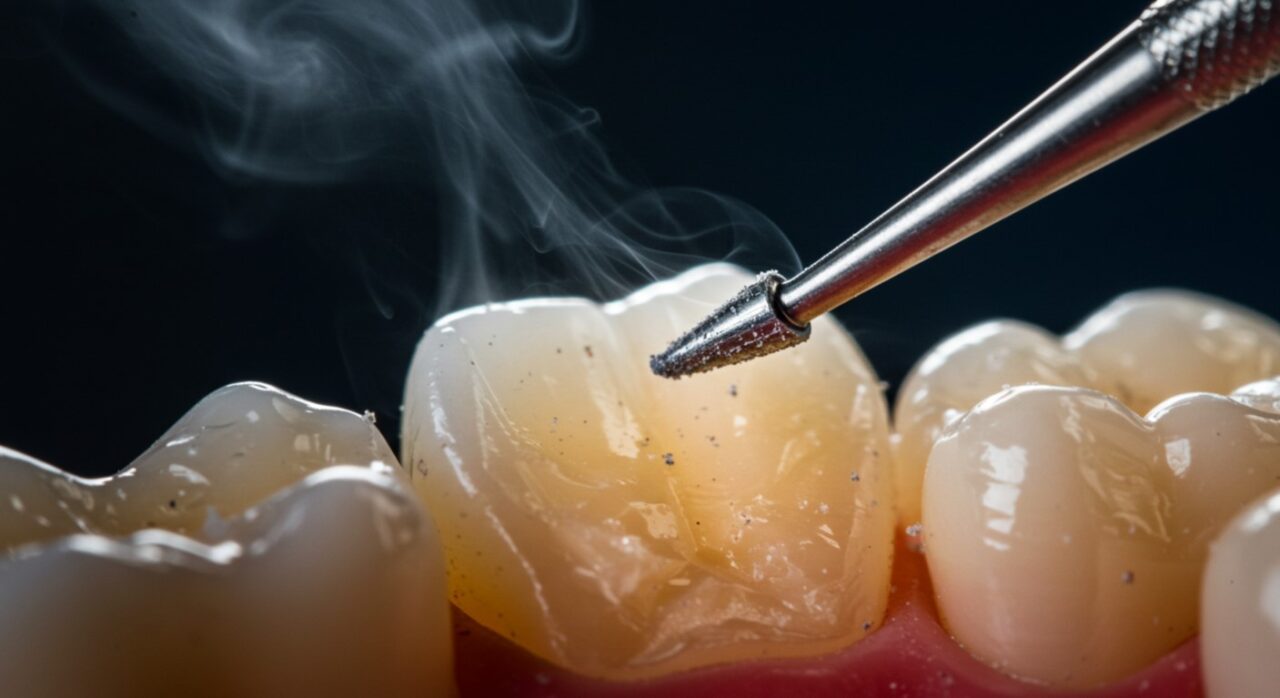
Tooth shaving uses special dental tools to make sure it is done correctly and effectively, while reducing damage to the surrounding gum tissue as much as possible.
Dental Tools Used
Common tools for tooth shaving include diamond burs, handpieces, and polishing tools, each designed to achieve specific results while preserving tooth integrity.
Diamond burs are essential for exact cutting and shaping; they are available in different grain sizes to offer different cutting strengths. A good option is the Komet Dental diamond burs, known for their durability and efficiency.
Tools like the Midwest Stylus give more control, enabling accurate shaving without damaging surrounding enamel.
Polishing tools like the Jota polishing discs smooth the tooth surface post-shaping, enhancing aesthetics and preventing plaque accumulation. Using these tools together makes the tooth reshaping process smooth and efficient.
Techniques and Procedures
Techniques such as contouring and enamel recontouring are employed during the tooth shaving procedure to achieve desired shapes and aesthetics.
Contouring involves carefully trimming certain parts of a tooth to improve its appearance, while enamel reshaping focuses on smoothing the edges of the tooth.
Dentists often use tools like diamond burs and sandpaper strips to make accurate adjustments. The typical procedure begins with a consultation, followed by a detailed assessment, and involves minimally invasive techniques that maintain tooth integrity.
By carefully considering the shape of each tooth, dentists can design a balanced smile that fits the patient’s needs for each treatment session.
Benefits of Shaved Teeth
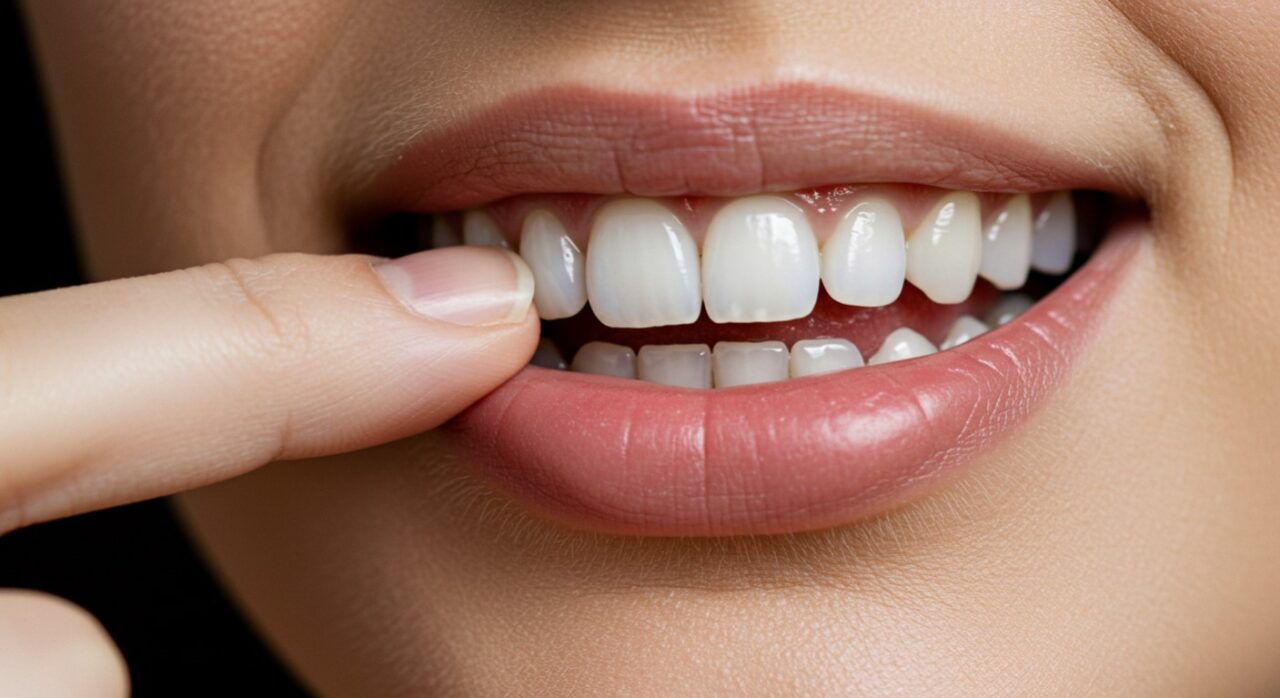
Trimming teeth makes them look better, helps with chewing, and boosts patients’ confidence.
Aesthetic Appeal
A key benefit of tooth shaving is that it can significantly improve the appearance of a smile, making it more even and attractive.
Tooth shaving can correct various imperfections, such as uneven teeth or excessive wear, enhancing symmetry.
For example, a patient named Sarah shared that her confidence greatly increased after a cosmetic change; she felt her smile was now perfect for forthcoming events.
Dentists usually use tools such as diamond-coated burs to carefully shape teeth, making them look natural.
Many patients experience positive outcomes, stating their smiles now exude warmth and approachability, significantly impacting both personal and professional relationships.
Improved Oral Function
Shaving teeth can improve how your mouth functions, helping your bite fit together better and reducing wear from grinding, which helps keep your teeth healthy.
Patients who undergo tooth shaving often report significant relief from discomfort caused by misalignment. For instance, a patient with an overbite experienced a noticeable reduction in jaw pain after adjusting their bite through this method.
Dentists often recommend using tools like dental wax to assess changes before permanent alterations are made. Considering orthodontic retainers post-procedure can help maintain the new alignment, ensuring lasting improvement.
A follow-up appointment is necessary to assess results and make further changes based on individual needs.
Risks and Considerations
Although tooth shaving has various advantages, it’s important to be aware of possible risks and issues that could occur during or following the procedure.
Potential Complications
Potential complications from teeth shaving can include increased tooth sensitivity, enamel erosion, and unexpected aesthetic outcomes if not performed correctly. In some cases, weakened enamel may also make patients more prone to staining or even the early appearance of black spots on teeth.
To reduce these risks, having a clear treatment plan is necessary. Start by consulting with a qualified dental professional to evaluate your specific needs.
Consider using a desensitising toothpaste like Sensodyne for a few weeks prior, as it can help prepare your enamel. Employing a gentle technique during the procedure, such as minimally invasive diamond burrs, can also minimise damage.
Post-treatment, maintaining a soft diet for a few days will aid in recovery and reduce sensitivity. Regular follow-ups can help monitor any long-term changes to your dental health.
Long-term Effects
Long-term effects of tooth shaving can influence overall dental health, necessitating careful monitoring and maintenance by dental professionals.
Regular follow-up appointments are important to check tooth sensitivity and alignment. Dentists often recommend six-monthly check-ups to catch any emerging issues early.
Using a fluoride mouthwash can strengthen enamel, reducing the risk of cavities. Use a soft toothbrush and brush gently to prevent damaging your enamel.
Some patients may benefit from periodic professional cleanings, which help maintain gum health and aesthetics. Using a custom night guard can also protect against nocturnal grinding, a common concern following tooth modification.
Aftercare and Maintenance

Proper care and maintenance are important after tooth shaving to help heal properly and retain the benefits of the procedure.
Post-Procedure Care
Post-procedure care includes managing sensitivity, employing appropriate oral hygiene practices, and following dietary recommendations to protect reshaped teeth.
To effectively manage sensitivity, consider using desensitising toothpaste like Sensodyne or Colgate Pro-Relief.
Maintain an oral hygiene routine by brushing gently with a soft-bristled toothbrush and flossing daily. You should avoid hard, crunchy, or very hot foods for a week. Choose softer foods like yoghurt, smoothies, and mashed potatoes instead.
Rinse your mouth with a mild saltwater solution to reduce inflammation. Regular dental visits help your teeth recover well and maintain their new shape.
Regular Dental Check-ups
Regular dental check-ups following teeth shaving are essential for monitoring dental health, addressing any complications, and ensuring continued satisfaction with results.
During follow-up visits, patients can expect a thorough examination of their teeth and gums. Dentists will check for signs of sensitivity or misalignment, often using digital X-rays for a detailed view.
Patients should be prepared to discuss any changes they have noticed, as well as their oral hygiene routine. Additional services such as professional cleaning, fluoride treatments, or potential adjustments may be recommended, depending on individual needs.
It’s usually suggested to go to the dentist twice a year to spot any issues early and maintain healthy teeth.
Frequently Asked Questions
What are shaved teeth?
Shaved teeth refer to the process of removing a small amount of enamel from the surface of the teeth. This is typically done for cosmetic purposes or to improve the fit of dental restorations.
Why would someone need to have their teeth shaved?
Teeth may need to be shaved to correct misaligned or overcrowded teeth, to remove slight imperfections in the shape or size of the teeth, or to prepare the teeth for dental restorations such as veneers or crowns.
Is teeth shaving a painful procedure?
No, teeth shaving is a minimally invasive procedure and is typically painless. Local anaesthesia may be used to keep the patient comfortable during the procedure.
How long does the process of shaving teeth take?
The duration of the teeth shaving process may vary depending on the number of teeth being shaved and the amount of enamel being removed. On average, the procedure can take anywhere from 30 minutes to an hour.
Are there any risks or side effects associated with teeth shaving?
The most common side effect of teeth shaving is increased sensitivity of the teeth. This is usually temporary and subsides within a few days. In rare cases, there may be damage to the tooth’s nerve or risk of infection. It is important to consult with a dentist before undergoing this procedure.
How long do the results of teeth shaving last?
The results of teeth shaving are permanent as the enamel does not grow back. However, the shape or alignment of the teeth may change over time because of normal use or getting older. Regular dental check-ups and good oral hygiene can help maintain the results for a longer period of time.
Leave a Reply