

What Causes Crowded Teeth?
Crowded teeth can turn a confident smile into a source of discomfort. This frequent dental problem can harm looks and cause major oral health issues if ignored. Learn what causes crowded teeth, identify the signs, and find out about different treatments you can get.
Learn how good hygiene and regular check-ups can prevent complications and understand the long-term impacts on your overall dental health. Learn how to get a healthier, better-looking smile.
Understanding Crowded Teeth
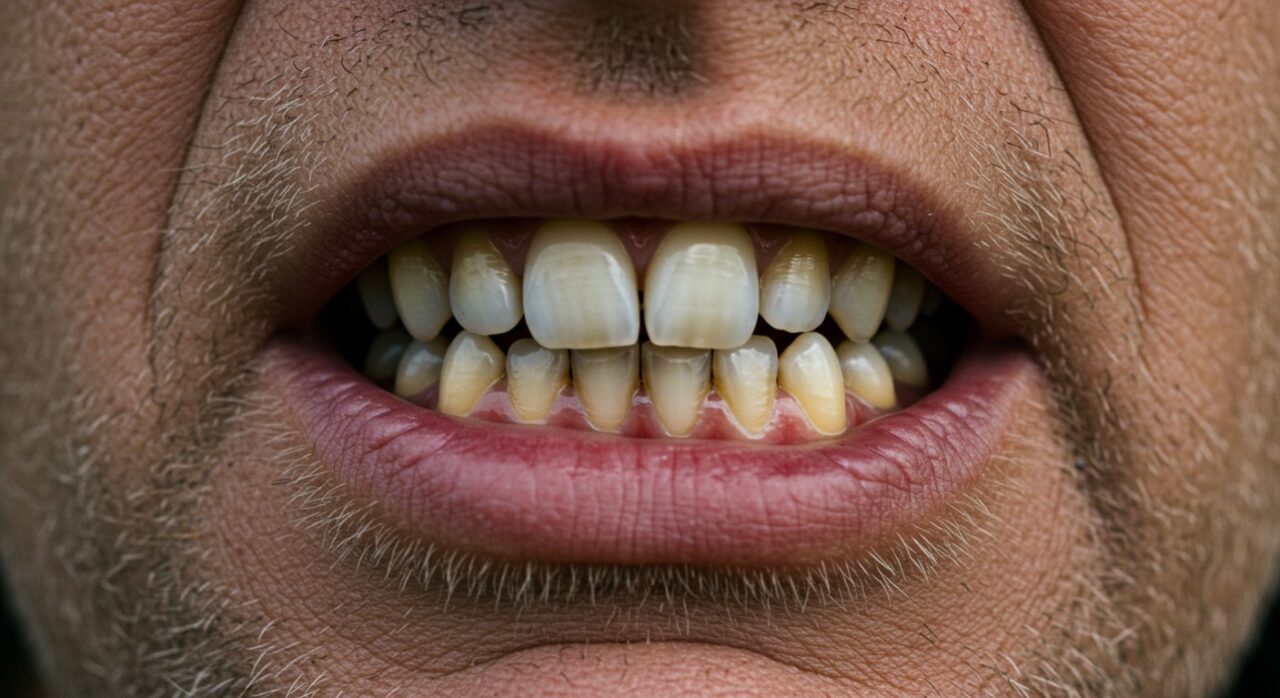
Teeth that are too close together because there isn’t enough space in the mouth can cause problems with appearance and how well the teeth function, affecting dental health.
Definition and Overview
Dental crowding occurs when teeth are not aligned correctly because there isn’t enough space in the jaw for them to fit properly.
This condition can lead to significant oral health issues, such as difficulty in brushing and flossing, which increases the risk of decay and gum disease.
Orthodontists often address dental crowding using braces or clear aligners, such as Invisalign. Creating space can involve strategic tooth extraction if necessary.
Regular dental check-ups are important to detect issues early, as untreated crowding can cause jaw pain and misaligned adjacent teeth over time.
Causes of Crowded Teeth
Crowded teeth can be caused by different reasons, such as inherited traits, thumb sucking during early years, losing milk teeth too soon, and uneven jaw growth.
Genetics is important because inherited traits can cause a smaller dental arch, which makes it difficult for teeth to align correctly.
Thumb sucking, particularly beyond the age of four, can result in misaligned teeth due to sustained pressure on the dental arch.
The premature loss of primary teeth can cause adjacent teeth to drift into the empty space, leading to misalignment.
Jaw growth discrepancies, such as an overbite or underbite, can further contribute to spacing issues, necessitating orthodontic intervention for correction.
Symptoms and Diagnosis
Noticing the signs of crowded teeth is important for early diagnosis and successful orthodontic treatment, which can prevent further problems from occurring.
Common Symptoms
Common symptoms of crowded teeth include difficulty biting and chewing, misaligned teeth, and an increased likelihood of tooth decay and gum disease.
These issues can significantly impact daily life. For example, difficulty in biting may lead to adopting an improper chewing technique, increasing the risk of jaw pain or even TMJ disorders.
Crooked teeth can affect your smile and make it difficult to clean them properly, leading to plaque build-up. Crowded teeth can create areas where food particles get trapped, elevating the risk of cavities and gum disease.
Regular dental check-ups and considering orthodontic options such as braces or clear aligners can help address these concerns effectively.
Diagnostic Methods
Dentists often look for crowded teeth by examining the mouth, taking dental X-rays, and carrying out a complete orthodontic evaluation.
Panoramic X-rays are particularly useful because they provide a wide view of dental structures, helping to identify tooth alignment, spacing issues, and teeth that have not erupted properly.
During an orthodontic evaluation, the clinician combines findings from these X-rays with a clinical examination to assess bite discrepancies and the need for braces or aligners. In some cases, the assessment may also highlight situations where a cosmetic procedure, such as veneers or bonding, could complement orthodontic work to enhance overall appearance.
These diagnostic methods allow personalised orthodontic treatment to achieve the best possible dental alignment.
Treatment Options
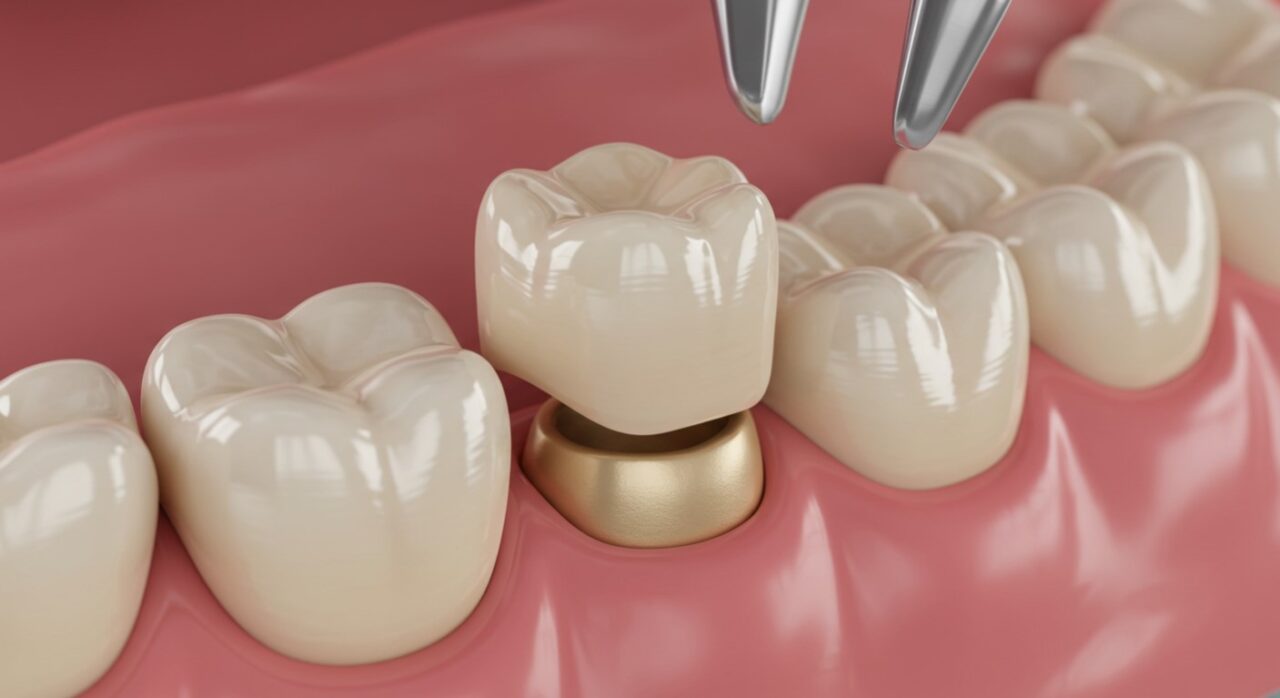
There are different ways to correct crowded teeth, including braces and newer alternatives that do not involve braces.
Orthodontic Treatments
Orthodontic treatments for crowded teeth typically involve braces or aligners like Invisalign, which help realign the teeth over time. In many cases, these same treatments can also be adapted for patients with gap teeth, offering a versatile solution for different alignment concerns.
Fixed braces, typically made from metal or ceramic, are attached to the teeth and adjusted regularly. They usually take 18 to 24 months to work effectively.
Unlike regular braces, removable aligners like Invisalign are almost invisible and usually take 12 to 18 months to finish the treatment. Patients usually switch their aligners every one to two weeks.
Regardless of the choice, regular consultations with an orthodontist are essential to monitor progress and make necessary adjustments, ensuring patients stay on track for a straighter smile.
Non-Orthodontic Solutions
Solutions for fixing crowded teeth without braces might include using dental devices, removing some teeth, or doing restorative treatments to create more space.
Dental appliances, such as space maintainers, can be effective for younger patients whose jaws are still developing. They function by holding space for permanent teeth to erupt correctly.
Removing a tooth is a lasting solution often suggested when there is significant crowding, helping other teeth fit together properly; this works well when there are too many teeth or excessive crowding.
Restorative treatments such as veneers, crowns, or even reshaping techniques involving shaved teeth can help improve appearance and also deal with spacing problems.
The best choice depends on each individual’s situation, so it is important to consult a dentist.
Preventive Measures

Preventative measures are important for maintaining good dental health and can greatly reduce the likelihood of crowded teeth.
Good Oral Hygiene Practices
Brushing your teeth two times a day and flossing often is important to keep them from getting too close together.
Besides brushing and flossing, using an interdental brush or soft picks can greatly improve cleaning between teeth, removing plaque that regular brushing might not eliminate.
Try to floss daily, preferably before bedtime, to remove food particles and plaque.
Consider a fluoride mouthwash for added protection and to strengthen enamel, using it after brushing and flossing.
Visiting the dentist twice a year helps with thorough teeth cleaning and identifying any crowding or other issues early.
Regular Dental Check-ups
Visiting the dentist every six months can help find early signs of crowded teeth and allow for quick treatment.
Besides handling crowded teeth, these visits allow dentists to perform thorough exams to detect issues like cavities or gum disease early, before they worsen.
During an appointment, the dentist will typically perform an X-ray to assess underlying issues and clean your teeth to prevent decay.
For effective oral health monitoring, consider keeping a dental journal documenting any changes or concerns between visits.
Dental apps help you book appointments and send notifications so you remember your check-ups.
Impact on Oral Health
Teeth that are too close together can lead to serious dental problems over time if not looked after.
Long-term Effects
Long-term effects of untreated crowded teeth include increased risk of dental decay, gum disease, and temporomandibular joint (TMJ) disorders.
Overcrowded teeth can lead to difficulty in proper cleaning, creating more spaces for plaque accumulation. According to a study by the Journal of Orthodontics, individuals with crowded teeth may experience a 50% higher rate of cavities.
The misalignment can strain the jaw muscles, resulting in TMJ disorders, which are associated with chronic pain.
To mitigate these effects, regular dental check-ups and orthodontic treatments, such as braces or aligners, can significantly improve spacing and alignment, promoting better oral health over time.
Relation to Other Dental Issues
Crowded teeth can lead to a cascade of other dental issues, including compromised gum health and bite alignment problems.
When teeth are misaligned due to crowding, they can create pockets where plaque accumulates, leading to gingivitis or periodontal disease. An improper bite may result in jaw pain or headaches, complicating daily life.
For instance, orthodontic cases show that 75% of adults with crowded teeth report discomfort compared to those with properly aligned smiles.
Regular dental check-ups and the use of tools like dental floss or interdental brushes can help manage these issues. Consulting an orthodontist early can also provide options such as braces or clear aligners to achieve better spacing.
Frequently Asked Questions
What are crowded teeth?
Crowded teeth happen when there isn’t enough room in the mouth for all teeth, making them overlap or not line up correctly.
What causes crowded teeth?
Crowded teeth can be caused by several things, such as genetics, a small jaw, using pacifiers or sucking thumbs for too long, and losing baby teeth early.
How do crowded teeth affect oral health?
Crowded teeth can make it difficult to clean between teeth, leading to an increased risk of tooth decay and gum disease. They can also cause discomfort and difficulty chewing properly.
Can crowded teeth be fixed without braces?
In some cases, minor crowding can be corrected with removable aligners or retainers. In more serious situations, you might need metal braces or other dental treatments.
At what age should crowded teeth be addressed?
The best time to address crowded teeth is during the teenage years when the majority of permanent teeth have erupted. You can still get treatment for crowded teeth, even if you start late.
Is it possible for crowded teeth to relapse after treatment?
There is always a risk of teeth shifting back to their original position after treatment. It is important to follow the orthodontist’s instructions for wearing retainers to prevent relapse.
Leave a Reply