

How Do I Know if I Need a Root Canal or Cavity Filling?
Good dental care is important, but many people ignore the difference between a basic cavity and a root canal or cavity filling. Knowing about these typical dental problems can help you avoid discomfort and expensive treatments.
This article dives into what causes cavities, symptoms to watch for, and the ins and outs of root canal treatments. Learn about ways to treat dental issues, advice for healing, and how to avoid problems to maintain a healthy and bright smile.
Understanding Cavities
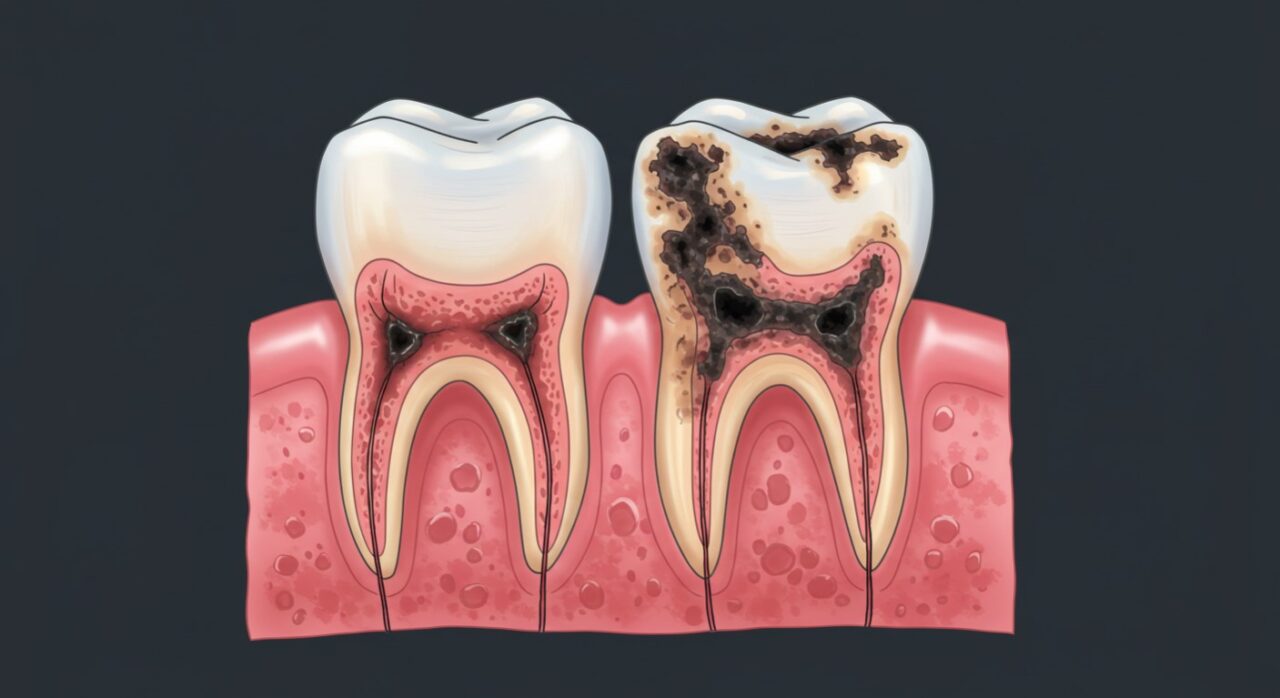
Cavities, also known as dental caries, occur when acids produced by bacteria in plaque erode tooth enamel. This affects almost 91% of adults at some point in their lives.
What Causes Cavities?
Cavities are primarily caused by the interaction of sugar with bacteria in plaque, leading to tooth decay that can begin as early as childhood.
Factors contributing to cavity formation include high sugar consumption, poor oral hygiene practices, and insufficient fluoride exposure.
For instance, children aged 2-5 are now consuming an average of 12 teaspoons of sugar per day, significantly exceeding the recommended limit. To combat this, emphasise a balanced diet rich in fruit and vegetables while minimising sugary snacks.
Establishing a routine of brushing twice daily and regular dental visits can help maintain oral health. Using fluoride toothpaste helps build strong enamel and reduces the chance of tooth decay.
Symptoms of Cavities
Common symptoms of cavities include tooth sensitivity, pain when chewing, and visible holes or stains on teeth, often mistaken for minor issues.
Look for other early signs like ongoing bad breath, tooth pain with no clear cause, and dark spots on the teeth.
If you experience sudden pain when eating hot, cold, or sweet foods, it might indicate that your nerves are exposed. It is essential to consult a dentist as soon as you notice these symptoms, especially if they worsen over time.
Going to the dentist twice a year helps find cavities early, which can stop bigger issues and avoid needing fillings or crowns.
Root Canals Explained
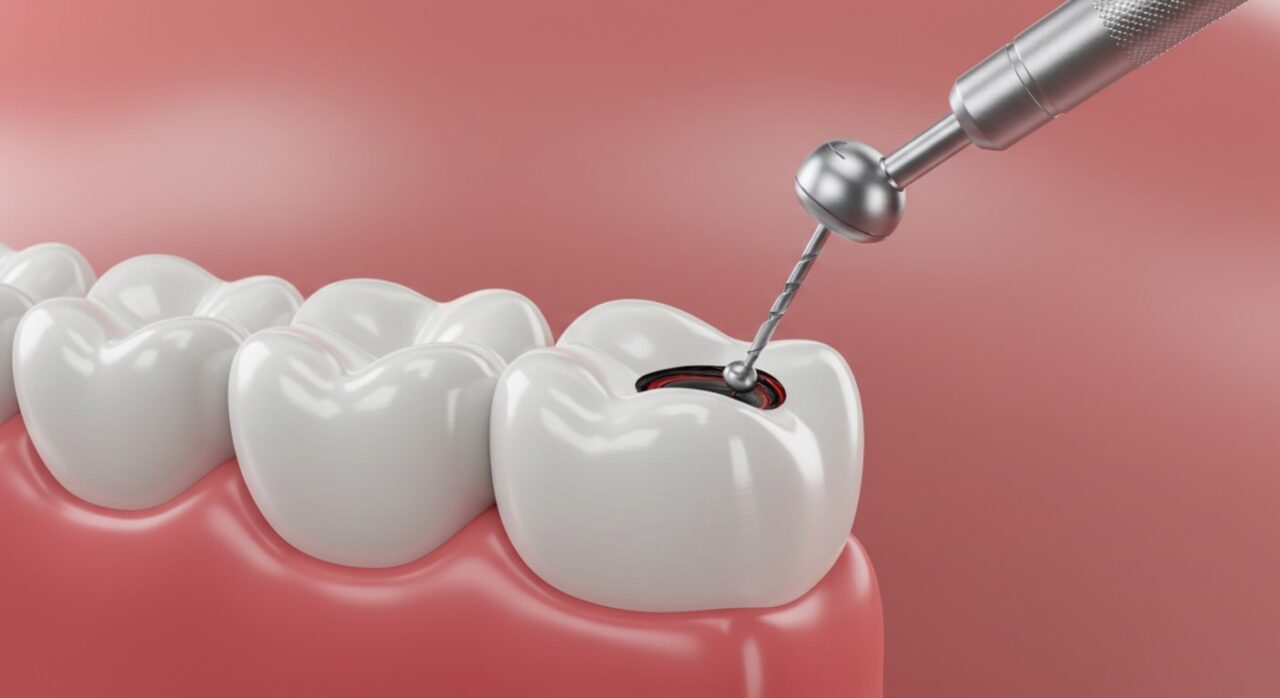
A root canal is a dental treatment that addresses an infection inside a tooth. It helps to keep the tooth from being extracted and maintains its structure.
What is a Root Canal?
Root canal therapy involves removing infected pulp from the pulp chamber, cleaning the tooth, and sealing it to prevent further infection.
The procedure usually takes 1-2 hours and begins with an X-ray to assess the extent of infection. Anaesthesia is administered for comfort, followed by the dentist using rotary instruments to carefully remove the infected pulp.
After cleaning with sodium hypochlorite solution, the tooth is filled with gutta-percha, a rubber-like material that seals the canal. A temporary or permanent crown may be placed to restore function.
Success rates for root canals are typically around 85-95%, ensuring relief from pain and preservation of the tooth.
Indications for a Root Canal
Signs that you might need a root canal include ongoing tooth pain, an infection, serious tooth damage, or injury, which necessitates a dentist’s examination.
Delaying action can exacerbate problems. For example, if someone has a constant toothache, it can cause an infection, resulting in swelling and fever.
Another example is serious decay, which if left untreated, can result in the loss of a tooth.
According to the American Association of Endodontists, about 15 million root canals are performed each year in the U.S. alone, highlighting the necessity for timely treatment to preserve teeth and overall oral health.
Comparison of Treatment Methods

It’s important to know the different ways to treat tooth decay for good dental care and outcomes for patients.
Cavity Treatment Options
Treating cavities includes using dental fillings and crowns, and taking measures to avoid them. The choice depends on how serious the cavity is and how much it costs.
Among the most common cavity treatments are dental fillings, which typically fall into two categories: amalgam and composite.
Amalgam fillings, made from mixed metals, typically cost between £150 and £250 and last a long time, making them a good choice for molars.
In contrast, composite fillings, which blend with the tooth’s natural colour, range from £200 to £300 and are preferred for front teeth due to their aesthetic appeal.
The choice between them often depends on factors such as the location of the cavity, longevity of the fillings, patient preference, and budget.
Root Canal Procedure Steps
The root canal procedure typically follows a four-step process: diagnosis, anaesthesia, cleaning, and sealing, ensuring patient comfort and successful outcomes.
- During the diagnosis stage, a dental X-ray is often used to identify the extent of decay.
- In the anaesthesia phase, a local anaesthetic like lidocaine is injected to numb the area, ensuring minimal discomfort.
- The cleaning process involves using specialised endodontic files to remove the infected pulp and bacteria, which can take about 30 to 60 minutes.
- The sealing step uses gutta-percha to fill the cleaned canal and prevent any later infections.
Success rates for root canals are over 95%, and post-treatment care includes avoiding hard foods and maintaining regular follow-ups.
Recovery and Aftercare

Healing after dental treatments such as root fillings and root canals requires following specific care instructions for optimal recovery and comfort.
Post-Cavity Treatment Care
After cavity treatment, keeping your teeth clean is important. Patients should avoid sticky foods and brush and floss regularly.
Patients should refrain from sugary snacks and drinks for at least 24 hours, as these can irritate the treated area.
Maintaining a consistent oral care routine is essential, so brush twice daily with fluoride toothpaste and consider using a soft-bristled toothbrush to prevent discomfort. Flossing gently is also critical; be cautious around the treated tooth.
Rinsing with an alcohol-free mouthwash helps reduce bacteria and promote healing. Arrange a follow-up appointment with your dentist to monitor recovery and address any concerns.
Post-Root Canal Care
After a root canal, you should take any recommended pain relief medication and attend scheduled check-ups to aid recovery and avoid issues.
Start by managing pain with over-the-counter NSAIDs, such as ibuprofen, to minimise discomfort. Don’t do any hard physical activities for the first two days to help with getting better; avoid things like heavy lifting or hard workouts.
Maintaining a soft diet can alleviate discomfort while chewing. Schedule a follow-up appointment with your endodontist within a week to monitor your recovery and address any concerns.
Looking after the tooth regularly is needed for it to heal well and to stop more issues from happening.
Prevention Strategies

Using good preventive methods can greatly reduce the likelihood of cavities and the need for root canals in children and adults.
Preventing Cavities
Preventing cavities involves brushing with fluoride toothpaste, regular dental check-ups, and minimising sugary snacks to combat plaque build-up.
Adding more preventive actions can greatly improve your dental health.
For instance, consider fluoride treatments at your dentist, typically ranging from £20 to £50, which strengthen enamel.
Opt for a diet rich in calcium and phosphorus, found in foods like dairy, almonds, and leafy greens.
You should go to your dentist twice a year for cleanings and check-ups. These visits help keep your teeth clean and catch problems early.
Together, these practices create a complete plan to prevent cavities.
Maintaining Dental Health to Avoid Root Canals
Maintaining good dental health through proper hygiene and regular dental visits can drastically lower the likelihood of requiring root canal treatment.
- To improve your dental care routine, brush your teeth twice a day with fluoride toothpaste and consider using an electric toothbrush for a better clean.
- Incorporating mouthwash into your routine can help reduce plaque and freshen breath. Don’t forget to floss daily, as this removes debris and plaque between teeth where brushes can’t reach.
- Visit the dentist twice a year for check-ups and to identify any problems early. Remember, consistency in these habits creates a solid foundation for long-term dental health.
Frequently Asked Questions
What is the difference between a root canal and a cavity?
A root canal is a dental procedure to remove infected or damaged pulp from the tooth’s root, while a cavity is a small hole in the tooth caused by tooth decay.
What causes the need for a root canal or cavity filling?
A root canal is typically needed when the pulp of the tooth becomes infected or inflamed, while a cavity forms when bacteria in the mouth produce acid that erodes the tooth’s enamel and dentin.
How is a root canal different from a cavity filling?
A root canal involves removing the infected or damaged pulp and filling the resulting space with a sealant, while a cavity filling involves removing the decayed portion of the tooth and filling it with a restorative material.
Is a root canal or cavity filling more painful?
A root canal may be slightly more uncomfortable during the procedure due to the removal of infected tissue, but both procedures are typically performed with local anaesthesia to minimise pain.
Are root canals and cavity fillings permanent solutions?
A root canal is considered a permanent solution, while a cavity filling may need to be replaced over time if it becomes worn or damaged. However, both treatments can help keep the tooth and stop later dental problems.
Can a cavity turn into a need for a root canal?
If left untreated, a cavity can lead to an infection in the tooth’s pulp, which may require a root canal. It is important to address cavities early on to prevent them from progressing into more serious dental issues.
Leave a Reply