
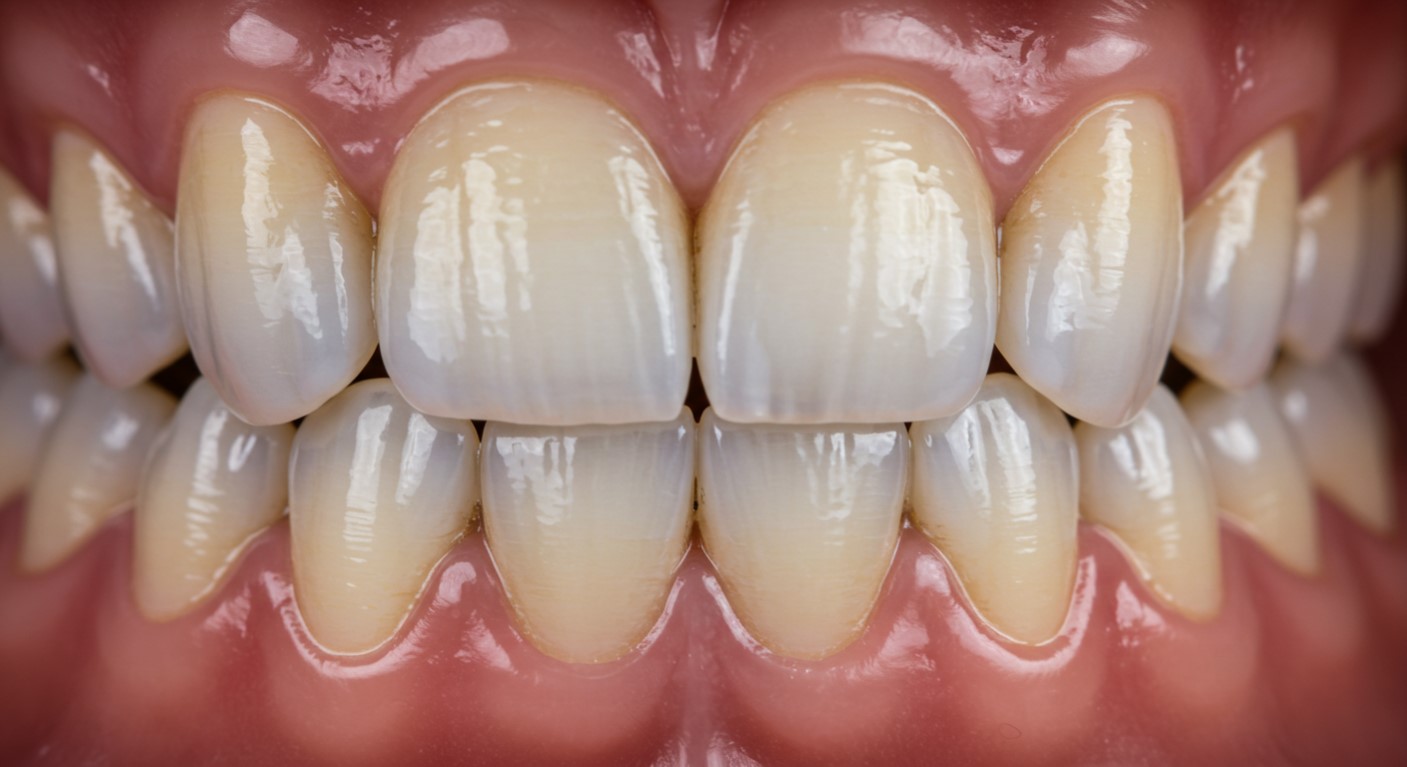
Why Are My Teeth Transparent at The Bottom?
Transparent teeth can be alarming, hinting at underlying issues that deserve attention. Knowing why your teeth may be becoming less white is important for keeping your mouth healthy, and many people first notice this problem when they see teeth transparent at the bottom.
This study looks at the structure of teeth, reasons such as enamel wear and genetics, and how your eating habits and cleaning routine affect them. In some cases, improving their appearance may involve a cosmetic dental procedure recommended by your dentist. Learn about the effects on health and the steps you can take to keep your smile bright and healthy. Let’s find out why teeth can appear see-through.
Understanding Tooth Anatomy

Knowing the detailed structure of teeth, such as enamel and dentine, is important to find out why they are clear and to provide the correct dental care.
Enamel Structure
Tooth enamel, the outer layer, is important for keeping teeth safe. Its thickness can vary, affecting how transparent it is and the health of your teeth.
Enamel serves as the first line of defence against decay and physical damage. Its thickness, which ranges from 0.5 mm to 3 mm, plays a key role in determining how teeth reflect light. Thinner enamel can lead to increased transparency, exposing the underlying dentine and altering the tooth’s appearance.
To protect and strengthen enamel, consider using fluoride toothpaste, drinking plenty of water, and limiting acidic foods. Regular visits to the dentist can find early enamel problems, making it possible to use treatments like sealants for better protection.
Dentin Role
Dentin serves as the support layer beneath enamel, playing a significant role in tooth strength and sensitivity to transparency changes.
This hardened tissue is strong and has tiny channels that link to the nerve endings inside the pulp. When exposed to external stimuli, such as hot or cold foods, these tubules transmit signals, resulting in sensitivity.
The thickness and makeup of dentin can influence how translucent teeth appear; thinner dentin can make the inner parts more visible, causing teeth to seem more transparent.
Brushing your teeth every day and visiting the dentist regularly helps prevent discomfort and keeps them looking nice.
Causes of Transparency in Teeth
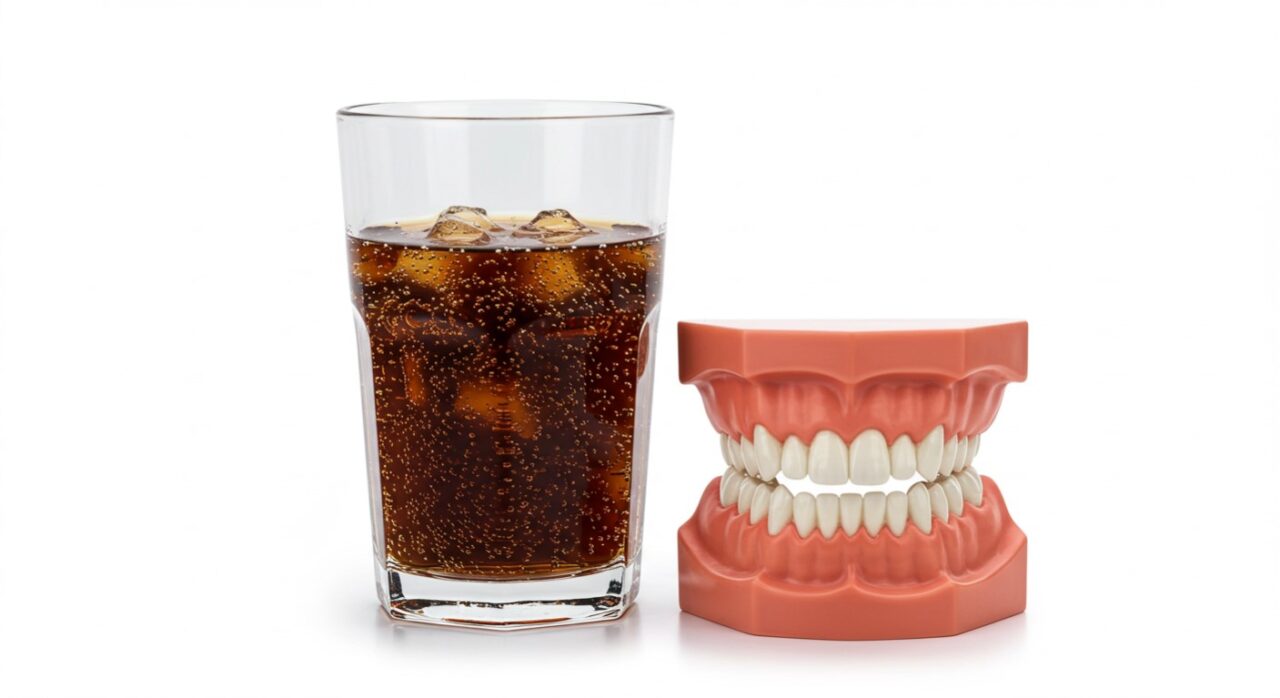
Knowing why teeth lose their colour helps stop more enamel harm and keeps your mouth healthy.
Enamel Erosion
Enamel erosion, often caused by acidic foods and drinks, is a primary contributor to tooth transparency, drastically affecting dental health.
This condition typically arises from frequent consumption of items such as fizzy drinks, citrus fruits, and vinegar.
When enamel becomes thin, it reveals more of the dentine below, which makes teeth look yellowish. It also makes teeth more sensitive to hot and cold temperatures and pressure.
To combat erosion, consider using a fluoride toothpaste, which helps to rebuild enamel, and limit intake of acidic foods.
Drinking water after consuming acidic items can help neutralise mouth acidity, protecting your teeth. Regular dental check-ups are important to monitor enamel health.
Genetic Factors
Genetic predispositions can influence enamel thickness and quality, contributing to variations in tooth transparency among individuals. In some cases, family history not only affects enamel strength but can also be linked to common dental traits such as gap teeth, which may appear alongside other inherited characteristics.
For example, individuals may inherit genes that affect the development of ameloblasts, the cells responsible for enamel formation. Variations in genes such as AMELX and ENAM can lead to differences in enamel hardness and thickness. Those with thinner enamel may experience increased transparency at the bottom of their teeth and a greater susceptibility to decay.
To manage these genetic influences, regular dental check-ups, fluoride treatments, and the use of specialised toothpaste can help strengthen enamel and improve overall dental health.
Environmental Factors

Environmental factors such as what we eat and how we care for our teeth greatly affect the clarity of our teeth and our overall dental health.
Dietary Influences
Consumption of sugary and acidic foods can accelerate enamel erosion, leading to increased tooth transparency and a higher risk of decay.
To protect your teeth, limit these specific foods and drinks:
- carbonated drinks, which contain a lot of phosphoric and citric acids;
- sweets, particularly sticky varieties that cling to teeth;
- citrus fruits, whose juices can erode enamel over time.
Instead, focus on tooth-friendly choices like crunchy vegetables, dairy products rich in calcium, and whole grains, which can help repair and strengthen enamel.
Drinking plenty of water, especially after consuming acidic foods, can neutralise harmful acids and keep your mouth healthy.
Oral Hygiene Practices
Proper oral hygiene practices, including effective brushing and flossing techniques, are essential for preventing enamel erosion and maintaining tooth transparency.
To promote good oral health, brush your teeth twice daily with fluoride toothpaste, ensuring you use a soft-bristled toothbrush to avoid damage to the enamel.
Floss daily to remove plaque and food particles from between teeth, where a toothbrush cannot reach. Consider using an antibacterial mouthwash to reduce bacteria and strengthen enamel.
It is important to have regular dental check-ups; try to go at least twice a year. Remember, your diet also matters—limit acidic foods and sugary snacks to prevent erosion and cavities.
Health Implications
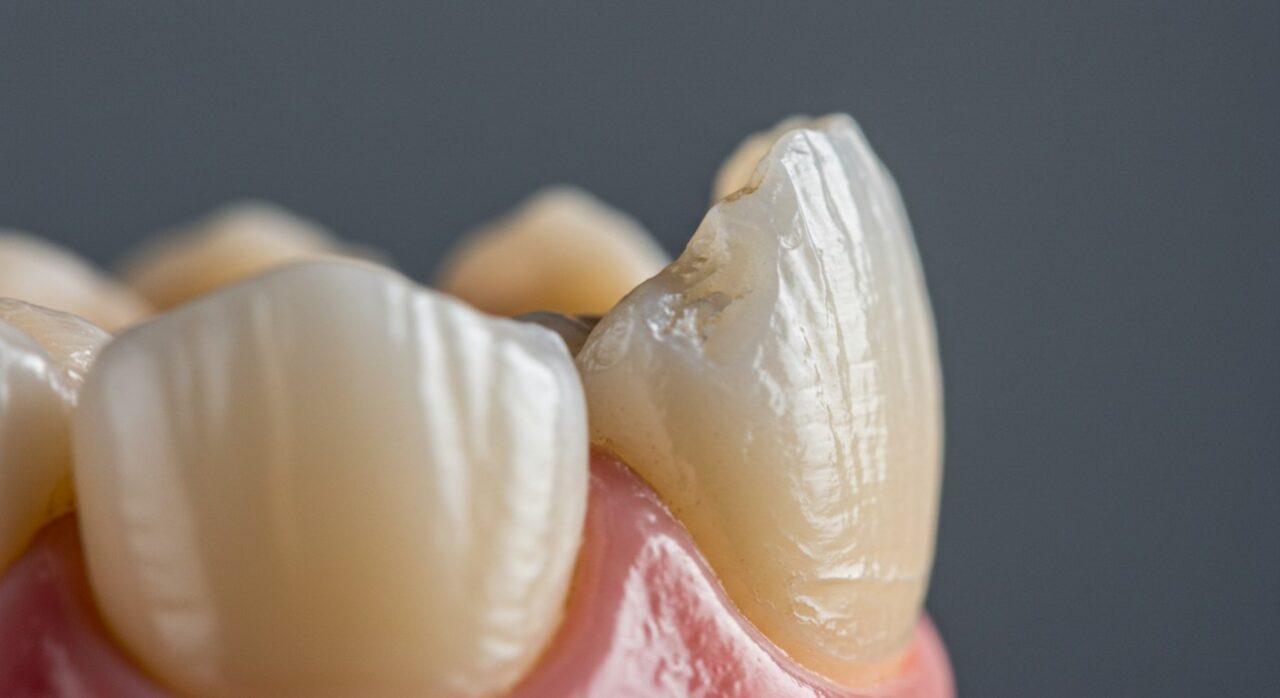
Tooth transparency affects appearance and can signal health problems, such as increased sensitivity and a higher risk of cavities.
Potential Sensitivity Issues
More transparent teeth can lead to increased sensitivity, so it’s important to treat enamel wear.
To manage discomfort from sensitive teeth, consider the following strategies:
- Use a toothpaste specifically designed for sensitive teeth, such as Sensodyne, which contains potassium nitrate to help block pain signals.
- Integrating fluoride treatments can strengthen enamel and reduce sensitivity over time.
- Avoid acidic foods and drinks as they can exacerbate erosion.
- Regular dental check-ups are essential; your dentist may recommend applying fluoride varnishes or other interventions to protect your enamel and effectively mitigate sensitivity.
Risk of Cavities
Tooth transparency often correlates with an increased risk of cavities due to the compromised integrity of the enamel layer.
This transparency can be exacerbated by factors such as dietary habits and oral hygiene practices.
To combat this risk, consider regular fluoride treatments, which help remineralise weakened enamel. Visit the dentist twice a year to check for any early cavities and have your teeth cleaned by a professional.
Adopting a daily oral care routine that includes brushing with fluoride toothpaste and flossing can significantly reduce cavity formation. Learning about how acidic foods and drinks affect your teeth can help you keep them healthy.
Preventive Measures
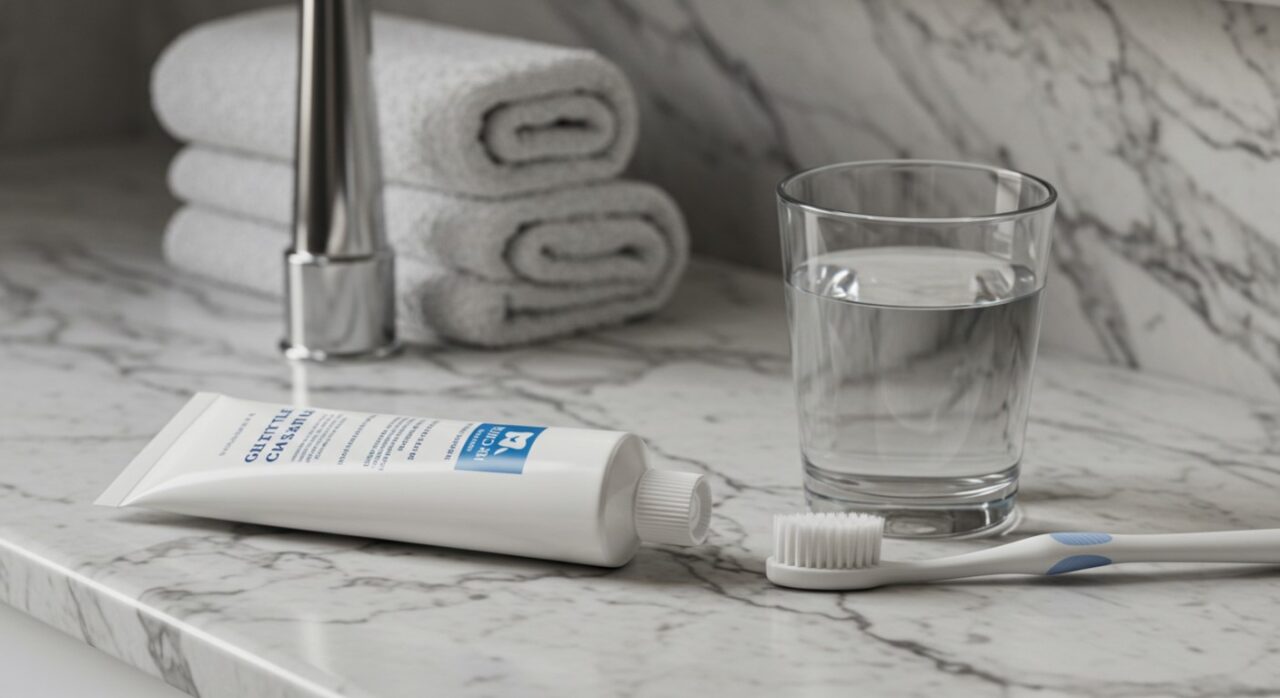
Simple steps can greatly reduce the risk of teeth becoming transparent and help keep them strong.
Dietary Recommendations
Eating foods high in calcium and maintaining a well-rounded diet are important for strengthening tooth enamel and preventing it from becoming transparent.
Focus on foods like dairy products, which are rich in calcium, such as yoghurt and cheese.
Leafy greens, such as kale and spinach, also pack a nutritional punch, providing essential minerals.
Nuts and seeds, particularly almonds and sesame seeds, contribute healthy fats and calcium as well.
Fish with bones, such as tinned salmon, is another excellent source. Aim for a daily intake of these foods, as they help rebuild enamel and support overall dental health.
Proper Oral Care Techniques
Using the correct method to brush and floss can improve oral health and reduce the likelihood of enamel wear and transparent teeth.
- To maximise effectiveness, brush your teeth twice a day for at least two minutes, ensuring you cover all surfaces.
- Use a soft-bristled toothbrush and fluoride toothpaste, which strengthens enamel. Flossing daily removes debris between teeth, where a brush may not reach.
- Consider using an antibacterial mouthwash to reduce plaque build-up.
Following these habits keeps your smile bright and helps prevent cavities and gum disease, supporting your dental health.
When to See a Dentist

If you notice your teeth looking transparent, go to a dentist to stop more dental issues and get care quickly.
Besides transparency, keep an eye out for ongoing pain, discomfort with hot or cold, and any visible cracks or chips.
If you notice swelling in your gums or have difficulty chewing, these are also strong indicators that it’s time for a professional assessment.
Regular dental check-ups every six months can find issues sooner. If you notice any of these symptoms, contact your dentist immediately.
Tools such as dental apps can remind you of appointments and track your symptoms, ensuring you stay on top of your dental health.
Frequently Asked Questions
Why are my teeth transparent at the bottom?
Transparent teeth at the bottom can happen due to enamel wear, genetics, or getting older.
What is enamel erosion?
Enamel erosion is the gradual loss of the outer layer of your teeth, known as enamel. This can lead to transparent teeth at the bottom.
Can genetics play a role in transparent teeth at the bottom?
Some individuals might have a genetic tendency for thinner or weaker enamel, which can make their teeth more likely to appear transparent at the bottom.
How does ageing contribute to transparent teeth at the bottom?
As we get older, the outer layer of our teeth gradually thins, causing them to become see-through. This is a normal part of the ageing process and can also be exacerbated by certain habits such as teeth grinding or consuming acidic foods and drinks.
Are there any other causes of transparent teeth at the bottom?
Along with enamel erosion, genetics, and ageing, transparent teeth at the bottom can also be caused by excessive consumption of fluoride, frequent vomiting due to an eating disorder, or certain medical conditions.
How can I prevent my teeth from becoming transparent at the bottom?
To prevent your teeth from becoming transparent at the bottom, it is important to maintain good oral hygiene habits, such as brushing and flossing regularly and using fluoride toothpaste. Avoiding acidic foods and drinks, limiting fluoride intake, and visiting your dentist regularly can also help prevent enamel erosion and maintain the strength of your teeth.
Leave a Reply