
How Much Does a Dental Bridge Cost in The UK
Missing teeth can impact more than just your smile; they can affect your confidence and overall oral health. Learning about dental bridges is important for people who want to improve their bite and appearance.
This guide explains dental bridges, the different kinds you can get, the steps in fitting them, and what to expect when it comes to dental bridge cost in the UK. You’ll also find important aftercare advice and alternative options. Curious about how a dental bridge could change your life? Read on to find out more.
What is a Dental Bridge?
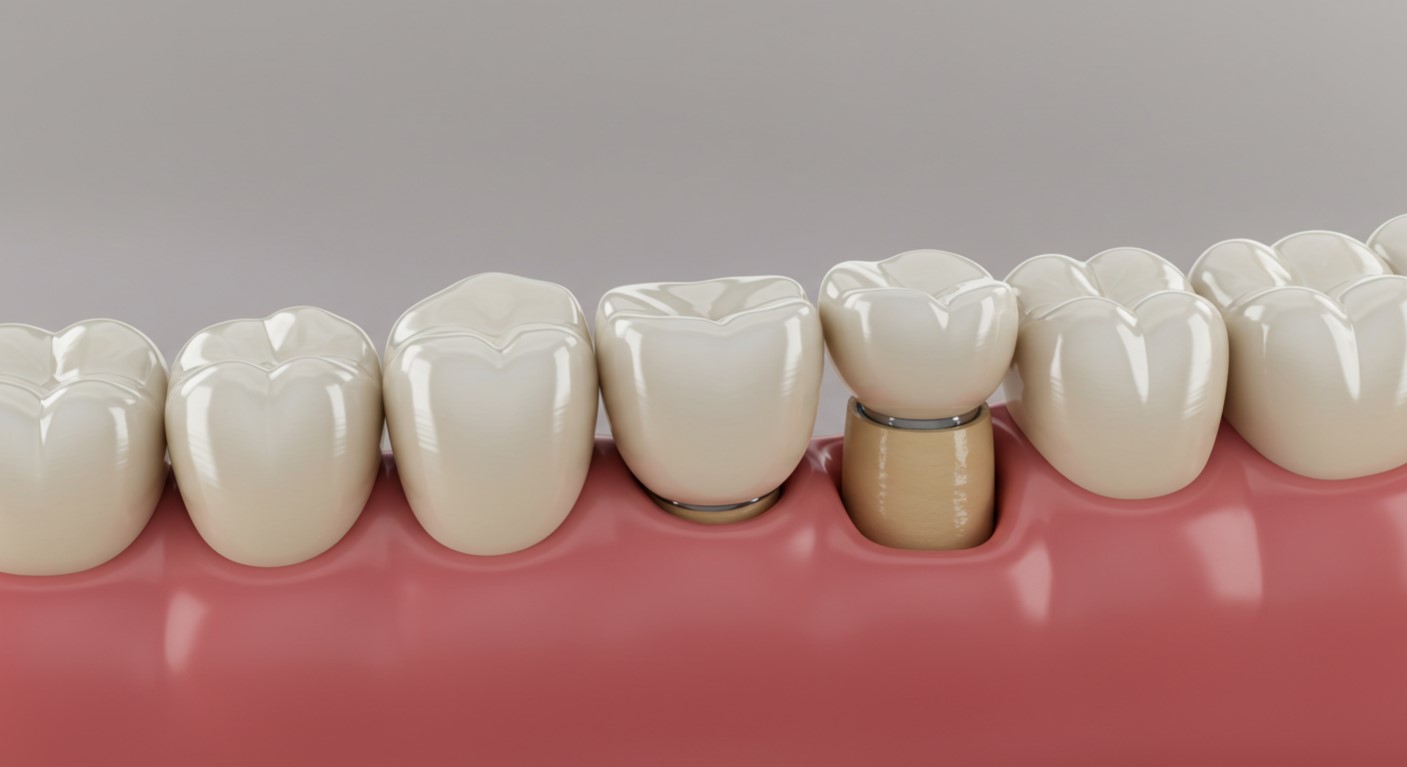
A dental bridge is a fixed dental restoration that literally bridges the gap created by one or more missing teeth, typically consisting of two or more crowns for the teeth on either side of the gap.
Bridges can be made from various materials including porcelain, gold, and metal alloys, each offering distinct advantages.
Porcelain bridges look very much like real teeth, which is why they are often chosen for front teeth. Metal bridges, while durable, may be less aesthetically pleasing but are often chosen for back teeth due to their strength.
The process typically involves reshaping the adjacent teeth for crown placement, which usually takes 2-3 appointments to complete, ensuring a secure and functional solution for tooth loss.
Importance of Replacing Missing Teeth
Replacing missing teeth is important for both appearance and oral health. Gaps can cause teeth to move out of place and lead to gum disease.
Failure to replace missing teeth can have serious long-term implications. Research indicates that individuals with missing teeth are 2.5 times more likely to face tooth decay due to shifting teeth, which creates hard-to-reach areas.
Bite misalignment can lead to jaw pain and chronic headaches. According to studies, nearly 30% of adults over 65 have lost all their teeth, exacerbating these problems.
Regular dental check-ups and timely interventions, such as implants or bridges, are essential in preventing these risks and maintaining overall oral health.
Types of Dental Bridges

Knowing the types of dental bridges helps patients choose the right one for their needs and preferences.
Traditional Bridges
Traditional bridges are typically anchored to adjacent healthy teeth, providing a stable and secure solution for replacing one or more missing teeth.
These bridges can be made from different materials, such as porcelain or metal, which offer options for personal style and strength.
To decide if a bridge is the right choice, consider factors such as the health of the supporting teeth and your oral hygiene habits. For example, if your neighbouring teeth are strong and cavity-free, a traditional bridge can be an excellent long-term solution.
It requires regular maintenance and check-ups, with potential issues including wear or damage to the adjacent teeth, necessitating their protection and care.
Cantilever Bridges
Cantilever bridges are useful when there is just one neighbouring tooth to connect the bridge, making them suitable for certain dental cases.
These bridges work by being anchored at one end, allowing support only from a single tooth. This design is particularly beneficial in cases where a natural tooth is missing next to a healthy one.
If a patient has lost a lateral incisor, a cantilever bridge can bring back the look and use of the tooth without changing the adjacent tooth.
Many people pick materials like porcelain or zirconia because they are strong and look real, which makes these bridges popular for everyday use and visual attractiveness.
Maryland Bridges
Maryland bridges provide a simple way to replace teeth by attaching a support to the back of nearby teeth without using crowns.
This technique is particularly beneficial for patients with healthy adjacent teeth, as it preserves tooth structure while providing a stable replacement for missing teeth.
The procedure typically involves assessing the suitability of the adjacent teeth for bonding and designing the bridge, which usually takes 1-2 appointments.
Ideal candidates include those with limited tooth loss and a desire for a less invasive solution than traditional bridges. It might not work for patients with serious tooth decay or damaged nearby teeth, who may need other treatments such as implants or traditional bridges.
Procedure for Getting a Dental Bridge
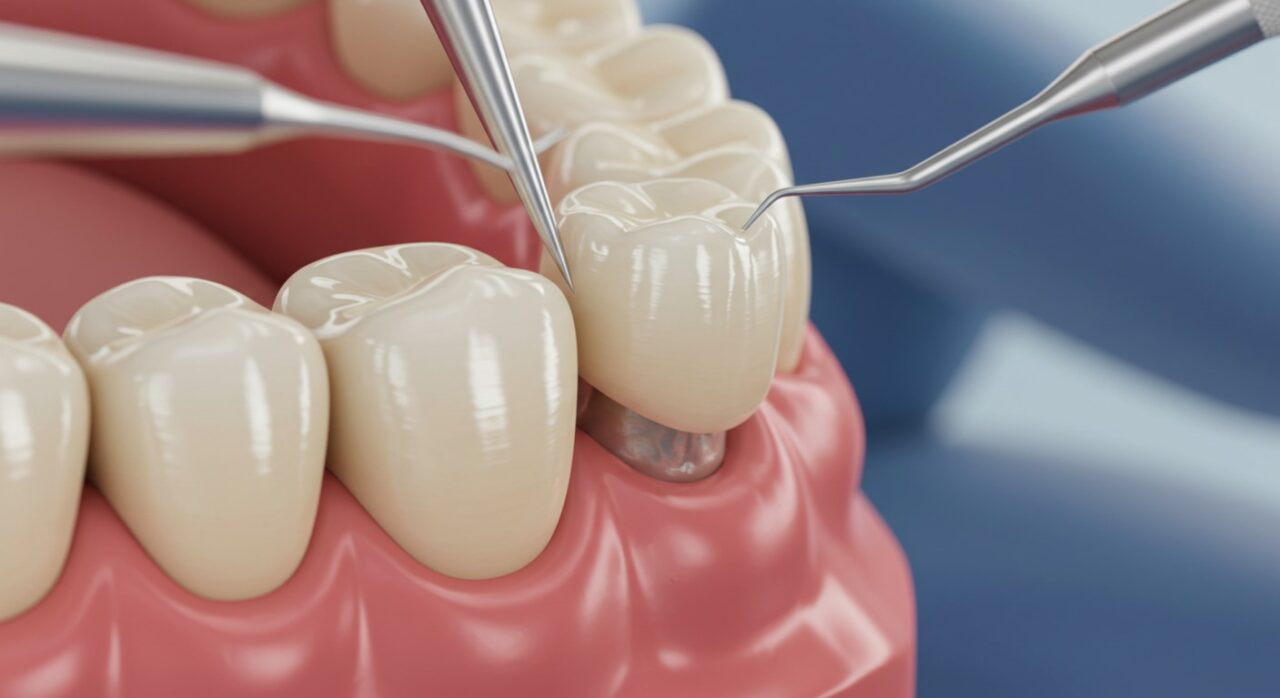
Putting in a dental bridge involves multiple steps to make sure it fits properly and functions as it should.
Initial Consultation
The first appointment is an important step. Here, the dentist checks the patient’s oral health and discusses possible treatments.
During this appointment, the dentist will carry out a complete check-up, which may include X-rays to identify any hidden problems such as cavities or bone loss.
They will also assess the health of your gums by checking for signs of gingivitis or periodontal disease. Discussing your dental history and any past treatments or issues is very important.
This information helps make a treatment plan just for you, making sure all parts of your oral health are addressed.
Preparation of Abutment Teeth
Preparing the abutment teeth involves reshaping them to create a secure fit for the crowns that will support the bridge.
This process typically begins with administering local anaesthesia, ensuring the patient remains comfortable throughout the procedure.
Dentists then use dental drills to carefully reduce the size of the abutment teeth, often shaping them to a tapered form. Dentists need tools like diamond burs to make surfaces smooth and even.
After this, moulds of the prepared teeth are taken, which are necessary for making the custom crowns. Temporary crowns are placed to protect the abutments until the permanent ones are ready.
Fitting the Temporary Bridge
Once the area is ready, a temporary bridge is placed to safeguard the supporting teeth and preserve their use until the permanent bridge is made.
Typically, temporary bridges are made from acrylic or resin materials, offering durability while being less expensive than their permanent counterparts.
Patients can expect to wear the temporary bridge for a few weeks, usually up to two months, as the permanent bridge is being fabricated.
During this time, eat soft foods and maintain oral hygiene to help the temporary bridge work well. Regular follow-ups with your dentist will help monitor the fit and condition of the temporary solution.
Final Placement of the Bridge
The final step in installing the bridge involves making sure it is properly aligned and modifying it for ease of use and look.
Begin by checking the bridge’s fit by placing it on the abutment teeth. Assess the bite alignment by having the patient bite down gently; adjustments may be needed if there is discomfort.
To get the best look, make sure the bridge sits closely with the nearby teeth. After achieving the desired fit, communicate aftercare instructions, emphasising the importance of regular dental hygiene and follow-up appointments.
Suggest using a soft-bristled toothbrush and non-abrasive toothpaste to maintain the bridge’s appearance and longevity.
Cost of Dental Bridges in the UK
The price of dental bridges in the UK can differ greatly depending on various factors, affecting how patients choose their tooth replacement options.
Factors Influencing Cost
Various factors influence the cost of dental bridges, including the type of bridge, the materials required, and the complexity of the procedure.
The type of bridge has a significant impact on pricing. Traditional bridges can range from £500 to £1,500, whereas Maryland bridges are generally less expensive, costing between £400 and £1,200.
The choice of material is very important; porcelain bridges are quite common and usually cost between £800 and £1,800. Metal-based options can alter costs, depending on whether gold or other alloys are used.
The complexity of your case, such as additional surgeries or bone grafts, can add £200 to £1,000 to the overall cost. Discussing all these factors with your dentist can provide a clearer estimate.
Insurance and Payment Options
It is important for patients to be aware of insurance and payment options to manage the costs of dental bridge procedures effectively.
In the UK, many dental plans cover dental bridges, including popular options such as Denplan, Bupa Dental Insurance, and Simplyhealth.
Denplan typically offers plans that cover a significant portion of the cost, while Bupa allows patients to choose a coverage level that suits their budget.
Financing options are available. Clinics such as Oasis Dental Care offer payment plans that allow patients to pay over a few months.
Tools such as the NHS calculator can help estimate costs for patients who qualify.
Aftercare for Dental Bridges

Looking after dental bridges is necessary to make sure they last and keep your mouth healthy, which keeps patients happy with the results.
Oral Hygiene Practices
Using certain mouth care habits after the procedure can greatly extend the life of dental bridges and help prevent problems.
- To maintain optimal oral health, brush twice daily with fluoride toothpaste, such as Colgate Total or Oral-B Pro-Expert, for effective plaque control.
- Use interdental brushes or dental floss to clean between your teeth and around your bridges; brands like TePe and Oral-B provide reliable options.
- Rinse daily with an antibacterial mouthwash like Listerine to reduce bacterial build-up. Go to the dentist twice a year to examine your bridge and overall dental health.
- Regularly following these practices can keep your dental work in excellent condition for years.
Regular Dental Check-ups
Regular dental check-ups are important for checking the health of dental bridges and addressing any problems early.
Patients should usually arrange check-ups twice a year after getting a dental bridge. During these check-ups, dentists will examine the bridge to see if it is worn out or damaged, check the strength of nearby teeth, and take X-rays to assess the condition of the bone.
Patients can expect a thorough clean and may receive advice on maintaining optimal oral hygiene. If the dentist finds issues such as swollen gums or cavities, they can suggest quick treatments to prevent larger problems from occurring later.
Alternatives to Dental Bridges

Patients considering replacing teeth have various options apart from dental bridges, each with its own advantages and factors to consider.
Dental Implants
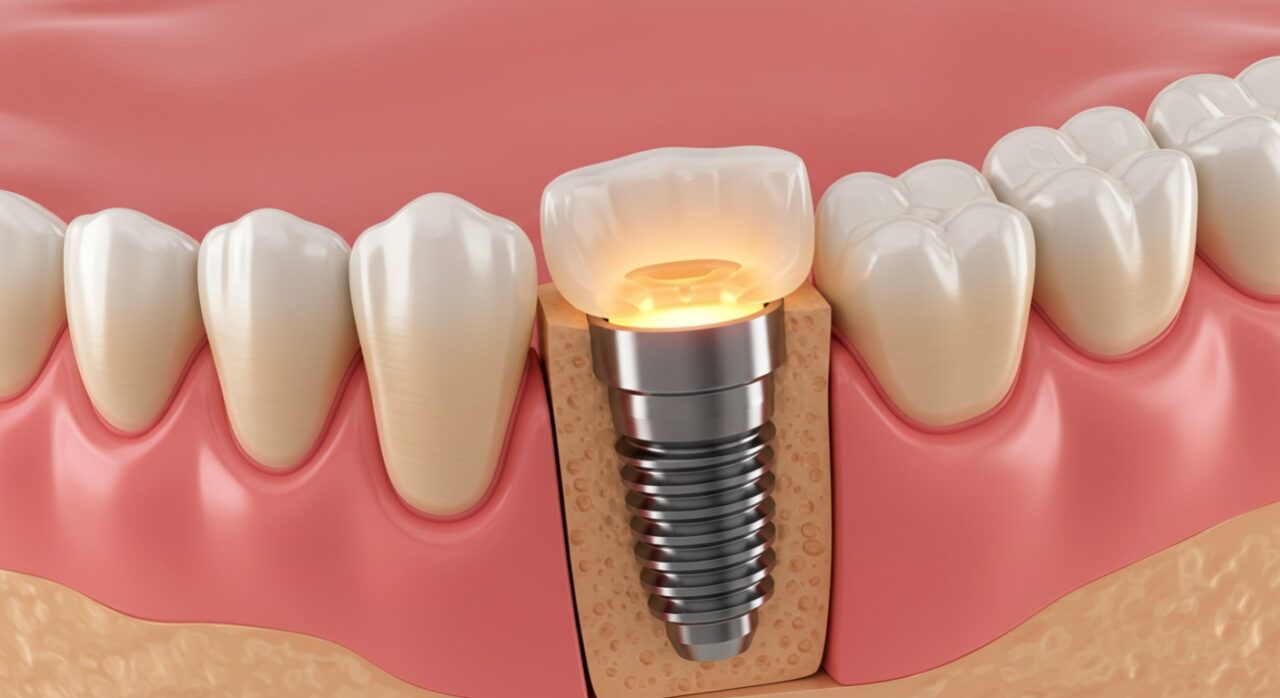
Dental implants represent a permanent solution for missing teeth, providing a more natural feel and function compared to traditional bridges.
Although dental implants can cost from £3,000 to £4,500 for each tooth, they can last a lifetime if you take good care of them. Unlike dentures, bridges often require replacement every 5 to 15 years, with costs ranging from £2,000 to £5,000.
Implants also preserve jawbone health by preventing bone loss, a common issue with bridges. Implants require surgery and a lengthy healing process, which may not be suitable for all patients.
Talk to a dentist about your specific situation before deciding.
Partial Dentures
Partial dentures offer a removable option for replacing missing teeth, providing flexibility and ease of care for patients.
There are two main types of partial dentures: acrylic and metal-based. Acrylic dentures are generally less expensive and can be useful for temporary replacements. Unlike others, metal partials, usually built with a structure for extra support, are generally stronger and more comfortable over time.
When comparing partial dentures to bridges, consider cost, as partials usually range from £300 to £2,000, whereas bridges can cost £500 to £1,500 per tooth. Maintenance differs too: partials require daily cleaning and occasional adjustments, while bridges, needing more consistent dental hygiene, can last longer if properly cared for.
Frequently Asked Questions
What is a dental bridge and how does it work in the UK?
A dental bridge is a type of dental prosthetic used to replace missing teeth by bridging the gap between remaining teeth. It is attached to the neighbouring teeth, providing a stable and natural-looking solution for missing teeth in the UK.
What are the benefits of getting a dental bridge in the UK?
A dental bridge can improve your appearance, restore your ability to speak and chew properly, prevent teeth from shifting, and maintain the shape of your face. It can also help distribute the force of your bite and reduce the risk of developing oral health problems.
What types of dental bridges are available in the UK?
There are different types of dental bridges available in the UK, such as traditional bridges, cantilever bridges, Maryland bridges, and implant-supported bridges. Your dentist will recommend the best type based on your specific needs and preferences.
How long does a dental bridge last in the UK?
A dental bridge can last for 5-15 years or even longer with proper care and maintenance. But, how long the bridge lasts also relies on the material, dental care, and actions like grinding teeth and chewing hard items.
Is getting a dental bridge in the UK painful?
The procedure for getting a dental bridge in the UK is generally painless as local anaesthesia is used to numb the area. Some patients might feel slight discomfort or sensitivity after the procedure. These symptoms can be relieved with common pain relievers available in pharmacies.
How much does a dental bridge cost in the UK?
The cost of a dental bridge in the UK can range from £400-£1000 per tooth, depending on the type of bridge, material used, and the location of the dental practice. For an exact price based on your situation, talk to your dentist.
Leave a Reply