
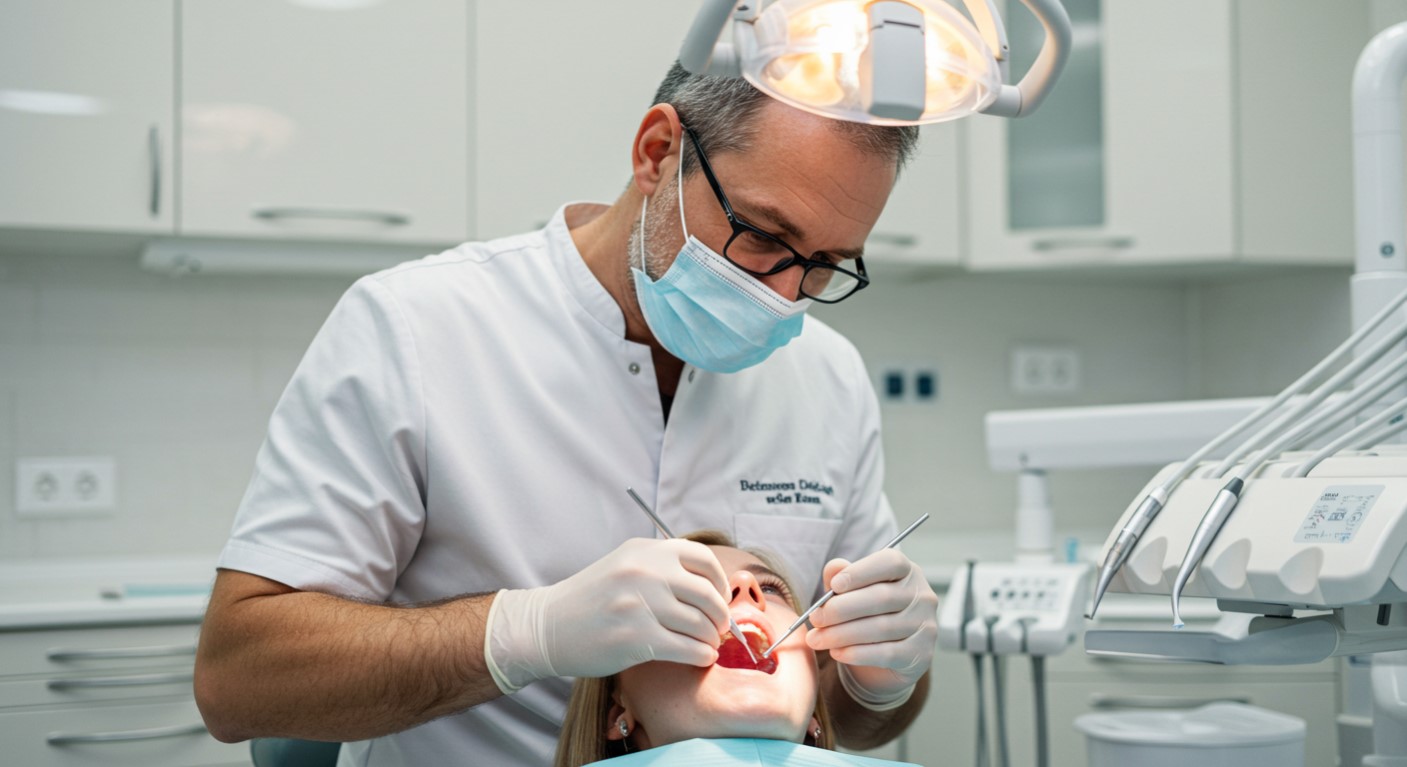
When Can You Get a Dental Implant After a Tooth Extraction in the UK
Having a tooth pulled might seem scary, but knowing how it works can help calm your nerves. It’s important to know how tooth removal and dental implants fit into your dental care because dental health matters.
This guide walks you through the reasons for extraction, the procedure itself, and undergoing a dental implant after a tooth extraction. Learn how to care for a dental implant after a tooth extraction to facilitate an easier recovery and healing process.
Importance of Dental Health
Looking after your teeth is important for your health and self-esteem. Studies indicate that not taking care of your teeth can cause illnesses like heart problems and diabetes.
Studies indicate that individuals with gum disease have nearly double the risk of getting heart disease. Regular dental check-ups are important because they help spot early signs of oral problems that could affect your health.
Visit your dentist twice a year for cleanings and check-ups. Incorporating practices such as daily brushing, flossing, and using antiseptic mouthwash can significantly improve your dental hygiene, thus supporting better health outcomes.
Overview of Procedures
Tooth extractions and dental implants are two interrelated procedures, often undertaken to improve oral function and aesthetics, with recovery and success rates varying based on individual circumstances.
The tooth removal process usually starts with a detailed check-up, then anaesthesia is given to keep you comfortable during the procedure.
Once the tooth is removed, a healing period is necessary before considering a dental implant. This pause allows the gums to heal, which can take a few weeks.
For implants, the dentist will place a titanium post into the jawbone, which integrates with the bone over a few months. Taking proper care of yourself after both procedures is essential to make sure the implant lasts and works well. When done correctly, success rates are over 95%.
Reasons for Tooth Extraction

Removing teeth is often necessary due to various dental issues, such as caries or damage, that affect a person’s oral health.
Common Dental Issues
Teeth are often pulled due to serious decay, gum infections, or too many teeth in a small space. Each situation requires careful evaluation and planning for treatment.
Significant decay can damage a tooth, which may cause infections. In fact, the CDC reports that nearly 26% of adults have untreated cavities.
Gum disease, marked by inflammation and infection, can result in tooth loss if not managed; about 47% of adults over 30 have some form of gum disease.
Overcrowding, on the other hand, occurs when there isn’t enough space for teeth, which may result in misalignment. Dentists usually suggest removing a tooth after examining X-rays and other tests to assess how serious the problem is, aiming for the best results for oral health.
Impacted Teeth
Impacted teeth, especially wisdom teeth, often require extraction due to complications such as pain, infection risk, and alignment issues.
The primary causes of impaction include insufficient space in the jaw or abnormal tooth positioning. Symptoms may manifest as swelling, irritation, or difficulty opening the mouth.
A person in their late twenties had constant jaw pain, which resulted in the discovery of their wisdom teeth that failed to emerge properly. Following extraction, the patient reported immediate relief and improved alignment of adjacent teeth.
In another case, a teenager faced recurrent infections due to an impacted canine, necessitating surgical intervention. Regular dental check-ups can help identify such issues early, preventing complications.
The Tooth Extraction Process
Knowing how tooth extraction works can reduce patient anxiety and help them get ready for what happens before, during, and after the procedure.
Pre-Extraction Consultation
A thorough pre-extraction consultation assesses the patient’s dental and medical history, ensuring any risks are identified and addressed before the procedure.
This consultation should include a detailed review of the patient’s current medications, allergies, and any previous reactions to anaesthesia.
Imaging techniques such as dental X-rays are essential for evaluating the tooth’s condition and surrounding structures.
Clear communication with the patient is important. Explain the extraction process, possible problems, and aftercare to help reduce their anxiety.
Providing a clear outline of the next steps will help the patient feel more informed and comfortable moving forward with the procedure.
The Extraction Procedure
The extraction procedure typically involves local or general anaesthesia and can vary in complexity based on tooth positioning and patient health.
After anaesthesia is administered, the dentist assesses the tooth’s position. For simple extractions, the tooth is loosened with an elevator before being removed with forceps. In complex cases, such as impacted wisdom teeth, incision and bone removal may be necessary.
After surgery, it’s important to care for yourself properly. Patients should bite on gauze to help stop bleeding and avoid using straws or smoking for at least 24 hours.
Pain relief options, such as ibuprofen, can be discussed, and follow-up appointments may be scheduled to monitor healing.
Post-Extraction Care

Caring for the area properly after removal is important to alleviate pain and reduce the chances of issues like infection or delayed recovery.
Healing Timeline
The healing timeline following a tooth extraction generally spans 1-2 weeks, depending on individual health factors and the complexity of the extraction.
During the first 24 hours, you can expect some bleeding and swelling; applying an ice pack can help manage this discomfort.
Over the next few days, minor pain and sensitivity are normal, often manageable with prescribed or over-the-counter pain relief. Around day three, the swelling should begin to subside significantly.
By the end of the first week, any stitches (if used) may need to be evaluated by your dentist. Watch for heavy bleeding, strong pain, or signs of infection like fever or pus, which need quick medical help.
Managing Discomfort
Effectively managing discomfort after tooth extraction involves a combination of prescribed pain medications and home care techniques.
To improve your recovery, consider using these methods:
- Take over-the-counter painkillers like ibuprofen or paracetamol, which can help reduce inflammation and pain.
- Apply a cold pack to your cheek for 15 minutes at a time to minimise swelling.
- Drinking plenty of liquids is necessary to keep yourself hydrated. Don’t use straws because they might affect blood clots.
- Rinsing your mouth gently with warm salt water after 24 hours can promote healing.
Combining these methods should help manage pain and speed up your recovery.
Dental Implants Overview
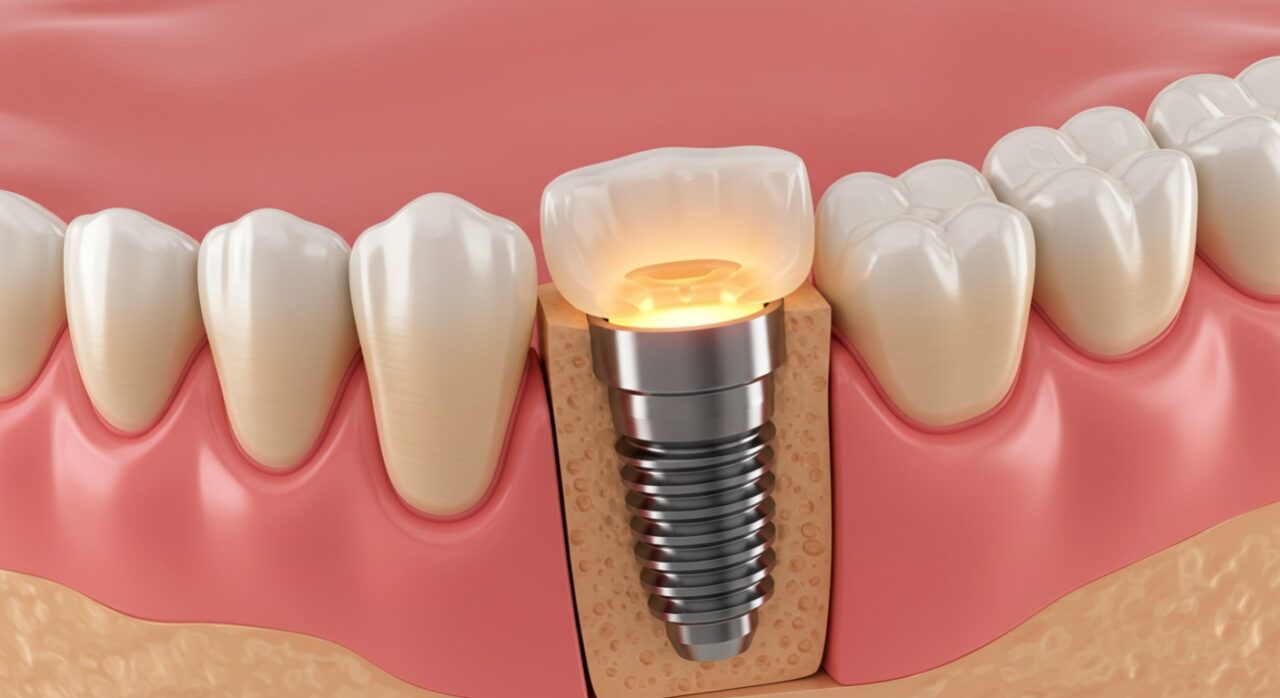
Dental implants are a lasting solution for missing teeth, providing both practical and aesthetic advantages compared to conventional dentures and bridges.
What Are Dental Implants?
Dental implants consist of titanium posts surgically placed into the jawbone, serving as anchors for replacement teeth or crowns.
These implants are typically made from biocompatible materials that encourage osseointegration, where the bone fuses to the titanium, ensuring stability.
Modern methods such as 3D imaging and guided implant placement improve accuracy, reducing both surgery time and recovery.
Using computer-aided design (CAD) helps create abutments and crowns that fit the specific shape of a patient’s mouth.
This technology makes dental implants fit more accurately, raising their success rate to between 90% and 98%.
In the UK, the cost of dental implants usually ranges from £2,000 to £2,500 per tooth, depending on the case. For patients who require a full arch restoration, the All-on-4 dental implant procedure is often recommended, with typical prices starting from around £7,000 per arch.
Benefits of Implants
Dental implants work well 95% of the time and provide many lasting advantages, such as better oral function and appearance.
Unlike dentures or bridges, which may lose stability over time, implants are anchored directly into the jawbone, promoting bone health and preventing deterioration.
Patients have a satisfaction rate of over 90%, indicating they feel better physically and more confident in social situations.
Regular care is easy—just brush and floss like you would with natural teeth. Using tools like a Waterpik can improve oral hygiene for those with implants.
This simple procedure is a strong and reliable choice for anyone looking for a trustworthy way to replace a tooth.
The Implant Timeline in the UK

Getting dental implants in the UK generally takes a few months. The process involves a few steps, beginning with the first appointment and ending with the final placement of the implant.
Initial Consultation to Placement
Getting dental implants starts with a thorough check-up. This involves taking pictures and organising the treatment, which might need one or two appointments.
During these appointments, your dentist will check your dental health thoroughly and look over your medical history. They may use X-rays or 3D imaging to assess bone density and the optimal placement for the implant.
Taking this step helps deal with issues such as gum disease before surgery. After planning, your dentist will develop a personalised treatment plan detailing the implant type, procedure, and what to expect during recovery, ensuring effective results.
Healing and Osseointegration
Osseointegration is when the bone attaches to the implant. This usually takes 3-6 months and is important for the implant to remain stable over time.
During this period, factors such as patient health, smoking, and the load on the implant play significant roles in success. To promote healing, maintain a balanced diet rich in calcium and vitamin D, as these nutrients support bone health.
Not smoking can improve blood circulation, which also aids osseointegration. Regular follow-up appointments with your dentist will help monitor progress.
Brushing and flossing regularly will lower the chance of infection, which could harm the integration process. Engaging in gentle activities rather than heavy lifting can help protect the implant during this critical phase.
Final Restoration Process
The final restoration, where the permanent crown is placed, completes the dental implant procedure and can occur 2-3 months after osseointegration.
At your last visit, the dentist will examine the crown to see if it fits well and matches the colour of your other teeth. They may make minor adjustments before securing it in place using dental cement.
Expect some pressure while the crown is fitted, but it should not be painful. After the procedure, it is normal to experience slight sensitivity as your gums heal, which typically resolves within a few days.
Regular check-ups will help monitor how well the implant fits and confirm that the crown remains in good condition.
Factors Affecting the Timeline

The time it takes for dental implants to be completed can vary due to different reasons, such as how quickly a person heals and the strength of their bones.
These factors can affect how the treatment is scheduled.
Individual Healing Rates
Each patient’s healing rate varies significantly, with factors such as age, overall health, and adherence to post-operative care influencing recovery time.
Age plays a critical role; younger patients often heal more quickly due to better regenerative capabilities. Overall health, including pre-existing conditions like diabetes, can significantly slow healing.
To promote healing, patients need to carefully follow the instructions given after surgery. This includes:
- Managing pain effectively
- Maintaining a balanced diet rich in vitamins
- Attending follow-up appointments
Using tools like a recovery journal can also help track progress and adherence to care guidelines, ensuring a smoother healing process and quicker return to daily activities.
Bone Density Considerations
Proper bone density is important for implant placement to function effectively; patients who do not have sufficient bone may require additional procedures such as bone grafting.
To assess bone density, dentists typically utilise methods such as cone beam computed tomography (CBCT) scans and panoramic X-rays. Both methods create clear images, but CBCT provides better 3D images, which help with exact measurements and planning.
If the bone density is low, procedures like ridge or sinus lifts can help increase the bone supply. Using materials like xenografts or allografts in bone grafting can improve stability and integration, raising the chances of successful implant results.
Long-Term Care for Implants
Maintaining good dental hygiene and attending regular follow-up appointments are key components in ensuring the longevity of dental implants.
To care for your implants, establish a daily routine that includes brushing twice a day with a soft-bristled toothbrush and non-abrasive toothpaste.
Floss or use interdental brushes to clean around the implant and adjacent teeth, preventing plaque build-up. Consider using an antimicrobial mouthwash to further reduce bacteria.
Go to your dentist twice a year, or as often as they recommend, to look at your implants and gums. This proactive method will greatly increase the durability of your dental work.
Frequently Asked Questions
When to undergo dental implant after a tooth extraction in the UK?
The timeline for a tooth extraction and implant in the UK can vary depending on individual circumstances. Usually, the whole process can last between 3 to 9 months.
How long does it take to recover from a tooth extraction in the UK?
The recovery time for a tooth extraction in the UK can vary from person to person. On average, it takes about 1 to 2 weeks for the initial healing, and about 3 to 4 months for the jawbone to fully heal.
What is the usual waiting period between a tooth extraction and implant in the UK?
The waiting period between a tooth extraction and implant in the UK can range from 3 to 6 months. This allows for proper healing of the jaw bone before the implant procedure can be carried out.
Are there any factors that can affect the tooth extraction and implant timeline in the UK?
Yes, many things can influence how long it takes to get a tooth removed and an implant in the UK. These include the individual’s oral health, the location of the tooth being extracted, and the type of implant being used.
How long does the actual implant procedure take in the UK?
The implant procedure itself usually takes about 1 to 2 hours, and is performed under local anaesthesia. However, this can also change based on the person’s situation and how complicated the procedure is.
What is the typical recovery time after an implant procedure in the UK?
The recovery time after an implant procedure in the UK can range from a few days to a few weeks. Most people are able to resume their normal activities within a week, but it’s important to follow your dentist’s post-operative instructions for optimal healing.
Leave a Reply