

Do Teeth Whitening Strips Work?
Improving your smile can seem challenging, especially with all the teeth whitening methods and choices out there. Teeth whitening strips promise quick results, but do they really deliver?
Knowing how they work, how to apply them, and what side effects they might have is important before using them. This exploration will cover how these strips work, their clinical backing, and what alternatives exist.
Prepare to learn the reality of those tempting promises and achieve the bright smile you want.
What Are Teeth Whitening Strips?
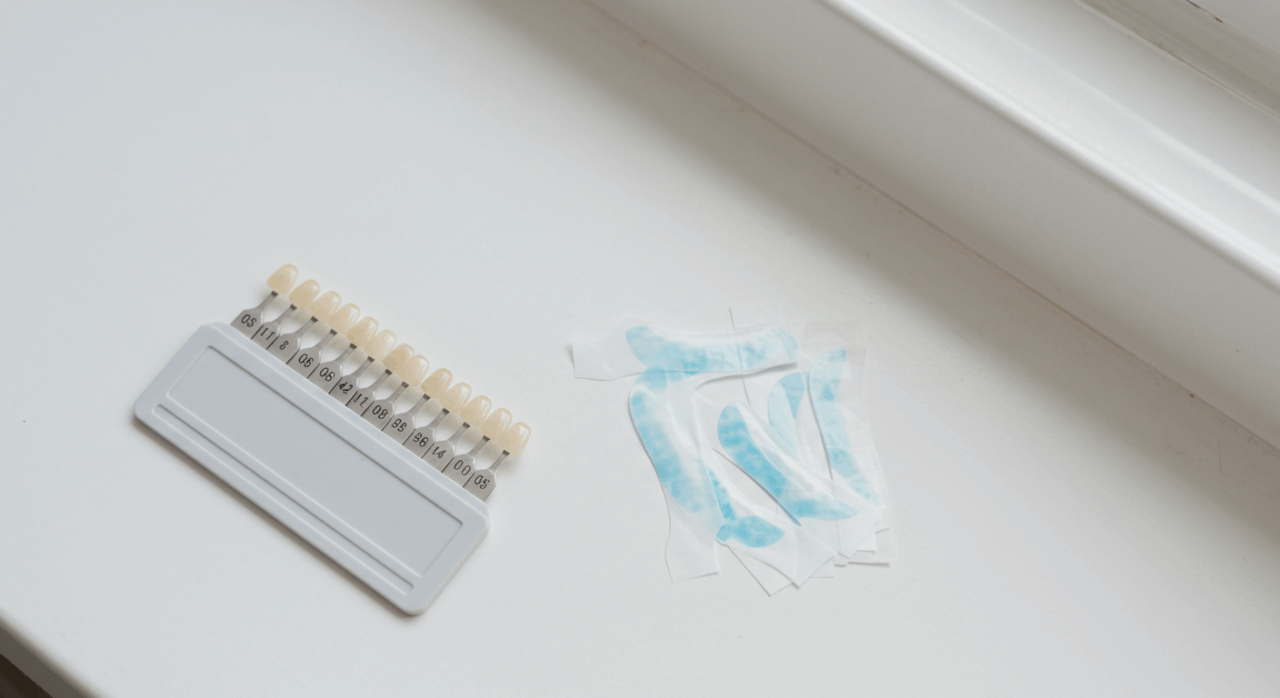
Teeth whitening strips are thin plastic strips coated with a whitening gel that typically contains hydrogen peroxide or carbamide peroxide, designed to adhere to the teeth.
The ingredients in these strips soak into the enamel and dissolve stains. Most formulations come in concentrations ranging from 3% to 20% hydrogen peroxide, catering to different whitening needs.
Brands like Crest 3D White and AuraGlow offer ADA-approved options, ensuring consumer safety and effectiveness. To maximise results, apply the strips for the recommended duration, often 30 minutes daily for a couple of weeks.
Maintaining oral hygiene post-treatment can prolong whitening effects.
How Do They Work?
The main ingredients in teeth whitening strips penetrate the tooth enamel and remove stains and discolouration through a process that involves oxygen.
The primary ingredient in most whitening strips is hydrogen peroxide or carbamide peroxide. When these peroxides come into contact with the stains on the tooth surface, they release oxygen molecules that penetrate the enamel.
This process breaks down the pigmented compounds responsible for discolouration, leading to a brighter smile. For optimal results, it is essential to use the strips as directed, typically for 30 minutes each day over a period of 10 to 14 days.
Maintaining oral hygiene and avoiding stain-causing foods can improve results.
Effectiveness of Teeth Whitening Strips

Studies show that teeth whitening strips can lighten teeth by a few shades, often giving results similar to those done by dentists.
Clinical Studies and Results
A recent study by the American Dental Association found that 80% of users saw their teeth become visibly whiter after using strips for 14 days.
Clinical trials indicated that Crest 3D White Strips delivered a 74% satisfaction rate among users, while OraActive achieved 78% after consistent use.
Participants noted significant whitening, especially in cases of mild to moderate discolouration. Notably, strips worn for 30 minutes daily showed better results compared to shorter wear times.
Many users complemented their whitening routine with a sensitivity toothpaste, which helped reduce discomfort, thus enhancing overall satisfaction with the whitening process.
Comparative Effectiveness
When compared to other whitening methods, such as gels and professional treatments, teeth whitening strips offer a balance of convenience and effectiveness.
Teeth whitening strips are often more user-friendly, requiring only a short daily application. For instance, Crest 3D White Strips typically only need 30 minutes a day to show results within a few days at around £45 for a pack.
In contrast, professional treatments may cost upwards of £500 and require multiple appointments but can deliver immediate, dramatic results. Gels, on the other hand, vary in formulation; some offer quick applications, while others might take longer but cost less overall.
Your decision will be based on how much money you have, how much time you have, and what you want to achieve.
Usage Guidelines
Knowing how often and how to use whitening strips correctly is important for achieving the best results.
How to Apply Teeth Whitening Strips
To achieve the best results, begin by brushing your teeth and ensuring they are dry before applying the strips directly to the tooth surface.
Next, gently remove the strips from their backing and avoid touching the sticky side. Place each strip on your teeth and press gently for complete contact.
For optimal results, keep the strips on for the recommended time—usually 30 minutes, but check your specific product instructions. Avoid swallowing or eating during this period to maximise effectiveness.
After removal, rinse your mouth thoroughly and avoid eating or drinking for at least 30 minutes to allow the whitening agents to work effectively.
Recommended Duration and Frequency
Most brands recommend using teeth whitening strips for 30 minutes daily for a period of 14 days to achieve significant whitening results.
To maximise effectiveness, follow these steps:
First, brush your teeth to remove plaque before applying the strips.
Next, carefully place the strip on your teeth, ensuring full coverage without overlapping the gum line.
Popular options like Crest 3D White and AuraGlow provide effective formulations.
After use, avoid eating or drinking for at least 30 minutes to allow the whitening ingredients to work effectively.
To keep things bright, repeat the process every six months to help keep the results lasting.
Potential Side Effects

Teeth whitening strips are effective, but they can lead to side effects such as sensitive teeth and irritated gums, especially if used for a long time.
Common Issues
Common issues reported by users include heightened tooth sensitivity, with about 30% experiencing discomfort during or after treatment.
To mitigate sensitivity, consider these strategies:
Use desensitising toothpaste containing potassium nitrate, which helps block sensations from reaching nerves.
Reduce the frequency of treatments to give your teeth time to acclimatise.
If discomfort persists, consult a dentist for professional advice.
Over-the-counter fluoride treatments can also strengthen enamel, providing further protection against sensitivity.
These methods can greatly improve comfort during and after whitening treatments.
Long-term Effects on Dental Health
Long-term studies suggest that if used properly, whitening strips do not negatively impact tooth enamel or overall dental health.
Research indicates that using whitening strips in moderation—about once a year—can effectively brighten smiles without harming enamel. Notably, studies from dental journals showed no significant increase in sensitivity or enamel erosion when users followed the manufacturer’s guidelines.
Using a fluoride toothpaste along with whitening toothpaste helps keep enamel strong. Individuals experiencing dental conditions, such as gingivitis, should consult a dentist before use, as the strips may exacerbate sensitivity in those cases.
Therefore, maintaining good oral hygiene and regular dental check-ups are essential for long-term benefits.
Alternatives to Teeth Whitening Strips

If you are looking for other options, there are many alternatives to whitening strips that can work well without the same potential side effects.
Professional Whitening Options
Professional teeth whitening treatments, typically performed by a dentist, can yield faster and more dramatic results compared to over-the-counter options.
Common treatments include in-practice bleaching, which often costs between £300 and £1,000 and takes about one hour.
Many dentists also offer take-home kits, priced around £100 to £400, that involve custom trays and a whitening gel used over one to two weeks.
Patients frequently report noticeable results immediately or after just a few applications, with one satisfied client mentioning, “I achieved a bright smile after just one session!”
Always discuss your specific needs with your dentist to determine the best option for you.
At-Home Remedies
Lots of people prefer using baking soda and activated charcoal at home rather than buying whitening strips from the store.
Baking soda softly cleans surface marks. Mix two tablespoons with a few drops of water to form a paste; apply it once a week for the best results.
Activated charcoal, known for its absorbent properties, can be used by wetting the brush and dipping it in the powder. Brush gently for 2-3 minutes before rinsing, but limit this to once or twice a week to avoid enamel wear.
Both methods are cost-effective and generally safe, but it is wise to consult a dentist before starting any new whitening regimen.
Final Thoughts on Effectiveness
While outcomes can vary, people usually notice their teeth get 3-5 shades whiter when they regularly use the strips, making them a popular option for many.
It is essential to compare this with other whitening methods. For instance, professional whitening treatments can deliver more dramatic results but often at a much higher cost, ranging from £300 to £1,000.
On the other hand, over-the-counter gels may take longer to achieve similar outcomes. Many users appreciate the convenience of strips, which can be used discreetly at home, like Crest 3D White Strips, known for their easy application and effective results.
The decision is based on your personal goals, budget, and the time you can dedicate.
Frequently Asked Questions
Do teeth whitening strips actually work?
Yes, teeth whitening strips work well to whiten teeth when used correctly. They contain bleaching agents that penetrate the teeth and remove stains.
How long does it take for teeth whitening strips to work?
The results of teeth whitening strips can vary, but most people see noticeable results within 7-14 days of consistent use. However, some people may see results within 3-5 days.
Are teeth whitening strips safe to use?
Yes, teeth whitening strips are generally safe to use as long as they are used as directed. However, using too much of any teeth whitening product can cause sensitive teeth and irritated gums.
Can I use teeth whitening strips if I have sensitive teeth?
It is possible to use teeth whitening strips if you have sensitive teeth, but it is important to choose a product specifically designed for sensitive teeth. These strips contain lower levels of bleaching agents and are less likely to cause sensitivity.
How often should I use teeth whitening strips?
It is recommended to use teeth whitening strips once a day for 30 minutes at a time. However, how often and how long you use it can change based on the particular product and how white you want your teeth to be.
Do teeth whitening strips work on all types of stains?
Teeth whitening strips work best on surface stains caused by food, drinks, and smoking. They may be less effective on deeper, more stubborn stains caused by ageing or medication. In these cases, professional whitening may be more successful.
Leave a Reply