

What Counts as Emergency Dental?
Dental pain can strike when you least expect it, turning an ordinary day into a nightmare. Knowing what counts as an emergency dental situation can save you from unnecessary suffering.
Quick care is important for extreme tooth pain or teeth that have been knocked out. This article dives into common emergencies, signs that you need immediate care, and essential first aid steps. Learn how to take care of your teeth and know when to ask for help!
Understanding Emergency Dental Care

Emergency dental care deals with urgent problems needing quick treatment to relieve intense pain or stop more problems, like infections or losing a tooth.
Definition of Emergency Dental Situations
Emergency dental cases include intense pain, injury, and infections that require urgent treatment, often outside of normal surgery hours.
Examples of dental emergencies are intense tooth pain that affects your everyday activities, a tooth that is knocked out because of an injury, or visible swelling from an infection. These conditions can lead to problems if not dealt with quickly.
Unlike regular appointments that might focus on cleanings or fillings, urgent situations require quick action to reduce pain and prevent additional problems.
If you experience a dental emergency, locate a nearby 24-hour dental clinic and contact them immediately to explain your situation.
Having a dental emergency kit with items like painkillers and gauze can help manage symptoms until you receive medical help.
Importance of Timely Treatment
Getting fast dental care for urgent issues can reduce the risk of losing a tooth or developing a serious infection, which shows why it’s important to get help quickly — even if dental anxiety makes you hesitate.
Postponing treatment for issues such as dental abscesses can cause serious problems, including the infection spreading to the bloodstream, potentially leading to sepsis.
According to studies, approximately 95% of dental abscesses require immediate care to prevent systemic issues. If cavities aren’t treated, they can cause severe infections in the tooth’s inner tissue, leading to intense pain and the need for a root canal. Gum disease can also worsen, resulting in tooth mobility and even loss.
Quick action not only lowers discomfort and keeps you healthy, but also helps ease the worry that often comes from delaying care due to dental anxiety.
Common Types of Dental Emergencies

Dental emergencies usually include problems such as managing pain, injuries, and infections, each requiring different treatments.
Severe Toothache
Painful toothaches often result from infections, cavities, or injuries to the teeth, and they need quick treatment.
To manage the pain before you visit a dentist, you can take over-the-counter pain relief such as ibuprofen or paracetamol. It’s important to follow the dosage instructions on the packet carefully.
Applying a cold compress to the outside of your cheek for 15-20 minutes can also help reduce swelling and numb the area. Rinsing with warm salt water may provide temporary relief by reducing inflammation.
Don’t overlook the main problem; getting checked by a dentist is important to fix what is causing your toothache.
Knocked-Out Tooth
A knocked-out tooth is a dental emergency requiring immediate action within 30 minutes to maximise the chances of successful re-implantation.
To preserve the tooth, gently rinse it with water without scrubbing, and avoid touching the root. Place it in a container of milk or saline solution, as these environments help maintain cell viability.
Next, contact an emergency dentist immediately; success rates for re-implantation can be as high as 90% if done within the first hour.
If you cannot reach a dentist, keep the tooth in your mouth between the gum and cheek for safe transport. Acting quickly is essential to preserve your smile.
Dental Abscess
A dental abscess is a localised infection that poses serious health risks and requires urgent treatment to avoid complications such as systemic infection.
Symptoms of a dental abscess include severe tooth pain, swollen gums, and sometimes a fever. If left untreated, the infection can spread to other parts of the body, leading to complications like sepsis.
Standard treatment often begins with antibiotics such as amoxicillin to control the infection. Often, draining the abscess is necessary, which can be achieved through root canal treatment or by cutting into the gum to allow the pus to drain.
Acting early is important to avoid further problems.
Signs You Need Emergency Dental Care
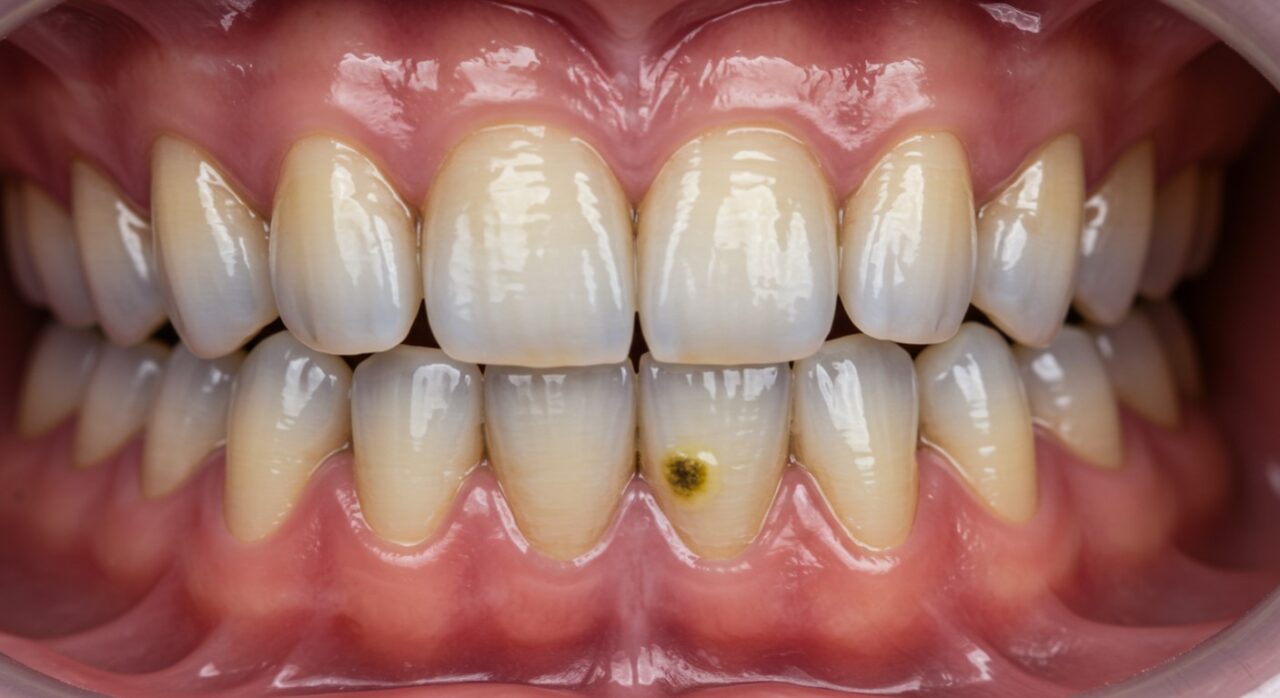
Knowing when you need to see a dentist right away helps stop bigger issues and ensures quick treatment.
Persistent Pain
Ongoing pain, particularly if it worsens, often suggests a hidden problem that might need urgent dental care.
Regular dental pain can be caused by toothaches, sensitivity to hot or cold temperatures, and discomfort when biting. Potential underlying causes can range from cavities and gum disease to cracked teeth or infections.
If you experience such pain, take immediate steps:
- Rinse your mouth with warm salt water to reduce inflammation.
- Avoid hard foods that could aggravate the issue.
- Arrange a dental appointment within 24 hours.
Taking care of problems quickly can prevent them from getting worse and offer quick comfort.
Swelling or Infection
Swelling in the gums or face can signify a serious infection or abscess that necessitates immediate dental evaluation.
Not treating this sign can cause serious problems, such as the infection spreading. If you notice swelling, make an appointment with a dentist straight away.
In the meantime, you can manage the swelling at home by:
- Rinsing with warm salt water a few times a day
- Applying a cold pack to the area for 15-20 minutes
- Using non-prescription pain relievers such as ibuprofen
These steps can help provide temporary relief until professional treatment is received.
Trauma to the Mouth or Jaw
Injuries to the mouth or jaw can cause broken teeth, dislocations, and other problems. Quick treatment is necessary to avoid further damage.
If an injury happens right away, first determine how serious it is: if a tooth gets knocked out, hold it by the top part and put it in a glass of milk to preserve it until you can visit a dentist.
For dislocations, gently attempt to reposition the jaw to relieve pain but avoid forcing it. Always apply ice to reduce swelling and discomfort, wrapping the ice pack in a cloth for safety.
If pain continues or you see a lot of bleeding, go to the emergency room for a proper diagnosis and care.
What to Do in a Dental Emergency

Knowing how to act during a dental emergency can reduce harm and discomfort until you can see a dentist.
Immediate First Aid Steps
Immediate first aid steps for dental emergencies include controlling bleeding, managing pain, and stabilising any dislodged teeth before seeing a dentist.
- To control bleeding, use sterile gauze and apply firm pressure to the bleeding site for about 10 minutes.
- For pain relief, over-the-counter medications like ibuprofen can be effective; always follow the recommended dosage on the label.
- If a tooth is knocked out, handle it by the crown, rinse gently with water, and if possible, place it back in the socket.
- If this isn’t feasible, store the tooth in a cup of milk or saline until you reach the dentist. Quick action can greatly impact treatment results.
When to Call a Dentist
Knowing when to visit a dentist can save your teeth or stop intense pain. It’s helpful to recognise when to ask for help from a specialist.
Get in touch with a dentist right away if you experience intense pain that persists, noticeable bleeding from your gums, or if a tooth has been knocked out.
In the case of a knocked-out tooth, handle it by the crown and, if possible, place it back in its socket or store it in milk to keep it viable.
When searching for an emergency dentist, find one nearby, read patient reviews, and confirm they take your insurance so you can get care quickly and affordably.
Preventing Dental Emergencies

While you can’t stop all dental emergencies, taking certain actions can make them less likely to happen, helping to keep your teeth and gums safe.
Regular Dental Check-ups
Regular dental check-ups are essential for identifying potential issues before they escalate into emergencies, allowing for proactive care.
These visits enable dentists to spot problems such as cavities or gum disease early on. Seeing the dentist twice a year helps maintain dental health and can avoid expensive treatments later on.
For example, a simple clean can prevent decay that might otherwise require fillings or root canals. Tools like digital X-rays can detect hidden problems, allowing for better overall care.
Regular check-ups provide personalised advice on daily habits, greatly reducing the chances of dental emergencies.
Good Oral Hygiene Practices
Brushing your teeth twice a day and flossing are important habits to prevent dental problems.
To brush your teeth properly, use a soft toothbrush and fluoride toothpaste. Angle the brush at 45 degrees towards your gums, and make gentle circular motions for at least two minutes.
Don’t forget to brush your tongue to eliminate bacteria.
For flossing, use about 18 inches of dental floss, wrapping it around your middle fingers, and slide it gently between your teeth in a ‘C’ shape, ensuring to reach under the gumline.
Incorporating mouthwash can further reduce plaque, offering an additional layer of protection against cavities.
Finding Emergency Dental Services

It’s important to find reliable emergency dental services for quick care, particularly at night or on weekends when usual clinics aren’t open.
24/7 Dental Clinics
Dental clinics that operate 24/7 provide essential services for urgent situations when regular offices are closed, allowing patients to receive care at any time.
When choosing a 24/7 dental clinic, look for facilities that offer a range of services, such as pain management, tooth extractions, and restorative procedures.
Check if the clinic is staffed with qualified dentists and support personnel at all hours. Notable examples include:
- SmileDirect in Atlanta, which provides emergency services
- The Dental Emergency Room in New York is recognised for its complete care
Make sure they have up-to-date tools and a tidy, friendly space to focus on what patients need.
Insurance and Payment Options
Being aware of insurance and payment options for emergency dental care can alleviate financial concerns during urgent situations.
Generally, insurance plans may cover a portion of emergency dental visits under categories such as basic services or dental emergencies.
To find affordable payment plans, consider dental discount schemes or specific clinic financing options, which can significantly reduce out-of-pocket expenses.
Before an emergency visit, contact your insurance provider to verify your coverage details, inquiring about copayments, deductibles, and any exclusions.
Check with the dental clinic regarding the insurance they accept and the payment options they provide to avoid unexpected issues during your visit.
Frequently Asked Questions
What counts as emergency dental?
Emergency dental care involves any dental problem that needs quick attention and treatment. This covers intense toothache, bleeding or swelling in the gums, broken or missing teeth, and other urgent dental problems that need immediate attention.
Is a broken tooth considered an emergency dental case?
Yes, a broken tooth is considered an emergency dental case. This is because a broken tooth can lead to further complications, such as infection or damage to surrounding teeth if left untreated. You should visit a dentist right away if you have a broken tooth.
What actions should I take if I have intense tooth pain?
If you have intense tooth pain, you should get urgent dental help. In the meantime, you can take over-the-counter pain medication and rinse your mouth with warm saltwater to help alleviate the pain. Avoid putting any medication directly on the affected tooth or gums.
Can a knocked-out tooth be saved?
In some cases, a knocked-out tooth can be saved if immediate action is taken. If possible, try to gently place the tooth back in its socket and hold it in place until you can see a dentist. If this can’t be done, put the tooth in a container of milk or saliva and get emergency dental help.
What if I have a dental issue that is not considered an emergency?
If you have a dental issue that is not considered an emergency, you should still schedule an appointment with your dentist as soon as possible. If you overlook small dental problems, they can turn into bigger issues later.
Do emergency dental services cost more than regular dental services?
In general, emergency dental services may cost more than regular dental services. This is because they often require immediate attention and treatment outside of regular office hours. However, the price might change based on the exact treatment you need and what your dental insurance covers.
Leave a Reply