
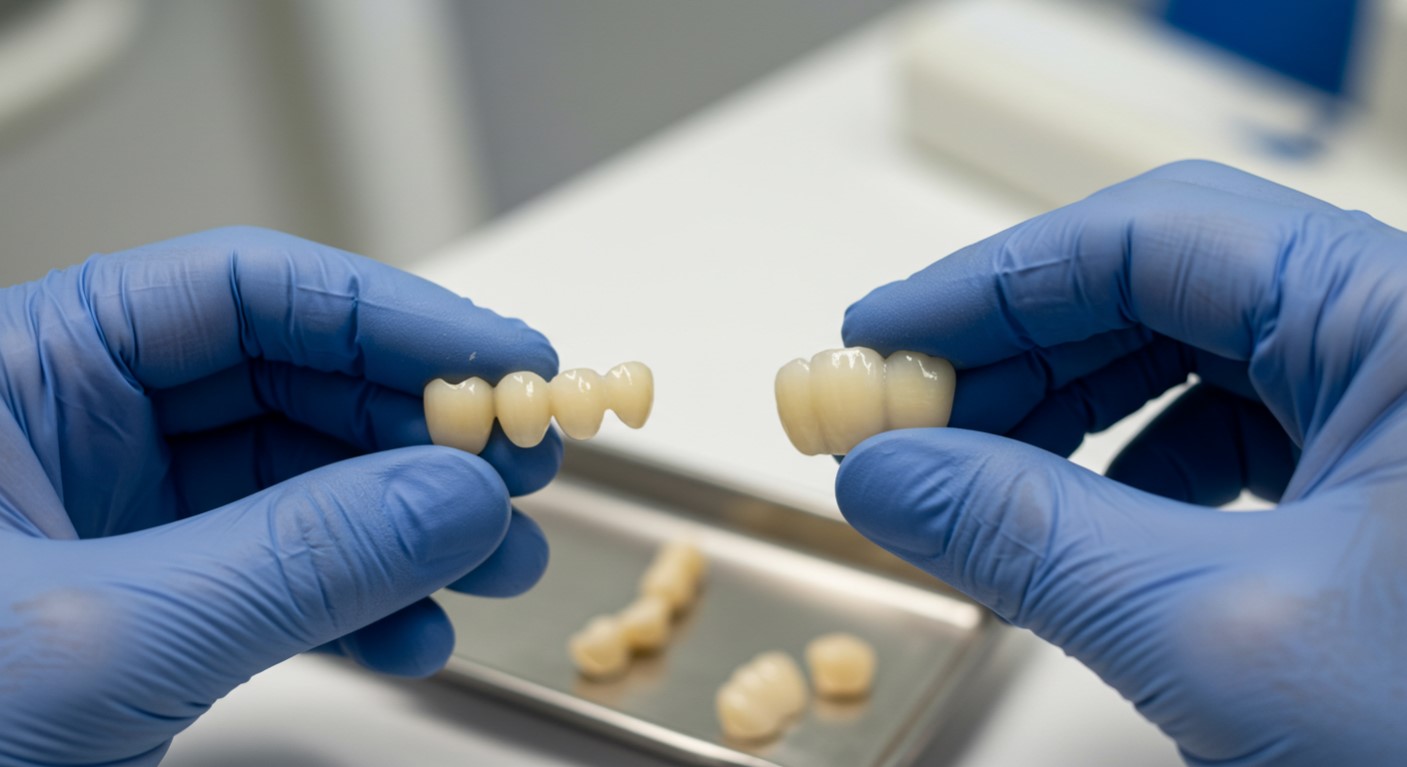
Crowns vs Veneers What is the Difference?
Crowns and veneers are popular options for enhancing your smile. Knowing their specific roles helps you pick the right option for your dental needs. This article will explain crowns vs veneers and how they differ in strength and appearance, and the expenses related to each.
By the end, you’ll have a clearer idea of which option suits you best.
What Are Dental Crowns?
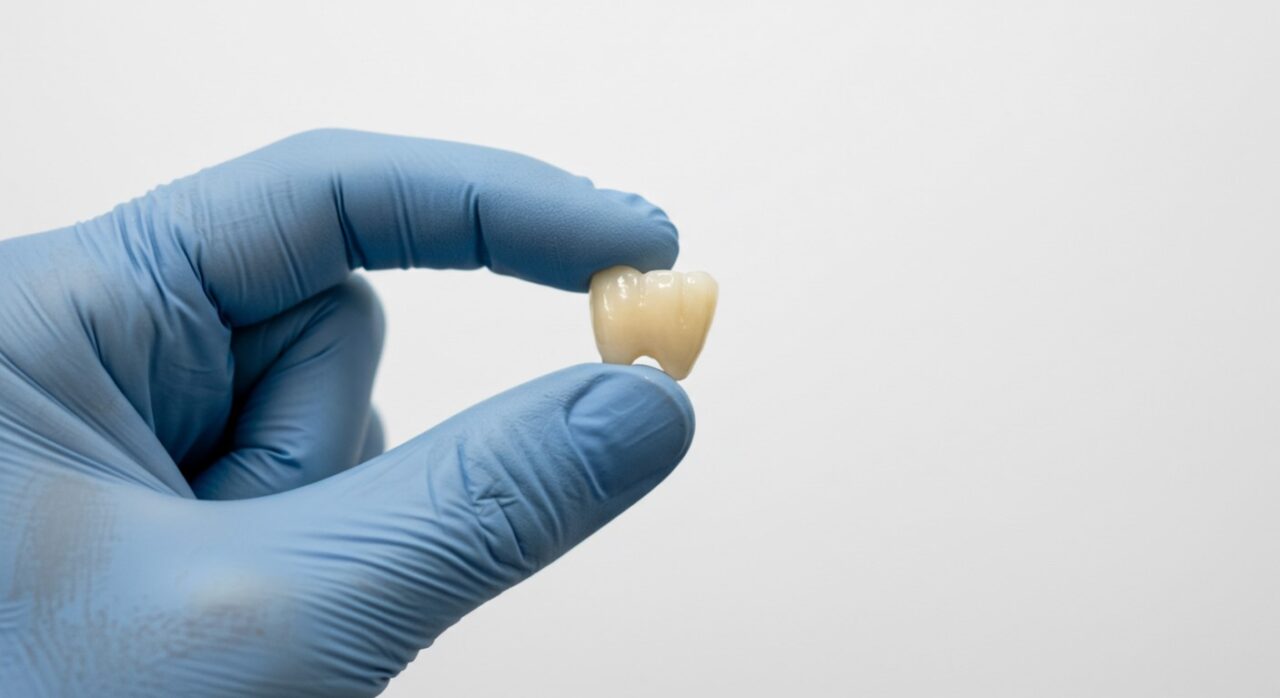
Dental crowns are coverings that fit over broken teeth, restoring their shape, size, and strength.
Definition and Purpose
A dental crown is designed to encase a damaged tooth, providing support and restoring its original function while enhancing its appearance.
Crowns are important for shielding teeth from further harm and decay. For instance, after root canal treatment, a crown helps seal the tooth, preventing bacteria from re-entering.
Materials such as porcelain or ceramic crowns can significantly improve aesthetics, blending seamlessly with natural teeth.
The placement process typically involves:
- Preparing the tooth
- Taking impressions for a custom fit
- Securing the crown in place, often completed in two appointments
This thorough method guarantees lasting strength and usability, giving patients healthy and confident smiles.
Types of Crowns
Crowns come in various types, including porcelain, ceramic, metal, and resin, each offering distinct advantages and suitability for different dental needs.
Porcelain crowns look very similar to real teeth, so they are a good choice for front teeth. But, they do not last as long as crowns made of metal.
Ceramic crowns provide a good balance of strength and appearance, suitable for both front and back teeth.
Metal crowns, while incredibly durable and typically used for molars, can be less appealing due to their metallic appearance.
Resin crowns are cost-effective but not very strong, which makes them suitable for short-term dental repairs.
Choosing the right type of crown depends on your specific requirements regarding aesthetics, durability, and cost.
What Are Dental Veneers?

Dental veneers are thin layers that cover the front of teeth to improve how they look and fix cosmetic problems.
Definition and Purpose
A veneer applies a layer of material directly to the front of a tooth, effectively masking imperfections while maintaining a natural look.
Patients often choose veneers to achieve a brighter, more uniform smile, addressing issues such as discolouration, chips, or gaps.
The procedure usually involves an initial consultation with a dentist, followed by the removal of a thin layer of enamel to accommodate the veneer. Common materials include:
- Porcelain, known for its durability and stain resistance,
- Composite resin, which can be more affordable but less long-lasting.
The process typically requires two visits, offering a quick option for noticeable cosmetic improvements.
Types of Veneers
The two primary types of veneers are porcelain and composite, each with unique benefits in terms of durability, aesthetics, and cost.
Porcelain veneers look realistic and resist staining, making them a good choice for a long-lasting, bright smile. They usually cost between £725 and £1,900 per tooth, depending on the dentist’s skill and where their practice is located.
On the other hand, composite veneers are more affordable, usually ranging from £325 to £1,200 per tooth, and can be applied in a single visit. While they offer a pleasing aesthetic, they may require more frequent replacements.
For those who want durability and high-quality looks, porcelain is a better choice; composite is good for patients who are mindful of their budget.
Comparative Analysis of Crowns and Veneers

Knowing the difference between crowns and veneers helps patients decide which option suits their dental needs.
Durability and Longevity
Crowns generally offer superior durability, lasting between 10 and 15 years, while veneers typically last 7 to 10 years, depending on care and material.
The longevity of both treatments can be heavily influenced by lifestyle factors and dental hygiene practices. People who frequently eat or drink acidic items may notice their veneers wearing out more quickly.
On the other hand, maintaining regular dental care, such as brushing your teeth twice a day and visiting the dentist regularly, can significantly increase the lifespan of crowns and veneers.
Using a soft-bristled toothbrush and fluoride toothpaste is recommended to prevent excessive wear. Avoiding hard foods can protect both options from damage.
Aesthetic Considerations
Aesthetically, veneers are often preferred for their ability to create a more natural look, while crowns can be used when structural support is essential.
Veneers have high translucency, allowing light to pass through similarly to real teeth, which makes them look more genuine. Their colour can be customised to match adjacent teeth, resulting in impressive harmony. Proper hygiene is key, as neglect around veneers may lead to issues such as veneer breath, though this can be avoided with good oral care.
In contrast, crowns tend to be more opaque and are typically used for teeth requiring significant repair. Patients often report higher satisfaction with veneers due to their minimal invasiveness and natural appearance.
The decision depends on personal needs; those wanting cosmetic changes prefer veneers, while people needing strength opt for crowns.
Cost Considerations
The cost of dental crowns typically ranges from £800 to £3,000 per tooth, while veneers can cost between £500 and £2,500 per tooth, influenced by material choice.
The price of crowns varies depending on materials used. For example, porcelain crowns are often on the higher end (£1,200-£2,500), while metal crowns may be more affordable (£800-£1,500).
The geographic location impacts costs significantly; urban areas might see prices 20-30% higher than rural regions.
For veneers, composite materials are less expensive (£500-£1,500), while porcelain options can push costs closer to £2,500.
Talk to a few dentists to get quotes that match your needs.
Procedure Overview

Getting crowns and veneers needs multiple visits. It begins with a full dental check-up and finishes with placing the crowns or veneers.
Application Process for Crowns
The application process for crowns typically requires two visits: the first for tooth preparation and mould creation, and the second for crown placement.
During the first visit, your dentist will assess the tooth and may need to file it down to fit the crown. They then take impressions using putty or digital scanning, which usually takes about 30 minutes.
Afterwards, a temporary crown is placed, which can last a few weeks while the custom crown is fabricated in a lab. At the second appointment, the dentist removes the temporary crown and places the permanent crown, checking and adjusting it so that your bite is right. This step usually takes about one hour.
Application Process for Veneers
Veneer application involves a similar two-appointment approach, starting with tooth assessment and preparation, followed by veneer bonding.
During the first appointment, your dentist will assess your teeth, take impressions, and prepare the surface by removing a thin layer of enamel. This step usually requires local anaesthesia and takes about two hours.
The second appointment focuses on bonding, where the dentist positions the veneers, verifies their colour and fit, and uses a specialised adhesive to secure them in place.
Unlike crowns, which cover the entire tooth and require more enamel removal, veneers offer a minimally invasive option, preserving more of the natural tooth structure.
Choosing Between Crowns and Veneers

Choosing between crowns and veneers depends on factors such as the extent of tooth damage, desired aesthetics, and budget considerations.
To decide, assess your tooth health first. Crowns are ideal for significantly damaged teeth, providing full coverage and support.
For small flaws, veneers require less work and improve appearance. Cost is also a key factor; crowns typically range from £800 to £3,000 per tooth, while veneers cost between £500 and £2,500.
Remember to consult your dentist about your specific condition—X-rays can help them determine the best option. Consider how each choice fits your lifestyle and maintenance preferences, as crowns often require more upkeep.
Frequently Asked Questions: Crowns vs Veneers
What is the difference between crowns and veneers?
Crowns and veneers are both used for cosmetic and restorative purposes in dentistry, but they differ in their coverage and function. Crowns cover the entire tooth and are used to restore strength and structure, while veneers only cover the front surface of the tooth and are mainly used for aesthetic purposes.
Which is more suitable for me – a crown or a veneer?
The choice between a crown and a veneer will depend on your specific dental needs and goals. If you require extensive repair or restructuring of a tooth, a crown may be more suitable. But, if you want to make a healthy tooth look better, a veneer could be the right choice.
What are the materials used for crowns and veneers?
Crowns and veneers can be made from a variety of materials, including porcelain, ceramic, composite resin, and metal. The best material for your specific case will depend on your individual needs and budget. Your dentist can help you decide which material is best for you.
Do crowns and veneers require any special care?
Crowns and veneers do not require any special care beyond regular brushing and flossing. Avoid using your teeth to open things, biting hard objects, or chewing ice, as these can harm or loosen your restoration.
How long do crowns and veneers last?
The lifespan of crowns and veneers will vary depending on the material used, your oral hygiene habits, and other factors. On average, crowns and veneers can last between 5-15 years. With proper care and maintenance, they can last even longer.
Can I get a crown or veneer on any tooth?
Crowns and veneers can be placed on most teeth, but not all. Back teeth are typically better suited for crowns, as they can withstand more force and pressure from chewing. Front teeth are more often candidates for veneers, as they do not require as much structural support.
Leave a Reply