
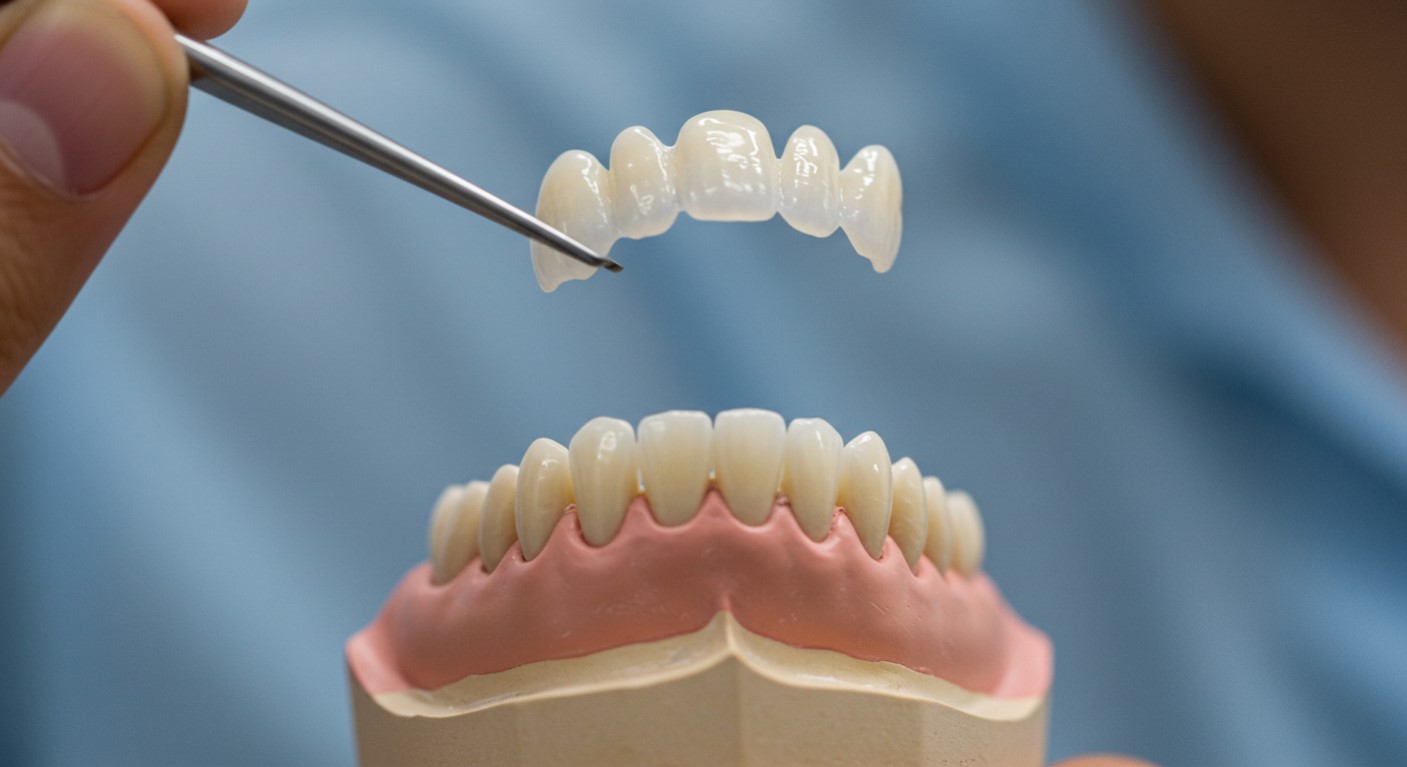
What Are the Different Types of Veneers?
Improving your smile can make a big difference, and veneers provide a way to achieve that change. It’s important to know about the different types of veneers because each one offers specific benefits for different needs.
From the long-lasting nature of porcelain to the cost-effectiveness of composite resin, looking at these options can help you choose what’s best for your dental needs. Learn about veneers and find out which type could help you achieve a beautiful smile.
Definition and Purpose
Veneers are specially made coverings, usually made from porcelain or resin, that go over the front of teeth to correct flaws.
These dental treatments mainly rectify issues such as chips, cracks, and discolouration.
Porcelain veneers are excellent at preventing stains from coffee or wine, which makes them a good choice for those concerned about keeping their teeth white. They can correct gaps or misalignments, enhancing appearance without the need for braces.
Veneers can make teeth look more even, which can increase self-confidence and shield the teeth underneath for better dental health.
Benefits of Using Veneers
Veneers provide many advantages, such as better-looking teeth and increased protection against stains and damage.
Veneers can improve self-esteem while also enhancing the appearance of teeth. For instance, patients often report a 90% satisfaction rate post-application, with many noting a desire to smile more freely.
To achieve these outcomes, dental professionals use high-quality materials such as porcelain, recognised for its lasting strength and similarity to real teeth.
The application process typically involves just two visits; during the first, teeth are prepared and impressions taken, followed by the bonding of the veneers during the second visit. This efficiency makes veneers an attractive choice for many.
Types of Veneers

There are different types of veneers, each having unique features and uses that suit various dental needs.
Porcelain Veneers
Porcelain veneers are highly regarded for their durability and natural appearance, often preferred for long-term cosmetic solutions.
These thin shells are individually created for each person, providing an excellent fit that improves smiles. The visual advantages include being able to copy the see-through look of natural teeth, so they blend in with the nearby enamel.
With a lifespan of 10-15 years, porcelain veneers provide a long-lasting solution for discolouration, chips, or gaps. They are ideal for people looking to improve their smile with simple dental work or for those who have small issues and want a gentle change.
Regular dental check-ups can prolong their longevity and maintain optimal oral health.
Composite Resin Veneers
Composite resin veneers are a cost-effective alternative that can be applied in a single visit, offering flexibility in smile design.
These veneers can be formed and coloured to look like your natural teeth, giving you a custom fit. To get started, consult your dentist to assess your suitability for this treatment.
During the visit, they will prepare your teeth and apply the resin, which can usually be completed in roughly two hours. After shaping, a special light hardens the material, ensuring durability.
Composite veneers last 5-10 years and are ideal for small adjustments, allowing you to improve your smile without the long-term commitment of traditional veneers.
Dental Laminates
Dental laminates are very thin, custom-made covers attached to the front of teeth for cosmetic improvement with minimal procedures.
These laminates typically require minimal preparation of the tooth surface, which is less than what veneers require.
They work best for correcting minor imperfections such as discolouration, small gaps, or slightly misaligned teeth. Laminates improve the look of teeth without high costs and with only small changes to the teeth. Veneers are thicker and are more effective for larger dental issues.
For example, if a significant amount of tooth enamel has been lost, veneers provide greater durability and may be the preferred option.
Porcelain Veneers
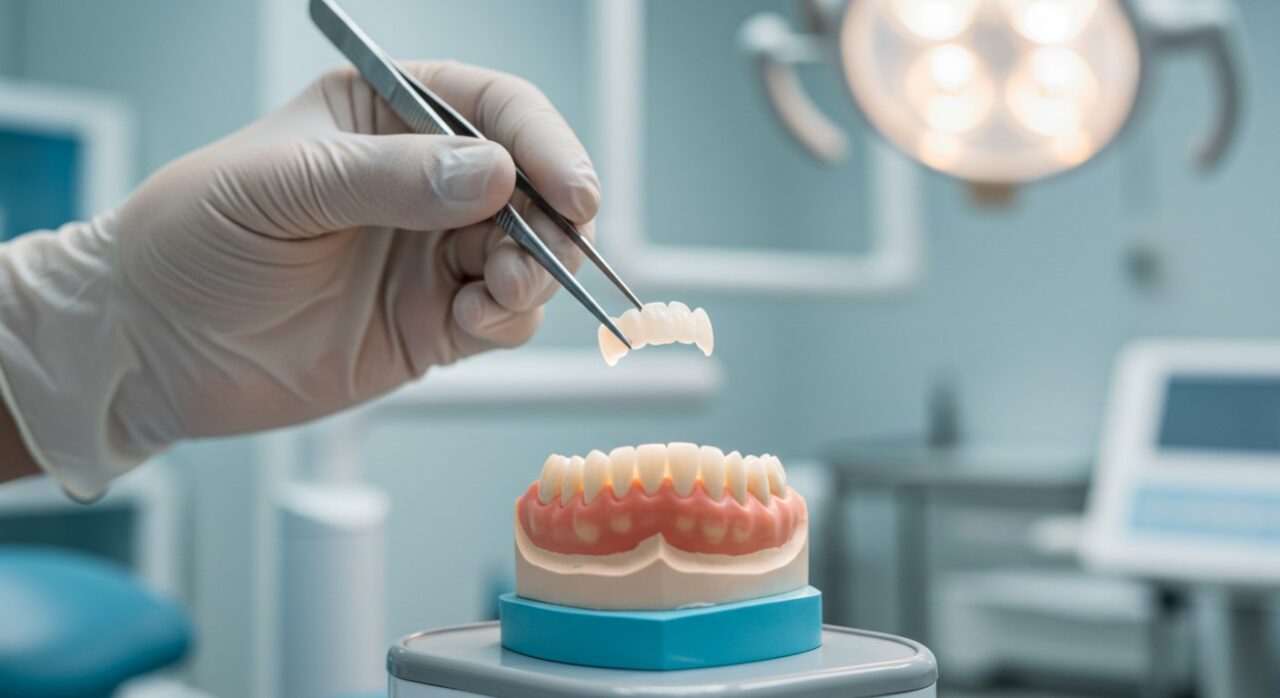
Knowing the features and how to apply porcelain veneers is important for achieving the look you want.
Characteristics and Advantages
Porcelain veneers are durable, do not easily stain, and resemble real teeth, making them a common option.
When considering porcelain veneers, it’s essential to find a qualified cosmetic dentist who can guide you throughout the process. Start by scheduling a consultation to discuss your goals and examine your dental health.
It’s advisable to review before-and-after photos of previous patients to gauge potential results. Inquire about the total cost, which can range from £800 to £2,500 per tooth, depending on complexity and location.
Knowing how to care for your veneers, such as not eating hard foods and going to the dentist for regular check-ups, will help them last longer and keep you satisfied with them.
Application Process
The application process for porcelain veneers typically involves multiple steps, including consultations, tooth preparation, and bonding.
- At the beginning, a one-hour meeting allows the dentist to evaluate your needs and create a treatment plan specifically for you.
- Following this, tooth preparation, which takes between 30 to 60 minutes, involves reshaping the front surface of your teeth.
- After that, temporary veneers are placed on while your personalised veneers are made, which usually takes about two weeks.
- The dentist will bond the final veneers in approximately one hour, ensuring they fit perfectly and match your natural teeth.
It’s essential to follow post-procedure care for optimal results.
Composite Resin Veneers

Composite resin veneers provide a flexible and less invasive option for patients wanting quick cosmetic changes to their smiles.
Characteristics and Advantages
Composite veneers are customisable in colour and shape, providing immediate results with minimal tooth alteration required.
These veneers are made from resin and glass, giving them a pleasing look and practical use. You can have them done in one dental appointment, and they can be changed easily if the colour or shape needs adjusting.
Patients often appreciate their natural appearance and the fact that any minor damage can be repaired without needing a complete replacement. Testimonials highlight how simple the process is; a patient said, ‘I left the surgery smiling in a way I never thought possible in just two hours.’
Application Process
Putting on composite veneers is an easy task and is usually done in one dental visit, which is convenient for patients.
During the visit, the dentist typically follows three essential steps.
- Initially, they will have a consultation to assess what you need for your teeth. This typically lasts around half an hour.
- Next, the actual application process, where the composite material is shaped and bonded to your teeth, can last between 1 to 2 hours, depending on the number of veneers.
- They will polish and adjust the veneers for a perfect fit.
The whole process usually costs between £250 and £500 for each veneer, making it a practical and affordable option for people wanting to improve their appearance.
Comparison of Veneer Types

Examining the differences in durability, cost, and usage helps patients make informed decisions about veneers.
Durability and Longevity
Porcelain veneers generally last 10-15 years, while composite veneers have a lifespan of 5-7 years, impacting long-term cost considerations.
When choosing between porcelain and composite veneers, consider factors such as durability, aesthetic appeal, and maintenance needs.
Porcelain resists stains effectively and resembles real materials more closely, which appeals to people who want durable outcomes. Composite veneers can be fixed if they get damaged and are cheaper at first, but they need upkeep every few years.
For example, while choosing porcelain might come with a higher upfront cost (around £1,000 per tooth), its extended lifespan can justify the investment over time.
In the end, choose what matches your budget and dental health goals.
Cost Considerations
The cost of veneers can vary significantly, with porcelain veneers averaging between £1,000 and £2,500 per tooth, while composite options range from £250 to £500.
When looking at veneers, remember to include extra expenses like dental visits, required X-rays, and follow-up appointments.
For example, a consultation might range from £50 to £200, while X-rays can add another £100 to £300.
Financing options, such as dental credit plans or healthcare credit cards like CareCredit, can also alleviate the upfront burden.
Patients should examine these hidden costs and evaluate their options to understand the total expenses for both types of veneers.
Choosing the Right Veneer for You
When considering veneers, it is essential to evaluate your specific needs and consult with a qualified dentist to determine the best type for you.
Your dentist will assess factors such as tooth health, shape, and colour to recommend the most suitable veneer type.
For example, porcelain veneers are long-lasting and look realistic, which makes them a common option. Alternatively, composite veneers are more affordable and can often be applied in a single visit, but may need replacing sooner.
Discuss your budget and style preferences with your dentist to create a plan that fits your needs for changing your smile.
Frequently Asked Questions
What are the different types of veneers?
The different types of veneers include porcelain, composite, and Lumeneers.
What is the difference between porcelain and composite veneers?
The main difference between porcelain and composite veneers is the material used. Porcelain veneers are made of a thin layer of porcelain, while composite veneers are made of a resin material.
What are the benefits of porcelain veneers?
Porcelain veneers are known for their durability and natural appearance. They are also resistant to staining and can last up to 10-15 years with proper care.
Do veneers require any special maintenance or care?
Veneers do not require any special maintenance, but it is important to practice good oral hygiene and visit your dentist regularly. You should also avoid biting on hard objects or using your teeth as tools to prevent damage to the veneers.
Can I get veneers on just a few teeth?
Yes, you can get veneers on just a few teeth. They can be placed on individual teeth or on a few adjacent teeth to improve their appearance.
What are lumineers and how are they different from traditional veneers?
Lumineers are a kind of very thin veneers that usually need little to no preparation of the teeth and can be removed if needed. Unlike traditional veneers, they do not require the removal of tooth enamel and are often preferred for minor cosmetic improvements.
What are the alternatives to veneers?
Alternatives include dental crowns, which provide full coverage for damaged teeth, as well as composite bonding or teeth whitening for less invasive cosmetic improvements.
Leave a Reply