
Does Teeth Whitening Damage Enamel?
Brightening your smile can be tempting, but at what cost? Teeth whitening has surged in popularity, with countless methods available. Many people ask the question, does teeth whitening damage enamel, and the concern lingers whenever whitening treatments are discussed.
This article looks into what enamel is made of, reviews different whitening products, and talks about possible dangers. You will find research results that either support or question the idea of enamel damage. Ready to learn how to achieve that radiant smile safely? Let’s dive in!
Overview of Teeth Whitening Methods
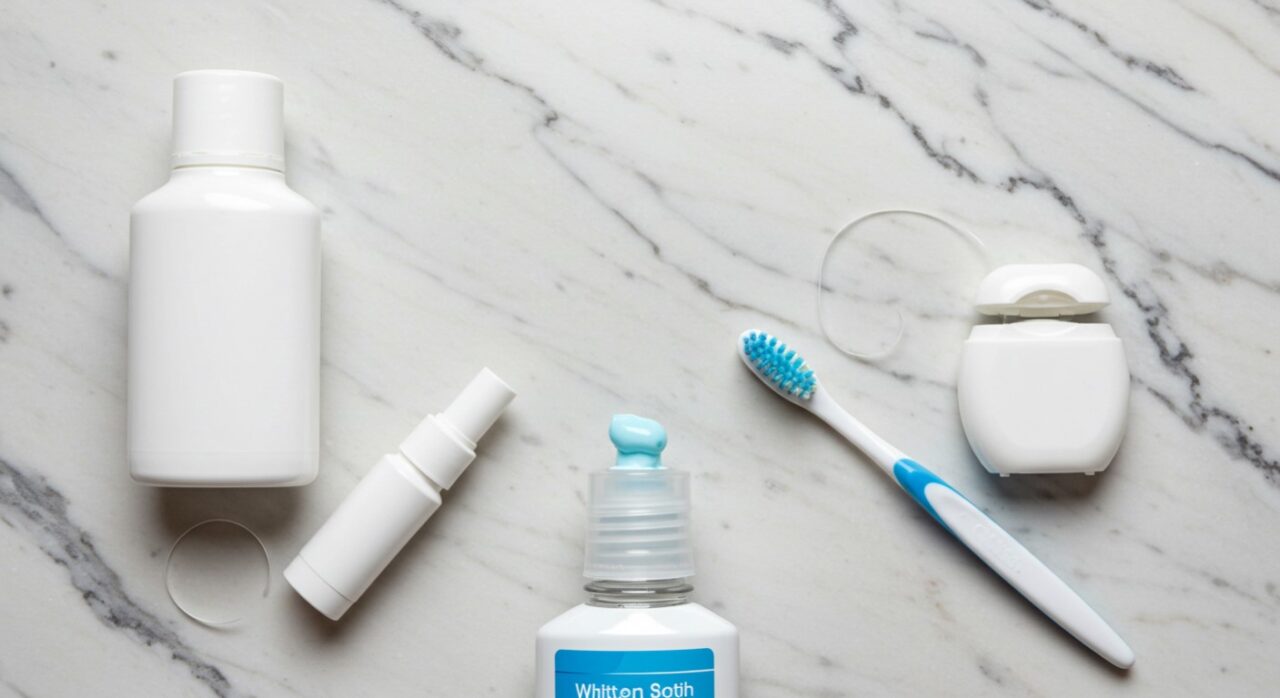
Teeth whitening methods include professional treatments, over-the-counter products, and natural remedies, each catering to different needs and preferences.
- Professional treatments, typically administered by dentists, can provide the most significant results, often using stronger bleaching agents for immediate impact.
- Over-the-counter products, such as whitening strips or gels, offer accessibility and convenience, but may take longer to show effects.
- People who like natural remedies might try using baking soda paste or activated charcoal, although how well they work can vary a lot.
Consider how much money you wish to spend and what you hope to achieve when choosing a method; for instance, hiring a professional may work better if you want quick results, while natural methods may be better for those who desire slower, more gentle changes.
Popularity and Demand
The teeth whitening market is projected to reach £7.4 billion by 2024, driven by increasing consumer awareness of dental aesthetics.
Different reasons are causing this increase in demand. Social media platforms, such as Instagram and TikTok, showcase bright smiles, influencing users to pursue whitening treatments.
Celebrity endorsements, such as those by Kim Kardashian and professional athletes, further glamorise white teeth as a status symbol. The convenience and affordability of at-home whitening kits, which have seen a 30% increase in sales, make them appealing to a broader audience.
Together, these elements are reshaping consumer attitudes towards dental aesthetics and driving market growth.
Understanding Tooth Enamel

Tooth enamel is the tough, outer part of teeth, mainly made of hydroxyapatite, and is important for keeping teeth healthy.
Composition and Function
Enamel consists of 96% minerals, mostly hydroxyapatite. It is the hardest substance in the human body and is essential for protecting teeth from decay.
This mix of minerals makes enamel very tough, allowing it to withstand the daily pressure from chewing and grinding.
Hydroxyapatite is responsible for the strong crystalline structure that resists acids produced by bacteria in plaque. To keep your enamel healthy, use fluoride in your dental routine because it strengthens enamel.
Eating fewer sugary treats and drinks lowers the chance of tooth enamel wearing away. Regular dental visits help catch early signs of damage, keeping your teeth healthy for a long time.
Factors Affecting Enamel Health
Factors such as diet, acid exposure, and poor oral hygiene critically impact enamel health, leading to issues such as erosion and increased sensitivity.
To protect your enamel, consider these actionable tips:
- Reduce sugary and acidic foods such as fizzy drinks and citrus fruits, which can erode enamel.
- Include dairy products such as cheese and yoghurt to help balance acidity.
- Practise good oral hygiene by brushing with fluoride toothpaste twice a day and flossing regularly to remove plaque.
- Chewing sugar-free gum can also stimulate saliva production, which helps remineralise enamel.
- Limit snacking between meals to reduce acid exposure and give your teeth time to recover.
Types of Teeth Whitening Products
Teeth whitening products are divided into two main types: those you can buy without a prescription and those performed by a dentist, each offering different advantages and results.
Over-the-Counter Products
Over-the-counter teeth whitening products, including strips, gels, and toothpaste, typically range from £10 to £50 and offer varying degrees of effectiveness.
For instance, Crest 3D Whitestrips contain hydrogen peroxide, providing noticeable results in about a week, according to user reviews.
Colgate Optic White Toothpaste contains silica to get rid of stains and is liked for being easy to use; many individuals notice a brighter smile after a few weeks.
To achieve the best results, apply the strips twice daily, and brush with the toothpaste at least twice a day. Consistency is key, often yielding a whiter smile with minimal sensitivity when followed as directed.
Professional Whitening Treatments
Professional teeth whitening treatments, offered by dental practices, often yield immediate results, costing between £300 and £1,000 depending on the procedure.
Two popular methods include in-surgery bleaching and custom whitening trays.
In-surgery bleaching typically involves applying a strong hydrogen peroxide gel, activated by a special light, lasting about one to two hours. Patients can expect to make their teeth noticeably whiter in one visit.
On the other hand, custom trays are made using dental impressions. These trays are filled with a milder whitening gel and used for one hour each day over a period of two weeks.
Both methods work well, but treatments carried out at the practice can cause short-term sensitivity, which patients should bear in mind.
Potential Risks of Teeth Whitening

Teeth whitening can work well but may lead to enamel damage and sensitivity.
Consumers should consider these risks before proceeding.
Short-term Effects on Enamel
Short-term effects of teeth whitening may include increased tooth sensitivity and minor enamel erosion, particularly with high-concentration products.
To mitigate these side effects, consider using a desensitising toothpaste like Sensodyne for a few days before and after the whitening treatment. Make sure to follow the product instructions closely—using too much can increase sensitivity.
Avoid acidic foods and drinks like citrus fruits and fizzy drinks, as they can worsen enamel erosion after whitening. Studies show that being cautious protects enamel and leads to improved outcomes.
Keeping these practices in mind will help maintain both your comfort and dental health.
Long-term Implications
Long-term teeth whitening can lead to enamel thinning and an increased risk of tooth decay if not monitored by a dental professional.
Regular dental consultations are essential to maintain oral health when undergoing whitening treatments. Dentists suggest having check-ups twice a year to assess the health of your teeth and gums.
For safer alternatives, consider professional options like in-practice whitening, which generally offers better control over the process. Using remineralising toothpaste or fluoride treatments can help protect enamel after whitening sessions.
Speak to your dentist about your teeth whitening goals to create a safe plan focused on maintaining the health of your teeth.
Research Findings on Enamel Damage
Studies on tooth whitening show mixed results. Some research suggests it can harm enamel, while other studies suggest it poses little risk.
Studies Supporting Damage Claims
Research, such as a clinical trial from 2018, indicates that using too much hydrogen peroxide can cause significant damage to tooth enamel.
One notable study involved participants using a 10% hydrogen peroxide solution for teeth whitening over four weeks. Researchers found an average enamel loss of 1.5 micrometres, measured using a scanning electron microscope.
Another study from 2020 with 15% hydrogen peroxide reported similar erosion effects, emphasising the need for careful monitoring of use.
To reduce risks, dental experts suggest using it only a few times a year, if at all. They advise consulting a dentist for safer choices like lower-strength options or treatments carried out by professionals.
Studies Refuting Damage Claims
Contrary to some claims, a 2020 study published in the Journal of Dental Research found no significant enamel wear from regulated whitening treatments.
This reinforces the importance of choosing treatments that are professionally supervised.
For instance, in-surgery whitening procedures using products like Zoom! or Opalescence are monitored by dental professionals, ensuring safe application techniques.
Studies have indicated that at-home whitening kits approved by dental associations, such as Colgate or Crest Whitestrips, also demonstrate minimal impact on enamel.
Although DIY whitening techniques might be tempting, visiting a dentist is important to keep your teeth healthy and achieve the best outcome.
Protecting Your Enamel During Whitening

Protecting tooth enamel while whitening teeth is important for maintaining your mouth’s health and minimising any negative effects.
Best Practices for Safe Whitening
Best practices for safe teeth whitening include limiting the frequency of treatments and using desensitising agents to reduce discomfort.
Consider using whitening products that bear the British Dental Association (BDA) Seal of Acceptance, ensuring they meet safety and efficacy standards.
For instance, products like Crest 3D Whitestrips or Colgate Optic White are both convenient and effective for home use. You should carefully follow the manufacturer’s instructions, usually applying the product once a day for two weeks.
For sensitive teeth, look into potassium nitrate toothpaste to help alleviate discomfort.
By combining these approaches, you can achieve a brighter smile while protecting your dental health.
Consulting with Dental Professionals
Talking to dental experts before whitening can offer specific guidance and reduce the chances of problems related to the procedure.
A dental professional can evaluate your oral health and recommend the best whitening method for you, whether that’s in-clinic procedures, take-home kits, or over-the-counter products.
For instance, if you have sensitivity issues, they might suggest a custom bleach tray with a lower concentration gel.
Tools like Zoom Whitening offer quick results under professional supervision, while brands like Crest or Colgate provide effective home-use strips.
This custom approach makes sure the treatment matches your specific dental needs, giving better outcomes and lessening possible discomfort.
Summary of Key Points
Key takeaways from this guide emphasise the need for safe whitening methods and the importance of protecting enamel integrity.
To achieve whiter teeth while preserving enamel, consider options such as professional treatments, at-home whitening kits, and natural remedies.
Professional treatments, such as in-office bleaching, often use stronger agents and yield quicker results.
For at-home methods, look for kits containing carbamide peroxide, which works well and typically has a lower concentration than professional products.
Natural remedies, such as bicarbonate of soda or activated charcoal, can help in removing surface stains, but use them carefully to prevent enamel damage.
Talk to your dentist before starting any whitening treatment to make sure it’s safe and works well.
Recommendations for Consumers
Consumers are advised to choose whitening methods carefully, considering both effectiveness and the potential impact on enamel health.
Effective whitening methods include professional treatments, at-home kits, and natural remedies.
- Professional treatments, such as in-office whitening, can yield quick results but may cost upwards of £500.
- At-home kits, including strips like Crest 3D White, offer convenience and are typically priced between £30-£60.
- On the other hand, natural choices such as baking soda or activated charcoal are cheap, but you need to use them often to notice any changes.
Regardless of the chosen method, it is essential to consult with a dentist regularly to monitor enamel health and prevent damage.
Frequently Asked Questions
Does teeth whitening damage enamel?
Yes, it is possible for teeth whitening to damage enamel if done improperly or excessively. The chemicals in teeth whitening products can make the enamel weaker, increasing the risk of damage and sensitivity.
What are the potential risks of teeth whitening on enamel?
The potential risks of teeth whitening on enamel include increased sensitivity, weakened enamel, and even tooth decay. It is important to follow the instructions and guidelines provided by the product or dental professional to minimise these risks.
How can I prevent enamel damage while whitening my teeth?
To prevent enamel damage while whitening your teeth, it is important to choose a reputable product or dental professional and follow the instructions carefully. Avoid overusing the product and limit the exposure of bleaching agents to your teeth. Keep your teeth clean and stay away from foods and drinks that can cause stains.
Are there any alternative methods for whitening teeth without damaging enamel?
Yes, there are alternative methods for whitening teeth that are less likely to cause damage to enamel. These include using whitening toothpastes, avoiding foods and drinks that can stain your teeth, and practising good oral hygiene. You can also consult with your dentist for professional whitening options that may be less harsh on enamel.
How long does it take for enamel to recover from teeth whitening damage?
The time it takes for enamel to recover after teeth whitening damage depends on how badly the enamel is affected. It is important to give your teeth a break from whitening products and allow them to recover. Using enamel-strengthening toothpaste and keeping your mouth clean can help you recover faster.
Is it safe to whiten teeth with enamel damage?
No, it is not safe to continue whitening your teeth if enamel damage is present. It is important to address the damage first and allow your teeth to recover before attempting any further whitening. Ask your dentist for advice on fixing the enamel and stopping more harm later on.
Leave a Reply