
What Is a Teeth Whitener and How Does It Work?
A bright smile can open doors, but many struggle with discoloured teeth. It’s important to know why our teeth become less bright, especially with so many types of teeth whitener available today.
From over-the-counter solutions to professional treatments and even natural remedies, choices abound. Learn about how these products function, what advantages they offer, and any possible drawbacks. Want to know how to get a bright smile? Let’s explore the world of teeth whitening.
Importance of Teeth Whitening
A bright smile can greatly improve self-confidence. Research indicates that 75% of people think a nice smile can open up more personal and job opportunities.
Teeth whitening significantly affects how people communicate and engage with others. For instance, Jessica, a 28-year-old marketing professional, reported feeling more confident during client meetings after undergoing professional whitening, leading to her successful pitch for a major project.
A survey found that about 60% of people believed having whiter teeth made them look friendlier, which could help in forming new relationships.
With options ranging from at-home kits to professional treatments, those considering whitening should assess their lifestyle and budget to choose the best approach for their needs.
Common Reasons for Teeth Discoloration
Tooth discolouration can stem from various factors, including dietary choices, smoking, and ageing, with coffee and red wine being notable culprits.
In fact, studies show that coffee drinkers may experience a 50% increase in discolouration over time due to its high acidity and tannin content. Similarly, red wine can stain teeth because of its pigments and acidity.
To combat these effects, consider proactive measures such as:
- Drinking these drinks with a straw
- Rinsing your mouth with water immediately afterwards
- Adopting a whitening toothpaste
Regular dental cleanings are important for keeping your smile bright, so it is recommended to visit your dentist twice a year.
Types of Teeth Whiteners

Knowing the different types of teeth whiteners helps you choose the best one for your needs.
Over-the-Counter Products
Over-the-counter teeth whitening products, such as Crest 3D Whitestrips (£45) and Colgate Optic White Toothpaste (£8), offer convenient solutions with varying degrees of efficacy.
For stronger results, consider user favourites like AuraGlow Teeth Whitening Kit (£55), which includes an LED accelerator light that speeds up the whitening process. Many users report visibly whiter teeth within a week.
Or, if you want a cheaper option, bicarbonate of soda could work well. Many people online say that using a paste made from bicarbonate of soda three times a week gives good results.
Always pair these products with good oral hygiene for optimal results, and remember that individual reactions may vary, so consult with a dentist if unsure.
Professional Treatments
Professional teeth whitening treatments, like Zoom Whitening (£500/session), provide dramatic results, often achieving 5-10 shades brighter in one session.
These treatments provide strong whitening results and are carried out with dental experts overseeing the process, which keeps them safe and reduces the chance of problems.
Speak to your dentist first. They can check your oral health and determine the best choice for you. For example, if you have sensitive teeth, they might recommend alternatives like custom trays or at-home whitening kits.
This approach helps you achieve a bright smile while maintaining healthy teeth.
Natural Remedies
Natural methods for whitening teeth, such as activated charcoal and bicarbonate of soda, give people a choice to avoid chemicals, although the effectiveness can vary.
- To make bicarbonate of soda more effective for whitening, mix a teaspoon with lemon juice to create a strong paste. Apply this mixture to your teeth for about 2 minutes, then rinse thoroughly.
Always remember to limit this treatment to once a week to prevent enamel erosion. Consider oil pulling with coconut oil, which studies suggest may reduce oral bacteria and promote better dental health.
Aim for 10-20 minutes of swishing each morning before brushing for optimal results. Regular use of these methods can contribute to a brighter smile over time.
How Teeth Whitening Works
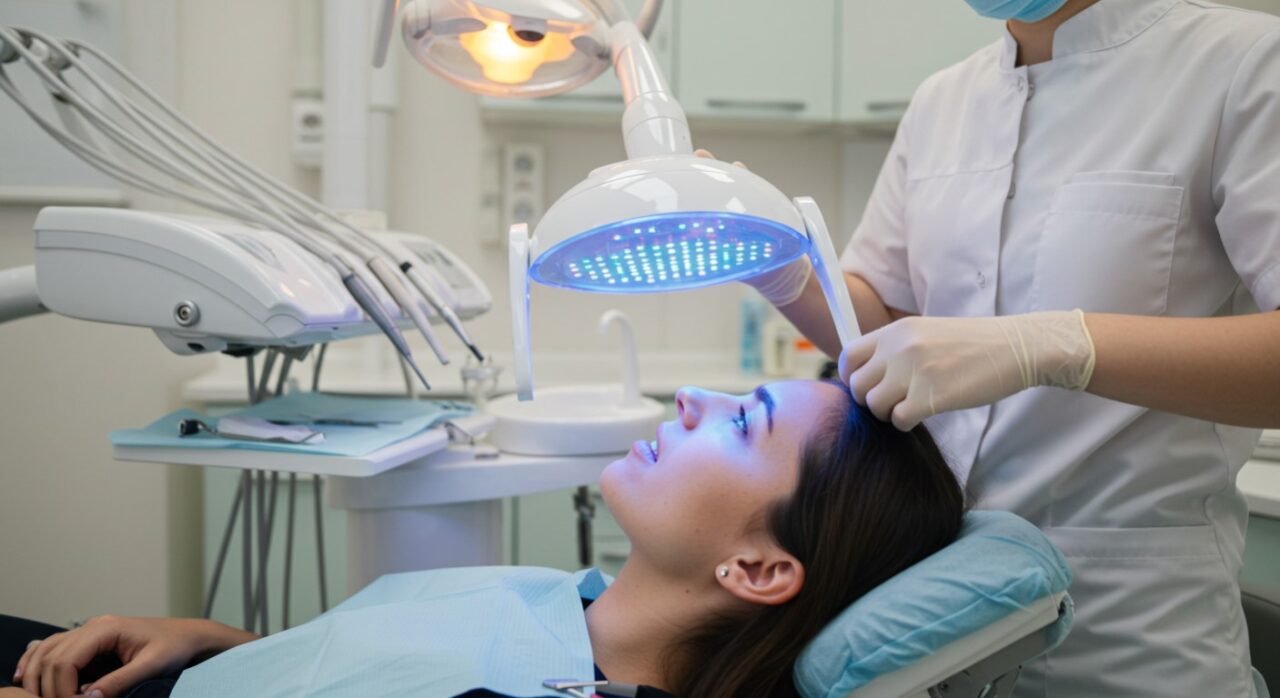
Teeth whitening uses certain active ingredients, mainly compounds with peroxide, that penetrate the enamel to remove stains.
Active Ingredients in Whitening Products
The main ingredients in whitening products are hydrogen peroxide and carbamide peroxide. These have been shown in clinical studies to lighten tooth colour.
Hydrogen peroxide typically appears in concentrations of 3% to 10% for over-the-counter products, while professional treatments may use up to 40%. Carbamide peroxide, often found in at-home kits, usually contains between 10% and 35%.
A study published in the Journal of Dentistry found that products with 10% carbamide peroxide delivered comparable results to those with 3% hydrogen peroxide over a longer duration.
When choosing a product, think about how sensitive your teeth are and ask your dentist for guidance that fits your needs, to make sure it is safe and works well.
Application Methods
Teeth whitening can be achieved through various application methods, including gels, strips, and trays, with results typically visible within 1-2 weeks.
Gels often offer the most intensive treatment, typically requiring application for 20-30 minutes per day.
Strips are simple to use. They stick right onto the teeth and typically need about 30 minutes each day.
Trays, though slightly less user-friendly, provide a custom fit and more even distribution of the whitening agent.
For best results, consider starting with gels for deeper stains, followed by strips for maintenance. Regular brushing with whitening toothpaste can improve and extend the results of these treatments.
Benefits of Teeth Whitening

Making your teeth whiter makes them look better and boosts your self-confidence. It also helps keep your teeth and gums healthy.
Boosting Confidence
A whiter smile can increase self-esteem, with surveys revealing that 82% of people feel more confident after whitening treatments.
Many individuals report life-changing experiences after teeth whitening. Sarah, who has just finished university, felt confident enough to go to job interviews because she was proud of her bright smile.
Similarly, John, who underwent professional whitening, shared that he no longer hesitates to smile in photographs.
Dental clinics offer various options, from in-clinic treatments to at-home kits, catering to different lifestyles and budgets.
Spending money on self-care improves appearance and supports mental health, which is why many people choose it for more confidence.
Enhancing Aesthetic Appeal
Teeth whitening greatly improves appearance, changing dull, stained teeth into bright, appealing smiles that people remember.
Research indicates that individuals with whiter teeth are often perceived as more successful and approachable. For example, social media campaigns featuring influencers who showcase their bright smiles generally attract higher engagement rates.
Brands like Crest show how their whitening products work by using before-and-after pictures in their promotions.
Using content created by customers, where they share their teeth whitening stories, builds trust and increases interest in the product, as people connect with genuine stories that illustrate the benefits of a bright smile.
Risks and Side Effects
Teeth whitening can make your teeth look better, but it’s important to know the risks and side effects of these treatments.
Tooth Sensitivity
Tooth sensitivity is a common side effect of whitening treatments, affecting up to 60% of users, especially with high-concentration peroxide products.
This sensitivity often arises from the whitening agents penetrating the enamel and irritating the nerve endings beneath. To minimise discomfort, consider using products with lower peroxide concentrations, such as 10-15%.
Products designed for sensitive teeth, like Sensodyne or Colgate Sensitive, can help alleviate pain both before and after whitening sessions. Always take breaks between treatments to allow your teeth to recover, and speak to your dentist for advice specific to your dental health.
Gum Irritation
Gum irritation can occur with certain whitening products if they come into prolonged contact with soft tissues, affecting about 20% of users.
To minimise gum irritation, opt for custom-fit whitening trays, as they create a snug fit, reducing the chances of product leakage to the gums.
After treatment, rinse your mouth with warm salt water to soothe the tissue and avoid foods that could irritate the gums for at least 24 hours.
Think about using a fluoride gel to help heal gum tissue. These steps can improve your whitening process while minimising discomfort.
Choosing the Right Teeth Whitener
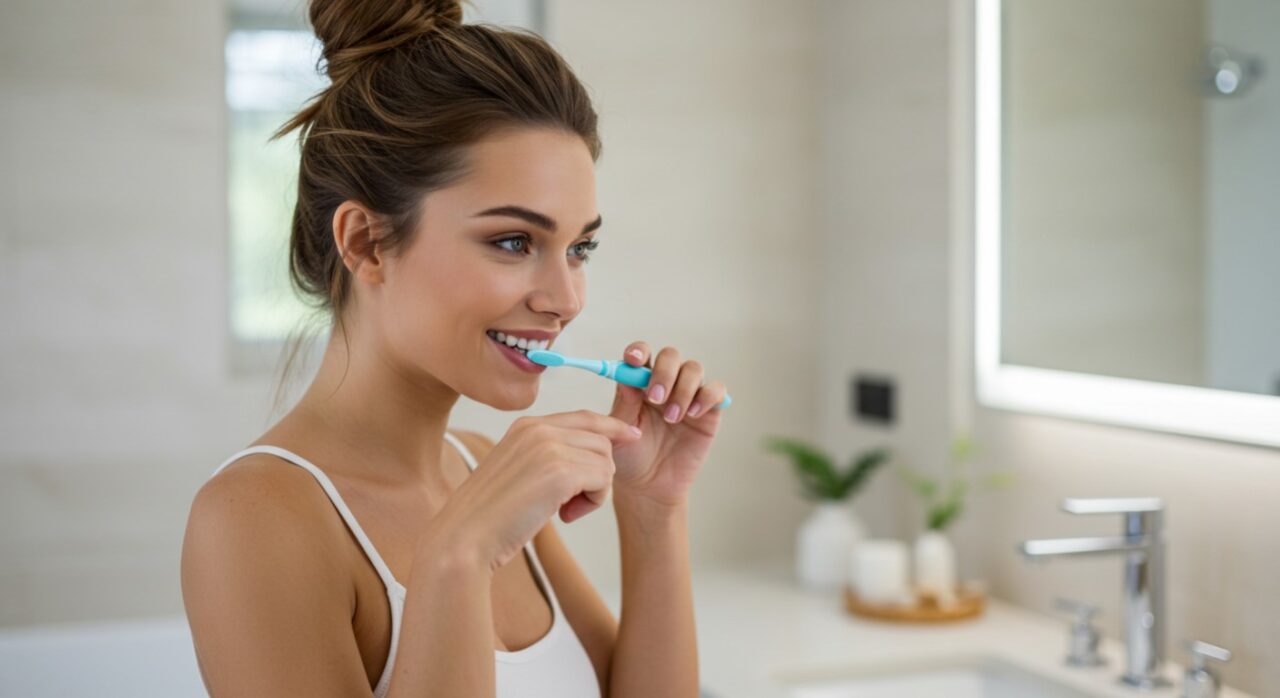
Picking the right teeth whitener means thinking about what you need, the results you want, and asking your dentist for advice.
Consulting with a Dentist
Seeing a dentist can provide personalised advice based on your specific tooth condition, ensuring that teeth whitening is both safe and effective.
During your dental consultation, the dentist will carefully check your oral health, looking for issues such as enamel damage or sensitive gums that might affect whitening options.
They might suggest products like personalized whitening trays or certain brands of whitening strips that suit your needs. Dentists can explain expected outcomes based on your current tooth shade.
This personalized approach ensures safety and success, so getting professional guidance is important for achieving the smile you desire.
Evaluating Product Efficacy
Evaluating the efficacy of teeth whitening products involves reviewing clinical studies, consumer feedback, and comparisons of active ingredients.
Start by researching clinical studies that highlight the effectiveness of key ingredients like hydrogen peroxide and carbamide peroxide. Websites like PubMed can provide access to relevant trials.
Next, check consumer reviews on platforms like Amazon or dedicated beauty forums to gather diverse opinions. Look for products with a high number of positive reviews and detailed user experiences.
Compare products based on their concentrations of active ingredients, as higher concentrations can yield quicker results but may also increase sensitivity. This method helps you choose a product that fits your needs well.
Aftercare and Maintenance

Brushing and flossing regularly helps keep your teeth white and your smile bright for years.
Post-Whitening Care Tips
After teeth whitening, avoid foods and drinks that can stain, such as coffee and red wine, for at least 48 hours. Also, maintain a thorough oral hygiene routine.
Also, make sure to brush your teeth two times a day with fluoride toothpaste to make enamel stronger and clean off any surface stains.
Consider using a soft-bristled toothbrush to prevent gum irritation. Floss daily to clean between your teeth, where plaque can build up.
Scheduling a follow-up appointment with your dentist within a month can help monitor your teeth’ condition and address any sensitivity issues.
Staying hydrated and drinking water after meals can also help wash away potential stain-causing particles.
Maintaining Whiteness
To maintain white teeth, it’s important to get touch-ups every 3 to 6 months, based on personal habits and the specific product used.
Brushing daily with whitening toothpaste like Crest 3D White or Colgate Optic White can help keep stains away and make teeth look whiter. Incorporating a whitening mouthwash into your oral hygiene routine provides an extra layer of protection.
Products such as Listerine Advanced White or Oral-B 3D White can be advantageous. Avoid coffee and red wine, and use a straw to help prevent stains on teeth.
Following these tips regularly will keep your teeth white over time.
Frequently Asked Questions
What is a teeth whitener and how does it work?
A teeth whitener is a product designed to lighten the colour of your teeth. It typically works by using peroxide-based bleaching agents to remove stains and discolouration from the teeth’s surface.
Is teeth whitening safe for my teeth and gums?
Yes, teeth whitening is generally safe when done in moderation. However, you should carefully follow the instructions and avoid using the product too much, as it can lead to sensitivity and harm the enamel.
How long does it take to see results with a teeth whitener?
The time needed to see results from a teeth whitener depends on the type of product and how severe the staining is. Some products can show results in as little as a few days, while others may take a few weeks.
Can I use a teeth whitener if I have sensitive teeth?
It’s best to consult with your dentist before using a teeth whitening product if you have sensitive teeth. They can recommend a suitable product or treatment option that won’t cause discomfort or pain.
Are there any side effects from using a teeth whitener?
Some people may experience sensitivity, irritation, or temporary discolouration of the gums when using a teeth whitener. These side effects are typically minor and short-lived. You can prevent them by using the product as directed and avoiding excessive use.
Can I use a teeth whitener if I have dental work, such as fillings or crowns?
Teeth whitening products only work on natural teeth and will not change the colour of any dental work. In fact, using a teeth whitener on dental work can actually cause it to stand out even more. It’s best to talk to your dentist about any concerns or options for whitening dental work.
Leave a Reply