
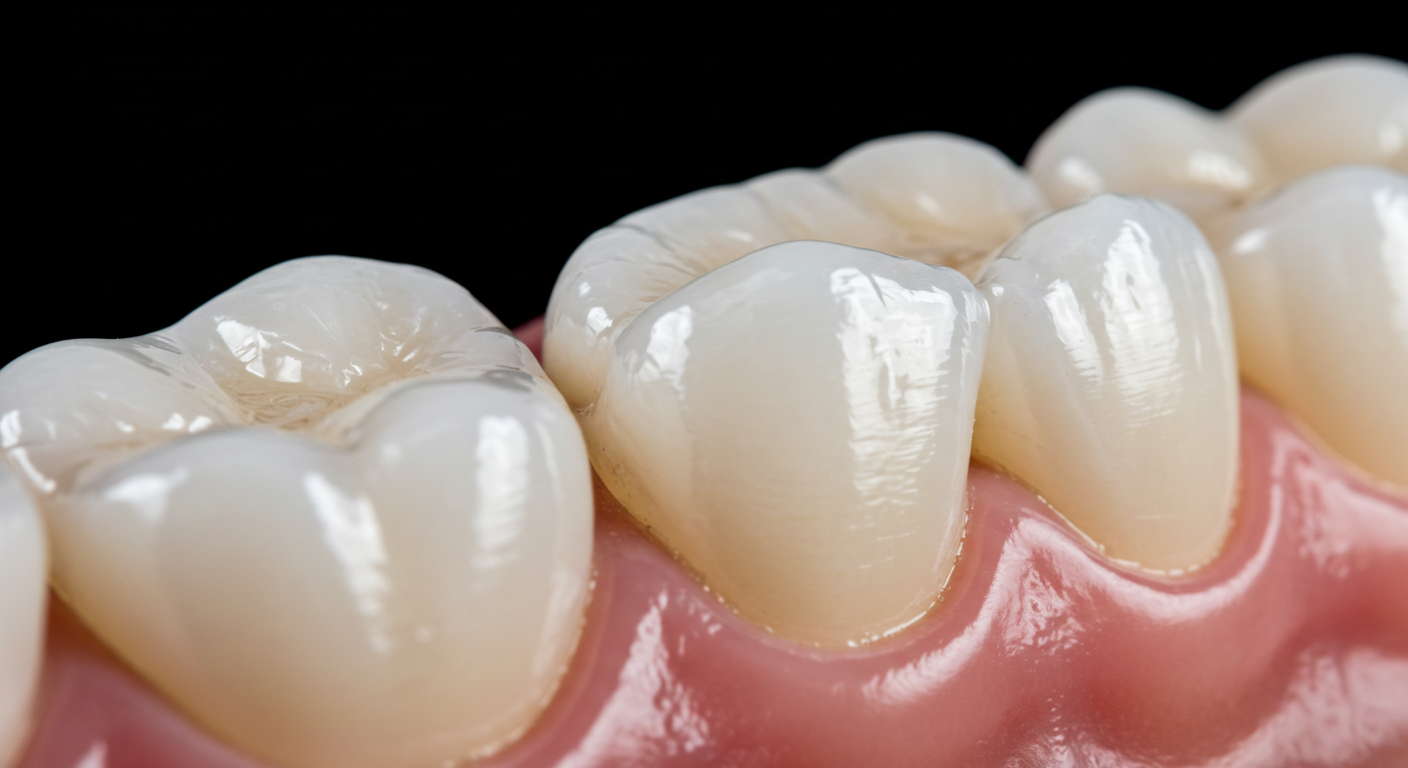
Can You Whiten Composite Bonding?
Composite bonding can brighten your smile, but what happens when it loses its luster? Many people wonder if it is possible to whiten composite bonding, and knowing the answer is important for anyone wanting to keep their smile looking its best.
This article explains what composite bonding involves, how well different whitening techniques work, and the challenges you might encounter. We will look into different options and discuss when it is best to see a dentist. Learn how to maintain a bright smile!
What is Composite Bonding?
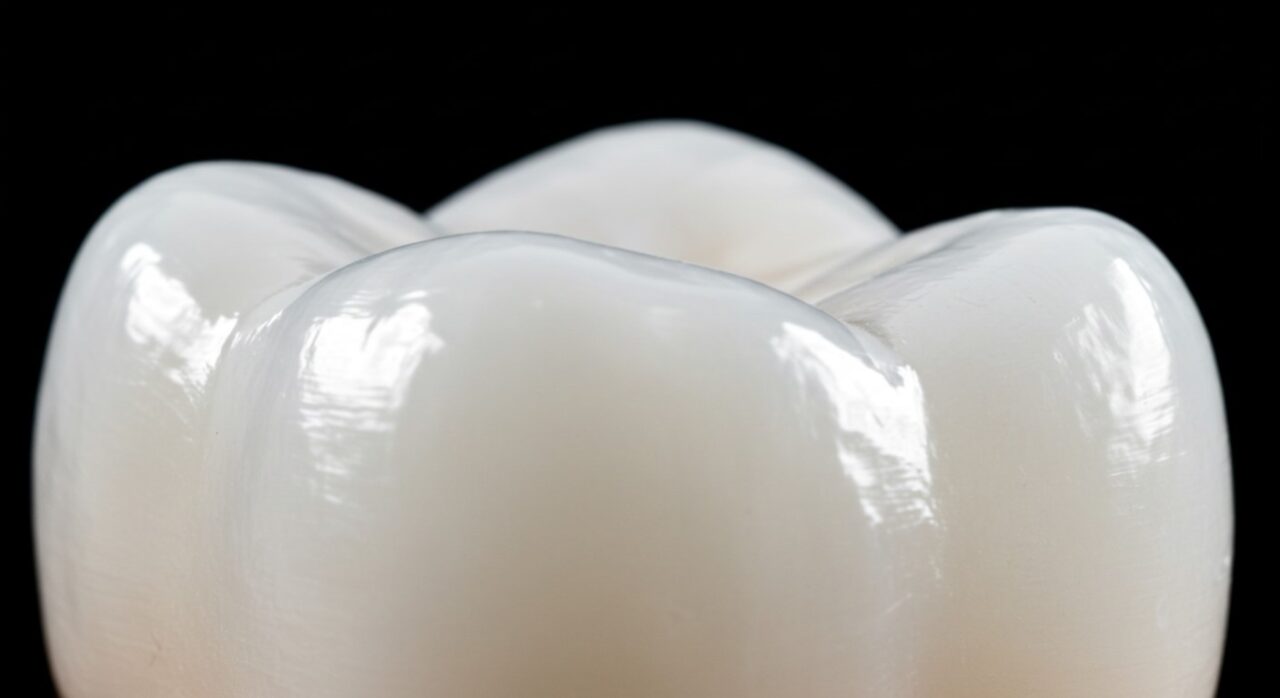
Composite bonding is a process where a tooth-coloured material is used to fix, change the shape, or improve the appearance of teeth, usually done in one appointment.
The treatment typically uses a composite resin, which is colour-matched to the patient’s teeth for a seamless finish. Initially, the dentist prepares the tooth by etching the surface, allowing better adhesion.
After applying the resin, it is shaped and polished to achieve the desired appearance. The entire procedure usually takes about 30 to 60 minutes per tooth.
Many patients experience noticeable positive changes; for example, one patient had their chipped front teeth fixed into an even smile, greatly increasing their confidence after just one visit.
Common Uses of Composite Bonding
Commonly, composite bonding is used to address issues such as edging teeth, gaps, discolouration, overlapping teeth, and even to reshape teeth for a better smile.
Specifically, composite bonding effectively repairs chips by layering resin to match the tooth’s colour, restoring its original shape. It can also be applied to overlapping teeth, subtly reshaping edges to create a more even and harmonious alignment without the need for orthodontics.
Closing gaps can be achieved with custom-shaped resin, creating a seamless appearance. For discolouration, composite materials can cover stained areas, dramatically enhancing aesthetics.
Reshaping teeth is another popular application, allowing dentists to modify size or contour for better alignment.
Successful case studies often include striking before-and-after photos, showing patients with improved smiles, highlighting both better function and increased confidence.
Understanding Tooth Whitening

Tooth whitening includes different techniques to make teeth look brighter, attracting a great deal of attention in cosmetic dentistry because it works well and is easy to obtain.
Types of Tooth Whitening Methods
The primary tooth whitening methods include professional in-surgery treatments, custom take-home kits, and over-the-counter whitening products, each varying in strength and effectiveness.
Professional in-surgery treatments, typically using 35-40% hydrogen peroxide, can cost between £500 and £1,000 and often yield immediate results.
On the other hand, personalised take-home kits, which use a lower amount of hydrogen peroxide (10-20%), cost between £100 and £400. They gradually whiten teeth over one to two weeks.
Over-the-counter products, such as whitening strips or gels, are more budget-friendly, priced at £20 to £50, but may take longer to see noticeable results.
Choose based on your desired speed, budget, and sensitivity levels.
Effectiveness of Whitening Treatments
Effectiveness varies significantly among whitening treatments, with professional methods showing up to 90% whitening success compared to 30% for at-home kits.
Professional treatments, such as in-office bleaching with a dentist, typically yield quicker and more dramatic results, achieving up to eight shades lighter after a single session. For instance, patients reported a 95% satisfaction rate following treatments using 35% hydrogen peroxide gel.
In contrast, at-home kits, often utilising lower concentrations like 10-20% carbamide peroxide, require consistent use over weeks to see similar results—often less than half the improvement. They can still work well for those looking for gradual changes, highlighting the importance of selecting a method based on personal needs and expert guidance.
Can You Whiten Composite Bonding?

Whitening composite bonding is tricky because the bonding materials don’t lighten in the same way as natural teeth.
Factors Affecting Whitening
Key factors affecting the whitening of composite bonding include the type of bonding material, the original shade of the composite, and the specific whitening method used.
In practice, composite materials vary widely in their susceptibility to whitening. For example, composite resin may be more colour-stable compared to natural enamel.
A professional whitening treatment, such as Zoom, often yields better results than over-the-counter options due to stronger active ingredients. Dentists suggest checking the colour of your teeth to pick the best whitening approach; they may advise using a personalised whitening tray for even results.
It is important to consult with your dentist to understand which technique is most appropriate for your unique situation.
Limitations of Whitening Composite Bonding
Limitations include the potential for uneven whitening, retention of stains, and the inability to achieve lighter shades than the original bonding material.
These challenges can lead to dissatisfaction if patients expect uniform results similar to natural teeth.
Dental professionals need to tell patients that teeth whitening might not lead to big changes and may need multiple sessions.
Techniques such as using a whitening gel specifically designed for composite materials can help minimise the risk of uneven colour.
Advising patients on maintaining good oral hygiene can prevent the retention of stains, ensuring longer-lasting results and more consistent colour matching.
Alternative Solutions for Discoloration
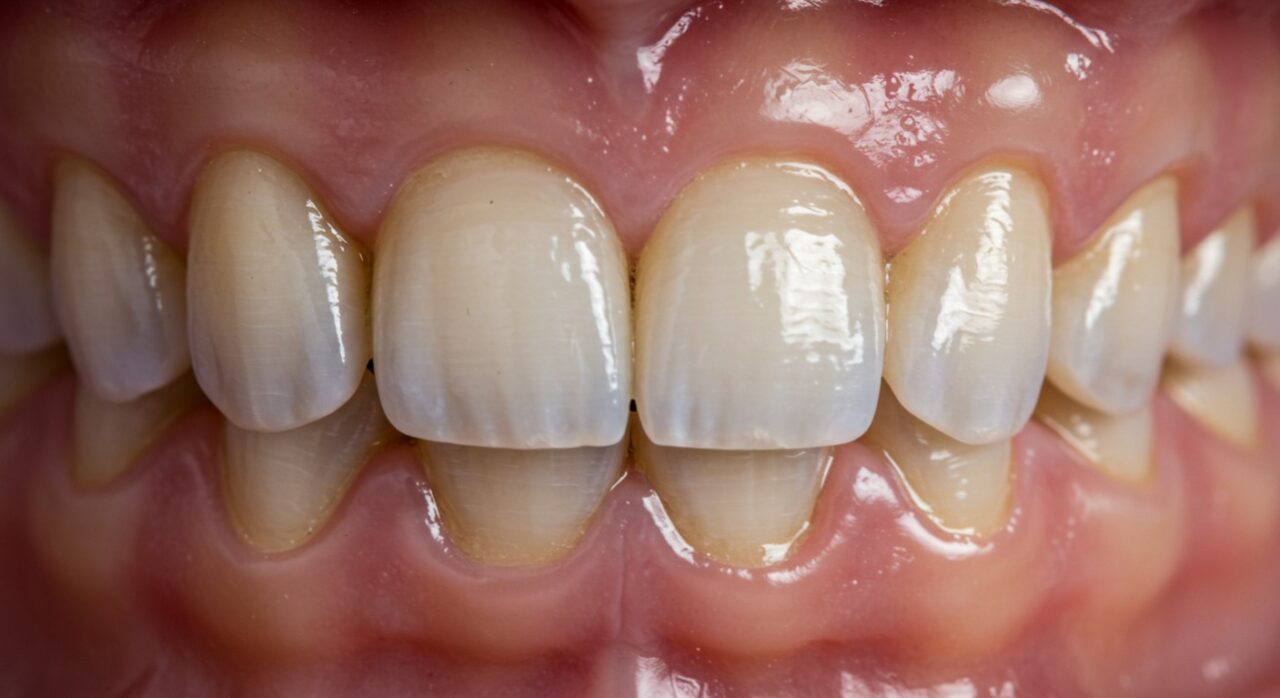
If whitening doesn’t give you the results you want, there are other methods that can improve how composite bonding looks.
Composite Bonding Replacement
In serious cases of discolouration, swapping out old composite bonding for new materials can help achieve a more consistent look, often producing improved outcomes.
The replacement process typically involves assessing the current bonding for wear and staining. Dentists might use new materials such as nano-composites, which provide better aesthetics and last longer.
For instance, a patient with noticeable discolouration successfully transitioned from traditional composites to a high-end nano-composite for £800. The treatment resulted in a bright smile and improved confidence.
It’s essential to discuss costs upfront, as prices can vary based on the extent of work and material choice, ranging from £300 to £1,200 per arch.
Polishing and Maintenance Techniques
Regular cleaning and maintenance can greatly improve how long composite bonding lasts and looks, and it also helps prevent stains over time.
To maintain your composite bonding, regular cleaning with a non-abrasive toothpaste is essential. For professional recommendations, dentists often suggest using a soft-bristled toothbrush to minimise wear.
Avoid foods that can stain such as coffee and red wine. At-home care routines should also include regular use of whitening strips designed for safe use on dental work, which can help maintain their brightness.
Visiting the dentist twice a year helps identify and address any wear or damage early, keeping your teeth looking good and functioning well.
Consultation with Dental Professionals

Talking with dentists is important to find the right solution for cosmetic dental issues, such as whitening and bonding treatments.
When to Seek Professional Advice
Patients should speak to a dentist if they notice significant changes in tooth colour, have concerns about their dental health, or plan to have any treatment.
Visit the dentist if you have a constant toothache, puffy gums, or trouble chewing. These may indicate cavities or infections.
To prepare for your appointment, compile a checklist that includes:
- a list of current medications
- any allergies
- questions about your symptoms or treatment options
Getting ready in this way allows your dentist to understand your needs clearly and offer personalised treatment.
Choosing the Right Treatment Options
Picking the right treatment depends on how severe the discoloration is, what the patient wants, and what the experts suggest.
To assess your options effectively, begin by asking your dentist some key questions:
- What are the most suitable treatments for my specific discolouration?
- How long will the effects last, and what maintenance is required?
Take into account your budget and the time commitment of each option. For example, whitening strips may be less expensive but require daily application for weeks, whereas in-clinic treatments can provide immediate results but come at a higher cost.
By considering these factors, you can select what works best for you.
Frequently Asked Questions
Can you whiten composite bonding?
Yes, composite bonding can be whitened through various methods.
What is composite bonding?
Composite bonding is a cosmetic dental treatment where composite resin material is applied to the teeth to improve their appearance.
What are the benefits of whitening composite bonding?
Whitening composite bonding can make teeth look better by making them brighter and more even in color. This can increase confidence and self-worth.
How is composite bonding whitened?
Composite bonding can be made lighter with professional methods like in-office bleaching or home whitening kits. Natural methods such as using baking soda and hydrogen peroxide can also help.
Are there any side effects of whitening composite bonding?
Some people may experience temporary tooth sensitivity or gum irritation after whitening composite bonding. However, these side effects are generally minor and go away soon.
How long does composite bonding whitening last?
The duration of composite bonding whitening can vary depending on the individual’s diet and oral hygiene habits. On average, it can last anywhere from 6 months to 3 years. Touch-up treatments may be needed to maintain the desired level of whiteness.
Leave a Reply