
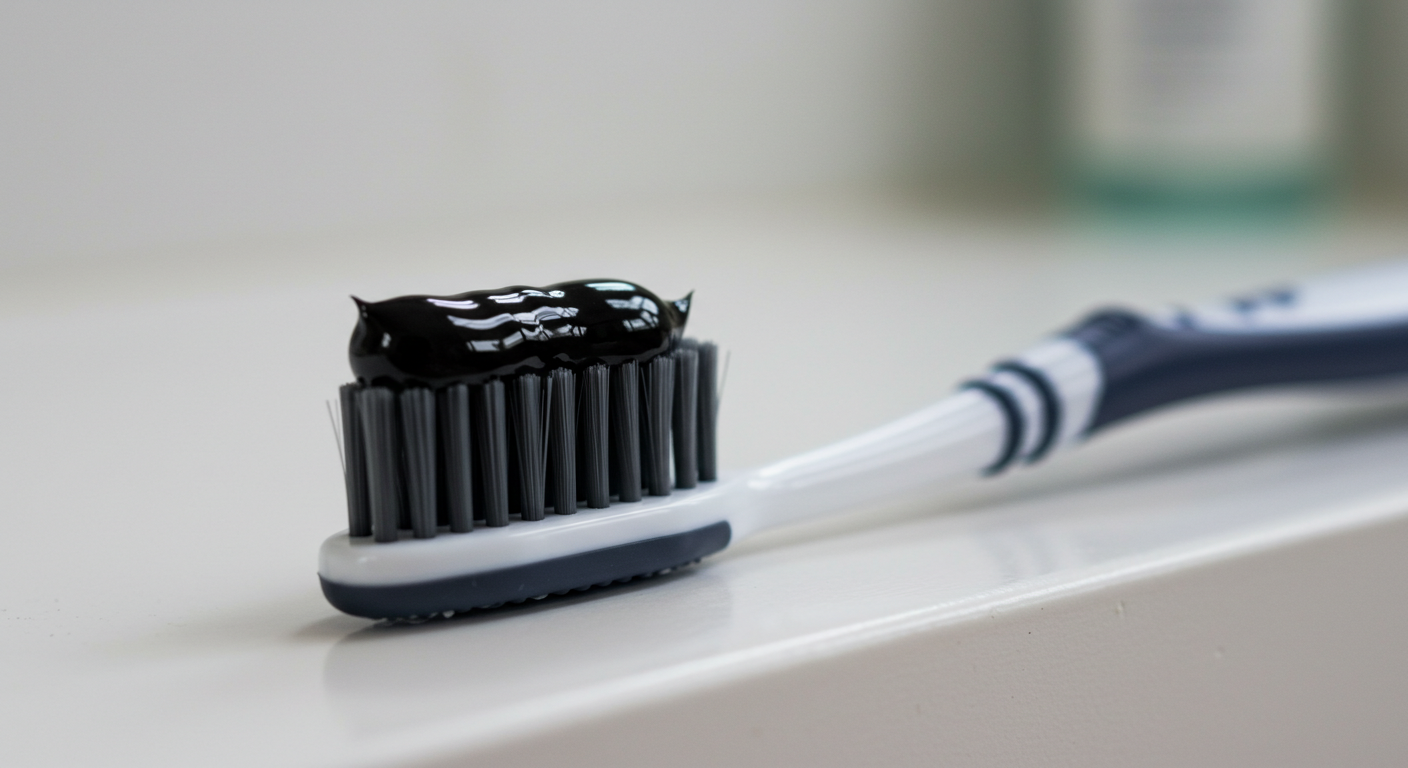
Does Charcoal Whiten Teeth?
Charcoal has become very popular in beauty products, offering a way to cleanse your skin and whiten your teeth. But does charcoal whiten teeth?? Grasping why activated charcoal is popular in oral care is important as more people look for natural ways to whiten their teeth instead of using conventional methods.
From its unique properties to its effectiveness—backed by science and user experiences—this exploration reveals both the potential benefits and risks involved. Wondering if charcoal can really change your teeth? Let’s dive in.
What is Activated Charcoal?
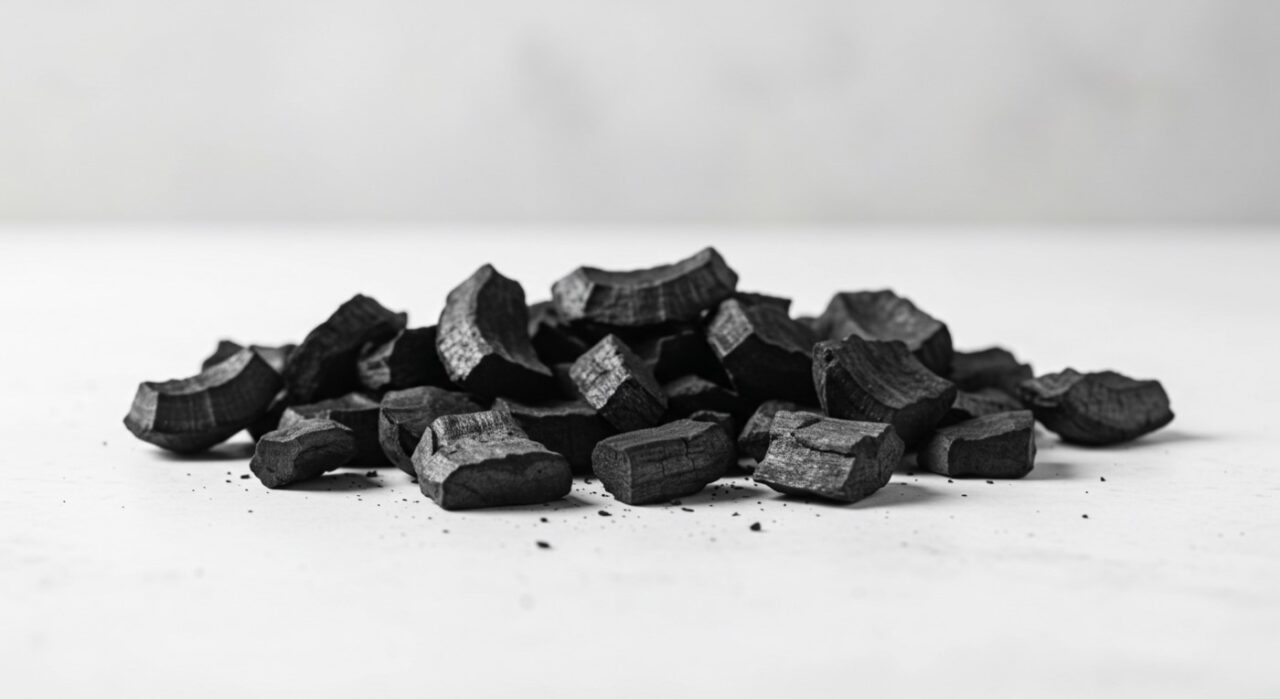
Activated charcoal is a fine black powder created from carbon materials that go through a special process to better absorb substances, making it useful for various purposes like dental care.
Unlike regular charcoal, activated charcoal is produced by heating carbon-rich materials like wood or coconut shells in the presence of gas. This process forms a material with tiny holes, greatly expanding its surface area, allowing it to attach to toxins and impurities.
For instance, in dental care, it can adsorb plaque and stains on teeth, contributing to brighter smiles. Products like activated charcoal toothpaste or powder can be used regularly as part of your oral hygiene routine.
It is essential to use food-grade activated charcoal for safety.
How Charcoal is Used in Oral Care
Charcoal is used in many oral care products, such as toothpaste and mouthwashes, to help remove stains and improve dental hygiene.
Hello Activated Charcoal Toothpaste costs £5.99 and is marketed as both gentle and effective at removing stains. Active Wow Charcoal Mouthwash is priced at £13.95 and is promoted as reducing bacteria and improving breath freshness.
For a complete routine, combine these products with a soft-bristled toothbrush to minimise enamel wear. Regular use—ideally twice a day for toothpaste and once for mouthwash—can lead to noticeable improvements in whiteness and overall oral health.
Speak to a dentist for advice specific to your needs, especially if you have sensitive teeth.
Mechanism of Action

It’s important to understand how activated charcoal works on teeth and stains to see how well it performs compared to standard whitening techniques.
Adsorption Properties of Charcoal
Activated charcoal can stick to plaque, stains, and harmful substances, making it a natural option for teeth whitening.
When using activated charcoal for teeth whitening, apply it by wetting your toothbrush and dipping it into the charcoal powder. Gently brush your teeth for 2-3 minutes, then rinse thoroughly.
It is recommended to do this 1-2 times a week to avoid enamel erosion. Brands like HiVa and Nature’s Way offer high-quality activated charcoal that is safe for dental use.
Always consult with a dentist before starting new whitening methods, especially if you have dental sensitivities or existing oral health issues.
Comparison to Traditional Whitening Methods
When comparing activated charcoal to traditional whitening methods such as hydrogen peroxide treatments, there are significant differences in both application and results.
Activated charcoal is commonly chosen by people looking for a natural way to whiten their teeth. It removes stains from the surface without being harsh, unlike hydrogen peroxide, which can make some people more sensitive.
Charcoal may need to be used multiple times a week before you notice any effects. In contrast, hydrogen peroxide delivers quicker whitening effects but may carry risks of chemical exposure. Choosing between these methods depends on your sensitivity levels and how quickly you want results; users often find that balancing both strategies yields the best outcomes.
Effectiveness of Charcoal for Teeth Whitening
Scientific studies and feedback from users have examined charcoal’s effectiveness in whitening teeth, providing a clear idea of its results.
Scientific Studies and Evidence
Recent studies, such as one published in the Journal of Natural Science Research, indicate that while activated charcoal can reduce surface stains, its overall whitening effectiveness is still debated among dental professionals.
In a review of clinical trials, one study found that subjects using activated charcoal experienced a 10% reduction in stains compared to a fluoride toothpaste group.
Another trial highlighted potential enamel erosion, raising concerns about long-term use. Dental professionals recommend that if you choose to use activated charcoal, limit its application to once a week and rinse thoroughly afterwards.
Alternatives such as hydrogen peroxide or whitening strips, which have shown more consistent results, may be safer and more effective for overall whitening. Always consult with a dentist before starting any new whitening regimen.
User Testimonials and Anecdotal Evidence
Many users say they have had good results with activated charcoal products, often mentioning that their teeth look whiter and their oral health is better.
Experiences can vary. For instance, while some users of Hello Activated Charcoal Toothpaste praise its ability to visibly brighten teeth within a few uses, others express concerns about potential enamel wear or gum sensitivity.
Some also find that the gritty texture takes time to get used to, favouring smoother alternatives like Crest 3D White Strips. Consider the benefits and potential drawbacks, and think about your dental health before deciding.
Consulting your dentist can help tailor the best approach for your needs.
Potential Benefits of Charcoal Whitening

Activated charcoal can help with more than teeth whitening, making it a useful choice for people looking for natural dental care options.
Natural Ingredients and Safety
Many people turn to activated charcoal for its natural ingredients, perceiving it as a safer alternative to chemical whitening agents typically found in commercial products.
Activated charcoal, derived from carbon-rich materials like coconut shells, is praised for its ability to absorb impurities. This is very different from chemical options that often use strong bleaches.
Although many people consider activated charcoal safer, the FDA does not monitor all dental products, allowing for less control. People should look for products that have clear labels and are supported by clinical evidence.
Going to the dentist often and talking with them about products before using them helps keep things safe.
Additional Oral Health Benefits
Along with its whitening capabilities, activated charcoal is praised for its ability to aid in plaque removal and support overall oral health through its detoxification properties.
Activated charcoal works by binding to toxins and particles in the mouth, which helps trap substances that contribute to bad breath and plaque.
To use it effectively in your oral care routine, try charcoal toothpaste or mix activated charcoal powder with your usual toothpaste twice a week. Brands like Hello Activated Charcoal Toothpaste are specially formulated for this purpose.
Rinsing with charcoal-based mouthwash can improve the cleansing effects. Talk to your dentist before making major changes to make sure they fit your dental care needs.
Risks and Concerns
Although it can help, using activated charcoal for teeth whitening comes with significant risks and issues that people should be aware of.
Enamel Erosion
One significant concern regarding the use of activated charcoal is its potential to erode tooth enamel, especially when used excessively or improperly.
Research indicates that activated charcoal’s abrasive properties can wear down enamel over time. For example, a study published in the British Dental Journal revealed that regular use can lead to increased enamel wear.
To mitigate risks, only use activated charcoal products once a week and for no longer than three minutes at a time. Try to choose toothpaste with a lower relative dentine abrasivity (RDA), such as Sensodyne, which protects enamel while providing effective cleaning.
Always follow up with a fluoride mouthwash to aid in remineralisation.
Gum Health Issues
The abrasive nature of activated charcoal can also pose risks to gum health, potentially leading to irritation or inflammation if not used cautiously.
To safely include activated charcoal in your oral care routine, follow these suggestions:
- Use it no more than once a week, as frequent use can wear down enamel and irritate gums.
- Choose a finely milled charcoal product labelled as safe for oral use.
- Always follow with a fluoride toothpaste to help remineralise enamel.
- Anecdotal evidence suggests users who mix activated charcoal with coconut oil for oil pulling report less gum sensitivity.
- It’s essential to consult with a dental professional before trying new products.
Final Thoughts on Charcoal Teeth Whitening
In the end, charcoal whitening products can work for some people, but it is important to have realistic expectations and be aware of dental health.
Before using charcoal whitening, speak to your dentist to check if it is suitable for your teeth. Be mindful of potential enamel erosion and sensitivity; monitor your oral health while using these products.
Start with a patch test for sensitivity—apply it to one tooth and assess your reaction. Track the frequency of use; limiting charcoal treatments to once or twice a week can help mitigate risks.
Consider alternatives like whitening toothpaste with fluoride if you experience discomfort or if the results are not satisfactory.
Frequently Asked Questions
Does charcoal whiten teeth?
Yes, charcoal has been shown to have whitening properties when used on teeth.
How does charcoal whiten teeth?
Charcoal is a highly porous substance that can absorb and bind to stains on teeth, helping to remove them and reveal a brighter smile.
Is charcoal safe for teeth whitening?
Yes, charcoal is generally considered safe for teeth whitening. Be careful not to use it too often and avoid pressing too hard when brushing, as this can harm the enamel.
Can I use any type of charcoal for whitening teeth?
No, it is important to use activated charcoal specifically made for teeth whitening. Other types of charcoal, such as the ones used for grilling, may contain harmful chemicals and should not be used on teeth.
Are there any risks associated with using charcoal for teeth whitening?
Some people may experience tooth sensitivity or gum irritation when using charcoal for teeth whitening. It is always best to consult with a dentist before trying any new whitening method.
How often should I use charcoal for teeth whitening?
It is recommended to use charcoal for teeth whitening 1-2 times a week. Overuse can lead to enamel damage and increased sensitivity.
Leave a Reply